

Preserve Your Vietnam Memories
Turn your travel photos into beautiful custom magnets
A unique service available throughout Vietnam - simply send your favorite travel shots and receive beautiful, high-quality magnets at budget-friendly prices. Perfect for sharing with friends or decorating your space with travel memories.
Contact us on:
Sustainable Vietnam: Eco-Tourism Hotspots & Responsible Travel Guide
Vietnam's natural beauty is breathtaking—from the emerald rice terraces of Sapa to the turquoise waters of Halong Bay, from the pristine beaches of Phu Quoc to the lush jungles of Cat Tien. But with tourism rapidly expanding, this beauty faces growing threats from overdevelopment, pollution, and environmental degradation. The good news? A new wave of sustainable and eco-conscious travel is transforming how visitors experience Vietnam, creating positive impacts for local communities and protecting the environment for future generations.
Sustainable tourism in Vietnam isn't just a buzzword—it's a movement embraced by innovative eco-lodges, conservation projects, and community-based tourism initiatives across the country. These responsible travel options allow you to experience authentic Vietnamese culture, support local livelihoods, and protect fragile ecosystems, all while having incredible adventures that go far beyond typical tourist experiences.
This comprehensive guide reveals Vietnam's best eco-tourism hotspots, from remote mountain homestays run by ethnic minorities to wildlife conservation centers protecting endangered species. You'll discover how to travel responsibly, minimize your environmental footprint, support local communities directly, and return home knowing your journey made a positive difference. Whether you're trekking through pristine national parks, staying in bamboo eco-lodges, or volunteering with sea turtle conservation projects, sustainable travel in Vietnam offers deeply rewarding experiences that benefit everyone involved.

Why Choose Sustainable Travel in Vietnam
- Protect Fragile Ecosystems: Vietnam is home to incredible biodiversity including endangered species like Asian elephants, langurs, and pangolins—responsible tourism directly funds conservation efforts
- Support Local Communities: Community-based tourism puts tourism income directly into the hands of ethnic minorities and rural families, rather than international corporations
- Authentic Cultural Experiences: Sustainable tourism emphasizes genuine cultural exchange and learning, rather than staged performances for tourists
- Long-term Viability: Overtourism is damaging popular destinations—choosing sustainable alternatives helps preserve Vietnam's beauty for future generations
- Personal Fulfillment: Travelers consistently report that responsible tourism experiences are more meaningful, educational, and memorable than conventional tourism
Understanding Sustainable Tourism in Vietnam
What Makes Tourism "Sustainable"?
Sustainable tourism in Vietnam encompasses several key principles:
Environmental Protection: Minimizing pollution, conserving water and energy, protecting wildlife habitats, and reducing waste. This includes eco-lodges using renewable energy, tour operators limiting group sizes in sensitive areas, and businesses eliminating single-use plastics.
Economic Benefits for Local Communities: Ensuring tourism revenue reaches local people, not just outside investors. This means hiring local staff, sourcing food from local farmers, using local guides, and supporting local artisans.
Cultural Preservation: Respecting and celebrating local cultures, traditions, and knowledge systems. Sustainable tourism empowers communities to share their heritage on their own terms, rather than commodifying culture for entertainment.
Education and Awareness: Teaching visitors about environmental and social issues, creating advocates for conservation and cultural preservation who return home with new perspectives.
Vietnam's Sustainable Tourism Challenges
While Vietnam is making progress, significant challenges remain:
Overtourism: Popular sites like Halong Bay, Hoi An, and Phong Nha receive millions of visitors annually, straining infrastructure and ecosystems. Some areas now implement visitor caps and environmental fees.
Plastic Pollution: Vietnam ranks among the world's top plastic polluters, with waste management infrastructure struggling to keep pace with tourism growth. Single-use plastics remain ubiquitous despite growing awareness.
Wildlife Trafficking: Despite legal protections, illegal wildlife trade continues, driven partly by tourist demand for exotic foods, traditional medicine, and souvenirs made from endangered species.
Development Pressure: Rapid resort and hotel construction threatens coastal ecosystems, forests, and agricultural land, often with inadequate environmental impact assessments.
Greenwashing: Some businesses falsely market themselves as "eco-friendly" without implementing genuine sustainable practices, making it difficult for conscientious travelers to identify truly responsible operators.
Top Eco-Tourism Destinations in Vietnam
1. Pu Luong Nature Reserve (Northern Vietnam)
Pu Luong is Vietnam's sustainable tourism success story—a pristine valley of rice terraces, limestone karsts, and traditional Thai and Muong villages that has consciously avoided mass tourism in favor of small-scale, community-based tourism.
Why it's sustainable:
- Community homestays with ethnic minority families provide direct income
- Limited accommodation capacity prevents overtourism (under 500 visitors daily)
- No cars allowed in many areas—transportation by bicycle, foot, or electric vehicle only
- Rice terraces farmed using traditional organic methods
- Local cooperatives manage tourism development, ensuring benefits stay within communities
What to do:
- Trek through rice terraces and bamboo forests with local guides
- Stay in traditional stilt houses with Thai families
- Learn traditional crafts like weaving and bamboo raft-making
- Cycle through valleys on quiet dirt roads
- Support local farmers by purchasing organic rice and produce
How to visit responsibly:
- Book homestays directly with families or through community cooperatives
- Hire local guides rather than bringing guides from Hanoi
- Purchase handicrafts directly from artisans
- Bring refillable water bottle—homestays provide filtered water
- Respect cultural norms (remove shoes, ask permission for photos)
Getting there: 4-hour drive from Hanoi (160km). Arrange shared transport through your homestay to reduce carbon emissions.
Recommended operators: Pu Luong Retreat (eco-lodge with community partnerships), Pu Luong Eco Garden (family-owned), local homestay cooperatives in Kho Muong village

2. Cat Tien National Park (Southern Vietnam)
Cat Tien protects one of Vietnam's largest remaining lowland forests and is a model for conservation tourism. This 72,000-hectare park shelters endangered species including Asian elephants, yellow-cheeked gibbons, sun bears, and the critically endangered Siamese crocodile.
Why it's sustainable:
- Entrance fees directly fund conservation and anti-poaching efforts
- Employs local communities as rangers, guides, and support staff
- Scientific research and wildlife monitoring programs visitors can support
- Strict regulations protect wildlife (no feeding, minimum distance requirements)
- Revenue from ecotourism reduced hunting pressure that once threatened the park
What to do:
- Night safari to spot civets, porcupines, and gaur (wild cattle)
- Early morning gibbon tracking—hear their haunting calls echoing through the jungle
- Crocodile lake kayaking to see Siamese crocodiles (one of world's rarest reptiles)
- Bird watching (over 350 species including endangered hornbills)
- Stay in basic park accommodation or nearby eco-lodges
Conservation impact: Cat Tien's Bear and Wild Cat Rescue Center rehabilitates animals rescued from illegal wildlife trade. Your park entrance fee supports this critical work. Visitors can observe bears from viewing platforms without disturbing them.
How to visit responsibly:
- Book guided tours through the park authority to ensure qualified guides
- Never feed or approach wildlife
- Stay on marked trails to prevent habitat disturbance
- Dispose of all trash properly—pack out what you pack in
- Support the wildlife rescue center with donations
Getting there: 160km from Ho Chi Minh City (3.5-hour drive). Shared buses available from Ben Thanh Bus Station.
Accommodation: Inside the park (basic bungalows), Green Bamboo Lodge (nearby eco-lodge), Forest Floor Lodge (sustainable design)
Cost: Park entrance 60,000 VND/day, guided tours 200,000-400,000 VND
3. Mai Chau Valley (Northern Vietnam)
Mai Chau offers an accessible introduction to community-based tourism in Vietnam's northern mountains. This scenic valley of rice paddies is home to White Thai ethnic minority communities who welcome visitors into their traditional stilt houses.
Why it's sustainable:
- Homestay network directly benefits local families
- Traditional agriculture practices preserved (no chemical fertilizers)
- Cultural performances organized and led by community members
- Small-scale tourism maintains authenticity
- Income from tourism reduced migration to cities, keeping families together
What to do:
- Stay overnight in a traditional Thai stilt house
- Learn traditional dance from local performers
- Participate in rice planting or harvesting (seasonal)
- Cycle through villages and rice fields
- Purchase handwoven textiles directly from weavers
- Trek to remote villages with local guides
Cultural experience: Evening performances feature traditional Thai music and dance, performed by villagers (not hired entertainers). While these are organized for tourists, they showcase genuine cultural traditions and provide income to performers.
How to visit responsibly:
- Book homestays in less-visited villages, not just Lac and Pom Coong
- Ask permission before photographing people or inside homes
- Participate respectfully in cultural activities—learn a dance, try local food
- Buy handicrafts directly from artisans at fair prices
- Learn basic Thai phrases to show cultural respect
Getting there: 140km from Hanoi (3.5-hour drive). Weekend minibus tours available, but weekday visits reduce crowding.
Accommodation: Homestays 100,000-150,000 VND per night including meals. Mai Chau Ecolodge (upscale eco-option) from 1,500,000 VND.

4. Cuc Phuong National Park (Northern Vietnam)
Vietnam's first national park (established 1962) and a pioneer in conservation education, Cuc Phuong protects ancient limestone forests home to endangered primates and rare botanical species.
Why it's sustainable:
- Endangered Primate Rescue Center rehabilitates and breeds critically endangered langurs and gibbons
- Turtle Conservation Center protects Vietnam's endemic turtle species
- Environmental education programs for Vietnamese students
- Scientific research station supports biodiversity studies
- Local Muong communities benefit from employment and homestay tourism
What to do:
- Visit the Primate Rescue Center to see rare langurs and gibbons
- Explore the Turtle Conservation Center's breeding programs
- Trek to the "Thousand-Year-Old Tree" through ancient forest
- Night walking to spot civets, flying squirrels, and owls
- Visit Muong villages in the buffer zone
- Participate in tree-planting programs (seasonal)
Conservation impact: Your entrance fee and center visit donations directly support endangered species breeding programs. Several langur species exist nowhere else—your visit helps prevent extinction.
How to visit responsibly:
- Book accommodation inside the park to support conservation funding
- Follow all wildlife viewing guidelines (no flash photography, keep quiet)
- Participate in education programs to learn about conservation challenges
- Donate to the rescue centers if able
- Visit during weekdays to avoid Vietnamese tourist crowds (weekends very busy)
Getting there: 120km from Hanoi (2.5-hour drive). Public bus to Nho Quan town, then xe om to park entrance.
Accommodation: Park bungalows (basic), Mac Lake House (mid-range), homestays in nearby Khanh village
Cost: Park entrance 60,000 VND, Primate Center 50,000 VND, Turtle Center 20,000 VND
5. Con Dao Islands (Southern Vietnam)
Once Vietnam's most infamous prison island, Con Dao has transformed into a model of marine conservation and sustainable island tourism. The Con Dao National Park protects sea turtles, coral reefs, and some of Vietnam's clearest waters.
Why it's sustainable:
- Strict limits on visitor numbers and development
- Active sea turtle conservation and monitoring program
- Marine protected areas with no-fishing zones
- Sustainable fisheries supporting local communities
- Coral reef restoration projects
What to do:
- Join sea turtle monitoring patrols (March-September nesting season)
- Snorkel coral reef restoration sites with park rangers
- Kayak mangrove forests teeming with wildlife
- Hike to hidden beaches where turtles nest
- Visit the Sea Turtle Conservation Station
- Learn about prison island history at museum
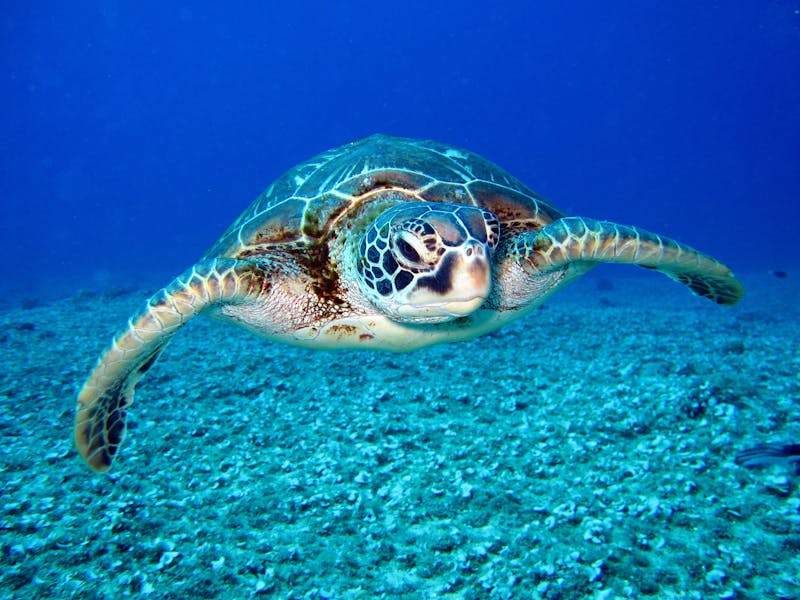
Conservation impact: Con Dao is Vietnam's most important sea turtle nesting site. The park's conservation program has dramatically increased turtle populations through nest protection, reducing light pollution, and eliminating threats. Visitors can volunteer with nighttime turtle patrols, directly contributing to conservation.
How to visit responsibly:
- Book accommodation well in advance (limited options by design)
- Use park-certified guides for all wildlife activities
- Never touch or disturb sea turtles, nests, or coral
- Reef-safe sunscreen only (standard sunscreen damages coral)
- Support park conservation with donations
- Avoid peak Vietnamese holidays when the island is crowded
Getting there: Flights from Ho Chi Minh City or Can Tho (1 hour). Alternatively, ferry from Vung Tau (3 hours, less frequent).
Accommodation: Poulo Condor Boutique Resort (eco-certified), Six Senses Con Dao (luxury eco-resort), park bungalows (budget option)
Cost: Park entrance 40,000 VND, turtle patrol participation 200,000 VND, snorkeling tours 400,000-600,000 VND
6. Ba Be National Park (Northern Vietnam)
Ba Be (meaning "Three Bays") protects Vietnam's largest natural lake, surrounded by karst mountains and primary forest. The park exemplifies successful community-based tourism with Tay ethnic minority homestays around the lake.
Why it's sustainable:
- Community homestay network managed by local Tay families
- Traditional fishing practices preserved (sustainable catch limits)
- Organic farming in buffer zone villages
- Revenue from tourism reduced pressure on forest resources
- Local Tay guides share traditional ecological knowledge
What to do:
- Stay with Tay families in lakeside stilt houses
- Boat trip on Ba Be Lake to Puong Cave
- Trek to waterfalls through pristine forest
- Kayak quiet lake coves and waterways
- Learn traditional fishing methods
- Visit Pac Ngoi village market (weekends)
Cultural experience: Tay culture revolves around the lake—fishing, rice farming, and festivals celebrating water spirits. Homestays offer genuine immersion in this lifestyle, with families sharing meals, stories, and daily activities with guests.
How to visit responsibly:
- Stay multiple nights to reduce travel emissions and deepen community connections
- Participate in household activities if invited (cooking, farming)
- Purchase handicrafts and local products
- Use homestay-provided boats rather than bringing outside tour operators
- Respect lake fishing zones designated for local families' livelihoods
Getting there: 240km from Hanoi (6-hour drive). Overnight bus available, or hire driver to split journey with stops.
Accommodation: Homestays 150,000-200,000 VND including meals. Ba Be Lake Homestay, Pac Ngoi Homestay (community-run)
Cost: Park entrance 40,000 VND, boat tours 150,000-300,000 VND depending on route
7. Sapa Alternative Villages (Northern Vietnam)
While Sapa town has become heavily touristed, the surrounding valleys offer authentic trekking and homestay experiences with H'mong, Dao, and Giay ethnic minorities. Choosing community-based tourism here supports traditional villages away from the mass-tourism circuit.
Why it's sustainable:
- Homestays in remote villages provide crucial income
- Traditional textile crafts preserved through fair-trade sales
- Rice terraces maintained using centuries-old sustainable practices
- Small-group trekking reduces environmental impact
- Cultural exchange on community terms, not staged performances
What to do:
- Multi-day trek staying in different minority villages each night
- Learn traditional textile dyeing and weaving techniques
- Participate in rice planting or harvest (seasonal)
- Trek through terraced landscapes far from tourist routes
- Purchase embroidered textiles directly from artisan families
- Learn about medicinal plants used by local communities
Avoiding overtourism in Sapa: Skip Cat Cat and Ta Van villages (overcrowded) in favor of:
- Ta Phin (Dao villages with herbal medicine traditions)
- Lao Chai and Ta Van extended route (fewer tourists)
- Nam Cang (remote, requiring guide)
- Ban Ho (H'mong village, quieter)
- Thanh Phu (Giay village, rarely visited)
How to visit responsibly:
- Book directly with homestay families or community organizations
- Hire local minority guides, not lowland Vietnamese or foreign-run agencies
- Purchase textiles at fair prices (bargaining should be respectful)
- Bring gifts useful to families (school supplies, not candy)
- Learn basic H'mong or Dao greetings
- Visit during weekdays if possible
Getting there: Train from Hanoi to Lao Cai (8 hours overnight), then 1-hour minibus to Sapa town. Arrange trekking from there.
Recommended operators: Sapa O'Chau (social enterprise employing minority guides), Ethos Spirit (community-based tours), direct homestay bookings
Best Eco-Lodges in Vietnam
Topas Ecolodge (Sapa)
Vietnam's original eco-lodge, Topas pioneered sustainable mountain tourism in 1997. Built using local materials by local craftspeople, the lodge employs minority communities and minimizes environmental impact while offering stunning views over rice terraces.
Sustainability features:
- Built from local stone and timber using traditional techniques
- Employs H'mong and Dao staff with hospitality training
- Organic garden supplies restaurant produce
- Rainwater collection and wastewater treatment
- Community development projects in surrounding villages
Experience: Comfortable bungalows perched on a mountain ridge with panoramic views. Excellent restaurant featuring local ingredients. Guided treks to nearby villages.
Cost: From 2,500,000 VND per night including breakfast
Booking: Reserve directly to support local employment
Pu Luong Retreat
Award-winning eco-lodge showcasing sustainable architecture with bamboo bungalows that seem to float among rice terraces. The retreat partners with neighboring villages for employment and supplies.
Sustainability features:
- Bamboo construction (rapidly renewable resource)
- Solar hot water and energy-efficient design
- Organic farm supplies restaurant
- Zero single-use plastic policy
- Community fund supporting local schools and infrastructure
Experience: Stunning bamboo villas overlooking terraced rice fields. Infinity pool, spa using local herbal products, farm-to-table dining. Cultural activities with nearby Thai villages.
Cost: From 3,500,000 VND per night including breakfast
Booking: Book directly via their website
Vedana Lagoon Resort & Spa (Hue)
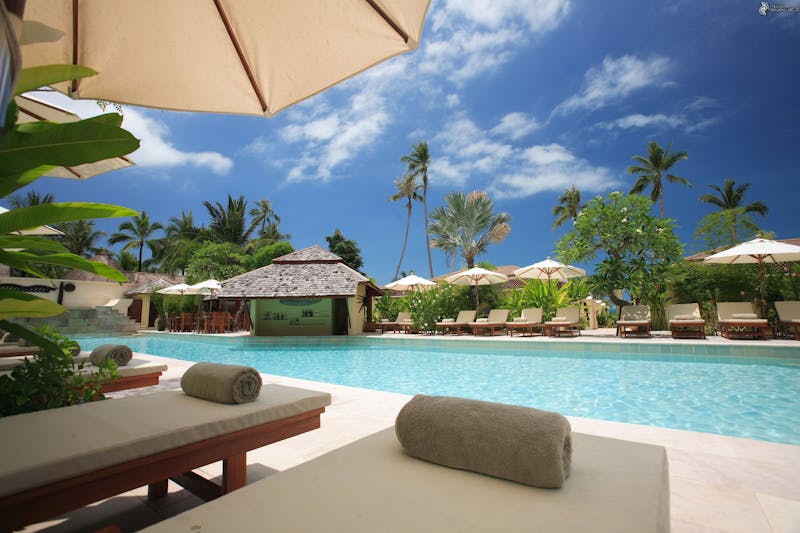
Luxury eco-resort on a tranquil lagoon near Hue, designed to preserve the lagoon ecosystem while providing employment for local fishing communities.
Sustainability features:
- Built on stilts to protect lagoon mangroves
- Wastewater treatment preventing lagoon pollution
- Employs local fishermen as guides and boat operators
- Supports sustainable fishing practices
- Lagoon conservation education programs for guests
Experience: Overwater villas with private pools. Lagoon kayaking, fishing villages visits, organic spa treatments. Farm-to-table restaurant.
Cost: From 4,000,000 VND per night
Saigon Domaine (Mekong Delta)
Former colonial hunting lodge transformed into an eco-retreat supporting Mekong Delta rural communities and wildlife conservation.
Sustainability features:
- Organic fruit orchard (no pesticides)
- Employs local farmers and artisans
- Cooking classes using Delta produce
- Bird watching supporting wetland conservation
- Bicycle transportation to reduce emissions
Experience: Charming rooms in restored colonial buildings surrounded by gardens. Cooking classes, boat trips through waterways, bicycle tours of Delta villages.
Cost: From 1,800,000 VND per night including breakfast
Six Senses Con Dao
Luxury eco-resort with serious commitment to marine conservation and community development on the pristine Con Dao Islands.
Sustainability features:
- Sea turtle conservation partnership
- Coral reef restoration projects
- Marine debris cleanup programs
- Solar power and rainwater harvesting
- Employs island residents (reducing mainland migration)
Experience: Beachfront villas with private pools. World-class spa, marine conservation activities, organic dining. Direct beach access where sea turtles nest.
Cost: From 15,000,000 VND per night (luxury pricing, but genuine conservation impact)
Wildlife Conservation Experiences
Save Vietnam's Wildlife (Cuc Phuong National Park)
This Vietnamese-led conservation organization operates rescue centers for pangolins, carnivores, and other trafficked wildlife. They offer education programs for visitors wanting to support conservation.
How to visit: Day visit to rescue center from Cuc Phuong National Park. Donations welcome but not required for visit.
Impact: Your visit supports Vietnam's only specialized pangolin rescue center. Learn about wildlife trafficking and conservation challenges.
Cost: Free, but donations appreciated (50,000 VND suggested)
Endangered Primate Rescue Center (Cuc Phuong)
World-leading center for critically endangered Vietnamese primates, breeding and reintroducing species like Cat Ba langurs and grey-shanked douc langurs.
How to visit: Guided tours daily at 9:30am and 2pm. Photography allowed from observation platforms only.
Impact: The center has prevented extinction of several primate species. Your visit supports breeding programs and habitat protection.
Cost: 50,000 VND entrance fee supports conservation
Free the Bears (Ninh Binh Province)
Bear sanctuary rescuing sun bears and moon bears from bear bile farms, providing lifetime care in semi-natural enclosures.
How to visit: Day trip from Ninh Binh. Guided tours explain bear bile farming and conservation efforts.
Impact: Your visit supports bear rescue and advocacy against bear bile farming.
Cost: 100,000 VND entrance fee includes guided tour
GreenViet (Various Locations)
Vietnamese organization focused on biodiversity conservation, environmental education, and community-based conservation throughout Vietnam.
How to participate: Volunteer programs (minimum 1 week) in various locations. Wildlife surveys, reforestation, environmental education.
Impact: Volunteer work directly supports grassroots conservation across Vietnam.
Cost: Volunteer program fees vary, typically 400-600 USD per week including accommodation

Responsible Travel Practices: Practical Tips
Reducing Plastic Waste
Vietnam's plastic pollution crisis is severe, but responsible travelers can minimize their contribution:
What to do:
- Bring refillable water bottle and water filter/purification tablets
- Refuse plastic bags—bring cloth shopping bag
- Carry reusable utensils for street food
- Choose restaurants and hotels with plastic-free policies
- Buy drinks in glass bottles or cans rather than plastic
- Refill water bottles at hotels, eco-lodges, and Refill Not Landfill stations
Refill Not Landfill: This initiative operates water refill stations at businesses across Vietnam. Download their app to find refill locations. Participating businesses display blue refill stickers.
Respecting Wildlife
Vietnam's wildlife faces severe threats from trafficking, habitat loss, and tourist interactions. Be a responsible wildlife observer:
Never:
- Ride elephants, tigers, or other wild animals
- Purchase products made from endangered species (ivory, pangolin scales, turtle shells)
- Eat wild game or "exotic" meats (often from endangered species)
- Pay for photos with captive wildlife
- Feed wild animals (alters natural behavior)
Always:
- Keep respectful distance from wildlife (minimum 5 meters)
- Use binoculars and telephoto lenses rather than approaching
- Never use flash photography with wildlife
- Report wildlife trafficking to authorities or ENV hotline: 1800-1522
Ethical wildlife experiences:
- Wildlife observation in national parks with trained rangers
- Visiting legitimate rescue centers (not "petting zoos")
- Bird watching tours with conservation-focused operators
- Marine life snorkeling (observe, don't touch)
Supporting Local Communities
Direct economic support:
- Book homestays and guides directly with communities when possible
- Purchase handicrafts from artisans, not middlemen
- Eat at family-run restaurants rather than chains
- Hire local guides from the community you're visiting
- Buy produce at local markets
Cultural respect:
- Learn basic phrases in Vietnamese and minority languages
- Ask permission before photographing people
- Dress modestly when visiting villages (cover shoulders, knees)
- Remove shoes before entering homes
- Accept hospitality graciously but don't expect it
- Participate respectfully in cultural activities if invited
Appropriate gifts: If you want to give to communities you visit, useful items include:
- School supplies (notebooks, pencils, colored pencils)
- English learning materials
- Sustainable items (refillable water bottles, cloth bags)
- Seeds for vegetable gardens
- Avoid candy and junk food (health issues)
- Monetary donations to community funds, not individual families
Minimizing Carbon Footprint
Transportation choices:
- Take trains rather than flights when possible (Hanoi-Saigon train: 6kg CO2 vs 200kg by plane)
- Use buses instead of private cars for intercity travel
- Rent bicycles or electric scooters for local exploration
- Walk whenever feasible
- Share transportation with other travelers to reduce per-person emissions
Accommodation choices:
- Stay longer in fewer places (reduces transportation emissions)
- Choose eco-certified accommodations
- Turn off air conditioning when leaving room
- Decline daily towel and sheet changes
- Reuse bottles and containers rather than requesting new ones
Carbon offsetting: Consider offsetting your flight emissions by supporting Vietnamese reforestation projects:
- OneTreePlanted operates reforestation programs in Vietnam
- Trees for the Future works with Vietnamese farmers on agroforestry
- Support costs approximately $1 per tree planted
Choosing Responsible Tour Operators
Green certifications to look for:
- TOCAT (Tourism Certification Alliance of Vietnam)
- Green Lotus (Vietnam's sustainable tourism certification)
- Travelife Partner status
- B Corp certification (benefit corporations)
Red flags indicating greenwashing:
- "Eco-tour" without specific sustainability practices listed
- Animal shows or wildlife interaction (not observation)
- No community involvement or local staff
- Unsustainably large group sizes
- No waste management or plastic reduction policies
Questions to ask tour operators:
- How many tourists do you take to sensitive areas?
- What percentage of staff are local?
- How do you minimize environmental impact?
- What portion of fees goes to local communities?
- Do you have partnerships with conservation organizations?
Sustainable Food and Dining
Supporting Sustainable Restaurants
What to look for:
- Local and seasonal ingredients (reducing food miles)
- Organic certification where available
- Vegetarian and vegan options (lower carbon footprint)
- Plastic-free or plastic-reduced practices
- Fair wages for staff
Recommended sustainable restaurants:
Hanoi:
- KOTO (Know One, Teach One): Social enterprise training disadvantaged youth in hospitality
- Maison Vie: Organic, locally-sourced Vietnamese cuisine
- Home Hanoi Restaurant: Locavore concept supporting northern farmers
Ho Chi Minh City:
- Hum Vegetarian: Plant-based Vietnamese cuisine
- Propaganda: Local ingredients, traditional recipes, fair-trade practices
- Noir: Social enterprise employing visually impaired staff
Hoi An:
- Vy's Market Restaurant: Farm-to-table sourcing from local farmers
- Maison Marou: Sustainable Vietnamese chocolate bean-to-bar
- Morning Glory: Original farm-to-table Hoi An restaurant
Eating Sustainably in Vietnam
Choose:
- Vegetarian meals regularly (Vietnamese cuisine has excellent veggie dishes)
- Locally caught seafood in season
- Vietnamese coffee from responsible sources (Trung Nguyen, Highlands Coffee)
- Fresh fruit from local markets
- Street food from vendors using minimal packaging
Avoid:
- Imported foods (high carbon footprint)
- Out-of-season seafood (likely farmed unsustainably or frozen)
- Shark fin soup (endangered species)
- Wild game or exotic meats
- Excessive food waste (order appropriate portions)
Sustainable Vietnamese dishes:
- Phở chay (vegetarian pho)
- Bánh xèo (rice flour crepes with local vegetables)
- Cao lầu (Hoi An noodles using local greens)
- Gỏi cuốn (fresh spring rolls)
- Cơm tấm (broken rice with pickled vegetables)
Volunteering and Giving Back
Short-term Volunteer Opportunities
Saigon Children's Charity (Ho Chi Minh City)
- Education and nutrition programs for disadvantaged children
- Volunteer teaching English, sports, arts
- Minimum 1 week commitment
- Cost: Free, but donations welcome
- Contact: Through their website
Streets International (Ho Chi Minh City, Hoi An, Da Lat)
- Hospitality training for street-connected youth
- Volunteer as conversation partner, mentor, skill instructor
- Flexible time commitments
- Cost: Free
- Bonus: Dine at STREETS restaurants supporting the program
Wildlife At Risk (Various locations)
- Wildlife rescue and conservation education
- Volunteer opportunities at rescue centers
- Minimum 2 weeks
- Cost: 300-400 USD per week including accommodation
GreenViet (Various locations)
- Environmental conservation, education, community development
- Wildlife surveys, tree planting, teaching
- Minimum 1 week
- Cost: 400-600 USD per week
Long-term Volunteering
VYEF (Vietnam Youth Environment Federation)
- Environmental education and conservation
- Teaching, program development, capacity building
- Minimum 3 months
- Cost: Usually self-funded accommodation, but stipends sometimes available
Live & Learn Environmental Education
- Community-based environmental education
- Curriculum development, teacher training
- Minimum 6 months
- Cost: Self-funded, small stipend provided
Donating Responsibly
Effective charities in Vietnam:
- Blue Dragon Children's Foundation: Rescuing trafficking victims, supporting street children
- Kianh Foundation: Education for ethnic minority children
- Vietnam Animal Aid and Rescue (VAAR): Dog and cat rescue, veterinary care
- Education For Nature Vietnam (ENV): Wildlife conservation and trafficking prevention
- SPCA Sai Gon: Animal welfare and humane education
Avoid:
- Giving money directly to children (encourages begging rather than school attendance)
- "Orphanage tourism" (many facilities falsely claim children are orphans)
- Unvetted charities without financial transparency
Practical Information for Sustainable Travel
Best Time for Eco-Tourism
March to May: Ideal for northern trekking and homestays. Warm weather, flowers blooming, less rain. Good for Pu Luong, Mai Chau, Ba Be Lake.
September to November: Best overall for eco-tourism nationwide. Pleasant temperatures, post-monsoon greenery, fewer crowds than peak season.
Sea Turtle Season (March-September): Visit Con Dao to participate in turtle conservation programs.
Rice Harvest (May-June, October-November): Experience harvest activities in Mai Chau, Pu Luong, Sapa regions.
Budgeting for Sustainable Travel
Sustainable tourism in Vietnam isn't necessarily more expensive than conventional travel, but budget distribution differs:
Budget breakdown (per day):
- Homestays: 100,000-200,000 VND ($4-8)
- Community guides: 200,000-400,000 VND ($8-16)
- Local meals: 100,000-150,000 VND ($4-6)
- Park entrance fees: 40,000-60,000 VND ($1.60-2.40)
- Activities: 200,000-500,000 VND ($8-20)
Total daily budget: 640,000-1,310,000 VND ($26-52)
Eco-lodge stays: 1,500,000-5,000,000 VND ($60-200) per night—significantly more than homestays but includes meals and supporting sustainability programs.
Mid-range sustainable travel budget: $50-80 per day mixing homestays and eco-lodges
Essential Resources
Apps and websites:
- Refill Not Landfill: Find water refill stations
- Zero Waste Saigon: Plastic-free living resources
- Vietnam National Parks: Information on all protected areas
- GreenViet: Conservation volunteer opportunities
Responsible tourism organizations:
- Tourism For All Vietnam (TOCAT): Certification and directory
- SNV Netherlands Development Organisation: Community-based tourism development
- PanNature: Environmental conservation NGO
Wildlife trafficking hotline: Education For Nature Vietnam (ENV): 1800-1522 (free, 24/7) to report wildlife trafficking
Sustainable travel certifications: Look for Green Lotus (Vietnam), Travelife, or B Corp certified operators
The Future of Sustainable Tourism in Vietnam
Vietnam stands at a crossroads. Tourism brings desperately needed economic development, but unchecked growth threatens the very attractions visitors come to see—pristine beaches, intact forests, authentic cultures. The choices travelers make today will determine whether Vietnam's natural and cultural heritage survives for future generations.
The good news? Sustainable tourism is growing. More Vietnamese entrepreneurs are opening eco-lodges, more communities are organizing tourism cooperatives, and more conservation programs receive tourism support. Youth environmental movements are gaining momentum. The Vietnamese government has launched initiatives to reduce plastic, protect forests, and regulate tourism development.
As a visitor, you have immense power. Every booking, every purchase, every choice sends a signal about what kind of tourism you support. By choosing community homestays over international chain hotels, by visiting national parks that fund conservation, by refusing wildlife exploitation, and by traveling mindfully, you're voting for a sustainable future.
Vietnam's beauty is irreplaceable. Its ethnic minority cultures are irreplaceable. Its endangered wildlife is irreplaceable. But with conscious choices, your visit can help protect these treasures while creating meaningful memories and genuine connections.
Final reminders for sustainable travel in Vietnam:
- Slow down—stay longer in fewer places
- Connect deeply—choose homestays and local guides
- Minimize waste—refuse single-use plastic
- Respect wildlife—observe, never touch or feed
- Support conservation—visit parks and rescue centers
- Learn and share—become an advocate for Vietnam's environment
Sustainable travel isn't about sacrifice—it's about experiencing Vietnam more authentically, more meaningfully, and more responsibly. The landscapes will be more pristine, the cultural exchanges more genuine, the wildlife more protected, and your impact more positive.
Welcome to sustainable Vietnam. The eco-tourism revolution needs travelers like you.