

Preserve Your Vietnam Memories
Turn your travel photos into beautiful custom magnets
A unique service available throughout Vietnam - simply send your favorite travel shots and receive beautiful, high-quality magnets at budget-friendly prices. Perfect for sharing with friends or decorating your space with travel memories.
Contact us on:
Vietnam Coffee Culture Guide: From Hanoi's Egg Coffee to Central Highlands Plantations
Vietnam isn't just about stunning landscapes and delicious food—it's one of the world's great coffee destinations. As the world's second-largest coffee exporter, Vietnam has developed a unique coffee culture that seamlessly blends French colonial influence with distinctly Vietnamese innovation. From the legendary egg coffee hidden in Hanoi's narrow alleyways to the vast coffee plantations blanketing the Central Highlands, Vietnam offers coffee enthusiasts an unforgettable journey.
What sets Vietnamese coffee apart isn't simply the beans or brewing method—it's the entire experience. It's the ritual of watching dark, aromatic coffee slowly drip through a traditional phin filter. It's sitting on tiny plastic stools at a sidewalk cafe, observing the rhythms of daily life. It's discovering that coconut and coffee make a surprisingly perfect combination. It's visiting a working plantation in the cool mountains and understanding exactly where your cup begins.
This comprehensive guide takes you on a complete coffee journey through Vietnam. You'll learn the fascinating history of how Vietnam became a coffee powerhouse, master the art of ordering like a local, explore the iconic cafes of Hanoi and Ho Chi Minh City, tour the coffee plantations of Da Lat and Buon Ma Thuot, and bring home authentic beans and equipment to recreate the magic in your own kitchen.
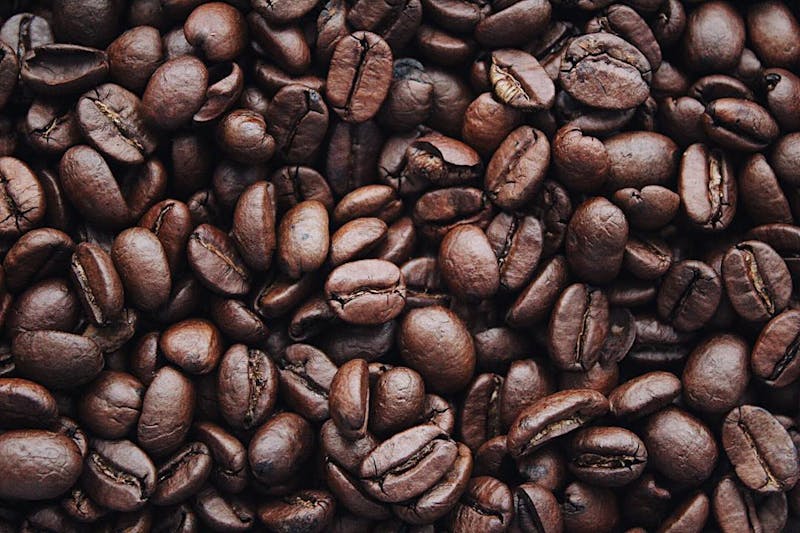
Why Vietnam Should Be on Every Coffee Lover's Travel List
- Unique Coffee Heritage: Vietnam transformed French colonial coffee traditions into something entirely its own, creating signature drinks and brewing methods found nowhere else on Earth
- Incredible Value: Premium coffee experiences that cost $8-12 in Western cities are available for $1-2 in Vietnam, making world-class coffee accessible to every traveler
- Coffee Diversity: From traditional ca phe sua da to innovative creations like egg coffee, coconut coffee, and yogurt coffee, there's endless variety to explore
- Plantation Access: Unlike most coffee-producing countries, Vietnam welcomes visitors to working plantations where you can see the entire process from cherry to cup
- Cultural Immersion: Coffee shops serve as Vietnam's social hubs—experiencing coffee culture means experiencing authentic Vietnamese daily life
- Year-Round Coffee Season: Vietnam's diverse climate means coffee can be harvested somewhere in the country almost year-round, with peak harvest September-February
The Remarkable History of Vietnamese Coffee
French Colonial Beginnings (1857-1954)
Coffee arrived in Vietnam in 1857 when French Catholic priests established the first plantations near Hanoi. The French initially planted Arabica coffee, hoping to supply France's growing coffee demand. However, Vietnam's tropical lowlands and humid climate proved challenging for the temperamental Arabica plant.
The solution came when growers switched to Robusta coffee, a hardier species that thrives in Vietnam's climate. Robusta contains nearly twice the caffeine of Arabica, has a stronger, more bitter flavor profile, and produces higher yields. By the 1920s, Vietnam was producing significant quantities of Robusta coffee, primarily for export to France.
During the French colonial period, coffee culture remained largely confined to French settlers and the Vietnamese elite. French-style cafes appeared in Hanoi and Saigon, but coffee was expensive and inaccessible to most Vietnamese people.
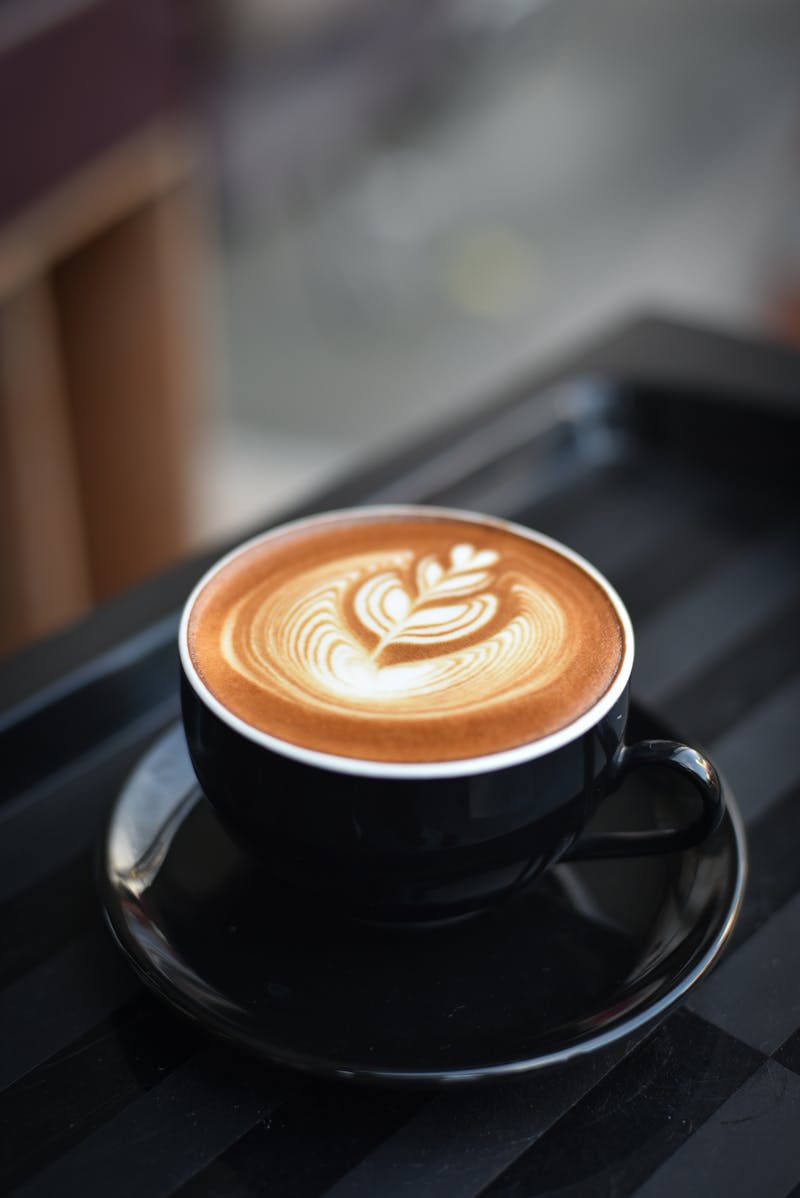
War Years and Coffee's Decline (1954-1975)
The First Indochina War (1946-1954) and subsequent division of Vietnam severely disrupted coffee production. Many plantations in the north were abandoned, and the industry contracted significantly. During the Vietnam War (1955-1975), coffee cultivation was a low priority as the country focused on survival.
However, this difficult period gave birth to one of Vietnam's most famous coffee innovations. In 1946, during a milk shortage in Hanoi, Nguyen Van Giang—a bartender at the Sofitel Legend Metropole Hotel—created egg coffee (ca phe trung) by whisking egg yolks with sugar and condensed milk to create a creamy foam. This ingenious adaptation became a Hanoi institution that thrives today.
The Coffee Boom (1975-Present)
After reunification in 1975, the Vietnamese government identified coffee as a strategic export crop. The Central Highlands region—particularly Dak Lak, Lam Dong, and Gia Lai provinces—became the focus of intensive coffee development. State support, favorable growing conditions, and farmers' hard work transformed Vietnam's coffee industry.
By the 1990s, Vietnam had become a major global coffee producer. The country's production soared from 1 million bags in 1990 to over 30 million bags today, making Vietnam the world's largest Robusta producer and second-largest coffee exporter overall (after Brazil).
This economic transformation made coffee affordable and accessible to all Vietnamese people. Coffee culture evolved from an elite luxury to a national pastime. Today, Vietnam produces approximately 1.7 million metric tons of coffee annually, accounting for about 40% of global Robusta production.
Robusta vs. Arabica: Understanding Vietnam's Coffee
Robusta Coffee (97% of Vietnamese production):
- Stronger, more bitter taste
- Higher caffeine content (2.2-2.7%)
- Thicker body and crema
- Grows at lower elevations (200-800m)
- More resistant to pests and disease
- Less expensive to produce
- Primary regions: Dak Lak, Gia Lai, Lam Dong (lowlands)
Arabica Coffee (3% of Vietnamese production):
- Smoother, more complex flavor
- Lower caffeine content (1.2-1.5%)
- Higher acidity, more nuanced taste
- Requires higher elevation (800-1,500m+)
- More delicate and expensive
- Primary regions: Da Lat, Son La, Dien Bien
The dominance of Robusta has profoundly shaped Vietnamese coffee culture. The bold bitterness of Robusta pairs perfectly with sweetened condensed milk—creating the signature taste of Vietnamese coffee that's beloved worldwide.
Iconic Vietnamese Coffee Drinks: Your Essential Guide
Ca Phe Sua Da (Iced Milk Coffee) - The National Drink
This is the quintessential Vietnamese coffee—the drink that defines the country's coffee culture and the one you'll see everywhere from street corners to upscale cafes.
What it is: Strong black coffee brewed through a phin filter over sweetened condensed milk, stirred vigorously, then poured over ice.
Taste profile: Intensely bold and slightly bitter from the Robusta coffee, balanced by sweet, creamy condensed milk. The combination creates a dessert-like beverage that's simultaneously energizing and refreshing.
Why condensed milk: Fresh milk was historically scarce in tropical Vietnam and spoiled quickly without refrigeration. Sweetened condensed milk provided shelf stability and became integral to Vietnamese coffee's identity. The thick sweetness perfectly balances Robusta's bitterness.
Price: 15,000-30,000 VND ($0.60-$1.20)
Where to try: Literally anywhere in Vietnam, but the most authentic experience is at traditional street cafes where you'll sit on low plastic stools watching daily life unfold.
Pro tip: Don't drink it too quickly! The slow pace of Vietnamese coffee is intentional—it's meant to be savored over conversation.
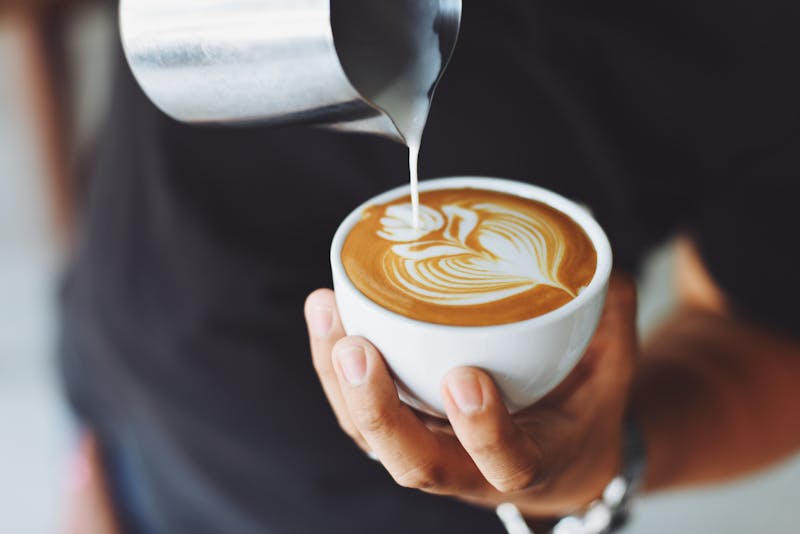
Ca Phe Trung (Egg Coffee) - Hanoi's Legendary Creation
Perhaps Vietnam's most famous coffee innovation, egg coffee was born from necessity during wartime and became a Hanoi institution that draws visitors from around the world.
History: Created in 1946 by Nguyen Van Giang during milk shortages. He experimented with whisking egg yolks, sugar, and condensed milk into a creamy foam to top coffee. The result was revolutionary.
How it's made: Egg yolks are vigorously whisked with sugar and condensed milk for several minutes until light, airy, and tripled in volume. This golden foam is spooned over strong black coffee brewed in a phin filter. The result is served hot in a small cup set in a bowl of warm water to maintain temperature.
Taste experience: The first sip tastes like liquid tiramisu—sweet, creamy, rich, with subtle coffee undertones. As you drink deeper into the cup, you encounter the powerful black coffee beneath, creating a delightful contrast between sweet cream and bitter coffee.
Texture: The egg foam has a mousse-like consistency that coats your tongue. It's surprisingly light despite being rich.
Must-visit locations in Hanoi:
- Giang Cafe (39 Nguyen Huu Huan St): The original, still run by the founder's family. Hidden down an alley, it's worth finding.
- Cafe Dinh (13 Dinh Tien Hoang St): Offers egg coffee with beautiful Hoan Kiem Lake views.
- Loading T Cafe (8D Hang Gai St): Modern take with Instagram-worthy presentation across multiple floors.
Price: 30,000-50,000 VND ($1.20-$2.00)
Pro tip: Order it hot (nong) rather than cold. The traditional preparation works best when the egg foam is warm and velvety.
Ca Phe Dua (Coconut Coffee) - Ho Chi Minh City's Innovation
A more recent creation that exploded in popularity across Vietnam, coconut coffee is the perfect tropical twist on traditional Vietnamese coffee.
Origin: Popularized in Ho Chi Minh City in the 2000s, particularly at Cong Caphe chains, and quickly spread nationwide.
How it's made: Coconut cream or coconut milk is whipped with sweetened condensed milk until smooth and frothy, then layered over iced black coffee. Some versions add shredded coconut or cocoa powder on top.
Taste experience: The coconut provides tropical sweetness and creamy texture that's lighter than condensed milk but equally delicious. The coconut flavor is subtle—it enhances rather than overwhelms the coffee.
Best locations:
- Cong Caphe (multiple locations): The chain that made coconut coffee famous, with vintage socialist-era decor.
- The Workshop (Ho Chi Minh City): Excellent specialty version.
- Now available at most modern Vietnamese cafes nationwide.
Price: 35,000-55,000 VND ($1.40-$2.20)
Perfect for: Those who find traditional Vietnamese coffee too strong or prefer dairy alternatives.
Ca Phe Den (Black Coffee) - For Purists
Simple, unadorned black coffee that lets you taste the true character of Vietnamese Robusta.
What it is: Coffee brewed through a phin filter with no milk or sugar, served hot (nong) or iced (da).
Flavor profile: Intensely bold, earthy, slightly bitter with chocolatey notes and hints of caramel. The thick body and high caffeine make this a serious coffee lover's choice.
Price: 12,000-25,000 VND ($0.50-$1.00)
Pro tip: Even Vietnamese people often add a small spoonful of sugar to balance the bitterness. There's no shame in this—Robusta is naturally more bitter than Arabica.
Bac Xiu (White Coffee) - The Gentle Option
The milder cousin of ca phe sua da, bac xiu contains more milk and less coffee, making it sweeter and less intense.
What it is: The reverse ratio of regular Vietnamese coffee—approximately 1 part coffee to 2 parts condensed milk, sometimes with fresh milk added.
Origin: The name comes from the Cantonese term "bak siu" meaning "white coffee."
Who it's for: Perfect for those sensitive to caffeine, children, or anyone who wants coffee flavor without the intensity.
Price: 20,000-35,000 VND ($0.80-$1.40)
Ca Phe Sua Chua (Yogurt Coffee) - The Adventurous Choice
One of Vietnam's more unusual coffee creations—coffee meets tangy Vietnamese yogurt in a surprisingly refreshing combination.
How it's made: Thick, sweetened Vietnamese yogurt (which is more dessert-like than Western yogurt) is layered at the bottom of a glass with ice, then black coffee is poured over. You stir it together before drinking.
Taste: The tangy yogurt balances the bitter coffee in unexpected ways. It's refreshing, unusual, and polarizing—most people either love it or hate it, but it's absolutely worth trying once.
Price: 25,000-45,000 VND ($1.00-$1.80)
Best time: Afternoon when you want something refreshing and energizing but not too heavy.
Mastering the Phin Filter: Vietnam's Coffee Ritual
Understanding the Phin
The phin (pronounced "fin") is a small metal coffee filter that's the heart of Vietnamese coffee culture. Unlike paper filters or espresso machines, the phin creates a slow-drip brewing process that's both meditative and practical.
Components of a phin:
- Bottom plate: A perforated disc that holds the coffee grounds and controls drip rate
- Brewing chamber: The cylindrical body where grounds sit during brewing
- Press plate: A removable disc that fits inside to compress grounds
- Top lid: A cap that retains heat during the brewing process
Materials: Traditionally made from aluminum, but stainless steel phins are superior—they don't affect flavor, conduct heat better, and last much longer.
Sizes: Individual phins typically hold 15-20g of coffee and produce 4-6oz of concentrated brew. Larger family-size phins are also available.

Step-by-Step: How to Brew Perfect Phin Coffee
Equipment needed:
- Phin filter
- Coarsely ground Vietnamese coffee (15-20g)
- Hot water (96°C/205°F)
- Glass or cup
- Sweetened condensed milk (optional)
Detailed brewing process:
Step 1: Prepare your cup
- If making ca phe sua da, add 2-3 tablespoons of sweetened condensed milk to your glass
- Place the phin on top of the glass or on the phin plate
- Have hot water ready (just below boiling)
Step 2: Add coffee grounds
- Remove the press plate from the phin
- Add 15-20g (2-3 tablespoons) of coarsely ground coffee to the chamber
- Shake gently to level the grounds—don't pack or press yet
Step 3: Bloom the coffee
- Pour a small amount (about 2 tablespoons) of hot water over the grounds
- Wait 20-30 seconds for the coffee to "bloom" and release gases
- You'll see the grounds expand and bubble slightly
Step 4: Insert the press and add water
- Place the press plate on top of the grounds
- Gently twist and press down with light pressure—not too tight!
- Fill the phin to the top with hot water (about 100-120ml)
- Place the lid on top to retain heat
Step 5: Wait for the magic
- The coffee should drip at approximately 1 drop per second
- Too fast (streaming)? Grounds are too coarse or press too loose—coffee will be weak
- Too slow (barely dripping)? Grounds too fine or press too tight—coffee may over-extract
- Total brew time: 4-5 minutes for optimal extraction
Step 6: Stir and serve
- Once dripping stops, remove the phin
- Stir the coffee vigorously with the condensed milk to combine
- Pour over a glass filled with ice for ca phe sua da
- Or enjoy hot for ca phe nong
Common Phin Brewing Mistakes and Solutions
Problem: Coffee drips too fast and tastes weak
- Solution: Use finer grind, add more coffee, or press plate more firmly
Problem: Coffee barely drips or stops completely
- Solution: Use coarser grind, less pressure on press plate, or hotter water
Problem: Coffee tastes bitter and over-extracted
- Solution: Use less coffee, coarser grind, or slightly cooler water
Problem: Coffee is inconsistent from cup to cup
- Solution: Measure coffee precisely (use a scale), ensure even tamping, check water temperature
Why the Phin Creates Superior Coffee
The phin's slow extraction method offers unique advantages:
Full flavor extraction: The 4-5 minute contact time pulls deep, bold flavors from Robusta beans that quick brewing methods miss.
Temperature stability: Metal conducts and retains heat throughout brewing, maintaining optimal extraction temperature.
No paper filter: Unlike pour-over methods, there's no paper to absorb coffee oils, resulting in a richer, fuller-bodied brew.
Portability: No electricity required—just coffee, hot water, and the phin. Perfect for Vietnam's street cafe culture.
Ritual and mindfulness: The slow process encourages patience and appreciation of the coffee-making ritual, central to Vietnamese coffee culture.
Easy to master: After a few attempts, anyone can brew excellent coffee with a phin.
Your Coffee Journey Through Vietnam: City by City
Hanoi: Where Tradition and Innovation Meet
Hanoi is Vietnam's coffee soul—a city where decades-old family cafes exist alongside cutting-edge specialty coffee shops, and where coffee culture is woven into the fabric of daily life.
Best areas for coffee in Hanoi:
Old Quarter (Hoan Kiem District) The historic heart of Hanoi is coffee central. Narrow streets are lined with tiny cafes, from traditional street-side operations to hidden multi-story establishments. Morning coffee here means watching motorbikes weave through ancient streets while locals start their day.
West Lake Area (Tay Ho District) More modern cafes with spacious seating, good Wi-Fi, and views over Hanoi's largest lake. Popular with expats and younger Vietnamese.
French Quarter Elegant cafes in colonial-era buildings, blending French architecture with Vietnamese coffee culture.
Must-visit Hanoi cafes:
Giang Cafe (Cafe Giang)
- Address: 39 Nguyen Huu Huan Street, Hoan Kiem District (hidden down narrow alley)
- Famous for: The original egg coffee, created here in 1946 by founder Nguyen Van Giang
- What to order: Ca phe trung nong (hot egg coffee) - don't miss the original recipe
- Atmosphere: Tiny family-run cafe with faded photos on walls, now run by third generation
- Price: 35,000 VND
- Best time: Morning or early afternoon before crowds arrive
- Pro tip: It's genuinely hard to find—look for the small sign and walk through the narrow alley. Worth the hunt!
Cafe Dinh
- Address: 13 Dinh Tien Hoang Street, Hoan Kiem District
- Famous for: Egg coffee with stunning Hoan Kiem Lake views
- Atmosphere: Multiple floors with balcony seating overlooking the lake
- Price: 30,000 VND
- Best time: Sunset for beautiful light on the lake
- What makes it special: Less touristy than Giang, beloved by locals
Loading T Cafe
- Address: 8D Hang Gai Street, Hoan Kiem District (in the silk street)
- Famous for: Modern interpretation of egg coffee across five stylish floors
- Atmosphere: Each floor has different decor—industrial, vintage, minimalist. Very Instagram-friendly
- Price: 50,000 VND
- Perfect for: Escaping heat (air-conditioned), working with Wi-Fi, stylish photos
Cafe Pho Co (Coffee of the Old Town)
- Address: 11 Hang Gai Street, Hoan Kiem District
- Famous for: Hidden rooftop cafe with panoramic lake views
- How to find: Enter through a silk shop, take stairs up through residential building (don't worry, you're in the right place!)
- Price: 40,000 VND
- View: Best panoramic views of Hoan Kiem Lake in all of Hanoi
- Best time: Early morning or late afternoon
Tranquil Books & Coffee
- Address: 5 Nguyen Quang Bich Street, Hoan Kiem
- Famous for: Quiet garden courtyard setting, excellent book selection
- Atmosphere: Peaceful escape from Old Quarter chaos, indoor and outdoor seating
- Price: 45,000-60,000 VND
- Perfect for: Reading, relaxing, thoughtful conversation
Note Coffee
- Multiple locations: Ly Quoc Su St, Thai Ha St, and others
- Famous for: High-quality beans, excellent pour-over coffee
- Atmosphere: Modern, minimal design, serious about coffee quality
- Price: 50,000-80,000 VND
- For: Specialty coffee enthusiasts who want more than traditional Vietnamese styles

Ho Chi Minh City (Saigon): Modern Coffee Innovation Hub
Saigon's coffee scene is dynamic, diverse, and constantly evolving. This is where coffee trends start, where traditional meets experimental, and where you'll find everything from motorbike coffee vendors to high-end specialty roasters.
Best coffee districts in Saigon:
District 1 (City Center) Where tourists and locals converge—highest concentration of famous cafes and international-style coffee shops.
District 2 (Thao Dien) Expat-heavy neighborhood with Western-style specialty cafes, brunch spots with excellent coffee.
District 3 More residential, quieter cafes popular with locals and students.
Must-visit Saigon cafes:
The Workshop
- Main location: 27 Ngo Duc Ke Street, District 1 (multiple other locations)
- Famous for: Specialty coffee with serious barista skills, coconut coffee innovation
- Atmosphere: Industrial-chic design, exposed brick, Edison bulbs, minimal decor
- Coffee quality: Among the best in Vietnam—they run barista training programs
- What to order: Coconut coffee or single-origin pour-over
- Price: 50,000-80,000 VND
- Perfect for: Coffee professionals, those seeking Western-style specialty coffee
Cong Caphe
- Multiple locations: Throughout Saigon and all major Vietnamese cities
- Famous for: Coconut coffee in vintage communist propaganda-themed setting
- Atmosphere: Socialist-era posters, green military uniforms, hammocks, nostalgic Vietnamese music
- Cultural context: Ironically nostalgic take on communist aesthetics, now trendy with young Vietnamese
- Price: 45,000-60,000 VND
- Don't miss: Coconut coffee (ca phe dua) and the unique photo opportunities
Saigon Oi
- Address: 86 Tran Dinh Xu Street, District 1
- Famous for: Time-machine atmosphere of 1980s Saigon
- Decor: Vintage furniture, old televisions, faded posters, feels like someone's grandmother's house
- Price: 35,000-50,000 VND
- Experience: Less about coffee innovation, more about nostalgic atmosphere
- Best for: Understanding Vietnamese nostalgia for pre-renovation era
The Hideout
- Address: 31D Nguyen Thi Minh Khai Street, District 3
- Famous for: Lush garden oasis in central Saigon
- Atmosphere: Tropical plants everywhere, natural wood, peaceful despite urban location
- Coffee: Solid traditional and modern Vietnamese styles
- Price: 55,000-75,000 VND
- Perfect for: Escaping Saigon's chaos, enjoying nature with your coffee
L'Usine
- Locations: 151 Dong Khoi Street, District 1 and others
- Famous for: French-Vietnamese concept store with café
- Atmosphere: Minimalist industrial design, gallery-like space, attached boutique
- Coffee: Excellent espresso and traditional Vietnamese options
- Price: 60,000-90,000 VND
- Perfect for: Stylish work sessions, shopping for design goods
Apartment Cafes (Cafe Apartment) Address: 42 Nguyen Hue Boulevard, District 1 (entire building is cafes) Concept: Nine-story apartment building where nearly every unit is a different cafe or shop Experience: Explore multiple floors, each with unique theme and menu Why it's special: Represents Saigon's creative cafe culture perfectly Price: Varies by cafe, 40,000-80,000 VND average
Da Nang: Beach City Coffee Culture
While not as famous for coffee as Hanoi or Saigon, Da Nang offers excellent cafes with beach and river views.
Must-visit Da Nang cafes:
43 Factory Coffee Roaster
- Address: K280/23 Nguyen Van Linh Street
- Famous for: Specialty coffee roasting, Vietnamese and international beans
- Price: 45,000-70,000 VND
Cong Caphe Da Nang
- Address: 150 Bach Dang Street (beachfront location)
- Famous for: Coconut coffee with ocean views
- Perfect for: Watching sunrise over My Khe Beach
Da Lat: Vietnam's Coffee Capital
Located at 1,500 meters elevation in the Central Highlands, Da Lat is where Vietnamese coffee is born. The cool climate, misty mountains, and rich volcanic soil create perfect conditions for coffee cultivation. This is where you transition from consumer to student of coffee.
Why Da Lat is special for coffee lovers:
- Surrounded by working coffee plantations you can visit
- Cool climate grows rare Vietnamese Arabica coffee
- Direct access to fresh-roasted beans at source prices
- Coffee culture integrated into mountain town atmosphere
- Home to indigenous K'ho people's coffee traditions
Must-visit Da Lat cafes and experiences:
K'Ho Coffee
- Location: Hoang Dieu Street, Ward 7, Da Lat
- What it is: Social enterprise coffee cooperative run by indigenous K'ho people
- Famous for: Ethical, single-origin specialty coffee
- Cultural importance: Supports indigenous community's traditional coffee cultivation
- Coffee quality: Exceptional—some of Vietnam's finest Arabica beans
- Price: 35,000-50,000 VND
- What to buy: Their packaged beans make excellent, meaningful souvenirs
Me Linh Coffee Garden
- Location: Suoi Vang, Ward 12, Da Lat (5km from center)
- Type: Working coffee plantation with free self-guided tours
- What you'll see: Coffee plants at various growth stages, processing facilities, drying grounds
- Cost: Free entry, coffee 20,000-30,000 VND
- Best time: Early morning (7-10am) when workers are processing coffee
- Don't miss: Fresh-roasted beans available for purchase at source prices
Windmills Cafe
- Address: 36 Ly Tu Trong Street, Ward 2
- Famous for: Stunning valley views, multiple photogenic levels
- Atmosphere: Windmill decorations, each floor has different vibe
- Best time: Sunset for golden light over pine forests
- Price: 30,000-45,000 VND
Cafe Tung
- Address: 2 Nguyen Chi Thanh Street, Ward 1
- Famous for: Traditional Da Lat coffee, authentic family-run atmosphere
- Type: Local favorite, not touristy
- Price: 25,000-40,000 VND
- What to order: Hot black coffee—perfect for Da Lat's cool mornings
Da Lat Train Villa Cafe
- Location: Inside Da Lat's historic train station
- Unique feature: Sip coffee inside restored 1960s train carriages
- Atmosphere: Vintage railway nostalgia, great for photos
- Price: 35,000-50,000 VND
Central Highlands Plantation Tours: From Cherry to Cup
The Central Highlands region (Tay Nguyen) produces approximately 80% of Vietnam's coffee. Visiting a working plantation offers insights you simply can't get anywhere else.
Major Coffee Growing Regions
Dak Lak Province (Capital: Buon Ma Thuot)
- Vietnam's largest coffee-producing province
- Known as "the coffee capital of Vietnam"
- Primarily Robusta cultivation
- Home to the annual Buon Ma Thuot Coffee Festival (March)
Lam Dong Province (Capital: Da Lat)
- Higher elevation allows Arabica cultivation
- Known for quality over quantity
- More accessible for tourists from Da Lat base
Gia Lai Province
- Significant Robusta production
- Less developed for tourism
- More authentic, off-beaten-path experiences
What You'll Learn on a Plantation Tour
Coffee cultivation cycle:
- Planting and growth (3-4 years before first harvest)
- Flowering (triggered by first rain after dry season)
- Cherry development (green to yellow to red when ripe)
- Harvesting methods (hand-picking vs. mechanical)
Processing methods:
- Wet processing: Washing coffee cherries to remove fruit
- Dry processing: Sun-drying whole cherries before hulling
- Fermentation: Breaking down mucilage layer
- Hulling: Removing parchment layer to reveal green beans
Roasting:
- Green bean sorting and grading
- Roasting temperatures and times
- Differences between light, medium, and dark roasts
- How Vietnamese prefer darker roasts for bold flavor
Quality control:
- Bean grading (size, density, defects)
- Cupping (professional tasting)
- Storage and aging
Recommended Plantation Tour Experiences
Me Linh Coffee Garden (Da Lat) - Self-Guided
- Type: Free self-guided walking tour
- Duration: 1-2 hours
- Cost: Free entry, optional purchases
- What's included: Walk through active plantation, see processing equipment, coffee tasting
- Languages: Signs in Vietnamese and English
- Best for: Independent travelers, photography, casual learning
- Getting there: Taxi or motorbike (5km from Da Lat center)
K'Ho Coffee Cooperative (Lat Village) - Guided
- Type: Indigenous community-led guided tour
- Duration: 3-4 hours (half day)
- Cost: 150,000-300,000 VND per person depending on group size
- What's included: Village visit, traditional cultivation methods, roasting demonstration, cupping session, lunch
- Cultural value: Learn from indigenous K'ho people who've cultivated coffee for generations
- Best for: Those interested in cultural tourism and ethical coffee
- Booking: Through Da Lat tour agencies or directly with K'Ho Coffee
Trung Nguyen Coffee Village (Buon Ma Thuot)
- Type: Commercial coffee museum and plantation
- Duration: 2-3 hours
- Cost: 50,000 VND entry
- What's included: Museum exhibits on Vietnamese coffee history, plantation walk, multiple coffee tastings
- Best for: Comprehensive overview of Vietnamese coffee industry
- Note: More touristy but very informative
Full-Day Coffee Tours from Da Lat Many travel agencies offer comprehensive coffee tours:
- Duration: 6-8 hours
- Cost: 500,000-800,000 VND per person
- What's included: Transportation, English-speaking guide, visits to 2-3 plantations, lunch, extensive tastings, fresh bean purchases
- Best for: Those wanting in-depth experience without logistics hassle
- Book through: Da Lat Easy Rider, Groovy Gecko Tours, or hotel concierge
Best Time for Plantation Tours
Coffee Harvest Season: September to February
- Peak: October to December
- See active harvesting, processing in full swing
- Most educational as all stages are visible
- Fresh crop means best tasting experiences
Flowering Season: March to April
- See white coffee blossoms covering trees (beautiful for photos)
- Understand how flowers become coffee cherries
Dry Season: December to March
- Best weather for touring plantations
- Clear mountain views in Da Lat
- Comfortable temperatures for walking
Rainy Season: May to November
- Fewer tourists, more authentic experience
- Lush green landscapes
- May encounter muddy paths
What to Bring on Plantation Tours
- Sun protection: Hat, sunscreen (high altitude sun is strong)
- Comfortable walking shoes: Paths can be uneven or muddy
- Light jacket: Da Lat highlands are cool, especially morning/evening
- Cash: For purchasing beans and tipping guides
- Camera: Incredible photo opportunities
- Notebook: You'll learn a lot worth remembering
- Water bottle: Stay hydrated while walking
Bringing Vietnam Coffee Home: Buying Guide
Best Coffee Brands to Buy
Trung Nguyen
- Vietnam's most famous coffee brand, founded 1996
- Available nationwide at supermarkets, their cafes, and airports
- Best products:
- Creative 3: Blend of Arabica, Robusta, and Culi beans—smooth and balanced
- Premium Blend No. 1: Strong traditional Vietnamese coffee
- G7 Instant: Convenient instant coffee (surprisingly good)
- Price: 100,000-200,000 VND per 500g bag
- Where to buy: Any supermarket, Trung Nguyen cafes, airport
Highlands Coffee
- Major Vietnamese cafe chain with quality beans
- Modern packaging makes good gifts
- Best products:
- Da Lat Arabica: Rare Vietnamese Arabica, smooth and complex
- Robusta Blend: Traditional strong Vietnamese coffee
- Price: 120,000-180,000 VND per 500g
- Where to buy: Highlands Coffee shops, airports, supermarkets
K'Ho Coffee
- Indigenous cooperative, ethical and high quality
- Single-origin specialty coffee
- Best products:
- K'Ho Arabica: Exceptional quality, worth the premium price
- Robusta: Traditional highland Robusta
- Price: 150,000-250,000 VND per 250-500g
- Where to buy: K'Ho Coffee locations in Da Lat, their website
- Why special: Supports indigenous community, traceable to specific farms
Shin Coffee (Da Lat)
- Specialty micro-roaster in Da Lat
- Small-batch roasting, very fresh
- Best products: Single-origin Arabica from specific Da Lat farms
- Price: 180,000-250,000 VND per 250g
- Where to buy: Shin Coffee cafe in Da Lat
- Best for: Coffee connoisseurs wanting premium beans
La Viet Coffee
- Specialty coffee brand focused on quality
- Modern packaging, good gift option
- Price: 140,000-200,000 VND per 250g
- Where to buy: Select cafes, online
Local Market Coffee (Da Lat and Buon Ma Thuot)
- Fresh-roasted beans from small local roasters
- Best prices, very fresh
- Price: 60,000-120,000 VND per 500g
- Where to buy: Local markets, small roasters
- Best for: Budget-conscious buyers who want authenticity
- Caution: Quality varies—look for busy shops with high turnover
Buying a Phin Filter
Types of Phins:
- Aluminum: Lightweight, cheap (20,000-30,000 VND), but can affect taste
- Stainless steel: Better quality, doesn't affect flavor, lasts forever (40,000-60,000 VND)
- Size: Individual (standard) or family-size (2-4 servings)
Where to buy:
- Any Vietnamese coffee shop (just ask)
- Kitchen supply stores
- Markets (Ben Thanh in Saigon, Dong Xuan in Hanoi)
- Airport gift shops (convenient but 2-3x more expensive)
What to look for:
- Stainless steel construction
- Tight-fitting press plate
- Fine perforations in bottom plate (slower, better extraction)
- Avoid cheap aluminum versions if possible
Pro tip: Buy multiple phins—they make excellent gifts for coffee-loving friends at home and are very packable.
Packing Coffee for International Travel
Carry-on or checked luggage?
- Carry-on: Allowed, but customs may inspect powder-like coffee grounds
- Checked luggage: Safer option, less scrutiny, no liquid restriction concerns
Packing tips:
- Keep coffee in original sealed bags if possible
- Double-bag in ziplock bags to prevent smell from permeating luggage
- Protect beans from crushing by surrounding with clothes
- Vacuum-sealed bags are ideal for freshness and pack flat
Customs considerations:
- Most countries allow coffee for personal use (check your country's regulations)
- Keep receipts to prove purchase for personal consumption
- Avoid bringing excessive quantities that suggest commercial import
Freshness tips:
- Buy coffee as close to departure as possible
- Whole beans stay fresh longer than ground coffee
- Once home, store in airtight container away from light and heat
- Use within 2-3 months for best flavor
How to Order Coffee Like a Local
Essential Vietnamese Coffee Phrases
Ordering:
- "Cà phê sữa đá, cho tôi" = Iced milk coffee, please (ka-FEH soo-ah DAH, cho TOY)
- "Một cà phê đen nóng" = One hot black coffee (MOT ka-FEH den NOM)
- "Cà phê trứng, cho tôi" = Egg coffee, please (ka-FEH chung, cho TOY)
- "Bạc xỉu, đá" = White coffee, iced (bak SEE-oo, dah)
Customizing:
- "Ít đường" = Less sugar (EET doo-ung)
- "Không đường" = No sugar (KHOM doo-ung)
- "Ít đá" = Less ice (EET dah)
- "Nhiều đá" = More ice (NYEW dah)
Asking for the bill:
- "Tính tiền" = Check please (TIN tee-EN)
- "Bao nhiêu tiền?" = How much? (bow NYEW tee-EN)
Polite additions:
- "Cảm ơn" = Thank you (kam UN)
- "Xin chào" = Hello (sin CHOW)
Coffee Etiquette in Vietnam
Sitting duration: It's completely acceptable to sit for hours with just one drink. Cafes are social spaces, not fast-turnover operations.
Payment timing: At traditional cafes, pay when you leave, not when you order. At modern chains, you typically order and pay upfront at the counter.
Calling for service: Raise your hand slightly and make eye contact with staff. Don't snap fingers or shout—it's considered rude.
Tipping: Not required at street cafes, but appreciated (5,000-10,000 VND). Modern cafes sometimes have tip jars.
Sharing tables: At crowded street cafes, sharing tables with strangers is normal. A polite nod is sufficient greeting.
Phone use: Using phones and laptops in cafes is completely acceptable and common.
Taking photos: Generally fine, but be respectful of other customers. Ask permission before photographing people.
Traditional Street Cafe vs. Modern Cafe Culture
Street Cafes (Cà Phê Vỉa Hè):
- Seating: Tiny plastic stools, low tables, often on sidewalk
- Atmosphere: Loud, chaotic, authentic street life
- Service: Minimal—order, coffee arrives, pay when leaving
- Wi-Fi: Rarely available (intentionally unplugged experience)
- Clientele: Primarily local Vietnamese, mostly men
- Price: 12,000-25,000 VND
- Best for: Cultural immersion, people-watching, authentic experience
- When to go: Early morning or late afternoon
Modern Cafes:
- Seating: Comfortable chairs, air conditioning, multiple floors
- Atmosphere: Quieter, designed spaces, often Instagram-friendly
- Service: More attentive, menu variety, food options
- Wi-Fi: Always available with password
- Clientele: Mixed locals and tourists, students, professionals
- Price: 40,000-80,000 VND
- Best for: Working, meetings, escaping heat, comfortable extended stays
- When to go: Anytime
Pro tip: Experience both! Street cafes in the morning for authentic culture, modern cafes in the afternoon when you need air conditioning and Wi-Fi.
Vietnamese Coffee and Daily Life
Coffee as Social Ritual
In Vietnam, coffee is fundamentally social. It's rarely consumed alone in a rush—it's an invitation to pause, connect, and observe life.
Morning coffee: Often consumed on the way to work at street-side stands or small neighborhood cafes. Groups of friends meet before starting their day.
Afternoon coffee: Break from heat and work. Longer sitting sessions, often combined with people-watching.
Evening coffee: Less common (due to caffeine) but still happens, especially among younger Vietnamese. Cafes stay open late.
Coffee meetings: Business and personal meetings often happen over coffee rather than in offices. It's neutral ground.
Student culture: Cafes are de facto study halls and group project meeting spaces.
Dating: Coffee is the default first date in Vietnam—low-pressure, affordable, time-flexible.
Coffee and Vietnamese Values
Patience: The slow phin filter embodies Vietnamese appreciation for patience and proper process.
Community: Shared seating and sidewalk cafes reflect Vietnam's collective culture.
Adaptability: Innovations like egg coffee and coconut coffee show Vietnamese creativity in making foreign influences distinctly their own.
Accessibility: Coffee culture spans all economic classes—from street vendors to luxury cafes, everyone participates.
Balance: The combination of strong coffee and sweet milk represents Vietnamese pursuit of balance between opposing forces.
Best Time to Experience Vietnamese Coffee Culture
By Season
September to November (Autumn) - Best Overall
- Pleasant weather nationwide
- Da Lat coffee harvest season (see plantations in action)
- Comfortable for outdoor street cafe sitting
- Clear skies for mountain plantation visits
- Less rainfall, good for touring
December to February (Cool/Dry Season) - Best for Hot Coffee
- Perfect for hot coffee drinks in Hanoi (actually cool in winter)
- Da Lat is cold—ideal for steaming coffee in mountain cafes
- Least rain, excellent for exploring
- Peak tourist season (busier but better weather)
March to May (Hot Season) - Peak Iced Coffee Time
- Hot weather makes iced coffee perfect
- Can be uncomfortably hot in Saigon (40°C/104°F possible)
- Da Lat stays pleasant
- Good time for plantation visits before rainy season
June to August (Rainy Season) - Most Authentic
- Afternoon rains create cozy cafe atmosphere
- Egg coffee tastes especially good on rainy days
- Fewer tourists, more authentic local experiences
- Plantations are lush and green
- May encounter muddy plantation paths
By City
Hanoi Coffee: Best November to March (dry, cooler weather) Ho Chi Minh City: Best December to April (less rain) Da Lat Plantations: Best September to February (harvest season) Buon Ma Thuot: Best October to January (peak harvest, coffee festival in March)
Coffee Festival
Buon Ma Thuot Coffee Festival: Held every two years in March in Dak Lak Province
- Largest coffee celebration in Vietnam
- Coffee competitions, plantation tours, cultural performances
- Industry exhibitions and coffee product displays
- Worth planning your trip around if timing aligns
Practical Information for Coffee Travelers
Daily Coffee Budget
Budget traveler: 30,000-60,000 VND ($1.20-$2.40) per day
- 2 street cafe coffees
- Authentic local experience
Mid-range traveler: 100,000-150,000 VND ($4-$6) per day
- Mix of street and modern cafes
- Try special drinks like egg and coconut coffee
- Occasional specialty cafe
Comfort traveler: 200,000-300,000 VND ($8-$12) per day
- Multiple modern and specialty cafes
- Plantation tour
- Premium coffee purchases
Health and Safety
Caffeine content: Vietnamese coffee is extremely strong (Robusta has 2x Arabica's caffeine). Be cautious if you're sensitive to caffeine.
Sleep disruption: Avoid coffee after 2pm if you're caffeine-sensitive—it can definitely affect sleep.
Stomach sensitivity: The high acidity and strength can bother sensitive stomachs. Start with bac xiu (white coffee) if concerned.
Ice safety: Ice in Vietnam is generally safe in cities and established cafes (industrial ice is clean). If very cautious, order coffee without ice.
Condensed milk: Very sweet and high in sugar/calories. If diabetic or watching sugar, order black coffee (ca phe den).
Transportation to Coffee Regions
To Da Lat:
- Flight from Hanoi or HCMC to Lien Khuong Airport (30km from Da Lat) - 1 hour
- Bus from HCMC - 7-8 hours (sleeper buses available)
- Private car/van - More comfortable, 6-7 hours from HCMC
To Buon Ma Thuot:
- Flight from Hanoi or HCMC to Buon Ma Thuot Airport - 1.5 hours
- Bus from HCMC - 10-12 hours (overnight sleeper recommended)
- Less touristy than Da Lat, more authentic coffee experience
Getting around coffee regions:
- Rent motorbike (most flexible for plantation visits)
- Hire car with driver (comfortable for longer tours)
- Join organized coffee tours (easiest, most informative)
Where to Stay for Coffee Lovers
Hanoi: Stay in Old Quarter (Hoan Kiem District) for walking access to best cafes
Ho Chi Minh City: District 1 (central) or District 2/Thao Dien (trendy cafes)
Da Lat: Stay in city center near Xuan Huong Lake for easy cafe access and plantation tour departures
Buon Ma Thuot: City center near town square (less tourist infrastructure than Da Lat)
Beyond Coffee: Complete the Experience
Vietnamese Coffee Alternatives
While coffee dominates, Vietnam offers excellent alternatives:
Trà đá (Iced tea): Free at most restaurants, refreshing, hydrating
Trà sen (Lotus tea): Premium green tea scented with lotus flowers—subtle, elegant
Trà gừng (Ginger tea): Hot ginger tea, perfect for cool Da Lat mornings
Trà chanh (Lemon tea): Fresh lemon with tea, hot or cold, very refreshing
Nước mía (Sugarcane juice): Sweet, hydrating street drink
Sinh tố (Smoothies): Fruit smoothies with condensed milk—Vietnam's coffee culture extends to these too!
Food Pairings with Vietnamese Coffee
Bánh mì: The iconic Vietnamese sandwich pairs perfectly with morning coffee
Phở: Many Vietnamese start their day with phở and coffee
Bánh bao: Steamed buns (savory or sweet) are common coffee accompaniments
Yogurt (sữa chua): Vietnamese yogurt with coffee beans or liquid coffee—delicious!
French pastries: Vietnam's French heritage means excellent croissants and baguettes at many cafes
Bánh pía: Flaky pastries filled with mung bean or durian—Southern Vietnamese coffee accompaniment
Conclusion: Your Vietnamese Coffee Journey Awaits
Vietnamese coffee culture offers something truly special—a perfect blend of history, innovation, ritual, and community that creates experiences you simply cannot find anywhere else in the world. From your first sip of perfectly balanced ca phe sua da at a chaotic Hanoi street corner to watching the sun rise over misty coffee plantations in Da Lat, Vietnam's coffee journey is transformative.
What makes Vietnamese coffee unforgettable isn't just the bold Robusta beans or the meditative phin filter—it's the entire context. It's the elderly man sitting alone with his morning coffee, watching the world wake up. It's the group of students laughing over coconut coffee in a vintage-themed cafe. It's the indigenous farmer explaining how her family has grown coffee for generations. It's the moment you realize that coffee in Vietnam isn't just a beverage—it's a lens through which to understand Vietnamese life.
Final Tips for Your Coffee Journey
Do:
- Try at least one coffee you've never heard of
- Visit both street cafes and modern specialty shops
- Take a plantation tour if you visit Da Lat or Buon Ma Thuot
- Buy fresh beans and a phin filter to take home
- Sit for hours—that's the Vietnamese way
- Talk to locals about coffee—they'll love sharing their favorites
Don't:
- Rush the phin filter process
- Skip the street cafes thinking modern cafes are "better"
- Drink multiple strong coffees if you're caffeine-sensitive
- Forget to ask for "ít đường" (less sugar) if condensed milk is too sweet
- Miss the egg coffee in Hanoi—it's legendary for a reason
- Leave without buying coffee to recreate the experience at home
Bringing Vietnam's Coffee Culture Home
The beauty of Vietnamese coffee is that you can recreate significant parts of the experience at home. Buy a quality stainless steel phin filter (around $5), get fresh Vietnamese coffee beans, pick up some sweetened condensed milk, and you have everything you need. Every morning, as the coffee slowly drips through your phin, you'll be transported back to that Hanoi alleyway or Da Lat mountain cafe.
But more importantly, embrace the Vietnamese coffee mindset: slow down, savor the process, and use coffee time as an opportunity to connect—with others, with your surroundings, or with yourself. This is Vietnam's gift to the coffee world, and it's one you can carry with you long after your trip ends.
Vietnam's coffee culture is waiting. Your phin filter is ready. Let the slow drip begin.
Ca phe nào! (Let's have coffee!)