

Preserve Your Vietnam Memories
Turn your travel photos into beautiful custom magnets
A unique service available throughout Vietnam - simply send your favorite travel shots and receive beautiful, high-quality magnets at budget-friendly prices. Perfect for sharing with friends or decorating your space with travel memories.
Contact us on:
Vietnamese Coffee Culture: From Cà Phê Sữa Đá to Egg Coffee
Vietnam is not just a country—it's a coffee experience. As the world's second-largest coffee exporter, Vietnam has cultivated a coffee culture that's as rich and robust as the brew itself. From the iconic drip coffee served in bustling street-side cafes to the Instagram-famous egg coffee in Hanoi's hidden alleyways, Vietnamese coffee is an essential part of the country's identity.
What makes Vietnamese coffee special isn't just the beans or the brewing method—it's the entire ritual. It's about slowing down in a fast-paced world, watching the dark liquid slowly drip through the traditional phin filter, and savoring each sip while observing daily life unfold around you. Whether you're perched on a tiny plastic stool at a sidewalk cafe or relaxing in a trendy urban coffee shop, coffee in Vietnam is an invitation to pause, connect, and experience local life.
In this comprehensive guide, we'll explore the fascinating history of Vietnamese coffee, dive deep into iconic drinks like cà phê sữa đá (iced milk coffee), cà phê trứng (egg coffee), and cà phê dừa (coconut coffee), discover the unique brewing methods that make Vietnamese coffee distinct, and guide you to the best cafes across Hanoi, Ho Chi Minh City, and Da Lat.
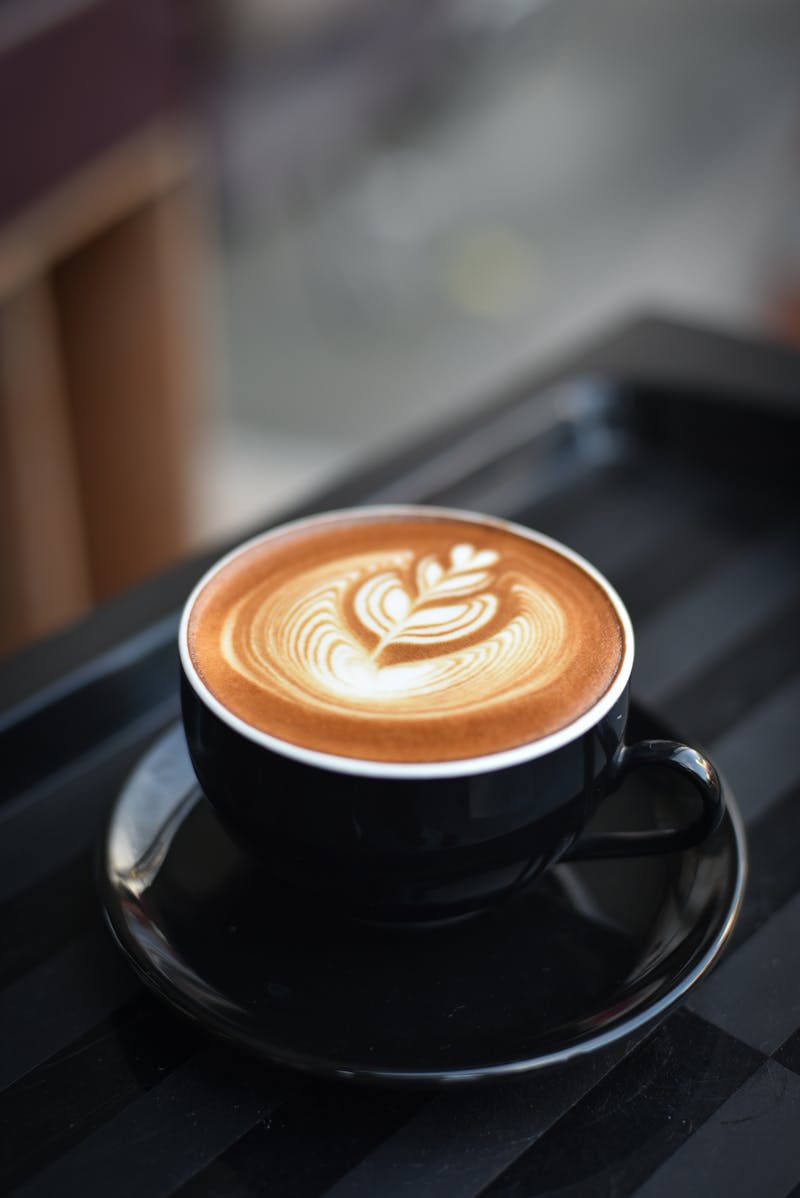
Why Experience Vietnamese Coffee Culture
- Unique Coffee Heritage: Vietnam has transformed French colonial coffee traditions into something distinctly Vietnamese, creating signature drinks and brewing methods found nowhere else in the world
- Affordable Luxury: Premium coffee experiences that would cost $8-10 elsewhere are available for just 25,000-50,000 VND ($1-2), making it accessible to everyone
- Cultural Immersion: Coffee shops in Vietnam serve as social hubs where locals gather, work, and connect—experiencing this is experiencing authentic Vietnamese daily life
- Incredible Variety: From traditional phin filter coffee to innovative creations like egg coffee, coconut coffee, and yogurt coffee, there's always something new to discover
- Coffee Tourism: Cities like Da Lat offer coffee plantation tours where you can see beans being grown, roasted, and processed firsthand
The History of Vietnamese Coffee
French Colonial Origins (1857)
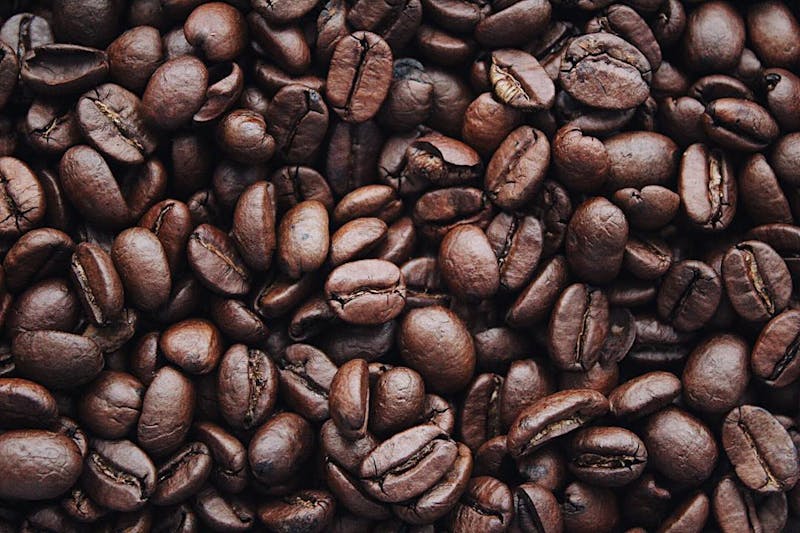
Coffee first arrived in Vietnam in 1857, brought by French Catholic priests who established the first coffee plantations in the northern provinces. The French introduced Arabica coffee initially, but the Vietnamese climate and soil proved more suitable for the hardier Robusta variety, which now accounts for 97% of Vietnam's coffee production.
During the French colonial period (1887-1954), coffee culture took root primarily among the French settlers and Vietnamese elite. The French-style cafe culture influenced early Vietnamese coffee shops, but over time, Vietnamese coffee evolved its own distinct identity.
Post-War Coffee Revolution (1975-Present)
After reunification in 1975, Vietnam's coffee industry experienced dramatic growth. The government promoted coffee cultivation as a major agricultural export, particularly in the Central Highlands region (Đắk Lắk, Lâm Đồng, Gia Lai). By the 1990s, Vietnam had become the world's second-largest coffee producer after Brazil.
This economic boom transformed coffee from a colonial luxury to a national beverage. Today, Vietnam produces nearly 30 million bags of coffee annually, and coffee culture permeates every level of Vietnamese society—from street vendors selling coffee from modified motorbikes to sophisticated specialty coffee shops in urban centers.
The Robusta Difference
Unlike most coffee-producing countries that focus on Arabica beans, Vietnam specializes in Robusta coffee. Robusta beans contain nearly twice the caffeine of Arabica, have a stronger, more bitter flavor, and create a thicker, heavier body. This bold profile perfectly matches Vietnamese preferences and has shaped the unique flavor profile of Vietnamese coffee drinks.
While Arabica coffee is prized for its nuanced flavors and acidity, Robusta's intense bitterness pairs beautifully with sweetened condensed milk—the signature combination that defines Vietnamese coffee. The result is a drink that's simultaneously strong, sweet, and incredibly satisfying.
Iconic Vietnamese Coffee Drinks
Cà Phê Sữa Đá (Iced Milk Coffee)
The most iconic Vietnamese coffee drink, cà phê sữa đá combines strong black coffee with sweetened condensed milk served over ice. This is the default "Vietnamese coffee" you'll find around the world, but tasting it in Vietnam is an entirely different experience.
How it's made: Dark roasted Robusta coffee is brewed through a phin filter directly over 2-3 tablespoons of sweetened condensed milk. Once the coffee finishes dripping (about 5 minutes), it's stirred thoroughly and poured over a glass filled with ice.
Why it's special: The sweetened condensed milk isn't just a sweetener—it's an essential ingredient that balances the intense bitterness of Vietnamese Robusta coffee. The combination creates a creamy, dessert-like drink that's refreshing in Vietnam's tropical heat.
Where to try it: Literally anywhere in Vietnam, but the best experience is at traditional street-side cafes where you sit on low plastic stools and watch the world go by.
Price: 15,000-30,000 VND ($0.60-$1.20)

Cà Phê Đen (Black Coffee)
For those who want to taste the pure essence of Vietnamese coffee, cà phê đen is the way to go. This is simply black coffee brewed through a phin filter, served either hot (nóng) or iced (đá), with no milk or sugar (though sugar is usually available on the side).
Flavor profile: Expect an intensely bold, slightly bitter, and earthy flavor with chocolatey notes. The thick body and high caffeine content make this a serious coffee drinker's choice.
Pro tip: If the bitterness is too intense, add a small spoonful of sugar and stir well. Many Vietnamese drink their black coffee with a touch of sugar to balance the Robusta's natural bitterness.
Price: 12,000-25,000 VND ($0.50-$1.00)
Cà Phê Trứng (Egg Coffee)
Perhaps the most famous Vietnamese coffee innovation, egg coffee was invented in Hanoi in the 1940s by Nguyen Van Giang when milk was scarce. He created a creamy topping using egg yolks, sugar, and condensed milk whipped into a meringue-like foam.
How it's made: Egg yolks are whisked vigorously with sugar and condensed milk until they become light, airy, and tripled in volume. This golden foam is then spooned over a cup of strong black coffee, creating distinct layers.
Taste experience: The first sip is like drinking liquid tiramisu—sweet, creamy, and rich with a subtle coffee flavor underneath. As you drink deeper, you encounter the strong black coffee at the bottom, creating a beautiful contrast between sweet and bitter.
Where to try it: Giang Cafe in Hanoi (the original), Cafe Dinh, or Loading T Cafe. Many modern cafes now offer their own versions.
Price: 30,000-50,000 VND ($1.20-$2.00)
Cultural note: Egg coffee is traditionally served hot in a small cup set in a bowl of warm water to maintain temperature.
Cà Phê Dừa (Coconut Coffee)
A more recent innovation that's become wildly popular, coconut coffee originated in Ho Chi Minh City and quickly spread nationwide. It's the perfect tropical twist on Vietnamese coffee.
How it's made: Creamy coconut milk (or coconut cream) is whipped with sweetened condensed milk until smooth and frothy, then layered over iced black coffee. Some versions add coconut shavings or a sprinkle of cocoa powder on top.
Taste experience: The coconut adds a tropical sweetness and creamy texture that's lighter than condensed milk but equally delicious. It's refreshing, mildly sweet, and has a subtle coconut flavor that doesn't overpower the coffee.
Where to try it: Cong Caphe (famous for coconut coffee), The Workshop, or most modern Vietnamese coffee chains.
Price: 35,000-55,000 VND ($1.40-$2.20)
Cà Phê Sữa Chua (Yogurt Coffee)
One of the more unusual Vietnamese coffee creations, this drink combines coffee with Vietnamese-style yogurt (sữa chua) for a tangy, creamy, and surprisingly delightful experience.
How it's made: Sweetened Vietnamese yogurt (which is thicker and sweeter than Western yogurt) is placed at the bottom of a glass, topped with ice, and then iced black coffee is poured over. The result is a layered drink that you mix before drinking.
Taste experience: The tangy yogurt balances the bitter coffee in an unexpected way, creating a refreshing drink that's part dessert, part caffeinated pick-me-up. It's polarizing—people either love it or hate it—but definitely worth trying once.
Price: 25,000-45,000 VND ($1.00-$1.80)
Bạc Xỉu (White Coffee)
The gentler cousin of cà phê sữa đá, bạc xỉu contains more milk and less coffee, making it sweeter and less intense. The name comes from the Cantonese term for "white coffee."
Ratio: While regular Vietnamese coffee uses about 2 parts coffee to 1 part condensed milk, bạc xỉu reverses this to 1 part coffee to 2 parts condensed milk, sometimes with fresh milk added as well.
Who it's for: Perfect for those who find traditional Vietnamese coffee too strong or bitter, or for afternoon/evening drinking when you want coffee flavor without excessive caffeine.
Price: 20,000-35,000 VND ($0.80-$1.40)
Traditional Vietnamese Coffee Brewing: The Phin Filter
What is a Phin?
The phin (pronounced "fin") is a small metal coffee filter that sits directly on top of your cup or glass. It's the iconic brewing method that defines Vietnamese coffee and is found in virtually every Vietnamese home and cafe.
Components:
- Bottom chamber: A perforated plate that holds the coffee grounds
- Brewing chamber: The main cylindrical body where grounds sit
- Press plate: A removable flat disc that fits inside to compress the grounds
- Lid: A cap that keeps heat in during brewing
How to Brew with a Phin
- Heat your water: Bring water to just below boiling (about 96°C/205°F)
- Add coffee: Put 2-3 tablespoons of coarsely ground Vietnamese coffee into the phin
- First pour: Add a small amount of hot water (about 2 tablespoons) to bloom the coffee, wait 20-30 seconds
- Insert press: Place the press plate on top of the grounds and gently twist to compress slightly (not too tight)
- Add water: Fill the phin with hot water to the top
- Cover and wait: Place the lid on and wait 4-5 minutes as coffee slowly drips through
- Stir and serve: Once dripping stops, remove the phin, stir the coffee with condensed milk (if using), and pour over ice
Pro tips:
- Don't press the grounds too tightly or water won't flow through
- Don't press too loosely or coffee will drip too fast and taste weak
- The ideal drip rate is about 1 drop per second
- Vietnamese coffee should be ground coarser than espresso but finer than French press
Why the Phin Creates Superior Coffee
The slow drip method of the phin allows for:
- Full extraction: The extended contact time pulls out the deep, bold flavors of Robusta beans
- Temperature control: The metal phin stays hot, maintaining optimal brewing temperature throughout
- Ritual and patience: The slow process encourages mindfulness and appreciation of the coffee-making ritual
- Portability: No electricity required—just hot water and coffee
Best Coffee Cities in Vietnam
Hanoi: Traditional Coffee Culture
Hanoi is the spiritual home of Vietnamese coffee culture, where tradition meets innovation. The city's Old Quarter is filled with tiny cafes, many of which have been serving coffee the same way for decades.
Must-visit Hanoi cafes:
Giang Cafe (Cafe Giang)
- Location: 39 Nguyen Huu Huan Street, Hoan Kiem District
- Famous for: The original egg coffee, invented here in 1946
- What to order: Cà phê trứng nóng (hot egg coffee)
- Price: 35,000 VND
- Atmosphere: Hidden down a narrow alley, this family-run cafe is an institution. The third generation now runs it, still using grandpa's original recipe.
Cafe Dinh
- Location: 13 Dinh Tien Hoang Street, Hoan Kiem District
- Famous for: Egg coffee with lake views
- Price: 30,000 VND
- Atmosphere: Located near Hoan Kiem Lake with outdoor seating, perfect for people-watching
Loading T Cafe
- Location: 8D Hang Gai Street, Hoan Kiem District
- Famous for: Modern take on egg coffee with beautiful presentation
- Price: 50,000 VND
- Atmosphere: Trendy multi-story cafe with air conditioning and Instagram-worthy interiors
Cafe Pho Co
- Location: 11 Hang Gai Street, Hoan Kiem District (entrance through a hidden silk shop!)
- Famous for: Rooftop views of Hoan Kiem Lake
- Price: 40,000 VND
- Atmosphere: Secret cafe reached through a silk shop and up several flights of stairs—the view is worth the climb
Hanoi Social Club
- Location: 6 Hoi Vu Street, Hoan Kiem District
- Famous for: Western-style specialty coffee and brunch
- Price: 50,000-70,000 VND
- Atmosphere: Expat favorite with excellent non-Vietnamese coffee options

Ho Chi Minh City: Modern Coffee Scene
Saigon's coffee culture is more modern and diverse, with everything from traditional street cafes to cutting-edge specialty coffee shops. The city is where coffee innovation happens, with new drinks and brewing methods constantly emerging.
Must-visit Saigon cafes:
The Workshop
- Locations: Multiple locations including 27 Ngo Duc Ke Street, District 1
- Famous for: Specialty coffee and coconut coffee
- Price: 50,000-80,000 VND
- Atmosphere: Industrial-chic design, serious about coffee quality, hosts barista training
Cong Caphe
- Locations: Multiple locations citywide
- Famous for: Coconut coffee in a vintage propaganda-themed setting
- Price: 45,000-60,000 VND
- Atmosphere: Socialist-era decor with hammocks, greenery, and nostalgic Vietnamese music
Saigon Oi
- Location: 86 Tran Dinh Xu Street, District 1
- Famous for: Retro 1980s Saigon atmosphere
- Price: 35,000-50,000 VND
- Atmosphere: Vintage furniture, old photos, and a time-machine feeling back to 1980s Vietnam
The Hideout Cafe
- Location: 31D Nguyen Thi Minh Khai Street, District 3
- Famous for: Beautiful garden setting in central Saigon
- Price: 55,000-75,000 VND
- Atmosphere: Lush greenery, peaceful escape from the city chaos
L'Usine
- Locations: Multiple including 151 Dong Khoi Street, District 1
- Famous for: French-Vietnamese fusion cafe with concept store
- Price: 60,000-90,000 VND
- Atmosphere: Minimalist design, excellent for working, attached boutique
Da Lat: Coffee Heartland
Located in the Central Highlands at 1,500 meters elevation, Da Lat is Vietnam's coffee capital. The cool climate is perfect for Arabica coffee (rare in Vietnam), and the surrounding mountains are covered in coffee plantations.
Must-visit Da Lat cafes:
K'Ho Coffee
- Location: Hoang Dieu Str, Ward 7, Da Lat
- Famous for: Indigenous K'ho people's coffee cooperative, farm-to-cup coffee
- Price: 35,000-50,000 VND
- Atmosphere: Social enterprise supporting local indigenous communities
Cafe Tung
- Location: 2 Nguyen Chi Thanh Street, Ward 1
- Famous for: Traditional Da Lat coffee with mountain views
- Price: 25,000-40,000 VND
- Atmosphere: Simple, authentic, family-run for decades
Windmills Cafe
- Location: 36 Ly Tu Trong Street, Ward 2
- Famous for: Stunning views over Da Lat's valley and pine forests
- Price: 30,000-45,000 VND
- Atmosphere: Multiple levels, windmill decorations, popular sunset spot
Me Linh Coffee Garden
- Location: Suoi Vang, Ward 12, Da Lat (plantation tour)
- Famous for: Coffee plantation tours with free tastings
- Price: Free entry, coffee 20,000-30,000 VND
- Atmosphere: Walk through working coffee farm, see processing methods, buy fresh roasted beans
Da Lat Train Villa Cafe
- Location: Quang Trung Street, Ward 10 (inside old train station)
- Famous for: Unique setting in vintage train cars
- Price: 35,000-50,000 VND
- Atmosphere: Sip coffee in restored 1960s train carriages
Vietnamese Coffee Culture & Social Customs
The Cafe as Social Space
In Vietnam, cafes are much more than places to grab coffee—they're social institutions where people meet friends, conduct business, study, and observe daily life. It's common to see someone nursing a single coffee for hours while working on a laptop, reading a book, or simply people-watching.
Social norms:
- It's perfectly acceptable to sit for hours with just one drink
- Cafes are for all ages—from elderly men playing chess to teenagers studying
- Many cafes don't have Wi-Fi passwords—they're meant for unplugging
- Shared seating at sidewalk cafes is common and encouraged
Street Coffee vs. Modern Cafes
Street cafes (cà phê vỉa hè):
- Tiny plastic stools and low tables on the sidewalk
- Coffee made fresh with phin filters
- More authentic, local experience
- Prices: 12,000-25,000 VND
- Best for: Immersing in local life
Modern cafes:
- Air conditioning, Wi-Fi, comfortable seating
- More variety in drinks and food options
- Often Instagram-friendly aesthetics
- Prices: 40,000-80,000 VND
- Best for: Working, meetings, escaping the heat
Both experiences are valuable—don't skip the street cafes thinking modern cafes are "better." The street cafe experience is often more memorable and authentic.

Coffee Plantation Tours in Da Lat
For coffee enthusiasts, visiting a working coffee plantation is a must-do experience. The Central Highlands region around Da Lat produces 80% of Vietnam's coffee, and several plantations welcome visitors.
Me Linh Coffee Garden
- Location: About 5km from Da Lat center
- What's included: Self-guided walking tour through coffee plants, explanation of growing and processing methods, free coffee tasting
- Cost: Free entry
- Duration: 1-2 hours
- Best time: Morning (7-10am) when workers are actively processing coffee
K'ho Coffee Cooperative
- Location: Lat Village, 20km from Da Lat
- What's included: Guided tour by indigenous K'ho people, traditional coffee roasting demonstration, cupping session
- Cost: 150,000 VND per person (includes transportation if booked through tour)
- Duration: Half day
- Special: Supports local indigenous community, learn about traditional cultivation methods
Coffee Tours from Da Lat
Many travel agencies offer full-day coffee tours that visit multiple plantations, include transportation, lunch, and extensive coffee tastings:
- Cost: 500,000-800,000 VND per person
- What's included: Transportation, guide, plantation visits, tastings, lunch
- Duration: Full day (8-10 hours)
Buying Vietnamese Coffee to Take Home
Want to recreate the Vietnamese coffee experience at home? Here's how to buy quality beans and equipment:
Where to Buy Coffee Beans
Trung Nguyen Coffee:
- Vietnam's most famous coffee brand
- Available everywhere from supermarkets to airports
- Try: Creative 3 or Premium Blend
- Price: 100,000-200,000 VND per bag (500g)
Highland Coffee:
- Popular chain with good quality beans
- Available at their cafes and supermarkets
- Try: Da Lat Arabica or Robusta Blend
- Price: 120,000-180,000 VND per bag
K'Ho Coffee:
- Specialty coffee from indigenous cooperative
- Available at their Da Lat locations or online
- Premium quality, single-origin
- Price: 150,000-250,000 VND per bag
Local Roasters in Da Lat:
- Visit small roasters in Da Lat's market
- Buy fresh-roasted beans directly
- Price: 80,000-150,000 VND per bag
Buying a Phin Filter
Phin filters are inexpensive (20,000-50,000 VND) and available at:
- Any Vietnamese coffee shop
- Kitchen supply stores
- Markets
- Airport gift shops (slightly more expensive)
Tip: Buy a stainless steel phin, not aluminum—it brews better and lasts longer.
Making Coffee Memories: Photo Magnets from Your Vietnam Coffee Journey
As you explore Vietnam's incredible coffee culture—from hidden Hanoi egg coffee cafes to Da Lat's mountain plantations—you'll capture countless memorable moments. Those photos of your first phin filter experience, the perfectly layered coconut coffee, or the stunning cafe views deserve to be displayed every day, not buried in your phone's camera roll.
Consider turning your favorite coffee journey photos into custom photo magnets. Every time you make your morning coffee at home, you'll see that image of the Hanoi street cafe where you first fell in love with Vietnamese coffee, or the Da Lat plantation where you learned about coffee cultivation. These small, beautifully printed magnets on your refrigerator keep your travel memories visible and spark joy daily.
Custom photo magnets make perfect gifts for fellow travelers or coffee-loving friends back home—a tangible piece of your Vietnamese coffee adventure they can display in their own kitchen. They're affordable, practical, and much more meaningful than typical souvenirs.
Best Time to Visit for Coffee Culture
Vietnamese coffee culture is vibrant year-round, but timing can enhance your experience:
By Season
September to November (Best overall):
- Pleasant weather nationwide
- Da Lat coffee harvest season (September-October)
- Comfortable for outdoor street cafe sitting
December to February (Cool season):
- Perfect for hot coffee drinks in Hanoi
- Da Lat is chilly—ideal weather for mountain cafes
- Less rain, comfortable cafe exploring
March to May (Hot and dry):
- Peak time for iced coffee drinks
- Can be very hot in Saigon—air-conditioned cafes welcome
- Still pleasant in Da Lat highlands
June to August (Rainy season):
- Afternoon rains mean cozy cafe time
- Egg coffee tastes especially good on rainy days
- Fewer tourists, more authentic experiences
By City
Hanoi: Best November-March (dry, cooler weather ideal for outdoor cafes) Ho Chi Minh City: Best December-April (less rain, more comfortable) Da Lat: Year-round (cool climate), best September-October during harvest
Practical Tips for Coffee Lovers
Ordering Coffee in Vietnamese
Essential phrases:
- "Cà phê sữa đá, cho tôi" = Iced milk coffee, please
- "Một cà phê đen nóng" = One hot black coffee
- "Ít đường" = Less sugar
- "Không đường" = No sugar
- "Bao nhiêu tiền?" = How much?
Pronunciation help:
- Cà phê = "kah FEH"
- Sữa = "soo-ah"
- Đá = "dah"
- Nóng = "nom"
Coffee Etiquette
- Pay when you're ready to leave, not when you order (except modern chains)
- It's fine to sit for hours with one drink
- Wave to get waiter's attention by raising your hand slightly—don't snap fingers
- Tipping is not expected but appreciated (5,000-10,000 VND)
- Don't rush the phin filter—the slow drip is intentional
Caffeine Warning
Vietnamese coffee is significantly stronger than Western coffee due to:
- Robusta beans have 2x the caffeine of Arabica
- Concentrated brewing method
- Small serving sizes mean each sip is potent
Be careful if:
- You're sensitive to caffeine
- Drinking after 2pm (may affect sleep)
- Trying multiple coffees in one day (easy to overdo it)
Solution: Try bạc xỉu (white coffee) for less caffeine, or switch to Vietnamese tea after your morning coffee.
Budget for Coffee
Daily coffee budget:
- Budget traveler: 30,000-50,000 VND ($1.20-$2.00) - stick to street cafes
- Mid-range traveler: 80,000-120,000 VND ($3.20-$4.80) - mix of street and modern cafes
- Comfort traveler: 150,000-250,000 VND ($6-$10) - specialty cafes and multiple drinks daily
Cost comparison:
- Street cafe cà phê sữa đá: 15,000 VND ($0.60)
- Modern cafe coconut coffee: 55,000 VND ($2.20)
- Specialty cafe latte: 70,000 VND ($2.80)
- Coffee plantation tour: 600,000 VND ($24)
Beyond Coffee: Vietnamese Tea Culture
While coffee dominates, Vietnam also has rich tea traditions worth exploring:
Trà đá (iced tea): Free at most restaurants, refreshing and hydrating
Trà sen (lotus tea): Premium green tea scented with lotus flowers, found in specialty tea shops
Trà gừng (ginger tea): Hot ginger tea, perfect for cool Da Lat evenings
Trà chanh (lemon tea): Fresh lemon juice with tea, served hot or cold
Many traditional cafes also serve excellent tea—don't overlook these options, especially in the heat of the day.
Conclusion: Embrace the Coffee Ritual
Vietnamese coffee culture is about more than caffeine—it's about community, ritual, and savoring life's simple pleasures. Whether you're watching the sun rise over Hoan Kiem Lake with a hot egg coffee, cooling down in Saigon's heat with coconut coffee, or exploring Da Lat's misty plantations, coffee in Vietnam offers a window into the soul of this dynamic country.
Take your time with each cup. Watch the phin filter slowly drip. Observe the life unfolding around you. Strike up a conversation with locals. This is the Vietnamese way—and once you experience it, your relationship with coffee will never be the same.
Final tips for your coffee journey:
- Try at least one coffee you've never heard of
- Visit both street cafes and modern shops
- Don't skip the egg coffee in Hanoi
- Buy beans and a phin to take home
- Most importantly: slow down and savor
Vietnam's coffee culture awaits. Your phin filter is ready. Let's brew something special.