

Preserve Your Vietnam Memories
Turn your travel photos into beautiful custom magnets
A unique service available throughout Vietnam - simply send your favorite travel shots and receive beautiful, high-quality magnets at budget-friendly prices. Perfect for sharing with friends or decorating your space with travel memories.
Contact us on:
Street Food Wars: Hanoi vs Ho Chi Minh City - Complete Guide
Vietnam's street food scene is legendary, but the culinary battle between Hanoi and Ho Chi Minh City (Saigon) represents more than just a North-South rivalry. It's a tale of two distinct food cultures shaped by geography, history, and regional ingredients. The North embraces subtle, refined flavors with pure, clean broths and minimal seasoning. The South celebrates bold, sweet-savory combinations with abundant fresh herbs and creative fusion influences.
Whether you're team Hanoi or team Saigon, this comprehensive guide will navigate you through the most iconic dishes, best street vendors, hidden food neighborhoods, and practical tips to eat your way through both cities like a local. From steaming bowls of pho at dawn to late-night banh mi runs, we'll settle the ultimate question: which city reigns supreme in Vietnam's street food kingdom?
This guide is designed for serious food lovers ready to explore beyond tourist traps, embrace plastic stools on sidewalks, and discover why Vietnamese street food is considered among the world's best culinary experiences.
Why Vietnamese Street Food Matters
Vietnamese street food isn't just about eating - it's the social fabric of daily life. Street vendors have perfected their craft over generations, often specializing in a single dish their entire lives. The best vendors open before dawn, prepare ingredients by hand, and close when their pots run empty. This dedication to mastery creates flavors impossible to replicate in restaurants.
Key reasons to prioritize street food in Vietnam:
- Authenticity: Street vendors serve recipes passed down through families for decades
- Affordability: A satisfying meal costs $1-3 USD, making it accessible for any budget
- Social experience: Eating on tiny plastic stools alongside locals is uniquely Vietnamese
- Freshness: Most vendors prepare ingredients daily and cook dishes to order
- Variety: Both cities offer hundreds of distinct dishes beyond the familiar pho and banh mi
- Cultural immersion: Food vendors are storytellers, sharing recipes, techniques, and local history
Northern vs Southern Cuisine: The Fundamental Differences
Before diving into specific dishes, understanding the philosophical differences between Northern and Southern Vietnamese cuisine will transform how you experience each city's food scene.
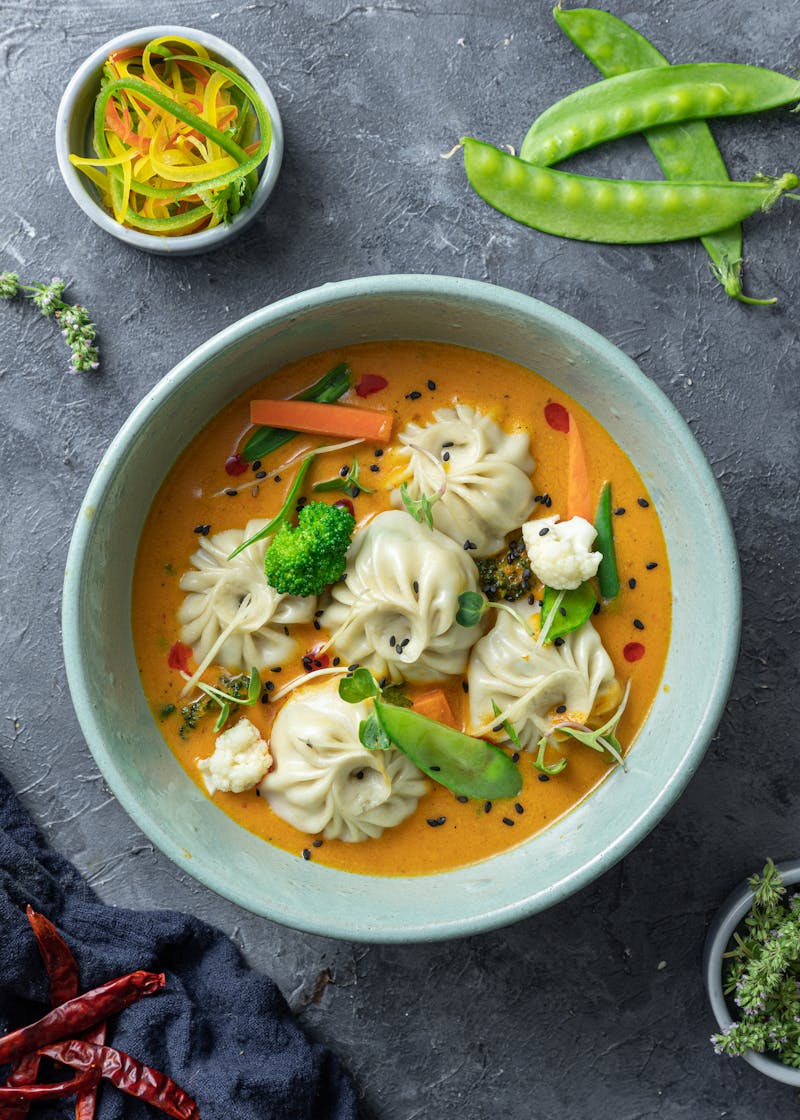
Hanoi (Northern Style)
Flavor profile: Delicate, subtle, balanced Philosophy: Purity of ingredients, minimal seasoning, let natural flavors shine Influences: Chinese culinary traditions, cooler climate cuisine Key characteristics:
- Clear, clean broths with gentle seasoning
- Less sugar in savory dishes
- Fewer fresh herbs and vegetables as garnishes
- Emphasis on soy sauce and fish sauce balance
- Smaller portions, refined presentation
- Traditional cooking techniques preserved
Climate influence: Northern Vietnam's four distinct seasons and cooler winters created a cuisine focused on warming broths, preserved ingredients, and heartier dishes designed for colder weather.
Ho Chi Minh City (Southern Style)
Flavor profile: Bold, sweet-savory, vibrant Philosophy: Layer flavors, embrace abundance, celebrate variety Influences: Cambodian, Thai, French colonial fusion Key characteristics:
- Complex, sweet-savory flavor combinations
- Generous use of palm sugar and coconut
- Mountains of fresh herbs, vegetables, and garnishes
- Creative fusion and modern interpretations
- Larger portions, abundant presentations
- Experimental approach to traditional recipes
Climate influence: The tropical South's year-round warmth and agricultural abundance created a cuisine celebrating fresh ingredients, cooling herbs, and dishes that remain appealing in hot, humid weather.
The Verdict
There's no winner - just different philosophies. Hanoi appeals to purists who appreciate subtle, refined flavors. Saigon attracts adventurers who love bold, complex tastes. The best strategy? Experience both and form your own opinion.
Hanoi's Signature Street Foods
1. Pho (Phở) - The Northern Original
Hanoi pho represents Vietnamese cuisine's soul. The broth requires 12-24 hours of simmering beef bones with charred ginger, onion, and minimal spices. The result is a clear, fragrant soup that tastes pure and refined - no sweetness, no shortcuts.
What to order: Pho Bo (beef pho) with tai (rare beef), nam (flank), or ga (chicken) Price: 40,000-60,000 VND ($1.60-2.50 USD)
Top vendor recommendations:
Pho Gia Truyen (Bat Dan) - 49 Bat Dan Street, Old Quarter
- Legendary family-run shop (since 1930s)
- Only serves pho bo with one option: stir-fried beef
- Opens 6:00 AM, closes when soup runs out (usually by 10:00 AM)
- Lines form early; arrive before 7:30 AM
- The broth is remarkably clear with pronounced beef flavor
Pho Thin (Lo Duc) - 13 Lo Duc Street
- Famous for stir-fried beef pho (pho bo tai lan)
- Beef is seared on a hot griddle before adding to soup
- Rich, slightly oily broth with deep beef flavor
- Open 6:00 AM - 10:00 AM and 6:00 PM - 9:00 PM
- Popular with locals; expect to share tables
Pho Bat Dan - 49 Bat Dan Street (different from Pho Gia Truyen)
- Traditional Northern style with impeccably clear broth
- Excellent ratio of noodles to meat to broth
- Generous portions at reasonable prices
- Open 6:00 AM - 10:00 AM daily
Insider tips:
- Order "khong rau thom" if you don't want cilantro
- Northerners eat pho with just a squeeze of lime - no hoisin or sriracha
- The best pho happens in morning hours when broth is freshest
- Don't overfill your bowl with garnishes; respect the broth
2. Bun Cha - Hanoi's Pride
Bun cha became internationally famous when Obama and Anthony Bourdain shared a meal at Bun Cha Huong Lien, but locals have dozens of favorite spots. This dish combines grilled pork patties and slices in sweet-savory fish sauce broth, served with rice vermicelli noodles and fresh herbs.
What to order: Bun cha set (includes nem ran - fried spring rolls) Price: 40,000-70,000 VND ($1.60-2.80 USD)
Top vendor recommendations:
Bun Cha Huong Lien - 24 Le Van Huu Street
- The "Obama bun cha" spot (his table is preserved behind glass)
- Excellent quality despite tourist fame
- Perfectly charred pork with balanced sweet-sour broth
- Open 8:30 AM - 9:00 PM
- Best visited before 11:00 AM or after 2:00 PM to avoid crowds
Bun Cha Dac Kim - 1 Hang Manh Street, Old Quarter
- Locals' favorite for over 30 years
- Exceptional charcoal-grilled pork with smoky flavor
- Family recipe for the dipping sauce (not too sweet)
- Small shop, extremely crowded 11:30 AM - 1:00 PM
- Open 10:30 AM - 3:00 PM; arrive early
Bun Cha Ta - 21 Nguyen Huu Huan Street
- Hidden gem with consistently excellent quality
- Thick, juicy pork patties with caramelized edges
- Fresh herbs delivered daily from family farm
- Less touristy atmosphere, more authentic experience
- Open 10:00 AM - 2:30 PM
Insider tips:
- Add the fried spring rolls (nem) - the combination is traditional
- Mix some broth with the noodles, don't just dip
- Squeeze lime into the broth to balance sweetness
- Locals often add sliced green papaya for crunch
3. Egg Coffee (Ca Phe Trung) - Hanoi's Liquid Dessert
This unique Hanoi creation combines thick Vietnamese coffee with whipped egg yolk, sugar, and condensed milk. The result resembles sweet, coffee-flavored tiramisu in liquid form.
Price: 30,000-45,000 VND ($1.20-1.80 USD)
Top vendor recommendations:
Cafe Giang - 39 Nguyen Huu Huan Street (original location)
- Inventor of egg coffee (since 1946)
- Recipe remains a family secret
- Perfectly balanced sweetness and coffee bitterness
- Also serves egg beer and egg matcha
- Open 7:00 AM - 10:00 PM
Cafe Dinh - 13 Dinh Tien Hoang Street
- Another claimant to egg coffee's invention
- Thicker, richer version than Cafe Giang
- Rooftop seating with Hoan Kiem Lake views
- More tourist-friendly atmosphere
- Open 6:00 AM - 11:00 PM
Insider tips:
- Drink while hot for the best texture
- Stir gently before drinking to mix the layers
- Order "ca phe trung nong" for hot or "da" for iced
- Pair with sesame crackers for a complete experience
4. Banh Mi Hanoi Style - Subtle and Refined
Hanoi banh mi differs from Saigon versions with its restraint. Less sauce, simpler ingredient combinations, focus on the quality of the pate and pork.
Price: 15,000-25,000 VND ($0.60-1.00 USD)
Top vendor recommendations:
Banh Mi 25 - 25 Hang Ca Street, Old Quarter
- Tiny shop with huge reputation
- Excellent homemade pate (not too liver-forward)
- Crispy baguette from nearby bakery
- Simple but perfect combination
- Open 6:30 AM - 11:00 AM; sells out early
Banh Mi P - Multiple locations (check maps)
- Modern take on traditional banh mi
- Creative fillings including grilled pork and chicken
- Consistent quality across locations
- English menu available
- Open 7:00 AM - 10:00 PM
5. Bun Rieu Cua - Crab Noodle Soup
This underrated Hanoi specialty features rice vermicelli in tomato-based broth with freshwater crab paste, tofu, and tomatoes. The flavor is tangy, slightly sweet, and deeply savory.
Price: 35,000-50,000 VND ($1.40-2.00 USD)
Top vendor recommendation:
Bun Rieu Cua Ba Duoc - 76 Hang Dieu Street
- Family recipe spanning three generations
- Fresh crab paste made daily
- Rich, complex broth with pronounced crab flavor
- Open 6:00 AM - 10:00 AM
Ho Chi Minh City's Signature Street Foods

1. Banh Xeo - Sizzling Crispy Pancakes
These turmeric-yellow crispy crepes are stuffed with pork, shrimp, bean sprouts, and herbs, then wrapped in lettuce and dipped in sweet-savory fish sauce. The name means "sizzling cake" from the sound they make when hitting the hot pan.
Price: 30,000-50,000 VND ($1.20-2.00 USD) per pancake
Top vendor recommendations:
Banh Xeo 46A - 46A Dinh Cong Trang Street, District 1
- Tourist-famous but genuinely excellent
- Massive pancakes with generous fillings
- Extra crispy edges from high-heat cooking
- English-speaking staff, photo menus
- Open 10:00 AM - 9:00 PM
Banh Xeo Muoi Xiem - 208 Vo Van Tan Street, District 3
- Locals' secret spot
- Smaller, crispier pancakes (traditional Central style)
- Family-run for over 40 years
- More authentic, less touristy atmosphere
- Open 2:00 PM - 8:00 PM; often sells out by 7:00 PM
Banh Xeo An La Ghien - 57 Nguyen Trai Street, District 1
- "Addicted to Eating Leaves" - named for the mountain of herbs
- DIY wrapping experience with instruction from staff
- Fresh ingredients delivered twice daily
- Open 8:00 AM - 10:00 PM
Insider tips:
- Tear pieces of banh xeo (don't fold the whole thing)
- Load lettuce wrap with herbs: mint, perilla, fish mint
- Dip generously in nuoc cham (fish sauce)
- Locals add green banana and star fruit for extra crunch
2. Hu Tieu - Southern Noodle Soup
This Southern Chinese-influenced noodle soup comes in many variations: clear broth (nuoc), dry (kho), or mixed (kho nuoc). The broth is sweeter than pho, often made with pork bones and dried seafood.
Price: 35,000-55,000 VND ($1.40-2.20 USD)
Top vendor recommendations:
Hu Tieu Nam Vang Thanh Xuan - 190 Nguyen Trai Street, District 1
- Classic Cambodian-style (Nam Vang) hu tieu
- Clear, sweet broth with pork bones and dried squid
- Generous portions of pork, shrimp, and quail eggs
- Open 5:00 AM - 2:00 PM
Hu Tieu My Tho 54 - 54 Nguyen Trai Street, District 1
- Mekong Delta style with more herbs and vegetables
- Option for dry version (highly recommended)
- Crispier fried shallots and garlic oil
- Open 6:00 AM - 11:00 PM
Insider tips:
- Try "kho" (dry) version for concentrated flavors
- Add Vietnamese hot sauce (tuong ot) for heat
- The best hu tieu includes crispy pork skin
3. Com Tam - Broken Rice Plates
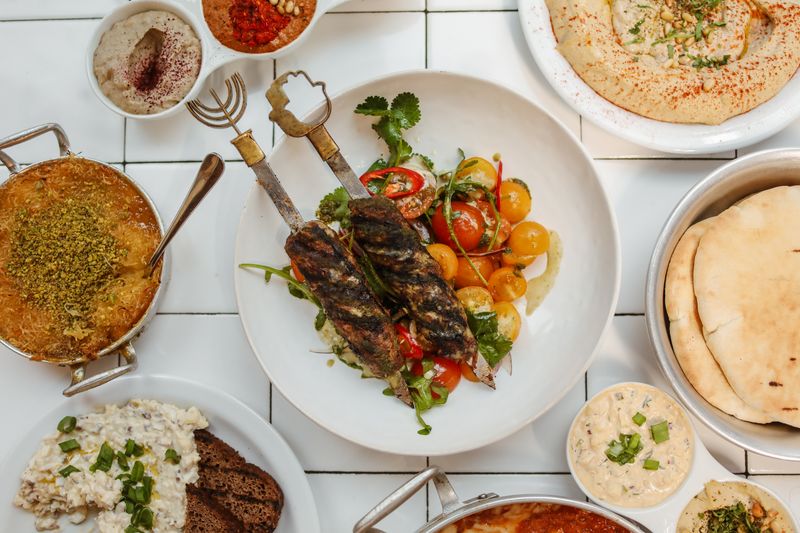
Com tam (broken rice) is Saigon's everyday meal: fractured rice grains (originally a cheaper option) with grilled pork chop (suon), shredded pork skin (bi), steamed egg meatloaf (cha), and fish sauce.
Price: 35,000-65,000 VND ($1.40-2.60 USD)
Top vendor recommendations:
Com Tam Ba Ghien - 246 Cong Quynh Street, District 1
- Famous for thick, caramelized pork chops
- Perfect ratio of savory-sweet marinade
- Generous portions with all traditional sides
- Open 6:30 AM - 10:00 PM
Com Tam Moc - 55 Nguyen Van Cu Street, District 5
- Chinatown location frequented by locals
- Excellent grilled pork ribs option
- House-made fish sauce is perfectly balanced
- Open 7:00 AM - 9:00 PM
Insider tips:
- Order "com tam suon bi cha op la" for the full experience
- Add pickled vegetables to cut the richness
- Pour fish sauce sparingly - it's concentrated
- Best eaten for breakfast or lunch when pork is freshly grilled
4. Banh Mi Saigon Style - Maximum Everything
Saigon banh mi is a maximalist production: multiple meats (pate, headcheese, ham, pork roll), pickled vegetables, cilantro, cucumber, chilies, and generous sauce slathering. It's the complete opposite of Hanoi's restraint.
Price: 15,000-30,000 VND ($0.60-1.20 USD)
Top vendor recommendations:
Banh Mi Huynh Hoa - 26 Le Thi Rieng Street, District 1
- Instagram-famous "Banh Mi Queen"
- Absolutely overflowing with ingredients
- Lines can be 30-60 minutes; arrive before 8:00 AM or after 3:00 PM
- Open 2:30 PM - 11:00 PM (or until sold out)
- Worth the wait for first-time visitors
Banh Mi Hoa Ma - 53 Cao Thang Street, District 3
- Locals' favorite without the tourist crowds
- Perfect baguette-to-filling ratio (less extreme than Huynh Hoa)
- Excellent homemade pate and marinated pork
- Open 6:00 AM - 10:00 PM
Banh Mi 37 Nguyen Trai - 37 Nguyen Trai Street, District 1
- Budget-friendly neighborhood spot
- Classic Saigon style with all traditional components
- Quick service, no lines
- Open 5:30 AM - 9:30 PM
Insider tips:
- Specify spice level: "khong ot" (no spicy) to "nhieu ot" (very spicy)
- "Khong rau" means no cilantro if you're not a fan
- Best eaten immediately while baguette is still crispy
- Pair with Vietnamese iced coffee for the ultimate experience
5. Che - Vietnamese Sweet Dessert Soups
Che is the Southern obsession: sweet soups and puddings with combinations of beans, jellies, fruits, coconut milk, and ice. There are hundreds of varieties, from simple to complex.
Price: 15,000-35,000 VND ($0.60-1.40 USD)
Top vendor recommendations:
Che Thai Hien Khanh - 244 Hai Ba Trung Street, District 1
- Over 30 varieties available daily
- Famous for che ba mau (three-color dessert)
- Fresh ingredients, perfect sweetness balance
- Open 7:00 AM - 11:00 PM
Che Muoi Xi Muoi - 66 Thai Van Lung Street, District 1
- Specializes in fruit-based che varieties
- Seasonal tropical fruits (durian, jackfruit, longan)
- Generous portions at low prices
- Open 8:00 AM - 10:00 PM
What to order:
- Che ba mau: mung beans, red beans, jellies with coconut milk
- Che dau xanh: sweet mung bean soup
- Che duong duong: seaweed jelly with longan
- Che thap cam: mixed everything (adventurous choice)
Street Food Safety: What to Look For
Vietnamese street food is generally very safe if you follow basic guidelines. Here's how to identify quality vendors and minimize risks:
Signs of a Good Vendor
What to look for:
- High turnover: Lines of locals mean fresh ingredients and fast consumption
- Visible cooking: You can watch food being prepared to order
- Specialized menu: Vendors focusing on 1-3 dishes typically have better quality
- Clean workspace: Organized stations with separate cutting boards for meat/vegetables
- Fresh ingredients: Visible fresh herbs, vegetables delivered daily
- Hot food served hot: Soups should be steaming, grilled items served immediately
Good signs:
- Vendor has been in business for years (ask locals or look for established signage)
- Food is cooked thoroughly in front of you
- Crowds of Vietnamese customers (especially families with children)
- Clean water source visible (for washing vegetables and dishes)
- Vendor uses tongs or gloves (not bare hands) for ready-to-eat items
Red Flags to Avoid
Warning signs:
- Pre-cooked food sitting out at room temperature for extended periods
- No customers despite being meal time (locals know something you don't)
- Meats that aren't fully cooked or look discolored
- Strong, unpleasant odors around the cooking area
- Dirty water being used for washing
- Flies swarming around food preparation areas
- Vendor handling money and food without washing hands
Practical Safety Tips
- Start conservative: Ease into street food gradually; don't eat exclusively from stalls for the first few days
- Drink smart: Stick to bottled water, hot coffee/tea, or coconut water from whole coconuts. Ice is usually safe in urban areas (made from filtered water)
- Choose cooked over raw: Stick to thoroughly cooked items; be cautious with raw vegetables at first
- Follow the crowds: If locals are eating there (especially with their families), it's likely safe
- Carry digestive aids: Pack anti-diarrheal medication and probiotics just in case
- Wash hands frequently: Bring hand sanitizer for before eating
- Trust your instincts: If something feels off about a vendor, move to the next one
Specific Situations
Raw herbs and vegetables: Generally safe in urban Hanoi and Saigon where they're washed with filtered water. Be more cautious in rural areas.
Ice: Safe in both cities. Restaurants and street vendors use filtered water ice.
Seafood: Choose vendors with visible fresh seafood; avoid pre-cooked seafood sitting out.
Meat: Should be cooked thoroughly. Grilled meats are safest; stews and soups that are kept boiling are also safe.
Best Street Food Neighborhoods
Hanoi's Food Districts
Old Quarter (36 Streets)
- Best for: Traditional Hanoi specialties, iconic vendors, atmosphere
- Highlights: Pho, bun cha, banh mi, egg coffee
- Peak times: Early morning (6:00-9:00 AM) for breakfast items
- Navigation tip: Streets are named after goods sold (Hang Buom = sail street)
West Lake Area (Tay Ho)
- Best for: Fresh seafood, snail dishes (oc), upscale street food
- Highlights: Bun oc (snail noodles), grilled seafood, banh tom (shrimp cakes)
- Peak times: Evening (6:00-9:00 PM)
- Getting there: Taxi or Grab to Trich Sai or Yen Phu streets
Hoan Kiem Lake Perimeter
- Best for: Evening street food strolls, romantic atmosphere
- Highlights: Trang Tien ice cream, walking food tours
- Peak times: Evening (5:00-10:00 PM)
- Note: More expensive than other areas but convenient
Dong Xuan Market Area
- Best for: Authentic local experience, dirt-cheap prices
- Highlights: Bun rieu, xoi (sticky rice), che (desserts)
- Peak times: Morning (5:00-10:00 AM)
- Warning: Very local, minimal English
Ho Chi Minh City's Food Districts
District 1 Center (Around Ben Thanh Market)
- Best for: First-time visitors, accessibility, variety
- Highlights: All major dishes represented, food tours start here
- Peak times: Evening (6:00-10:00 PM)
- Note: Slightly higher prices but tourist-friendly
District 3 (Near Vo Van Tan)
- Best for: Local experience without leaving central area
- Highlights: Banh xeo, hu tieu, com tam, local coffee shops
- Peak times: Morning and lunch (6:00-11:00 AM, 11:00 AM-2:00 PM)
- Getting there: 15-minute walk from District 1 center
District 5 (Chinatown)
- Best for: Chinese-Vietnamese fusion, hu tieu, dim sum
- Highlights: Best hu tieu in the city, roasted meats, Chinese bakeries
- Peak times: Breakfast and lunch (6:00 AM-2:00 PM)
- Getting there: Taxi or Grab (20 minutes from District 1)
Bui Vien Street (Backpacker District)
- Best for: Late-night eating, Western-Vietnamese fusion
- Highlights: Banh mi, late-night pho, smoothies, bia hoi
- Peak times: Late evening (10:00 PM-2:00 AM)
- Note: More expensive, very touristy but fun atmosphere
Nguyen Trai Street
- Best for: Authentic local food, budget eating, variety
- Highlights: Nearly every major dish has a vendor here
- Peak times: All day (multiple vendors operate different hours)
- Local favorite: The entire street is a food lover's paradise
Price Comparisons and Budget Tips
Average Meal Costs
Hanoi:
- Bowl of pho: 40,000-60,000 VND ($1.60-2.50)
- Bun cha set: 50,000-70,000 VND ($2.00-2.80)
- Banh mi: 15,000-25,000 VND ($0.60-1.00)
- Egg coffee: 30,000-45,000 VND ($1.20-1.80)
- Bia hoi (draft beer): 7,000-10,000 VND ($0.30-0.40)
Daily food budget: 200,000-400,000 VND ($8-16 USD) eating exclusively street food
Ho Chi Minh City:
- Banh xeo: 30,000-50,000 VND ($1.20-2.00)
- Com tam: 40,000-65,000 VND ($1.60-2.60)
- Hu tieu: 35,000-55,000 VND ($1.40-2.20)
- Banh mi: 15,000-30,000 VND ($0.60-1.20)
- Che dessert: 15,000-35,000 VND ($0.60-1.40)
Daily food budget: 250,000-450,000 VND ($10-18 USD) eating exclusively street food
Money-Saving Tips
- Eat where locals eat: Prices can be 50% lower just one block off tourist areas
- Go for lunch specials: Many vendors offer larger portions during lunch rush (11:00 AM-1:00 PM)
- Share dishes: Street food portions are often generous; sharing saves money
- Avoid areas immediately near major attractions: Ben Thanh Market, Hoan Kiem Lake charge premiums
- Use Vietnamese dong: Vendors often give unfavorable rates for USD
- Check prices before ordering: Not all vendors display prices; asking prevents overcharging
- Learn basic Vietnamese numbers: Helps confirm prices and detect tourist pricing
- Buy drinks from convenience stores: Street vendor drinks cost 2-3x more than FamilyMart/Circle K
Luxury Street Food Experiences
If you want to splurge while still eating street food:
Hanoi:
- Cha Ca La Vong (14 Cha Ca Street): Famous turmeric fish with noodles, ~200,000 VND
- Highway 4 (Multiple locations): Upscale Northern cuisine and cocktails in restaurant setting
Ho Chi Minh City:
- Street Food Market by Saigon (District 1): Curated food hall with elevated street food vendors
- Propaganda Bistro (21 Han Thuyen Street): Street food-inspired dishes in trendy setting
These cost 150,000-300,000 VND per person but offer air-conditioning, English menus, and refined versions of street classics.
Food Tours vs DIY Exploration
Organized Food Tours
Pros:
- Expert guides explain dishes, ingredients, and cultural context
- Access to vendors you might miss independently
- No language barrier for ordering or paying
- Pre-vetted vendors for quality and safety
- Learn proper eating techniques and etiquette
- Social experience with other food lovers
Cons:
- Cost: $30-80 USD per person for 3-4 hours
- Less spontaneity and flexibility
- May visit tourist-focused vendors with inflated prices
- Group pace might not match your eating speed
- Limited time at each vendor
Recommended tour operators:
Hanoi:
- Hanoi Street Food Tour: Small groups, excellent guides, focus on Old Quarter
- Hanoi Food On Foot Tours: Evening tours with 6-8 food stops
- Viet Food Tours: Private options available, customizable itineraries
Ho Chi Minh City:
- Saigon Street Eats: Motorbike food tours (thrilling but safe)
- XO Tours: Long-running operation with knowledgeable guides
- Vespa Adventures: Upscale food tours on vintage Vespas
Best for: First-time visitors, solo travelers wanting social experience, those with limited time, food enthusiasts wanting deep knowledge
DIY Street Food Exploration
Pros:
- Complete flexibility on timing and locations
- Significantly cheaper (only pay for food)
- Discover hidden gems and local favorites
- Eat at your own pace, return to favorites
- Authentic interaction with vendors
- Adventure and sense of discovery
Cons:
- Language barrier when ordering
- Risk of tourist pricing without local knowledge
- Missing cultural context and stories behind dishes
- Potential to choose poor quality vendors
- Navigation challenges in unfamiliar neighborhoods
DIY success tips:
- Download translation app (Google Translate works offline)
- Screenshot photos of dishes you want to try
- Learn basic Vietnamese phrases: "Bao nhieu tien?" (How much?), "Mot phan" (One serving)
- Use Google Maps reviews and photos to find vendors
- Follow locals: if they're lining up, join them
- Start in tourist-friendly areas, gradually venture into local neighborhoods
- Download food apps: Foody.vn for vendor reviews (in Vietnamese but photo-based)
Best for: Budget travelers, adventurous eaters, those with more time, return visitors
Hybrid Approach (Recommended)
Day 1-2: Take a food tour to learn basics, get oriented, and ask guides for recommendations
Day 3+: Use knowledge from tour to explore independently, revisit favorite vendors, try new areas
This approach gives you educational foundation while maintaining budget flexibility and adventure for the rest of your trip.
Vegetarian and Dietary Restriction Options
Vietnamese street food, while meat-centric, offers surprisingly good options for vegetarians and those with dietary restrictions.
Vegetarian Street Food
Hanoi vegetarian options:
Com Chay (Vegetarian Rice)
- Hang Bo Street: Multiple vegetarian restaurants serving "fake meat" versions of Vietnamese classics
- Price: 30,000-50,000 VND for full meal
- Dishes: Vegetarian pho, bun cha (tofu replaces pork), spring rolls
Banh Mi Chay (Vegetarian Banh Mi)
- Banh Mi Chay 37B - 37B Nguyen Huu Huan Street: Excellent vegetarian banh mi with marinated tofu and vegetables
- Price: 15,000-20,000 VND
Xoi (Sticky Rice)
- Naturally vegetarian option with various toppings
- Xoi Yen - 35B Nguyen Huu Huan Street: Famous sticky rice with mushrooms, peanuts, fried shallots
- Price: 15,000-30,000 VND
Ho Chi Minh City vegetarian options:
An Lac Vegetarian Restaurant - Multiple locations
- Extensive menu of Vietnamese dishes in vegetarian form
- Price: 35,000-60,000 VND per dish
Banh Xeo Chay
- Many banh xeo vendors offer vegetarian versions (tofu, mushrooms instead of pork/shrimp)
- Simply request "banh xeo chay" (vegetarian crispy pancake)
Che (Desserts)
- Most che varieties are naturally vegetarian
- Avoid versions with egg custard if vegan
Buddhist Vegetarian Days
On the 1st and 15th of each lunar month, many Vietnamese Buddhists eat vegetarian. This means:
- More vegetarian street vendors appear
- Regular vendors often offer "chay" options
- Excellent time to explore vegetarian Vietnamese cuisine
Common Dietary Restrictions
Gluten-free:
- Rice noodle dishes (pho, bun, hu tieu) are naturally gluten-free
- Avoid dishes with soy sauce, wheat noodles, or fried items with wheat batter
- Bring gluten-free soy sauce if very sensitive
Dairy-free:
- Vietnamese cuisine uses minimal dairy
- Watch out for condensed milk in coffee and che desserts
- Specify "khong sua" (no milk)
Peanut allergy:
- Peanuts are common in Vietnamese food
- Say "di ung dau phong" (peanut allergy)
- Avoid goi (salads), spring rolls, many noodle dishes
- High-risk dietary restriction for Vietnamese street food
Shellfish allergy:
- Many dishes use shrimp paste, fish sauce (made from anchovies)
- Difficult to avoid completely in Vietnamese cuisine
- Communicate clearly: "di ung hai san" (seafood allergy)
- Stick to meat-based dishes, verify with vendors
Tips for communicating dietary needs:
- Write restrictions in Vietnamese, show to vendors
- Use translation apps with voice function
- Choose vendors with visible ingredient preparation
- Hotel staff can help write dietary restriction cards to show vendors
- Consider taking a food tour first to identify safe dishes
Travel Memories: Preserving Your Culinary Journey
As you explore the vibrant street food scenes of Hanoi and Saigon, you'll capture countless photos of colorful dishes, bustling market scenes, and memorable vendor interactions. These food moments tell the story of your Vietnamese adventure. Consider turning your favorite food photos into custom photo magnets - an affordable and creative way to preserve your culinary memories. Many travelers use these personalized magnets to recreate recipe inspiration at home, decorating their kitchens with images of that perfect bowl of pho or the friendly vendor who taught them how to properly wrap banh xeo. It's a unique alternative to traditional souvenirs that keeps your food journey alive long after you've returned home.
Final Verdict: Hanoi or Saigon?
After exploring both cities' street food scenes, the honest answer is: both. They offer completely different but equally rewarding culinary experiences.
Choose Hanoi if you:
- Appreciate subtle, refined flavors
- Prefer traditional, unchanged recipes
- Enjoy cooler weather (November-March)
- Want to experience Vietnamese food at its most pure
- Love the romance of old-world charm
Choose Saigon if you:
- Love bold, complex flavors
- Enjoy abundance and variety
- Prefer tropical weather year-round
- Want modern fusion and creative interpretations
- Thrive in energetic, fast-paced environments
The real winner: Your stomach. The best strategy is experiencing both cities, understanding their culinary philosophies, and appreciating that Vietnamese cuisine's diversity is exactly what makes it one of the world's greatest food cultures.
Whether you're team North or team South, Vietnamese street food will challenge your palate, expand your culinary knowledge, and create memories that last far beyond your trip. Bring your appetite, embrace the plastic stools, and prepare for the food adventure of a lifetime.
Practical Information Summary
Best times to visit:
- Hanoi: October-November, March-April (pleasant weather, fewer tourists)
- Saigon: December-April (dry season, less humidity)
How many days needed:
- Minimum 3-4 days per city for serious food exploration
- 7-10 days for comprehensive culinary deep dive
- 2 weeks to experience both cities thoroughly
Transportation between cities:
- Flight: 2 hours, $30-80 USD depending on season
- Train: 30+ hours overnight train (adventure option)
- Recommended: Fly to save time, use extra days for eating
Language tips:
- "Mot phan" = One serving
- "Bao nhieu tien?" = How much?
- "Ngon qua!" = Delicious!
- "Cam on" = Thank you
- Download Google Translate with offline Vietnamese
Safety reminders:
- Both cities are very safe for food exploration
- Use common sense with vendor selection
- Stay hydrated in Saigon's heat
- Bring digestive aids just in case
- Travel insurance is recommended
Packing essentials:
- Comfortable walking shoes (you'll walk a lot)
- Wet wipes and hand sanitizer
- Loose-fitting clothes (you'll eat a lot)
- Cash in small denominations
- Phone with good camera (for food photos and research)
- Portable charger
- Modest clothing (for temple visits between meals)
Now get out there and eat. The streets of Hanoi and Saigon are waiting.