

Preserve Your Vietnam Memories
Turn your travel photos into beautiful custom magnets
A unique service available throughout Vietnam - simply send your favorite travel shots and receive beautiful, high-quality magnets at budget-friendly prices. Perfect for sharing with friends or decorating your space with travel memories.
Contact us on:
Vietnam Food Tour Guide: Best Cooking Classes and Market Tours by City
Vietnamese cooking classes and market tours have exploded in popularity, and for good reason. In October, Vietnam's harvest season brings the freshest ingredients—crisp morning glory vegetables, plump Mekong Delta shrimp, fragrant herbs just cut from gardens, and seasonal specialties you won't find any other time of year. This is when Vietnamese cuisine truly shines, and there's no better way to experience it than learning to cook these dishes yourself.
Culinary tourism has become one of Vietnam's fastest-growing travel segments, with hands-on cooking experiences far outpacing traditional restaurant tours. Modern travelers want more than just tasting—they want to understand the stories behind the food, master the techniques, meet local chefs, and bring authentic recipes home. Instagram food culture has fueled this trend, with travelers eager to learn the secrets behind those perfect banh mi baguettes and beautifully balanced pho bowls they've seen online.
This comprehensive guide explores the best cooking classes and market tours across Vietnam's major cities. Whether you're a serious home cook looking to expand your repertoire, a couple seeking a romantic culinary adventure, a family with curious teenagers, or a solo traveler hoping to connect with others over shared meals, Vietnam's cooking class scene offers something extraordinary. From budget-friendly group classes to premium private chef experiences, from half-day market tours to multi-day immersive programs, we'll help you find the perfect culinary experience.
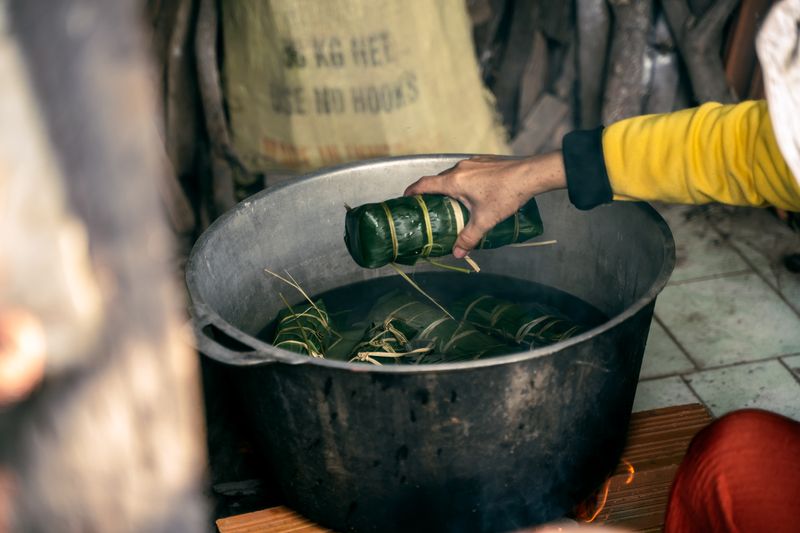
Why Take a Cooking Class in Vietnam?
What Makes Vietnamese Cooking Classes Special
Vietnamese cooking classes offer far more than just recipe instruction—they provide cultural immersion, market expertise, and skills you'll use for years:
- Market Mastery: Learn to navigate wet markets like a local—how to select the freshest fish, identify authentic ingredients, and negotiate prices. You'll discover vegetables and herbs you've never seen before
- Technique Over Recipes: The best classes teach fundamental techniques (balancing flavors, knife skills, wok control) rather than just memorizing recipes. These skills transfer to your home cooking
- Cultural Context: Understand Vietnamese food philosophy—the balance of five elements, regional differences, seasonal eating, and how food connects to Vietnamese daily life and celebrations
- Immediate Feedback: Unlike cooking from a book or video, you have an expert chef watching, correcting, and guiding your technique in real-time
- Farm-to-Table Understanding: See where food actually comes from—local farms, fishing boats, family gardens—and appreciate the connection between ingredients and dishes
- Social Connection: Cooking classes attract fellow food enthusiasts from around the world. Many travelers report making lasting friendships over shared meals they've prepared together
- Instagram-Worthy Skills: Learn not just how to cook Vietnamese food, but how to plate and present it beautifully—skills that transfer to dinner parties back home
What You'll Actually Learn
Essential Techniques:
- Achieving perfect rice noodle texture (not mushy, not hard)
- Building complex broths with balanced depth (the secret is time and technique, not just ingredients)
- Creating nuoc cham (dipping sauce) from scratch—the foundation of Vietnamese cuisine
- Proper knife skills for Vietnamese ingredients (lemongrass, galangal, fresh turmeric)
- Rolling perfect spring rolls (both fresh and fried)
- Balancing the five Vietnamese flavors (sweet, sour, salty, bitter, spicy)
- Grilling techniques for authentic char on meats
- Vietnamese stir-fry methods (high heat, quick cooking)
Practical Knowledge:
- Where to source Vietnamese ingredients at home (and what substitutions work)
- How to adapt recipes for different skill levels
- Timing and workflow for Vietnamese meals
- Storage and preservation techniques
- Dietary modifications (making dishes vegetarian, reducing sodium, adjusting spice)
Cultural Insights:
- Regional cooking differences (Northern vs. Central vs. Southern Vietnam)
- Food etiquette and serving customs
- Seasonal specialties and when to find them
- Street food vendor techniques adapted for home kitchens
- Vietnamese food history and cultural significance
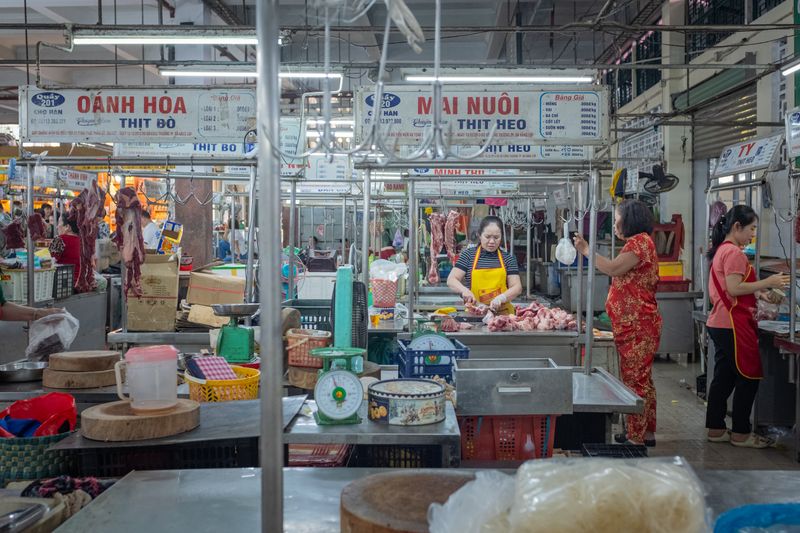
Hanoi Cooking Classes and Market Tours
Best Hanoi Cooking Classes
Hanoi Cooking Centre (Top Rated)
Location: Near Old Quarter, Hoàn Kiếm District Duration: 4.5 hours (half-day with market tour) Price: $35-45 per person (group), $85+ (private) Class Size: Maximum 12 people
What Makes It Special: The Hanoi Cooking Centre occupies a beautiful traditional Vietnamese house with an open-air kitchen and herb garden. Classes begin at Dong Xuan Market with an extensive guided tour where you'll learn to identify ingredients, negotiate with vendors, and understand seasonal produce. The hands-on cooking session covers 4-5 dishes with detailed technique instruction.
Menu Options:
- Northern Classics: Pho ga (chicken pho), bun cha, cha ca (turmeric fish), green papaya salad
- Street Food Workshop: Banh mi, banh cuon (steamed rice rolls), nem ran (fried spring rolls), bun rieu (crab noodle soup)
- Vegetarian Menu: Vegetarian pho, fresh spring rolls, tofu dishes, vegetable-packed stir-fries
Best For: First-time cooking class participants, mixed skill levels, comprehensive market education Skill Level: Beginner to intermediate Languages: English, French Booking: Advance booking required (2-3 days minimum, longer during peak season)
Pro Tip: The morning class (starts 8:30am) offers the best market experience when vendors are freshest and most active. Request Lan as your instructor—she's patient, knowledgeable, and speaks excellent English.
Highway4 Cooking Class
Location: Multiple locations in Hanoi Old Quarter Duration: 3 hours (cooking only) or 4.5 hours (with market tour) Price: $30-40 per person Class Size: Maximum 15 people
What Makes It Special: Connected to the popular Highway4 restaurant chain (known for Northern Vietnamese cuisine), this class focuses on regional specialties from Vietnam's mountainous regions. The rooftop cooking space offers great city views, and the class includes unlimited drinks—including their famous Vietnamese rice wines.
Signature Dishes:
- Bun cha (Hanoi's most iconic dish)
- Cha ca La Vong (Hanoi-style turmeric fish)
- Nom hoa chuoi (banana flower salad)
- Northern-style spring rolls
- Vietnamese rice wine cocktails
Best For: Groups wanting a social atmosphere, travelers interested in Northern Vietnamese specialties, anyone who enjoys Vietnamese rice wine Skill Level: Beginner-friendly Languages: English
Pro Tip: The evening class (5pm start) is more social and festive, perfect for solo travelers wanting to meet others.
Blue Butterfly Cooking Class
Location: Residence in Tay Ho (West Lake area) Duration: 5 hours (includes extensive market tour and cooking) Price: $45-55 per person Class Size: Maximum 10 people (small, intimate groups)
What Makes It Special: Hosted in Tracy's beautiful home kitchen, this class feels like cooking with a Vietnamese friend rather than a formal instruction session. Tracy's family has lived in Hanoi for generations, and she shares family recipes, stories, and techniques passed down through her family. The small class size ensures personalized attention.
Unique Features:
- Home kitchen environment (not commercial space)
- Family recipes not found in restaurants
- Extended market tour (90 minutes) with deep ingredient knowledge
- Cookbook included with all recipes
- Post-class garden tea with Vietnamese desserts
Best For: Serious home cooks, small groups, travelers wanting authentic family-style Vietnamese cooking Skill Level: All levels welcome Languages: English
Pro Tip: Book the private family class ($180 for 2 people) to learn Tracy's grandmother's special pho recipe—it's extraordinary and includes techniques rarely taught in standard classes.
Hanoi Market Tours (Without Cooking)
Old Quarter Market Walking Tour
Duration: 2-3 hours Price: $20-30 per person Meeting Point: Dong Xuan Market main entrance
What You'll See:
- Dong Xuan Market (Hanoi's largest covered market)
- Specialized vendor streets (flower street, silk street, herb street)
- Wet market sections (seafood, meat, poultry)
- Ingredient identification and sourcing tips
- Seasonal produce education
- Local food tastings (included)
Best For: Travelers who want market knowledge without the cooking commitment, photographers, those on tight schedules Languages: English, French, Japanese
Pro Tip: Early morning tours (6:30am start) show the market at its most authentic—when local restaurant chefs are shopping for their daily supplies.
Hanoi Street Food and Cooking Combo
Bun Cha Workshops: Several vendors in the Old Quarter offer 2-hour bun cha-specific workshops ($25-35) where you learn only this iconic Hanoi dish. You'll grill the pork over charcoal, make the sweet-sour dipping broth, and understand why Obama loved it so much.
Best Workshops:
- Bun Cha Dac Kim (Hang Manh Street)
- Bun Cha Huong Lien (Obama's famous spot—now offers classes)
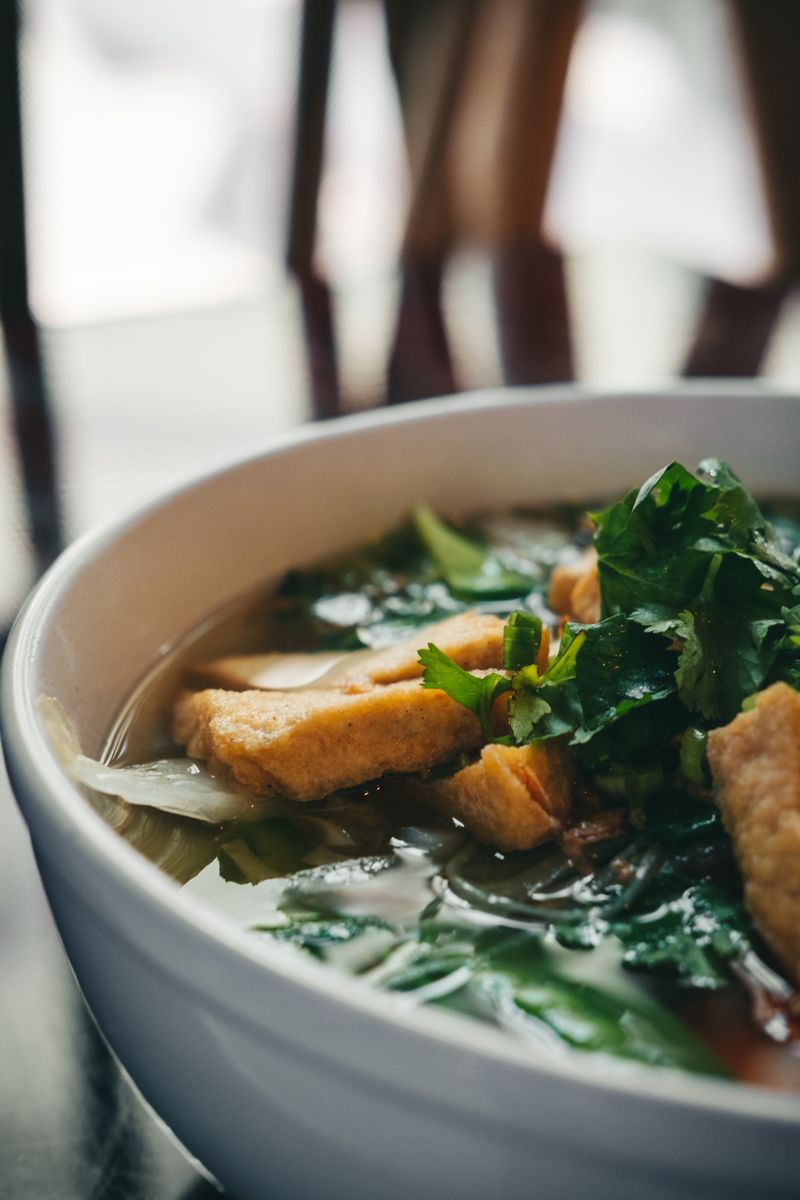
Ho Chi Minh City Cooking Classes and Market Tours
Best Saigon Cooking Classes
Saigon Cooking Class (Premier Choice)
Location: Binh Thanh District (near city center) Duration: 4.5 hours (market tour + cooking) Price: $40-50 per person (group), $120+ (private) Class Size: Maximum 14 people
What Makes It Special: This purpose-built cooking school features individual cooking stations (not demonstration-style), meaning every participant actually cooks every dish. The facility includes modern equipment, excellent ventilation, and a beautiful dining area. Classes begin at a local wet market less frequented by tourists.
Southern Vietnamese Menu:
- Banh xeo (sizzling crepes—Saigon-style)
- Goi cuon (fresh spring rolls with prawns)
- Canh chua (sweet and sour soup)
- Com tam (broken rice with grilled pork)
- Southern-style coffee and dessert
Unique Features:
- Individual wok stations for each student
- Professional-grade equipment
- Recipe booklet with photos
- Market tour focused on Southern ingredients
- Dietary accommodations (vegetarian, gluten-free, no pork options)
Best For: Hands-on learners, serious cooks wanting individual practice, groups with varying dietary needs Skill Level: All levels Languages: English, French, German
Pro Tip: Request their "Mekong Delta Special" menu featuring river fish, river snails, and Delta specialties not found on the standard menu.
XO Tours Foodie Experience (Motorbiking + Market + Cooking)
Location: Meet in District 1, travel to local market and cooking venue Duration: 6 hours (half-day adventure) Price: $65-85 per person Group Size: Maximum 8 people
What Makes It Special: This hybrid experience combines XO Tours' famous motorbike food tours with a hands-on cooking class. You'll ride on the back of a motorbike driven by a local guide to a traditional market, shop for ingredients, then travel to a home kitchen for the cooking class. It's part adventure, part education, entirely authentic.
Experience Includes:
- Motorbike pickup from your hotel
- Multiple market stops (wet market, specialty vendors)
- Street food tastings during market tour
- Home-style cooking class (3-4 dishes)
- Family-style meal with your guide
Best For: Adventurous travelers, those who want transportation solved, people who enjoy small group dynamics Skill Level: Beginner to intermediate Languages: English
Pro Tip: The evening version (2pm-8pm) includes sunset stops and night market visits—it's more atmospheric and less hot than the morning option.
Saigon Street Eats Cooking Workshop
Location: District 3 residential area Duration: 3.5 hours (cooking-focused, optional market add-on) Price: $35-45 per person Class Size: Maximum 10 people
What Makes It Special: This class specializes in teaching Vietnamese street food favorites adapted for home cooking. The instructor, Mai, is a former street food vendor who shares authentic techniques and "vendor secrets" you won't learn elsewhere.
Street Food Specialties:
- Banh mi (including baking the baguette!)
- Nem nuong (grilled pork skewers)
- Che (Vietnamese sweet soups/desserts)
- Goi cuon and cha gio (fresh and fried spring rolls)
- Ca phe sua da (Vietnamese iced coffee techniques)
Best For: Street food enthusiasts, travelers who want to recreate vendor-style food at home, budget-conscious cooks Skill Level: Beginner-friendly Languages: English
Pro Tip: The banh mi workshop ($30, 2 hours, offered Tuesday and Thursday) is excellent if you only have time for one thing—you'll learn to make everything from scratch including the baguette.
Ho Chi Minh City Market Tours
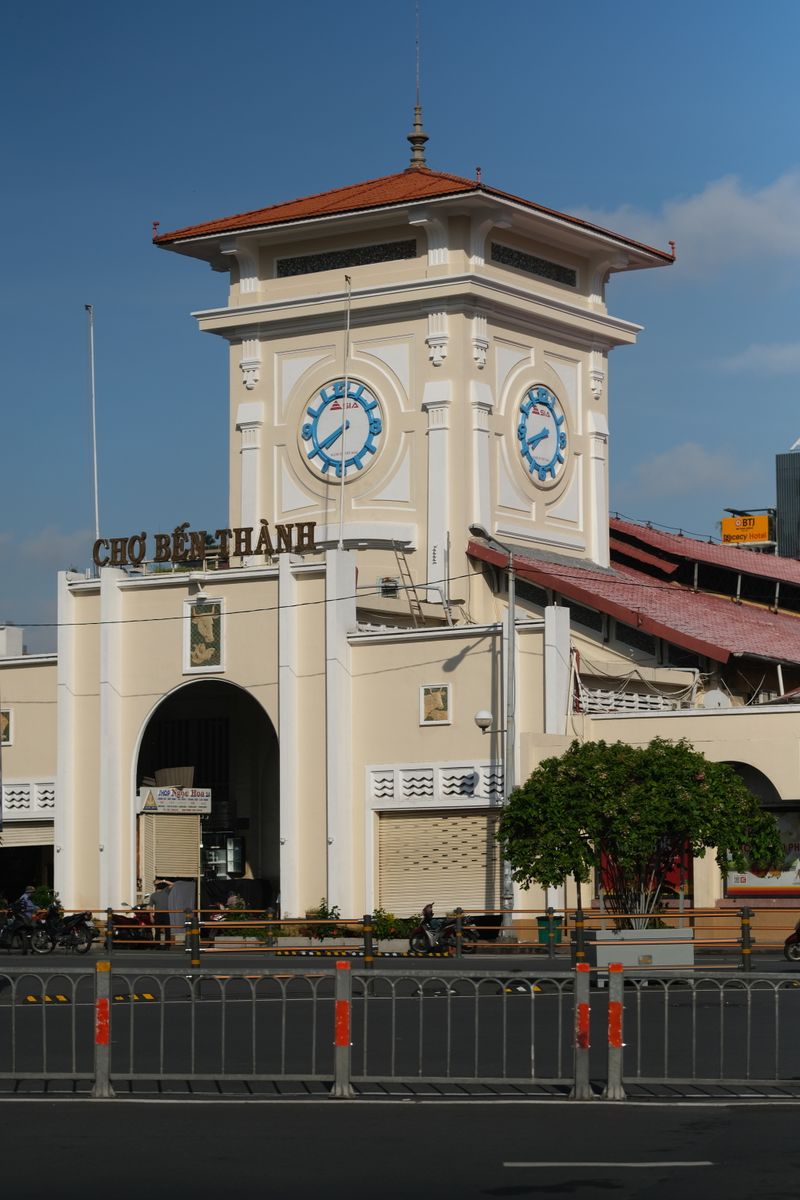
Ben Thanh Market Food Tour
Duration: 2 hours Price: $25-30 per person Meeting Point: Ben Thanh Market clock tower
A guided tour through Ho Chi Minh City's most famous market, with insider access to the best food vendors, ingredient identification lessons, and tastings of Southern specialties. Touristy but comprehensive.
Best For: First-time visitors, those staying in District 1, morning activity option
Binh Tay Market Authentic Tour
Duration: 3 hours Price: $30-40 per person Location: District 5 (Chinatown)
What Makes It Special: Binh Tay Market is where local Vietnamese shop—it's massive, chaotic, and absolutely authentic. This tour includes Chinese-Vietnamese specialties, wholesale sections, and vendors who speak little to no English. Much more authentic than Ben Thanh.
Best For: Experienced travelers, photographers, those interested in Chinese-Vietnamese food culture Languages: English, Mandarin Chinese
Pro Tip: Bring small bills for purchases—this market is cash-only and vendors often can't break large notes.
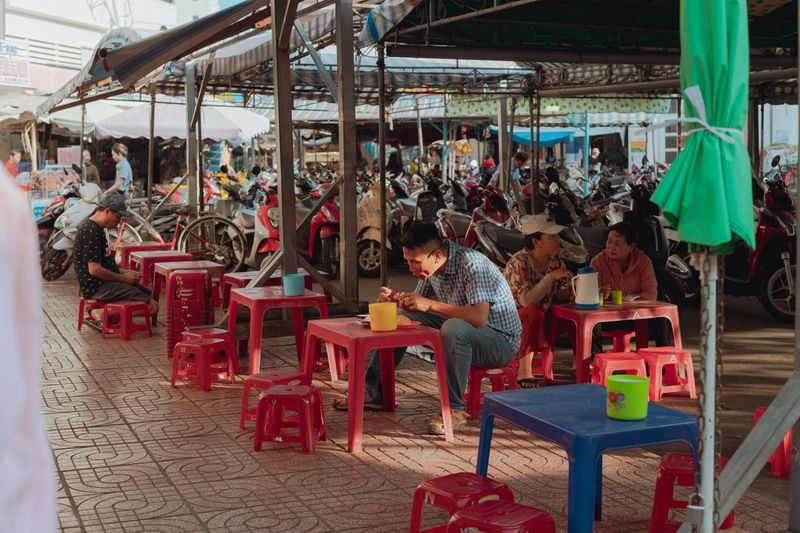
Hoi An Cooking Classes (Best in Vietnam)
Hoi An is widely considered Vietnam's cooking class capital, with the highest concentration of excellent schools and the most picturesque cooking environments.
Top Hoi An Cooking Classes
Red Bridge Cooking School (Most Famous)
Location: Riverside location, 4km from Hoi An (boat transfer included) Duration: 5 hours (market tour, boat ride, cooking, dining) Price: $35-49 per person (group), $180+ (private) Class Size: Maximum 30 people (but divided into smaller groups)
What Makes It Special: Red Bridge's riverside setting is stunning—you'll cook in an open-air pavilion overlooking palm trees and rice paddies. The experience begins with a boat ride from Hoi An to the school, includes market tour, hands-on cooking of 4-5 dishes, and ends with a relaxed riverside lunch. It's as much about the experience as the education.
Central Vietnamese Specialties:
- Cao lau (Hoi An's signature noodle dish)
- Banh xeo (Hoi An-style, slightly different from Saigon)
- Fresh spring rolls with local prawns
- Banh bao banh vac ("white rose" dumplings—Hoi An specialty)
- Vietnamese desserts
Best For: Scenic cooking experience, couples, photographers, half-day trip from Hoi An Skill Level: All levels Languages: English, French, German
Pro Tip: Book the morning class for better light for photos and cooler temperatures. The afternoon class can be very hot during summer months.
Tra Que Vegetable Village Cooking Class
Location: Tra Que Village, 3km from Hoi An Duration: 4-6 hours (includes farming activities) Price: $30-40 per person Class Size: Maximum 15 people
What Makes It Special: This unique class starts in the organic herb village of Tra Que, where you'll work in the gardens—planting, harvesting, and learning organic farming techniques. Then you'll wash your harvest in the village well and use these just-picked ingredients in your cooking. It's farm-to-table in the most literal sense.
Farm-to-Table Experience:
- Farming activities (planting, harvesting, preparing soil)
- Village tour with local farmers
- Cooking class with your harvested ingredients
- Tra Que specialty herbs (Vietnamese mint, perilla, Thai basil)
- Traditional foot massage in the gardens (30 minutes included)
Menu Features:
- Nem lui (lemongrass pork skewers)
- Banh xeo with ultra-fresh herbs
- Goi cuon made with just-picked herbs
- Tra Que salads
Best For: Nature lovers, families with kids, organic food enthusiasts, those wanting a countryside experience Skill Level: All levels Languages: English
Pro Tip: Wear clothes you don't mind getting dirty—the farming portion is authentic, which means you'll actually be in the fields. Bring sunscreen and a hat.
Morning Glory Cooking School
Location: Hoi An Old Town (convenient central location) Duration: 3.5 hours (market tour + cooking) Price: $35-45 per person Class Size: Maximum 12 people
What Makes It Special: Connected to the famous Morning Glory restaurant, this school benefits from chef Trinh Diem Vy's expertise (she's a celebrity chef in Vietnam). The class focuses on Hoi An and Central Vietnamese specialties, with professional instruction and excellent market insights.
Hoi An Specialties Menu:
- Cao lau (with the secret to authentic preparation)
- Mi quang (Central Vietnamese turmeric noodles)
- Banh bao banh vac (white rose dumplings)
- Banana flower salad
- Hoi An-style spring rolls
Best For: Foodies interested in Central Vietnamese cuisine, travelers staying in Old Town (no transfer needed), those wanting professional chef instruction Skill Level: Intermediate (slightly more technical than other classes) Languages: English
Pro Tip: The school offers specialized workshops (banh mi only, dumplings only) if you have limited time—these are 2 hours and cost $25.
Grasshopper Adventures Cooking on Wheels
Location: Starts in Hoi An, cycles to countryside Duration: 6 hours (cycling + market + cooking) Price: $60-75 per person Group Size: Maximum 10 people
What Makes It Special: Combine cycling through rice paddies with market shopping and cooking. You'll cycle 10-15km on flat, easy paths through countryside, stop at local markets and farms, then cook and eat in a family home. It's exercise, education, and immersion combined.
Best For: Active travelers, cyclists, those who want exercise and education combined Skill Level: All levels (cycling is easy) Languages: English
Hue Cooking Classes (Royal Cuisine)
Best Hue Cooking Experiences
Ancient Hue Garden House Cooking
Location: Traditional garden house in Hue Duration: 4 hours Price: $40-55 per person Class Size: Maximum 8 people (small groups only)
What Makes It Special: Hue's cooking classes focus on royal cuisine—elaborate dishes once served to Vietnam's emperors. The class takes place in a restored traditional garden house with period furnishings, offering unique insight into imperial Vietnamese food culture.
Royal Cuisine Specialties:
- Banh beo (steamed rice cakes with shrimp)
- Banh nam (flat rice dumplings)
- Bun bo Hue (spicy beef noodle soup)
- Nem lui (lemongrass pork on skewers)
- Com hen (baby clam rice)
- Imperial tea ceremony
Best For: History enthusiasts, those interested in upscale Vietnamese cuisine, small group preference Skill Level: Intermediate (some dishes are technical) Languages: English, French
Pro Tip: Request the "Royal Banquet" menu ($75) which includes additional imperial dishes and formal Vietnamese serving traditions.
Hue Vegetarian Buddhist Cooking
Location: Dieu De Pagoda area Duration: 3 hours Price: $35-45 per person Class Size: Maximum 10 people
What Makes It Special: Hue has a strong Buddhist tradition, and this class teaches authentic Vietnamese vegetarian cooking—not westernized vegetarian, but traditional Buddhist temple cuisine. You'll learn to create "mock meats" from tofu and wheat gluten, master vegetarian versions of classic dishes, and understand Buddhist food philosophy.
Vegetarian Buddhist Menu:
- Vegetarian bun bo Hue
- Mock meat dishes (made from tofu, mushrooms, wheat gluten)
- Temple-style spring rolls
- Buddhist sweet soups
- Five-color sticky rice
Best For: Vegetarians, Buddhists, anyone interested in plant-based Vietnamese cooking Skill Level: All levels Languages: English
Pro Tip: Classes on the 1st and 15th of the lunar month (traditional Buddhist vegetarian days) include visits to the pagoda's vegetarian feast—it's extraordinary.
Da Nang Cooking Classes
Best Da Nang Experiences
Da Nang Home Cooking Class
Location: Local residence in Da Nang Duration: 4 hours Price: $35-45 per person Class Size: Maximum 10 people
What Makes It Special: Learn to cook in a local family's home, with market shopping at Con Market (Da Nang's main local market). The focus is on seafood and coastal specialties unique to Central Vietnam's coast.
Coastal Specialties:
- Mi quang (Da Nang's signature noodle dish)
- Bun cha ca (fish cake noodle soup—Da Nang specialty)
- Grilled seafood techniques
- Fish sauce making demonstration
- Nem lui (lemongrass pork)
Best For: Seafood lovers, travelers interested in coastal Vietnamese cuisine Skill Level: All levels Languages: English
My Khe Beach Cooking Class
Location: Beach area near My Khe Beach Duration: 3.5 hours Price: $40-50 per person Class Size: Maximum 8 people
A unique beachside cooking class focusing on seafood, with beach views, ocean breeze, and the freshest coastal ingredients. The casual beachy atmosphere is relaxed and fun.
Best For: Beach lovers, casual learners, those who want a relaxed vibe Skill Level: Beginner-friendly
Half-Day vs. Full-Day Classes: What to Choose
Half-Day Classes (3-5 hours)
Typical Structure:
- Market tour (optional): 45-60 minutes
- Cooking instruction: 2-2.5 hours
- Dining: 45-60 minutes
- Total: 3.5-4.5 hours
What's Included:
- 3-5 dishes taught
- Market tour (most classes)
- All ingredients and equipment
- Recipe booklet
- Shared meal of what you cooked
Advantages:
- Fits into a day with other activities
- More affordable ($30-50 vs. $80-150)
- Covers essential dishes and techniques
- Less physically demanding
- Good for beginners or those unsure if they'll enjoy it
Disadvantages:
- Less depth on techniques
- Fewer dishes learned
- Shorter market experience
- Less time for questions and practice
- Larger class sizes (10-15 people)
Best For: Travelers with limited time, first-time cooking class participants, budget-conscious travelers, those wanting to sample the experience
Full-Day Classes (6-8 hours)
Typical Structure:
- Morning market tour: 90-120 minutes
- Cooking session 1 (morning): 2-3 hours
- Lunch (eating what you cooked): 60-90 minutes
- Cooking session 2 (afternoon): 2-3 hours
- Dinner/closing: 60 minutes
- Total: 7-8 hours
What's Included:
- 7-10 dishes taught
- Extensive market tour with deep ingredient knowledge
- Multiple cooking sessions
- Lunch and dinner
- Comprehensive recipe booklet with photos
- More individualized attention
- Sometimes includes take-home ingredients or spices
Advantages:
- Deep dive into Vietnamese cooking
- More hands-on practice
- Learn both basic and advanced techniques
- Extensive market education
- Smaller class sizes (6-10 people)
- More time for questions and corrections
- Better value per dish taught
- Deeper cultural insights
Disadvantages:
- Takes up entire day
- More expensive ($80-150+)
- Can be physically tiring (lots of standing)
- May be overwhelming for beginners
- Less flexibility if you don't enjoy it
Best For: Serious home cooks, travelers staying 5+ days, those who want comprehensive instruction, small groups who want immersion
Quick Comparison
| Feature | Half-Day | Full-Day |
|---|---|---|
| Duration | 3-5 hours | 6-8 hours |
| Price | $30-55 | $80-150 |
| Dishes Learned | 3-5 | 7-10 |
| Class Size | 10-15 people | 6-10 people |
| Market Time | 45-60 min | 90-120 min |
| Skill Level | Beginner-focused | All levels |
| Attention | Less individual | More individual |
| Best For | Short trips, sampling | Serious cooks, immersion |
Recommendation: If you're unsure, start with half-day. If you love it and have time, book a full-day class in another city during your trip.
Price Ranges and What's Included
Budget Options ($20-35)
What You Get:
- Group classes (12-20 people)
- 2-3 dishes taught
- Demonstration-style (watch then cook)
- Basic market tour or no market tour
- Recipe card (not booklet)
- Shared meal
Quality: Still good, but less personalized attention. Fine for budget travelers or those just wanting to try it once.
Where to Find: Look for classes run by hostels, smaller operations, or specialty workshops (banh mi only, spring rolls only)
Mid-Range Options ($35-60)
What You Get:
- Group classes (8-12 people)
- 3-5 dishes taught
- Hands-on cooking (everyone cooks)
- Market tour included
- Recipe booklet with photos
- Individual cooking station or shared station
- All meals included
- English-speaking instructor
Quality: This is the sweet spot—excellent quality, reasonable price, comprehensive experience.
Where to Find: Most reputable cooking schools fall in this range (Red Bridge, Saigon Cooking Class, Hanoi Cooking Centre, etc.)
Premium Options ($60-120)
What You Get:
- Small groups (6-8 people) or semi-private
- 5-7 dishes taught
- Extended market tour with insider access
- Individual cooking stations
- Professional-grade equipment
- Comprehensive recipe booklet
- Sometimes includes transportation
- Market purchases to take home
- More personalized instruction
Quality: Excellent instruction, small groups, better ingredients, beautiful facilities.
Where to Find: High-end cooking schools, classes connected to upscale restaurants, boutique experiences
Luxury/Private Options ($120-300+)
What You Get:
- Private class (1-4 people)
- Customizable menu
- Extensive market tour with multiple markets
- 6-10 dishes taught
- Celebrity chef or highly experienced instructor
- Transportation included
- All market purchases included
- Professional photos of your dishes
- Premium ingredients
- Cookbook or advanced recipe collection
- Sometimes multi-day programs
Quality: Ultimate experience—completely personalized, family recipes, deep cultural insights, flexible schedule.
Where to Find: Private chefs, high-end hotels, boutique cooking schools offering private sessions, multi-day culinary tours
What's Typically Included (All Price Ranges)
Always Included:
- Cooking instruction
- All ingredients for dishes taught
- Use of equipment and workspace
- Meal consisting of dishes you cooked
- Recipe cards or booklet
Usually Included (Mid-Range and Above):
- Market tour
- English-speaking instructor
- Apron (yours to keep)
- Group photos
- Hotel pickup/drop-off (city center hotels)
Sometimes Included:
- Transportation to/from class
- Welcome drinks
- Market purchases to take home
- Cookbook
- Certificate of completion
- Post-class support (emailing questions about recipes)
Never Included (Bring Your Own):
- Alcoholic beverages (unless specified)
- Personal purchases at markets
- Tips for instructors (appreciated but not required)
- Transportation from distant hotels
Classes by Skill Level
Absolute Beginner (Never Cooked Vietnamese Food)
Best Starting Classes:
- Hanoi Cooking Centre (Hanoi)
- Saigon Street Eats banh mi workshop (HCMC)
- Red Bridge morning class (Hoi An)
Look For:
- "Beginner-friendly" in description
- Demonstration followed by hands-on practice
- Basic dishes (pho, spring rolls, banh mi)
- Patient instructors who speak clear English
- Smaller class sizes
- Step-by-step recipe booklets
Dishes to Start With:
- Fresh spring rolls (goi cuon) - very forgiving
- Banh mi (straightforward assembly)
- Pho (from prepared broth - focus on garnishing)
- Simple stir-fries
- Vietnamese coffee
Avoid Initially:
- Banh xeo (requires technique for perfect crispiness)
- Bun bo Hue (complex broth)
- Complicated knife work dishes
- Dishes requiring specialized equipment
- Imperial Hue cuisine (very technical)
Intermediate (Comfortable in Kitchen, New to Vietnamese Cooking)
Best Classes:
- Blue Butterfly (Hanoi) - family recipes with depth
- Saigon Cooking Class (HCMC) - individual stations
- Morning Glory (Hoi An) - professional instruction
- Da Nang Home Cooking - seafood techniques
Look For:
- "Hands-on" emphasized
- Individual cooking stations
- Technique-focused instruction
- More complex dishes
- Market education about ingredient sourcing
Dishes to Try:
- Pho from scratch (making the broth)
- Banh xeo (mastering the crispy texture)
- Bun cha (grilling techniques)
- Cao lau (unique noodle preparation)
- Multiple-component dishes
Skills to Focus On:
- Flavor balancing
- Knife techniques for Vietnamese ingredients
- Wok cooking
- Rolling techniques (various styles)
- Sauce making from scratch
Advanced (Experienced Cook, Want Deep Dive)
Best Classes:
- Blue Butterfly private family class (Hanoi)
- Ancient Hue Garden House (Hue) - royal cuisine
- Private classes at any top school
- Multi-day immersive programs
Look For:
- Small groups (under 8 people) or private
- "Advanced techniques" mentioned
- Regional specialties
- Classes run by established chefs
- Flexibility to customize menu
- Post-class support for questions
Dishes to Master:
- Imperial Hue dishes (technical, multi-step)
- Bun bo Hue from scratch
- Banh bao banh vac (Hoi An dumplings)
- Complex noodle-making
- Advanced seafood preparations
- Regional specialties rarely taught
Advanced Topics:
- Regional variations of same dish
- Sauce and condiment variations
- Ingredient substitutions for home country
- Adapting street food techniques for home kitchens
- Traditional vs. modern methods
- Vietnamese food philosophy and history
Kids and Families (Ages 8+)
Best Family-Friendly Classes:
- Tra Que Village (Hoi An) - farming + cooking
- Saigon Cooking Class - spacious, well-equipped
- Most Hoi An schools (geared toward families)
Look For:
- "Kids welcome" or "family-friendly" specified
- Simple, fun dishes
- Shorter duration (3-4 hours max)
- Outdoor or spacious venues
- Hands-on elements beyond cooking (farming, market)
- Patient instructors experienced with children
Best Dishes for Kids:
- Fresh spring rolls (fun to roll)
- Banh mi (simple assembly)
- Nem lui (meat on sticks - kids love this)
- Vietnamese desserts
- Smoothies and drinks
Tips for Families:
- Book private classes for flexibility with kids' needs
- Choose morning classes (kids less tired)
- Confirm age minimums (most require 8+ or 10+)
- Bring sunscreen and hats for outdoor classes
- Some schools offer kids' discount (20-30% off)
Vegetarian and Vegan Cooking Classes
Best Vegetarian/Vegan Options
Dedicated Vegetarian Classes
Hue Buddhist Vegetarian Cooking (Best Overall):
- Location: Hue
- Focus: Traditional Buddhist temple cuisine
- Learn: Mock meats, tofu techniques, vegetarian versions of classics
- Price: $35-45
Hanoi Cooking Centre Vegetarian Menu:
- All-vegetarian menu available
- Vegetarian pho, spring rolls, tofu dishes
- Market tour focused on vegetables and herbs
May Kaidee (Various Locations):
- Vegetarian and vegan only
- Thai-Vietnamese fusion
- Very affordable ($25-35)
Classes with Excellent Vegetarian Options
Most Vietnamese cooking classes can accommodate vegetarians easily since Vietnamese cuisine has strong vegetarian traditions:
Easy to Adapt:
- Pho (vegetable broth instead of meat broth)
- Fresh spring rolls (tofu instead of shrimp)
- Banh xeo (mushroom and tofu filling)
- Stir-fries (all-vegetable)
- Noodle dishes (vegetable-based)
Request in Advance:
- Book at least 3-5 days ahead
- Specify "vegetarian" or "vegan"
- Ask about fish sauce alternatives (many use soy sauce)
- Confirm if eggs and dairy are acceptable (vegetarian but not vegan)
Vegan Considerations
Common Non-Vegan Ingredients in Vietnamese Cooking:
- Fish sauce (nước mắm) - in almost everything
- Shrimp paste (mắm tôm)
- Eggs (in many dishes)
- Condensed milk (in coffee, desserts)
- Oyster sauce
Vegan Substitutions:
- Fish sauce → Soy sauce or mushroom-based sauce
- Shrimp paste → Fermented soybean paste
- Eggs → Omit or use tofu
- Condensed milk → Coconut milk
- Oyster sauce → Mushroom stir-fry sauce
Best Schools for Vegans:
- Hue Buddhist cooking classes (naturally vegan-friendly)
- Blue Butterfly Hanoi (can fully customize menu)
- Any class if you book private and specify dietary needs
Pro Tip: Learn the phrase "Tôi ăn chay không trứng không sữa" (I eat vegan - no eggs no milk) to use at markets.
Private vs. Group Classes
Group Classes (Standard)
Class Size: 8-15 people (sometimes up to 20 in large schools)
Advantages:
- More affordable ($30-60)
- Meet other travelers
- Social, fun atmosphere
- Good for solo travelers
- Shared experiences and conversations
- See different techniques from other participants
- Available daily with frequent schedule
- Easy to book last-minute (usually)
Disadvantages:
- Less individual attention
- Fixed menu (can't customize)
- May need to wait for slower participants
- Less flexibility on timing
- Larger groups can feel impersonal
- Harder to ask detailed questions
- May share cooking stations
Best For: Solo travelers, budget-conscious travelers, social people, first-time cooking class participants, those with standard dietary needs
Private Classes
Class Size: 1-6 people (your group only)
Advantages:
- Completely customizable menu
- Undivided instructor attention
- Flexible scheduling (start time, duration)
- Can adjust pace to your learning speed
- More time for questions and practice
- Can focus on specific techniques
- Better for specific dietary requirements
- Individual cooking stations guaranteed
- Sometimes includes family recipes not taught in group classes
- Can visit multiple markets if desired
Disadvantages:
- Significantly more expensive ($120-300+ for 2 people)
- Less social interaction
- Need to book well in advance (1-2 weeks minimum)
- May miss the fun group dynamic
- All attention on you (can feel pressured)
Best For: Couples seeking romantic experience, serious cooks wanting depth, those with complex dietary needs, families with children, travelers with schedule constraints, those wanting specific recipes or techniques
Semi-Private (Small Groups)
Class Size: 4-8 people
The Middle Ground:
- Moderately priced ($60-100)
- Some customization possible
- Personal attention but also social aspect
- Small enough for questions, large enough for dynamics
Where to Find:
- Blue Butterfly (Hanoi) - naturally small groups
- Ancient Hue Garden House - caps at 8
- Boutique cooking schools
Couples Classes
Some schools offer couple-specific experiences:
- Red Bridge (Hoi An) has romantic couples packages
- Cooking on Wheels (Hoi An) pairs well for couples
- Blue Butterfly private (Hanoi) perfect for couples wanting intimacy
Couples Benefits:
- Share cooking station (romantic)
- Work together on dishes
- More romantic dining afterward
- Sometimes includes wine/cocktails
- Perfect for honeymoons or anniversaries
Price: Usually $150-250 for two people (private)
Taking Recipes Home: What Works, What Doesn't
Recipes That Work at Home
Easy to Replicate:
Fresh Spring Rolls (Goi Cuon):
- ✓ All ingredients available internationally
- ✓ Technique is straightforward
- ✓ No special equipment needed
- ✓ Rice paper available at Asian markets
- Success Rate: 95%
Banh Mi:
- ✓ Bread available (use French baguette)
- ✓ Pickled vegetables easy to make
- ✓ Pate and meats accessible
- ✓ Fresh herbs growing in many climates
- Success Rate: 90%
Vietnamese-Style Grilled Meats:
- ✓ Marinade ingredients widely available
- ✓ Works on any grill
- ✓ Fish sauce available globally now
- ✓ Lemongrass increasingly common
- Success Rate: 85%
Pho (Simplified Home Version):
- ✓ Recipe booklets include shortcuts
- ✓ Most spices available online
- ✓ Rice noodles in Asian markets
- ✓ Can use chicken or beef bones from local butcher
- Challenge: Time-consuming but doable
- Success Rate: 75%
Vietnamese Coffee:
- ✓ Phin filters cheap on Amazon
- ✓ Vietnamese coffee available online
- ✓ Condensed milk everywhere
- Success Rate: 95%
Recipes That Are Challenging
Difficult to Replicate:
Cao Lau (Hoi An specialty):
- ✗ Noodles require specific water and ash
- ✗ True version only authentic in Hoi An
- ✗ No real substitute exists
- Success Rate: 20% (approximations only)
Bun Bo Hue (from scratch):
- ⚠ Complex, all-day broth preparation
- ⚠ Special ingredients hard to find (sa te, mam ruoc)
- ⚠ Multiple components
- Challenge: Possible but time-intensive
- Success Rate: 40%
Banh Xeo (crispy perfection):
- ⚠ Requires high heat and technique
- ⚠ Special flour blend (can approximate)
- ⚠ Takes practice to master crispy texture
- Challenge: Ingredients available, technique difficult
- Success Rate: 60%
Imperial Hue Dishes:
- ✗ Very technical, multiple components
- ✗ Specialty ingredients rare
- ✗ Presentation requires skill
- ⚠ Simplified versions possible
- Success Rate: 30%
Ingredient Sourcing at Home
Easy to Find (Most Major Cities):
- Fish sauce (widely available now)
- Rice noodles (any Asian market)
- Rice paper (spring roll wrappers)
- Coconut milk
- Soy sauce, hoisin sauce
- Thai basil (many supermarkets or grow your own)
- Lemongrass (increasingly common)
- Fresh ginger, garlic
- Lime
Available at Asian Markets:
- Vietnamese coffee (Trung Nguyen, Highlands)
- Specific noodle types (bun, pho noodles)
- Rice flour
- Banana leaves
- Fish sauce varieties
- Specialty sauces
- Fresh herbs (Vietnamese coriander, Thai basil)
- Asian vegetables
Order Online:
- Authentic Vietnamese ingredients
- Specific spices (star anise, cinnamon bark)
- Phin coffee filters
- Specific sauces
- Cookbooks
Grow Yourself (If Possible):
- Thai basil (easy in warm climates)
- Vietnamese coriander (rau răm)
- Lemongrass (grows in pots)
- Perilla (shiso)
- Mint varieties
Substitutions That Work:
- Lemongrass → Lemon zest + fresh ginger (not exact but workable)
- Thai basil → Regular basil (different but acceptable)
- Fish sauce → Soy sauce (for vegetarians, but flavor very different)
- Rice paper → Spring roll wrappers (different types available)
No Real Substitute:
- Fish sauce (distinctive flavor, central to Vietnamese cooking)
- Cao lau noodles (unique to Hoi An)
- Certain Vietnamese herbs (Vietnamese coriander, perilla)
Tips for Success at Home
During the Class:
- Take detailed notes (most people forget details later)
- Ask about substitutions for ingredients you can't source
- Photograph each step (your phone is your friend)
- Ask instructor to write down ingredient names in English and Vietnamese
- Request tips for home kitchens (different equipment)
- Get recommendations for online ingredient sources
After the Class:
- Try recipes within 2 weeks while fresh in memory
- Start with the easiest recipe first
- Don't expect perfection—Vietnamese cooking takes practice
- Join online communities (Reddit r/VietnameseFood)
- Video yourself if possible during class for reference
- Email your instructor if you have questions (most are happy to help)
Recipe Success Strategy:
- Master one dish completely before moving to next
- Start with spring rolls (easy win builds confidence)
- Move to marinades and grilled meats (very doable)
- Try pho (ambitious but rewarding)
- Experiment with regional variations once basics mastered
Markets Worth Visiting Independently
Best Markets for Food Tourists
Hanoi Markets
Dong Xuan Market:
- Location: Old Quarter, northern end
- Best For: Largest market, comprehensive selection, observing local life
- What to See: Three floors—street food ground level, fabric and goods upper floors, wet market in back building
- Best Time: 6-10am (freshest, most active)
- Pro Tip: Don't expect English—this is authentic local market. Bring photos of ingredients you're looking for.
Hang Da Market:
- Location: Hoan Kiem District
- Best For: Flowers, fresh produce, herbs
- What to See: Beautiful displays of tropical fruits, exotic vegetables, fresh herbs
- Best Time: Early morning (7-9am)
- Pro Tip: Great for photography—vendors arrange displays beautifully.
Ho Chi Minh City Markets
Ben Thanh Market:
- Location: District 1, city center
- Best For: First-time visitors, convenient location, food court
- What to See: Everything from fresh produce to souvenirs, large food stall section
- Best Time: Early morning (6-8am) for fresh food, evening (6pm+) for night market
- Pro Tip: Touristy and prices higher, but convenient and safe for beginners. Practice negotiating.
Binh Tay Market (Cho Lon):
- Location: District 5 (Chinatown)
- Best For: Authentic wholesale market, Chinese-Vietnamese specialties, serious food enthusiasts
- What to See: Massive complex with specialized sections—dried goods, spices, fresh produce, seafood, meat
- Best Time: 6-9am (wholesale activity)
- Pro Tip: This is where locals and restaurant owners shop. Bring small bills, little English spoken, amazing for photography.
Tan Dinh Market:
- Location: District 1 (near backpacker area)
- Best For: Fabric, but also excellent food section
- What to See: Great wet market section, fresh herbs, street food vendors outside
- Best Time: 7-11am
- Pro Tip: Less touristy than Ben Thanh, more manageable than Binh Tay—the sweet spot.
Central Vietnam Markets
Hoi An Central Market:
- Location: Old Town waterfront
- Best For: Cao lau ingredients, local specialties, riverside atmosphere
- What to See: Fresh fish from Thu Bon River, herbs, vegetables, prepared foods
- Best Time: 6-9am
- Pro Tip: Vendors here are used to cooking class groups, so relatively friendly to tourists.
Con Market (Da Nang):
- Location: Da Nang city center
- Best For: Authentic local market, seafood
- What to See: Excellent seafood section (Da Nang is coastal), fresh produce, prepared foods
- Best Time: Very early morning (5-8am)
- Pro Tip: This is where locals shop—very little English but authentic experience.
Dong Ba Market (Hue):
- Location: Hue city center, near Perfume River
- Best For: Hue specialties, royal cuisine ingredients
- What to See: Special Hue ingredients (sesame candy, fermented shrimp paste, rice cakes), fabrics
- Best Time: 6-10am
- Pro Tip: Try Hue specialties in the food court inside—banh beo, banh nam, bun bo Hue.
Independent Market Visiting Tips
Before You Go:
- Bring small bills (20,000 and 50,000 VND notes)
- Download Google Translate offline
- Bring reusable bags
- Wear comfortable shoes (wet floors common)
- Bring hand sanitizer
- Charge your phone (for photos and translation)
At the Market:
- Arrive early (6-9am) for best selection and freshest ingredients
- Ask prices before purchasing ("Bao nhiêu?")
- Expect to negotiate (except at fixed-price stalls)
- Don't touch produce unless indicated (vendors choose for you)
- Take photos (usually fine, but ask first)
- Try street food outside markets (often excellent)
- Watch for motorbikes (markets often connect to streets)
What to Buy:
- Coffee: Vacuum-packed Vietnamese coffee (great souvenirs)
- Spices: Star anise, cinnamon sticks, dried chili
- Sauces: Fish sauce (wrap carefully!), chili sauce
- Dried Goods: Dried fruit, rice crackers, shrimp chips
- Fresh Herbs: If staying in accommodation with kitchen
- Tea: Vietnamese tea varieties
What Not to Buy:
- Fresh meat/seafood (unless cooking immediately)
- Anything you can't identify (safety)
- Overly cheap luxury goods (likely fake)
Market Etiquette:
- Don't haggle aggressively (it's disrespectful)
- Buy from vendors who make eye contact and smile
- Small purchases (one banana) may be met with confusion
- Locals shop by gestures and pointing—you can too
- If vendor quotes high price and you walk, they may call you back
Safety:
- Watch belongings (pickpockets target tourists)
- Be careful on wet floors
- Don't block aisles (motorbikes use them sometimes)
- Avoid markets at night (safety and freshness concerns)
Food Photography Workshops Combined with Cooking
Culinary Photography Classes
For Instagram enthusiasts and food bloggers, several schools now offer photography workshops combined with cooking:
Hanoi Food Photography + Cooking
Hanoi Cooking Centre Photography Package:
- Duration: 6 hours
- Price: $95-120
- Includes: DSLR or mirrorless camera provided if needed
- What You Learn:
- Market photography (street photography techniques)
- Food styling fundamentals
- Natural lighting for food
- Composition basics
- Phone photography optimization
- Editing basics (Lightroom mobile)
- Instagram best practices
- Best For: Bloggers, influencers, serious food photography enthusiasts
Hoi An Food Styling Workshop
Red Bridge Photography Special:
- Duration: 5 hours
- Price: $85-100
- What You Learn:
- Plating Vietnamese dishes beautifully
- Props and backgrounds
- Overhead vs. 45-degree shots
- Natural light positioning
- Editing for social media
- Shooting video content
- Best For: Instagram content creators, food bloggers
Saigon Food Content Creator Workshop
Saigon Cooking Class + Photography:
- Duration: Full day (7 hours)
- Price: $120-140
- Focus: Creating complete social media content
- Includes:
- Cooking class
- Photography instruction
- Video shooting techniques
- Reel/TikTok content creation
- Story content strategies
- Professional photographer guides you
- All photos provided edited
DIY Food Photography Tips During Classes
If Your Class Doesn't Include Photography Instruction:
During Market Tour:
- Capture vendor portraits (ask first)
- Close-ups of ingredients
- Wide shots showing market atmosphere
- Detail shots (textures, colors)
- Behind-the-scenes vendor prep
During Cooking:
- Photograph each step (overhead is best)
- Capture hands working (yours or chef's)
- Document ingredients before and after prep
- Show cooking process (grilling, stirring, rolling)
- Take team photos with chef
During Dining:
- Overhead "flat lay" of finished dishes
- 45-degree angle for depth
- Use natural light (sit near windows)
- Include Vietnamese elements (chopsticks, small bowls)
- Capture table setting and atmosphere
- Get photos of yourself enjoying the meal
Phone Photography Settings:
- Use portrait mode for dishes (background blur)
- Tap to focus on main subject
- Adjust exposure (slide up/down after tapping)
- Use natural light (avoid flash)
- Grid lines for composition (rule of thirds)
- HDR for high-contrast scenes
Best Photo Opportunities by City:
- Hanoi: Dong Xuan Market, street food preparation, pho steam
- HCMC: Ben Thanh Market, banh mi assembly, colorful ingredients
- Hoi An: Riverside cooking at Red Bridge, lantern-lit dining, Tra Que herbs
- Hue: Royal cuisine presentation, traditional garden houses, imperial styling
Kids-Friendly Cooking Classes
Best Classes for Children (Ages 8-16)
Tra Que Village (Hoi An) - Best Overall for Kids
Why Kids Love It:
- Farming activities (planting, harvesting)
- Getting dirty is encouraged
- Shorter attention span activities
- Movement and variety
- Foot massage at end (kids think it's funny)
- Animals around the village
- Water buffalo sightings
- Open outdoor space
Age Minimum: 8 years Price: Kids 8-12 receive 30% discount Duration: 4 hours (perfect length for kids)
Pro Tip: Let kids choose their own herbs to harvest—they'll be more excited to cook with them.
Red Bridge Kids Program (Hoi An)
Special Kids Features:
- Simplified recipes
- Shorter cooking time
- Boat ride (kids love this)
- Pool available (swim before class)
- Kid-friendly menu options
- Patient instructors experienced with children
Age Minimum: 10 years Price: Kids 10-14 receive 25% discount Best For: Active kids who might get bored with too much cooking
Saigon Cooking Class Family Package
Family-Friendly Features:
- Spacious facility
- Age-appropriate tasks assigned
- Simple dishes kids actually like
- Spring roll making (kids' favorite)
- Banh mi assembly (straightforward)
Age Minimum: 8 years Price: Family packages available (4 people) Best For: Families with multiple children
What Kids Actually Enjoy Making
Top 5 Kid-Friendly Dishes:
- Fresh Spring Rolls: Rolling is fun, immediate results, eat with hands
- Banh Mi: Assembly activity, sandwiches familiar, customize toppings
- Nem Lui (Meat on Lemongrass Sticks): Meat on sticks = kid heaven, grilling excitement
- Fruit Carving: Many classes include this, kids love the artistry
- Vietnamese Desserts: Che (sweet soups), fruit smoothies, iced coffee
Kids Usually Dislike:
- Long broth-making (too much waiting)
- Complex knife work (frustrating)
- Dishes with "weird" textures
- Very spicy foods
- Strong flavors (fish sauce, fermented shrimp)
Tips for Cooking Classes with Kids
Before Booking:
- Confirm minimum age (most require 8-10+)
- Ask if instructors have child experience
- Check if facility is child-safe (hot surfaces, equipment)
- Request kid-friendly menu options
- Ask about restroom facilities
- Confirm if kids discount available (usually 20-30%)
During Class:
- Let kids choose one dish they're most excited about
- Pair each child with an adult for supervision
- Bring snacks (kids get hungry waiting)
- Don't force them to try everything
- Take lots of photos (kids love seeing themselves cook)
- Praise their work enthusiastically
- Lower expectations (messy is fine)
Best Ages:
- 8-10: Need constant supervision, shorter classes best
- 11-13: More independent, can follow instructions
- 14+: Often as capable as adults, full class appropriate
Safety Considerations:
- Supervise all knife work
- Watch around hot woks and grills
- Be cautious around charcoal/open flames
- Ensure proper handwashing
- Bring first aid supplies
- Consider private class for better safety control
Booking Tips and Practical Information
How Far in Advance to Book
Peak Season (November-March, July-August):
- Popular Classes: 1-2 weeks advance booking
- Private Classes: 2-3 weeks advance booking
- Same-Day Booking: Rarely available during peak season
- Recommendation: Book as soon as you have travel dates
Shoulder Season (April-June, September-October):
- Popular Classes: 3-5 days advance booking
- Private Classes: 1 week advance
- Last-Minute: Sometimes possible 1-2 days before
- Recommendation: Book 1 week out to be safe
Low Season (May-June, September):
- Popular Classes: 1-3 days advance booking often fine
- Private Classes: 3-5 days usually sufficient
- Last-Minute: Frequently available same-day or next-day
- Recommendation: Book 3-5 days out, but flexible
Where to Book
Direct Booking (Usually Best):
- School's own website
- Email or phone directly
- Often slightly cheaper (no commission)
- More flexible with special requests
- Direct communication for dietary needs
TripAdvisor/Viator:
- Easy reviews and comparisons
- Secure payment
- Sometimes higher prices (platform fees)
- Good for reading authentic reviews
- Instant confirmation
Hotel/Hostel:
- Very convenient
- May get commission (slightly higher price)
- Good if you trust their recommendations
- Can't always choose specific school
- Easy logistics
Tour Companies:
- Often bundle with other activities
- May be demonstration-style (not hands-on)
- Less personalized
- Good for nervous first-timers
What to Bring
Essential:
- Cash for personal market purchases
- Camera/phone for photos
- Sunscreen (many classes partially outdoors)
- Hat for market tours
- Hand sanitizer
- Water bottle (stay hydrated)
- Notebook and pen (if you like notes)
Recommended:
- Light clothing (kitchens get hot)
- Closed-toe shoes (safety)
- Hair tie if you have long hair
- Small daypack for purchases
- Mosquito repellent (outdoor classes)
- Appetite (you'll eat a lot!)
Don't Bring:
- Large bags (nowhere to store them)
- Valuable jewelry (may get splashed)
- White clothing (cooking is messy)
- Heavy camera equipment (phone is enough)
Dietary Restrictions and Allergies
Common Accommodations:
- Vegetarian (easily accommodated)
- No pork (common request, easily managed)
- Seafood allergies (can substitute chicken/tofu)
- Gluten-free (trickier but possible with advance notice)
- Dairy-free (Vietnamese cuisine has little dairy)
Difficult Accommodations:
- Severe nut allergies (peanuts in many dishes)
- Soy allergies (soy sauce everywhere)
- Complex multiple allergies
- Very restrictive diets
How to Handle:
- Mention during booking (not day-of)
- Confirm again 1-2 days before
- Bring allergy card in Vietnamese
- Ask about fish sauce (contains fish, obviously)
- Private classes easier for complex needs
Cancellation Policies
Typical Policies:
- 7+ days before: Full refund
- 3-6 days before: 50% refund
- 0-2 days before: No refund
- No-show: No refund
Exceptions:
- Medical emergencies (may offer reschedule)
- Weather cancellations (full refund)
- School cancels (full refund or reschedule)
Travel Insurance: Consider for expensive private classes if booking far in advance.
Questions to Ask Before Booking
About the Class:
- Hands-on or demonstration-style?
- How many dishes will we cook?
- Individual or shared cooking stations?
- Maximum class size?
- Is market tour included?
- What happens if it rains?
- What language is instruction in?
About Logistics:
- Is hotel pickup included?
- Where exactly is the location?
- How do we get there if no pickup?
- What time does class start/end?
- Is tipping expected?
- Can we buy extra ingredients at market?
About Food:
- Can you accommodate [dietary restriction]?
- How spicy is the food?
- Can we adjust spice levels?
- Will we eat everything we cook?
- Can we take leftovers home?
- Do you provide recipes in English?
Final Recommendations by Traveler Type
For Solo Travelers
Best Choices:
- Highway4 evening class (Hanoi) - social atmosphere
- Saigon Cooking Class (HCMC) - meet other travelers
- Any Red Bridge class (Hoi An) - popular with solo travelers
- Group classes over private (meet people)
Why These Work: Natural conversation during cooking, shared meals encourage connection, other solo travelers often attend
For Couples
Best Romantic Options:
- Blue Butterfly private (Hanoi) - intimate, family home
- Red Bridge with boat transfer (Hoi An) - beautiful setting
- Ancient Hue Garden House (Hue) - historic romantic venue
- Any cooking on wheels (Hoi An) - adventure together
Pro Tip: Book private classes and arrive with wine—create your own romantic cooking date
For Foodies and Serious Cooks
Best for Learning:
- Blue Butterfly family recipes (Hanoi) - deep technique
- Morning Glory (Hoi An) - professional chef instruction
- Ancient Hue royal cuisine (Hue) - complex dishes
- Full-day classes over half-day (more depth)
- Private classes (customize to your interests)
Pro Tip: Email schools ahead with specific techniques you want to learn
For Families with Kids
Most Kid-Friendly:
- Tra Que Village (Hoi An) - farming + cooking
- Red Bridge (Hoi An) - boat ride, pool, kid experience
- Saigon Cooking Class (HCMC) - spacious, well-equipped
- Private classes (complete flexibility)
Pro Tip: Choose half-day classes and plan swimming/relaxing afterward
For Budget Travelers
Best Value:
- Banh mi workshops (2 hours, $25-30) - affordable specialty classes
- Saigon Street Eats (HCMC) - excellent quality, reasonable price
- Group classes at any school (always cheaper)
- Classes in less touristy cities (Hue, Da Nang slightly cheaper)
Money-Saving Tips:
- Book directly with schools (avoid platform fees)
- Choose half-day over full-day
- Look for shoulder season discounts
- Some hostels offer cooking classes (basic but cheap)
For Short-Stay Travelers (2-3 Days)
Quick but Meaningful:
- Half-day classes (morning: 8am-12pm)
- Skip market tour if time very limited (choose cooking-only)
- Specialty workshops (banh mi only, pho only)
- Choose one city, one excellent class
Recommendation: Better to do one quality class than rush through multiple mediocre ones
For Vegetarians/Vegans
Best Options:
- Hue Buddhist vegetarian cooking - specializes in vegan
- May Kaidee (various cities) - vegan only
- Any class with advance notice - most accommodate easily
- Private classes - easier to customize completely
For Multi-Week Travelers
Progressive Learning Plan:
- Week 1: Take intro class in first city (learn basics)
- Week 2: Take regional specialty class in second city
- Week 3: Take advanced or private class in third city
- Build Skills: Each class builds on previous knowledge
Regional Specialties Route:
- Hanoi: Northern classics (pho, bun cha)
- Hue: Royal cuisine, Buddhist vegetarian
- Hoi An: Central specialties (cao lau, mi quang)
- HCMC: Southern dishes (banh xeo, hu tieu)
Conclusion: Your Vietnamese Culinary Journey
Vietnamese cooking classes and market tours offer one of the most meaningful and memorable experiences you can have in Vietnam. You'll return home not just with photos and souvenirs, but with real skills, authentic recipes, and a deep appreciation for Vietnamese culture that goes far beyond typical tourism.
The October harvest season brings Vietnam's culinary scene to life with the freshest ingredients and special seasonal dishes. Whether you're mastering the perfect pho in Hanoi, rolling fresh spring rolls in Hoi An, grilling bun cha over charcoal in a family home, or learning royal cuisine in Hue's historic garden houses, these hands-on experiences connect you to Vietnamese culture in ways no restaurant or street food tour ever could.
Key Takeaways for Your Culinary Adventure:
If You Do Only One Class:
- Choose Hoi An (best overall infrastructure and variety)
- Pick half-day with market tour (comprehensive experience)
- Go for mid-range price point ($35-55) for quality
- Book 1 week ahead to ensure availability
For Maximum Learning:
- Start with group class to build confidence
- Progress to private class once you know what interests you
- Take full-day class if serious about Vietnamese cooking
- Bring detailed questions about techniques and ingredients
For Best Cultural Immersion:
- Choose classes in family homes over commercial schools
- Participate fully in market tours (ask questions, touch ingredients)
- Request family recipes or regional specialties
- Connect with instructors on social media for post-trip questions
For Practical Home Cooking:
- Focus on learning techniques more than specific recipes
- Ask about ingredient substitutions for your home country
- Take photos of every step (you'll forget details)
- Practice within 2 weeks of returning home
For Meeting Other Travelers:
- Group classes over private
- Evening classes tend to be more social
- Schools near backpacker areas attract more solo travelers
- Cooking + other activities (cycling, motorbiking) great for bonding
The beauty of Vietnamese cooking is that it's approachable—you don't need expensive equipment, rare ingredients, or professional training to cook delicious Vietnamese food at home. What you do need is an understanding of flavor balance, some fundamental techniques, and the confidence that comes from hands-on practice with an expert instructor. Vietnamese cooking classes give you all three.
So book that class, show up hungry and curious, embrace the inevitable mess and mistakes, laugh with your fellow students, ask all your questions, take a million photos, and savor every moment. The skills you learn will serve you for years, the recipes will impress dinner guests, and the memories of cooking in Vietnam will last a lifetime.
Chúc bạn học nấu ăn vui vẻ! (Happy cooking lessons!)
Planning Your Cooking Class: Book 1-2 weeks ahead during peak season, bring cash for market purchases, wear comfortable clothes you don't mind getting messy, arrive hungry, and prepare for one of the most fun and educational experiences of your Vietnam journey.