

Preserve Your Vietnam Memories
Turn your travel photos into beautiful custom magnets
A unique service available throughout Vietnam - simply send your favorite travel shots and receive beautiful, high-quality magnets at budget-friendly prices. Perfect for sharing with friends or decorating your space with travel memories.
Contact us on:
Vietnamese Street Food Guide: Must-Try Dishes and Where to Find Them in Major Cities
Vietnamese street food is more than just a meal—it's a window into the soul of Vietnamese culture, a daily ritual that brings communities together, and an unforgettable culinary adventure that will leave you craving more long after you've returned home. From steaming bowls of pho served at dawn to sizzling banh xeo cooked on street corners at dusk, Vietnam's street food scene is one of the world's most vibrant and delicious.
This comprehensive guide will take you on a flavorful journey through Vietnam's street food landscape, introducing you to over 20 must-try dishes, guiding you to the best food areas in major cities, and equipping you with practical tips to navigate the street food scene like a local. Whether you're a hardcore foodie, a cautious eater, or somewhere in between, Vietnam's street food will captivate your taste buds and create memories that last a lifetime.
What makes Vietnamese street food so special? It's the perfect combination of fresh ingredients, balanced flavors, centuries-old recipes passed down through generations, and the authentic experience of eating where locals eat. Street food in Vietnam isn't just cheap—it's often the most delicious and authentic food you'll find anywhere in the country. Get ready to discover why Vietnam is considered one of the world's premier street food destinations.
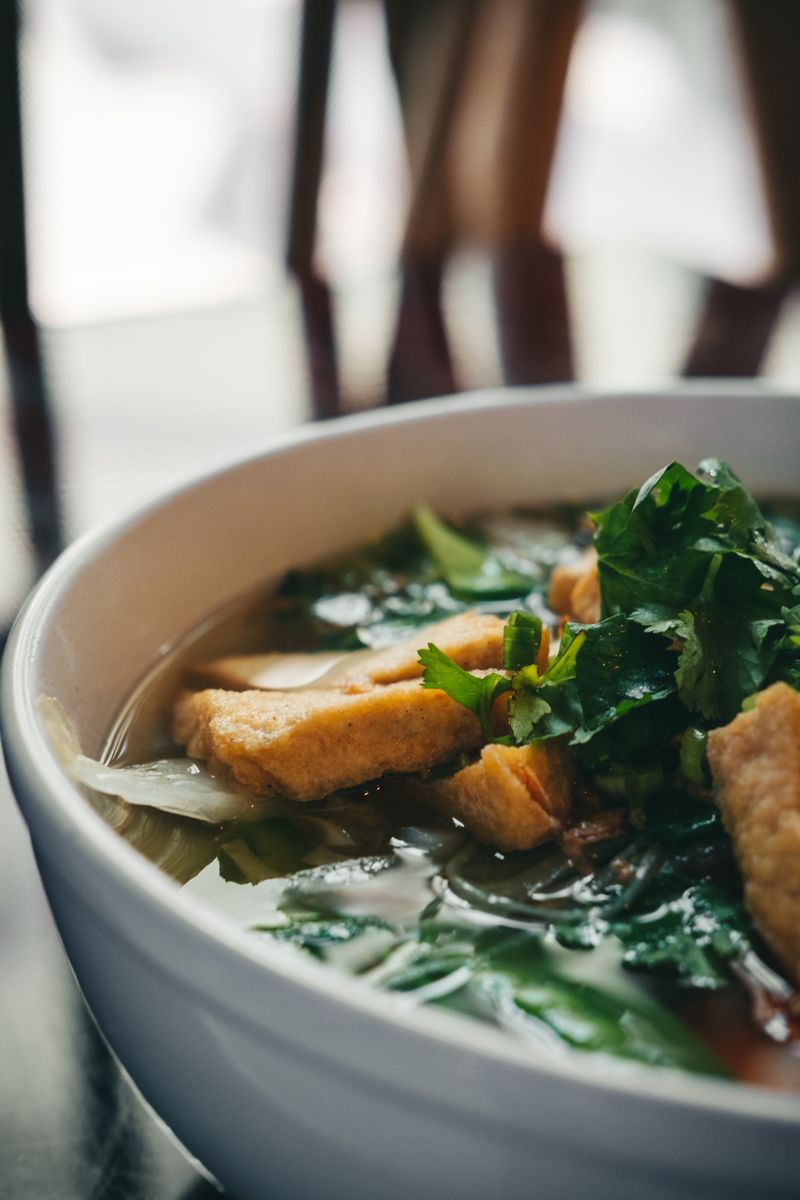
Understanding Vietnamese Street Food Culture
What Makes Vietnamese Street Food Special
Vietnamese street food culture is deeply woven into the fabric of daily life:
- Fresh Ingredients: Most street food vendors shop for ingredients early each morning, ensuring everything is fresh. Many specialize in just one or two dishes, perfecting them over years or even generations
- Regional Diversity: Vietnam's cuisine varies dramatically from north to south, with central Vietnam offering its own distinct flavors. Each region has signature dishes you won't find elsewhere
- Affordability Meets Quality: Street food in Vietnam offers exceptional quality at incredibly low prices, typically $1-3 per meal, making it accessible to everyone
- Social Experience: Eating street food is inherently social—you'll sit on tiny plastic stools shoulder-to-shoulder with locals, office workers, families, and fellow travelers
- Flavor Philosophy: Vietnamese cuisine emphasizes five fundamental tastes (sweet, salty, bitter, sour, spicy) and aims for perfect balance in every dish
- No-Fuss Freshness: What street food lacks in presentation, it makes up for in intense flavors and honest, unpretentious cooking
How Street Food Works in Vietnam
Typical Street Food Setup:
- Small stalls, carts, or just a few plastic tables and stools on the sidewalk
- Limited menu—often just one or two specialty dishes
- Quick service—most dishes prepared in minutes
- Self-service water and condiments on the table
- Pay after eating, usually in cash
Meal Times:
- Breakfast (6-9am): Pho, banh mi, bun cha, xoi (sticky rice)
- Lunch (11am-1:30pm): Com tam, bun bo, cao lau, full meals
- Afternoon (3-5pm): Snacks, coffee, che (sweet soup)
- Dinner (5-8pm): Everything—dinner is the most varied meal
- Late Night (8pm-midnight): Bia hoi (fresh beer), barbecue, late-night snacks
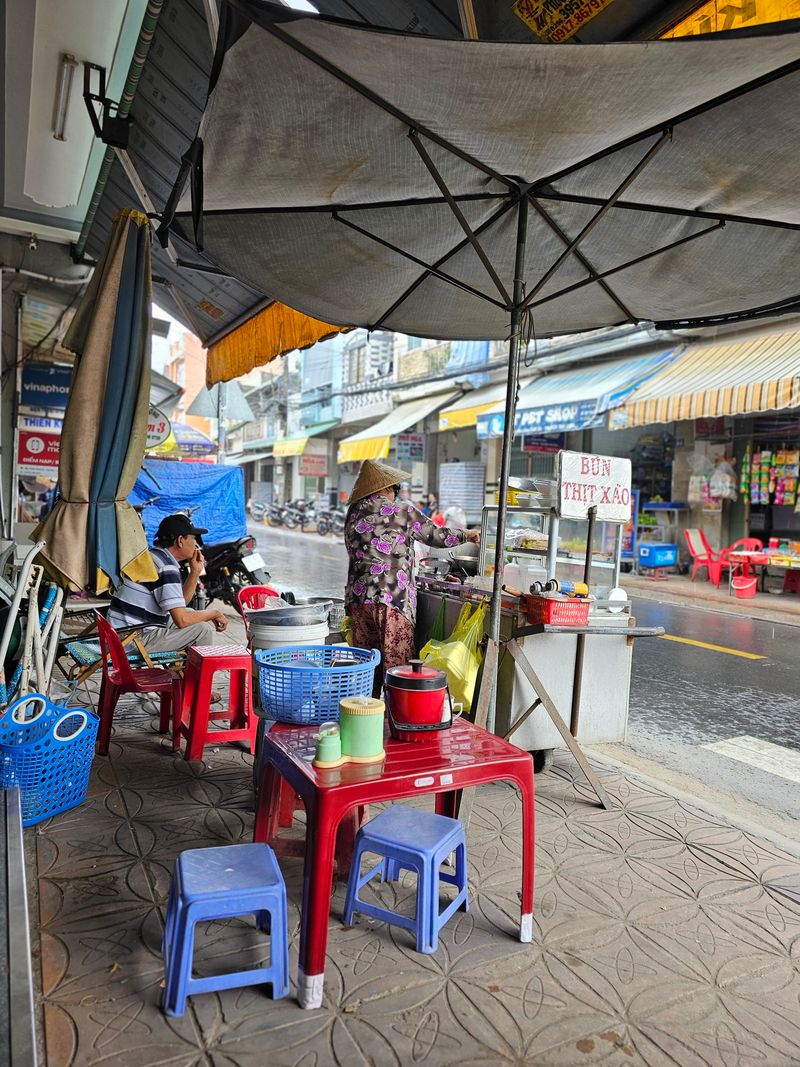
Must-Try Vietnamese Street Food Dishes
Northern Vietnamese Specialties
1. Phở (Vietnamese Noodle Soup) - $1.50-2.50
The undisputed king of Vietnamese street food, pho is an aromatic noodle soup with flat rice noodles, herbs, and your choice of protein in a complex broth that's been simmering for hours.
What to Try:
- Phở Bò (beef pho): The classic, with rare beef, brisket, or tendon
- Phở Gà (chicken pho): Lighter, with tender poached chicken
Where to Find: Everywhere, but Hanoi is the pho capital. Best eaten for breakfast.
Pro Tip: Customize your bowl with the condiments on the table—fresh lime, chili, bean sprouts, Thai basil, and hoisin sauce. Locals often add just a squeeze of lime and fresh herbs.
2. Bún Chả (Grilled Pork with Noodles) - $2-3
A Hanoi specialty made famous by Anthony Bourdain's meal with President Obama. Grilled pork patties and pork belly served over vermicelli noodles with a sweet-sour fish sauce dipping broth and fresh herbs.
What Makes It Special: The contrast between smoky grilled pork and the refreshing, tangy dipping sauce is addictive. The charcoal-grilled flavor is unmistakable.
Where to Find: Primarily in Hanoi, especially around the Old Quarter. Served mainly at lunch.
Pro Tip: Dip everything—noodles, pork, and herbs—into the fish sauce broth for the full experience.
3. Bánh Mì (Vietnamese Sandwich) - $0.75-1.50
A perfect fusion of French colonial influence and Vietnamese flavors, banh mi is a crispy baguette filled with savory ingredients, pickled vegetables, fresh herbs, and condiments.
Varieties:
- Bánh Mì Thịt: Classic with pate, cold cuts, and pork
- Bánh Mì Xíu Mại: Meatball banh mi
- Bánh Mì Ốp La: With fried egg (perfect for breakfast)
- Bánh Mì Chay: Vegetarian with tofu
Where to Find: Everywhere throughout Vietnam, mobile carts and storefronts.
Pro Tip: The best banh mi have a balance of textures and temperatures—crispy bread, smooth pate, crunchy vegetables, and fresh herbs. Look for vendors with fresh baguettes.
4. Bánh Cuốn (Steamed Rice Rolls) - $1.50-2.50
Delicate, translucent steamed rice paper rolls filled with seasoned ground pork and wood ear mushrooms, served with nuoc cham (fish sauce) and fried shallots.
What Makes It Special: The rice paper is incredibly thin and silky, steamed to perfection on cloth stretched over boiling water.
Where to Find: Northern Vietnam, especially Hanoi. Often eaten for breakfast.
Pro Tip: Watch the vendor make them—it's fascinating to see the rice batter spread paper-thin and cooked in seconds.
5. Xôi (Sticky Rice) - $1-2
Vietnamese sticky rice comes in countless varieties, both savory and sweet, making it perfect for breakfast or a snack.
Popular Versions:
- Xôi Xéo: Yellow sticky rice with mung beans and fried shallots
- Xôi Gà: With shredded chicken
- Xôi Lạc: With peanuts
- Xôi Vò: Sweet with black-eyed peas
Where to Find: Breakfast stalls throughout Vietnam, especially in the north.
Pro Tip: Point to the toppings you want—vendors will mix everything together in a banana leaf package.
Central Vietnamese Specialties
6. Cao Lầu (Hoi An Noodles) - $2-3
A Hoi An exclusive, cao lau features thick rice noodles with pork, greens, and crispy rice crackers in a unique preparation that uses water from a specific local well.
What Makes It Special: The noodles have a distinct texture unlike any other Vietnamese noodle, achieved through a special preparation method passed down through generations.
Where to Find: Only authentic in Hoi An, central Vietnam.
Pro Tip: Try it at small local stalls in Hoi An's Old Town rather than tourist restaurants for the most authentic version.
7. Bún Bò Huế (Spicy Beef Noodle Soup) - $2-3
Central Vietnam's answer to pho, this spicy, lemongrass-infused beef noodle soup from Hue packs considerably more heat and bolder flavors than its northern cousin.
What Makes It Special: The broth is richer, spicier, and features lemongrass. Round rice noodles (thicker than pho noodles) and beef shank, pork, and congealed pig's blood cubes.
Where to Find: Throughout Vietnam, but most authentic in Hue and central Vietnam.
Pro Tip: This is the spiciest of Vietnam's major noodle soups. Start with less chili oil and add more if you can handle it.
8. Mì Quảng (Quang Nam Noodles) - $2-3
A central Vietnamese specialty featuring wide rice noodles with a small amount of broth, pork, shrimp, quail eggs, peanuts, and rice crackers.
What Makes It Special: Unlike most Vietnamese noodle soups, mi quang has minimal broth—just enough to flavor the noodles. The yellow turmeric-tinted noodles are unique to this dish.
Where to Find: Central Vietnam, especially Da Nang and Hoi An.
Pro Tip: Mix everything together before eating, including crushing the rice crackers into the noodles.
9. Bánh Xèo (Crispy Pancake) - $1.50-2.50
A crispy, sizzling crepe made from rice flour and turmeric, filled with pork, shrimp, bean sprouts, and onions, served with fresh herbs and lettuce for wrapping.
What Makes It Special: The name means "sizzling cake" from the sound it makes when the batter hits the hot pan. The contrast between crispy edges and softer center is divine.
Where to Find: Throughout central and southern Vietnam.
Pro Tip: Tear off a piece, wrap it in lettuce with herbs, and dip in fish sauce. The wrapper-to-filling ratio is key.
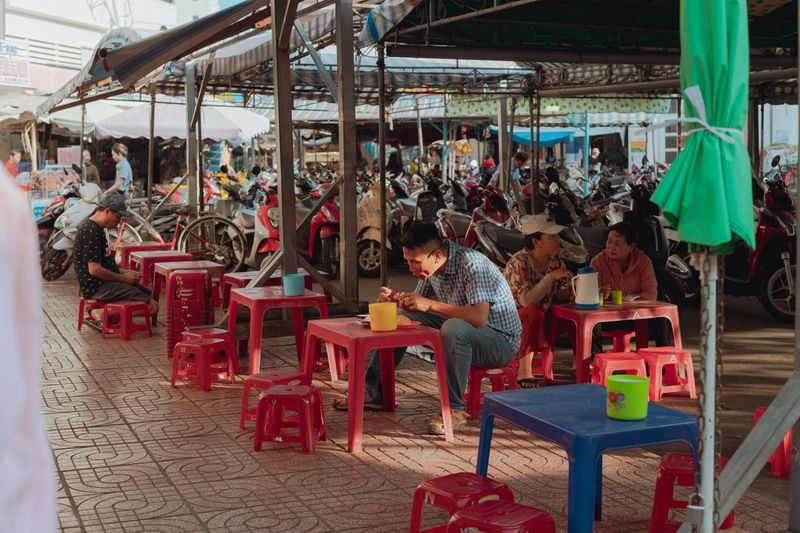
Southern Vietnamese Specialties
10. Cơm Tấm (Broken Rice) - $1.50-2.50
A southern Vietnamese breakfast and lunch staple featuring broken rice grains (originally discarded rice) served with grilled pork chop, shredded pork skin, a fried egg, and pickled vegetables.
What Makes It Special: Broken rice has a unique texture that's stickier and absorbs flavors better than regular rice. The pork is marinated in lemongrass, garlic, and fish sauce before grilling.
Where to Find: Throughout southern Vietnam, especially Ho Chi Minh City.
Pro Tip: Mix the egg yolk and all the components together with fish sauce for the full flavor experience.
11. Bánh Khọt (Mini Savory Pancakes) - $2-3
Tiny crispy rice flour pancakes cooked in special molds, topped with shrimp, scallions, and served with fresh herbs and fish sauce.
What Makes It Special: The outside is incredibly crispy while the center remains soft and custardy. The bite-sized format makes them addictive.
Where to Find: Southern Vietnam, especially Vung Tau.
Pro Tip: These are best eaten immediately while still hot and crispy from the pan.
12. Hủ Tiếu (Pork and Seafood Noodle Soup) - $2-3
A southern noodle soup with Chinese origins, featuring a clear pork-and-seafood broth, rice or egg noodles, and various toppings like pork, shrimp, and squid.
What Makes It Special: Can be eaten "khô" (dry, with broth on the side) or as a soup. The broth is lighter and sweeter than pho.
Where to Find: Southern Vietnam, especially in Saigon and the Mekong Delta. Nam Vang style (Cambodian-influenced) is popular.
Pro Tip: Try it both dry and soup style to see which you prefer.
13. Bánh Tráng Nướng (Vietnamese Pizza) - $1-2
Known as "Vietnamese pizza," this Da Lat specialty consists of a rice paper grilled over charcoal and topped with quail egg, dried shrimp, green onions, and various sauces.
What Makes It Special: The crispy rice paper base and the combination of toppings create a unique snack unlike anything else.
Where to Find: Da Lat primarily, but increasingly available in other cities.
Pro Tip: Best eaten fresh off the grill while the rice paper is still crispy.
Snacks and Small Bites
14. Nem Rán / Chả Giò (Fried Spring Rolls) - $1-2 for 3-4 pieces
Crispy fried spring rolls filled with pork, shrimp, vegetables, and glass noodles, wrapped in rice paper or wheat wrappers and deep-fried until golden.
Regional Differences: Called "nem ran" in the north, "cha gio" in the south. Northern versions use rice paper (crispier), southern versions often use wheat wrappers.
Where to Find: Throughout Vietnam at street stalls and restaurants.
Pro Tip: Wrap in lettuce with herbs and dip in nuoc cham for the traditional way to eat them.
15. Gỏi Cuốn (Fresh Spring Rolls) - $1-2 for 2-3 pieces
Translucent rice paper rolls filled with vermicelli noodles, herbs, lettuce, and your choice of protein (shrimp, pork, or tofu), served with peanut dipping sauce.
What Makes It Special: Fresh, light, and healthy—the perfect hot-weather food. The see-through wrapper showcases the colorful ingredients inside.
Where to Find: Throughout Vietnam, though more common in the south.
Pro Tip: These are best when made fresh to order. Pre-made ones can have hard, dried-out wrappers.
16. Bánh Bao (Steamed Buns) - $0.75-1.50
Fluffy white steamed buns filled with seasoned pork, Chinese sausage, quail eggs, and mushrooms—a Vietnamese adaptation of Chinese bao.
What Makes It Special: The impossibly soft, pillowy exterior gives way to a savory, flavorful filling.
Where to Find: Breakfast and snack vendors throughout Vietnam.
Pro Tip: Eat them hot—the texture isn't as good once they cool down.
17. Chè (Vietnamese Sweet Soup) - $1-1.50
A category of Vietnamese desserts featuring beans, jellies, fruit, coconut milk, and ice, served in a glass or bowl.
Popular Varieties:
- Chè Ba Màu: Three-color che with layers of beans, jelly, and coconut milk
- Chè Bưởi: With pomelo
- Chè Thái: With colorful jellies, jackfruit, and coconut milk
- Chè Đậu Đỏ: Red bean sweet soup
Where to Find: Dessert carts and small shops throughout Vietnam.
Pro Tip: Perfect for cooling down on a hot day. It's more of a drink-dessert hybrid.
Regional Variations to Know
18. Bún Riêu (Crab Noodle Soup) - $2-3
A northern and central Vietnamese soup featuring vermicelli noodles in a tomato-based crab broth with tofu, tomatoes, and freshwater crab paste.
What Makes It Special: The distinctive orange-red color from tomatoes and crab, plus the unique tangy flavor from tamarind.
Where to Find: Northern and central Vietnam.
Pro Tip: The best versions have freshwater crab paste floating on top—don't skip it even if it looks unusual.
19. Bún Thịt Nướng (Grilled Pork with Vermicelli) - $2-3
A southern favorite featuring vermicelli noodles topped with charcoal-grilled marinated pork, fresh herbs, pickled vegetables, peanuts, and fish sauce.
What Makes It Special: The combination of warm grilled pork, cool noodles, fresh herbs, and tangy fish sauce creates perfect flavor balance.
Where to Find: Throughout Vietnam, especially popular in Ho Chi Minh City.
Pro Tip: Mix everything together thoroughly before eating, making sure every bite includes noodles, pork, herbs, and sauce.
20. Cà Phê Sữa Đá (Vietnamese Iced Coffee) - $0.75-1.50
Strong Vietnamese coffee dripped through a traditional phin filter, mixed with sweetened condensed milk, and served over ice.
What Makes It Special: Vietnamese coffee is incredibly strong and smooth, with a distinctly different flavor from Western coffee. The condensed milk adds sweetness and richness.
Where to Find: Literally everywhere—sidewalk cafes, street vendors, fancy cafes.
Pro Tip: Stir well before drinking. Try it hot ("nong") if you want to taste the coffee flavor more clearly.
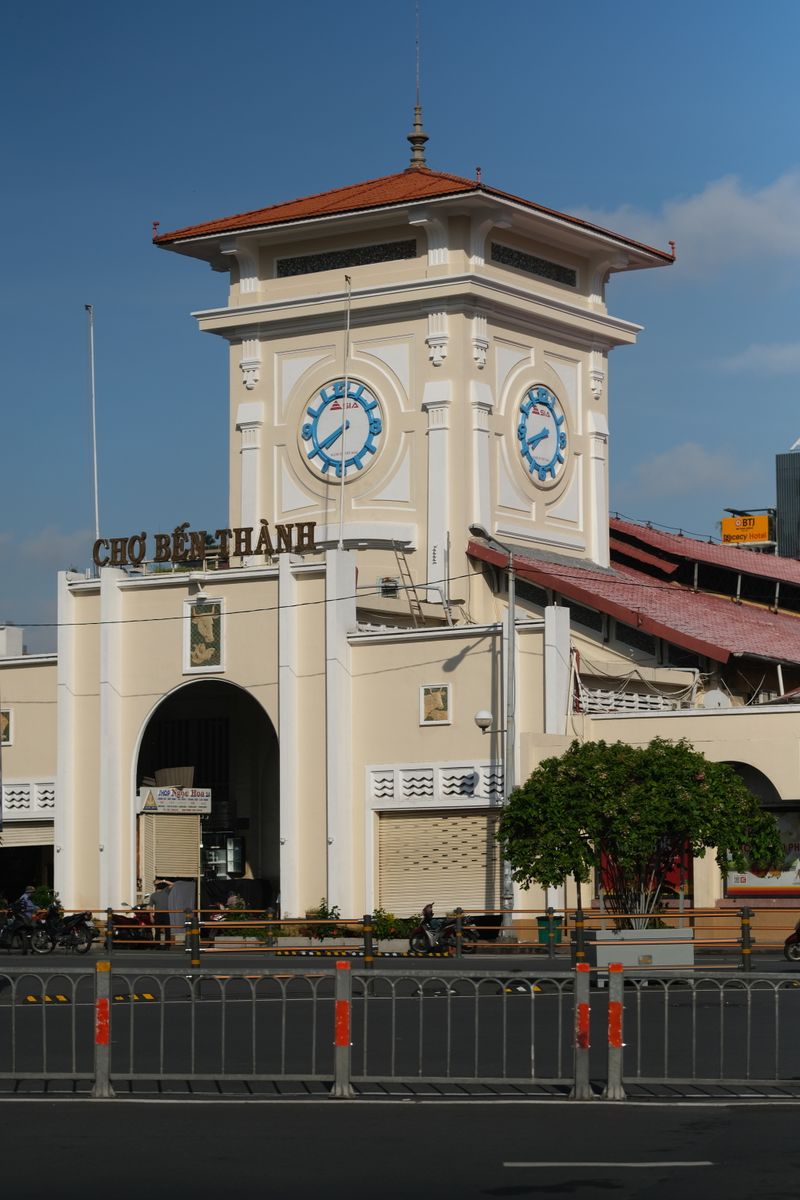
Best Street Food Areas in Hanoi
Old Quarter Food Streets
The Hanoi Old Quarter is street food heaven, with countless alleys and streets dedicated to specific dishes.
Must-Visit Streets:
Dong Xuan Market Area:
- Location: Near Dong Xuan Market, northern end of Old Quarter
- Specialties: Every type of street food imaginable, especially pho and bun cha
- Best Time: Morning for breakfast pho, lunch for bun cha
- Atmosphere: Chaotic, authentic, crowded with locals
Hang Buom Street:
- Famous for: Pho Thin (unique pho variation) and street-side grilled dishes
- Best Time: Breakfast and lunch
- Price Range: $1-3 per dish
Ta Hien Street (Beer Corner):
- Famous for: Bia hoi (fresh beer) and grilled skewers
- Best Time: Evening (5pm-late)
- Atmosphere: Lively, social, touristy but fun
- Price: Beer $0.50, food $2-5
Hang Than Street:
- Famous for: Bun cha (multiple vendors competing)
- Best Time: Lunch (11am-2pm)
- Pro Tip: Look for the place with the most locals
Tong Duy Tan Street:
- Famous for: Pho Bo (beef pho), multiple renowned pho shops
- Best Time: Breakfast and lunch
- Pro Tip: Try Pho Bat Dan, one of Hanoi's most famous pho shops
West Lake Area
Trich Sai Street:
- Famous for: Bun oc (snail noodles), late-night street food
- Best Time: Evening and late night
- Atmosphere: Local hangout, less touristy
- Price Range: $2-4
Nhat Chieu Street:
- Famous for: Banh cuon (steamed rice rolls)
- Best Time: Breakfast and morning
- Pro Tip: Watch them make the rice rolls—it's an art form
University Area
Xuan Thuy Street:
- Famous for: Student-friendly cheap eats, bubble tea, snacks
- Best Time: Afternoon and evening
- Price Range: $1-2 (very budget-friendly)
- Atmosphere: Young, casual, experimental food
Best Street Food Areas in Ho Chi Minh City
District 1 (City Center)
Ben Thanh Market Night Market:
- Location: Around Ben Thanh Market, District 1
- Famous for: Everything—com tam, pho, banh mi, fresh fruit, desserts
- Best Time: Evening (6pm-11pm when the night market sets up)
- Atmosphere: Touristy but convenient, good for first-timers
- Price Range: $2-5 (slightly inflated but still cheap)
- Pro Tip: Negotiate prices and explore the surrounding streets for cheaper options
Nguyen Trai Street:
- Famous for: Hu tieu Nam Vang (Cambodian-style noodle soup)
- Best Time: Morning and lunch
- Atmosphere: Local, authentic
Vo Van Tan Street:
- Famous for: Bun bo Hue (spicy beef noodle soup)
- Best Time: Lunch and dinner
- Pro Tip: Multiple vendors, choose the busiest one
District 3
Vo Van Tan & Le Van Sy:
- Famous for: Banh xeo (sizzling crepes), bun thit nuong
- Best Time: Lunch and dinner
- Price Range: $2-3
- Atmosphere: Mix of locals and expats
Cao Thang Street:
- Famous for: Com tam (broken rice)
- Best Time: Breakfast and lunch
- Pro Tip: Look for "Com Tam Ba Ghien" area with multiple stalls
District 5 (Chinatown)
Cho Lon Market Area:
- Famous for: Chinese-Vietnamese fusion, dim sum, hủ tiếu
- Best Time: Morning and lunch
- Atmosphere: Very local, less English spoken
- Price Range: $1-3
- Pro Tip: Adventurous eaters will find unique dishes here
District 10
Vinh Khanh Street (Food Alley):
- Famous for: Street food hub with 40+ stalls in a dedicated food street
- Specialties: Everything from banh mi to grilled seafood
- Best Time: Evening (5pm-10pm)
- Atmosphere: Purpose-built street food market, clean, organized
- Price Range: $2-5
- Pro Tip: Great for groups wanting variety—order from multiple stalls
Best Street Food Areas in Da Nang and Hoi An
Da Nang
Han Market Area:
- Location: Around Han Market, city center
- Famous for: Mi quang, bun cha ca (fish cake noodles), banh xeo
- Best Time: Breakfast and lunch
- Atmosphere: Local market vibes, authentic
- Price Range: $1.50-3
Con Market Area:
- Famous for: Breakfast dishes, especially pho and banh mi
- Best Time: Early morning (6-10am)
- Pro Tip: This is where locals eat breakfast
Hoang Dieu Street:
- Famous for: Night street food scene, grilled seafood
- Best Time: Evening (6pm-10pm)
- Price Range: $2-5
Le Hong Phong Street:
- Famous for: Bun cha ca (fish cake noodle soup)—a Da Nang specialty
- Best Time: Breakfast and lunch
- Pro Tip: This is Da Nang's signature dish—don't miss it
Hoi An
Central Market (Cho Hoi An):
- Location: City center, near the river
- Famous for: Cao lau, com ga (chicken rice), banh mi
- Best Time: Morning and lunch
- Price Range: $2-3
- Pro Tip: Cao lau is Hoi An's signature dish—only authentic here
An Hoi Night Market:
- Location: An Hoi Island, across the bridge from Old Town
- Famous for: Everything—grilled seafood, banh xeo, desserts
- Best Time: Evening (5pm-10pm)
- Atmosphere: Colorful, lantern-lit, romantic
- Price Range: $2-5
- Pro Tip: Touristy but atmospheric and convenient
Tran Phu Street:
- Famous for: Banh mi Phuong (famous banh mi shop), street-side eateries
- Best Time: All day
- Pro Tip: Banh Mi Phuong is worth the hype—go early to avoid lines
Nguyen Phuc Chu Street:
- Famous for: Local eateries, com ga (chicken rice)
- Best Time: Lunch and dinner
- Atmosphere: Less touristy, more authentic
- Price Range: $1.50-3
Street Food Safety Tips
How to Choose Safe Street Food Stalls
Green Flags (Good Signs):
- High turnover: Lots of locals eating there means fresh food
- Busy during peak hours: Food is being constantly prepared and served
- Clean prep area: Even if basic, the cooking area should look maintained
- Fresh ingredients visible: You can see fresh vegetables, herbs, and meat
- Proper cooking: Food cooked to order at high temperatures
- Vendor focused on one specialty: Specialization usually means higher quality
- Morning shopping: Vendors who shop fresh each morning
Red Flags (Avoid):
- No customers: Especially during meal times
- Pre-cooked food sitting out: Especially proteins in hot weather
- Dirty cooking area: Pests, dirty dishes, unhygienic practices
- Lukewarm food: Food should be served hot (soups, grilled items) or cold (fresh rolls)
- Bad smell: Trust your nose—spoiled food has a distinct odor
- Flies around food: Some flies are inevitable, but excessive flies are a warning
Practical Safety Guidelines
Water Safety:
- Only drink bottled or filtered water
- Ice is generally safe in cities (made from purified water), less safe in rural areas
- If unsure about ice, order drinks without ice
- Brush teeth with bottled water
- Avoid raw vegetables washed in tap water (though most street food uses boiled or cooked vegetables)
Food Safety Rules:
- Eat cooked food while hot: Pho, bun cha, banh xeo, grilled meats should be steaming
- Avoid rare meats: Except in pho (the hot broth cooks the rare beef)
- Be cautious with raw vegetables: In cities, generally fine; in rural areas, more risk
- Watch shellfish: Oysters, clams should be thoroughly cooked
- Fresh spring rolls: Choose vendors with high turnover
Personal Hygiene:
- Carry hand sanitizer and use before eating
- Many stalls provide hot tea for rinsing chopsticks and bowls—this is customary
- Use tissues or napkins provided
- Chopsticks wrapped in paper are typically clean
First-Time Eater Strategy
Week 1 Approach (Break In Gently):
- Start with cooked foods: pho, banh mi, grilled meats
- Avoid raw vegetables and salads initially
- Eat at busier, more established stalls
- Stay hydrated
- Don't overeat—small portions to test your stomach
Building Tolerance:
- Most travelers adjust within 3-5 days
- Gradually introduce raw vegetables, fresh spring rolls
- Probiotics can help (yogurt, supplements)
- Listen to your body
If You Get Sick:
- Minor stomach issues are common (not food poisoning, just adjustment)
- Stay hydrated with bottled water
- Eat bland foods (rice, bananas)
- Pharmacies have effective remedies
- Most cases resolve in 24-48 hours
- Seek medical care if severe or persistent
How to Order When You Don't Speak Vietnamese
Universal Ordering Strategies
Pointing Method:
- Point at what other diners are eating
- Say "Một cái như vậy" (one like that) or just point and smile
- Hold up fingers for quantity
Photo Menu:
- Many street stalls have picture menus
- Some have English menus in touristy areas
- Use Google Translate camera feature to translate signs
Essential Phrases:
- "Một" (môt) = One
- "Hai" (hai) = Two
- "Ba" (ba) = Three
- "Cho tôi..." (cho toy) = Give me...
- "Bao nhiêu tiền?" (bao nyew tyen) = How much?
- "Cay không?" (kai khom) = Is it spicy?
- "Không cay" (khom kai) = Not spicy
- "Ngon!" (ngon) = Delicious!
Smartphone Tools
Essential Apps:
- Google Translate: Download Vietnamese offline dictionary, use camera translation
- Google Maps: Has restaurant names in Vietnamese, photos, and reviews
- Foody.vn: Vietnamese food review app (in Vietnamese but visual)
- Grab: Food delivery app—great for seeing menu photos
Body Language Tips
Works Everywhere:
- Smile—goes a long way
- Hand gestures for quantity
- Thumbs up for "yes, that's good"
- Eating motion (hand to mouth) to ask if it's food
- Drinking motion to ask for water
- Universal "check please" gesture (writing in air)
Common Menu Items Translated
Proteins:
- Bò = Beef
- Gà = Chicken
- Heo / Thịt = Pork
- Tôm = Shrimp
- Cá = Fish
- Chay = Vegetarian
- Đậu = Tofu
Preparations:
- Nướng = Grilled
- Xào = Stir-fried
- Chiên = Fried
- Luộc = Boiled
- Hấp = Steamed
Noodles & Rice:
- Phở = Flat rice noodles (in soup)
- Bún = Vermicelli rice noodles
- Mì = Egg noodles
- Cơm = Rice
- Bánh = Cake/bread
Vegetarian Street Food Options
Traditional Vegetarian Dishes
Vietnam has a strong Buddhist vegetarian tradition ("ăn chay"), making vegetarian street food widely available, especially on the 1st and 15th of each lunar month.
Naturally Vegetarian Dishes:
Bánh Mì Chay (Vegetarian Banh Mi) - $0.75-1.50:
- Filled with tofu, pickled vegetables, herbs, and condiments
- Available at most banh mi vendors
Phở Chay (Vegetarian Pho) - $1.50-2.50:
- Vegetable broth with tofu, mushrooms, and vegetables
- Look for "phở chay" signs or Buddhist vegetarian restaurants
Gỏi Cuốn Chay (Vegetarian Fresh Spring Rolls) - $1-2:
- Rice paper rolls with tofu, vegetables, and herbs
- Most vendors can make them vegetarian
Bánh Xèo Chay (Vegetarian Crispy Pancake) - $1.50-2.50:
- Filled with tofu, mushrooms, and bean sprouts instead of meat
Cơm Chay (Vegetarian Rice) - $2-3:
- Rice with stir-fried vegetables, tofu, and mock meats
- Often served buffet-style at vegetarian restaurants
Where to Find Vegetarian Food
Buddhist Vegetarian Restaurants (Quán Chay):
- Found near temples/pagodas
- Specialize in vegetarian versions of popular dishes
- Very affordable ($1-3 per meal)
- Often buffet-style
- Most active on 1st and 15th of lunar month
Street Food Strategy:
- Look for the word "chay" (vegetarian)
- Most vendors can customize dishes to be vegetarian
- Use phrase: "Cho tôi ăn chay" (I eat vegetarian)
- Avoid fish sauce: "Không nước mắm" (no fish sauce)
Safe Vegetarian Options:
- Fresh fruit smoothies (sinh tố)
- Sticky rice (xôi) with beans/peanuts
- Che (sweet soup desserts)
- Fresh spring rolls (specify no meat/shrimp)
- Fried spring rolls (request vegetarian version)
- Vietnamese coffee (no animal products except milk)
Vegan Considerations
Vegan Challenges:
- Fish sauce (nước mắm) is in almost everything
- Eggs are common in many dishes
- Dairy appears in coffee, some desserts
How to Be Vegan:
- Learn key phrase: "Tôi ăn chay, không trứng, không sữa" (I'm vegetarian, no eggs, no milk)
- Bring soy sauce as fish sauce substitute
- Specify no egg when ordering certain dishes
- Fresh fruit is everywhere and always vegan
- Coconut milk desserts (avoid ones with condensed milk)
Best Times to Eat Street Food
Meal Time Culture
Breakfast (6-9am): THE BEST TIME
- Freshest food of the day
- Most authentic experience (locals eating before work)
- Best dishes: pho, banh mi, xoi, banh cuon, com tam
- Prices lowest in the morning
- Many stalls only open for breakfast
Late Morning (9-11am):
- Transition time, fewer options
- Good for: coffee, snacks, che (sweet soup)
- Many breakfast vendors closing, lunch vendors preparing
Lunch (11am-1:30pm):
- Second major meal time
- Very busy—expect to wait for seats
- All lunch dishes available: bun cha, com tam, pho, mi quang
- Office workers everywhere
- Quick service (people need to get back to work)
Afternoon (2-5pm):
- Slowest time for street food
- Good for: coffee, desserts, che, snacks
- Many vendors take breaks
- Some all-day vendors still open
Dinner (5-8pm):
- Third major meal time
- Widest variety of options
- Busiest and most social atmosphere
- Higher prices at some tourist-area vendors
- Best for: trying multiple dishes, social eating
Late Night (8pm-midnight):
- Special late-night food culture
- Best for: bia hoi (fresh beer), grilled skewers, bun rieu, pho
- More relaxed, social atmosphere
- Popular with young people
- Not all areas have late-night food
Seasonal Considerations
Hot Season (March-May, June-September):
- Eat earlier (7-8am for breakfast) to avoid heat
- Focus on cold or light dishes: fresh spring rolls, che, smoothies
- Avoid heavy soups during midday heat
- Evening street food becomes more popular
Cool Season (October-February):
- Perfect for hot soup dishes: pho, bun bo Hue, bun rieu
- Comfortable eating outdoors all day
- Best time for Northern Vietnam street food
Rainy Season:
- Some street vendors may not operate
- Covered market areas are best
- Hot soups extra comforting
Price Expectations and What's Reasonable
Standard Street Food Prices
Very Cheap ($0.50-1):
- Banh mi (simple version)
- Ca phe sua da (Vietnamese iced coffee)
- Che (sweet soup dessert)
- Fresh fruit from markets
- Xoi (sticky rice, basic version)
Cheap ($1-2):
- Most banh mi
- Small bowls of pho
- Goi cuon (fresh spring rolls, 2-3 pieces)
- Xoi with toppings
- Smoothies (sinh to)
Standard ($1.50-3):
- Full bowl of pho, bun cha, bun bo Hue
- Banh xeo
- Com tam
- Cao lau
- Mi quang
- Most noodle dishes
- Fried spring rolls
Higher-End Street Food ($3-5):
- Seafood dishes
- Specialty or larger portions
- Tourist area prices
- Grilled meat platters
- Bun dau mam tom (fermented shrimp paste dish)
Price Negotiation
Fixed Prices:
- Most street food has fixed prices
- Prices usually posted or understood by locals
- If unsure, ask "Bao nhiêu tiền?" (How much?)
When You Might Be Overcharged:
- Tourist areas (expect 20-50% markup)
- No posted prices
- Vendor sizes you up as a tourist
- You're the only foreigner there
How to Avoid Overcharging:
- Ask price before ordering: "Bao nhiêu?" (How much?)
- Watch what locals pay
- If price seems too high, politely walk away
- Use apps like Foody to check typical prices
- Learn numbers in Vietnamese
Is It Worth Arguing Over?:
- Most "overcharging" is $0.50-1 extra
- Street food is already incredibly cheap
- Sometimes worth paying for convenience/location
- Fight it if it's egregious (3-4x normal price)
- Better strategy: choose vendors with posted prices
Tipping Culture
Street Food Tipping:
- NOT expected or customary
- Might confuse the vendor
- Round up if you want (pay 25,000 for a 23,000 bill)
- Save tips for nicer restaurants
Exceptions:
- Food tours where tips are appreciated
- Exceptional service or accommodation
- If vendor goes significantly out of their way
Food Tours vs. Exploring Solo
Organized Street Food Tours
Pros:
- Expert guides explain dishes and culture
- Access to best stalls (guides have relationships)
- Safety and hygiene vetted
- Try multiple dishes without full portions
- Learn to navigate street food scene
- Meet other travelers
- No language barrier
- Transportation included
- Perfect for first-timers or short visits
Cons:
- Costs $25-50 (vs. $3-5 eating solo)
- Less flexible—set route and timeline
- May include tourist-oriented stalls
- Larger group dynamics
- Can feel rushed
- Less spontaneous adventure
Best Street Food Tours:
- Hanoi: Hanoi Street Food Tour, Back of the Bike Tours
- Ho Chi Minh City: XO Tours, Back of the Bike Tours, Saigon Street Eats
- Hoi An: Hoi An Food Tour, Streets Restaurant Vietnam
- Da Nang: Da Nang Food Tour
When to Book a Tour:
- First night in a new city (orientation)
- Short stay (2-3 days)
- Nervous about street food safety
- Want to learn cultural context
- Traveling with non-adventurous eaters
Exploring Solo
Pros:
- Complete freedom and flexibility
- Eat exactly what you want, when you want
- Much cheaper ($3-5 vs. $25-50 per outing)
- More authentic experience
- Discover hidden gems
- Eat at your own pace
- Spontaneous decisions
- More adventurous and rewarding
Cons:
- Language barriers
- Might choose poorly without guidance
- Safety concerns if you don't know what to look for
- Can be intimidating initially
- May miss context/cultural knowledge
- Harder to find the absolute best stalls
Solo Eating Strategy:
- Start with popular dishes (pho, banh mi)
- Use Google Maps reviews
- Follow locals to busy stalls
- Take a food tour on day 1, then explore solo
- Ask hostel staff for recommendations
- Join online forums (Vietnam Backpackers Facebook group)
- Eat where you see a line of locals
- Be brave—most street food is excellent
Hybrid Approach (Best of Both):
- Take one food tour early in your trip
- Use tour knowledge to explore solo
- Ask tour guide for specific stall recommendations
- Take notes during tour
- Revisit favorite stalls from tour on your own
- Use tour as "street food education"
Common Ingredients and Flavors
The Five Flavor Philosophy
Vietnamese cuisine aims to balance five fundamental elements:
Spicy (Cay): Chili peppers, black pepper Sour (Chua): Lime, tamarind, pickled vegetables Bitter (Dang): Bitter greens, certain herbs Salty (Man): Fish sauce, soy sauce, salt Sweet (Ngot): Sugar, coconut milk, sweet sauces
Essential Ingredients
Herbs (Always Fresh):
- Rau thom (Vietnamese coriander): Slightly peppery
- Hung que (Thai basil): Sweet anise flavor
- Ngo (cilantro/coriander): Sharp, citrusy
- Rau ram (Vietnamese mint): Pungent, distinctive
- Tia to (perilla): Minty, slightly cinnamon-like
Sauces and Condiments:
- Nuoc mam (fish sauce): The foundation of Vietnamese cooking—salty, funky, umami-rich
- Nuoc cham: Fish sauce-based dipping sauce with lime, garlic, chili, sugar
- Tuong ot (sriracha): Garlic chili sauce
- Hoisin sauce: Sweet-savory sauce for pho and spring rolls
- Mam tom: Fermented shrimp paste—pungent, acquired taste
Vegetables and Aromatics:
- Do chua (pickled vegetables): Pickled daikon and carrot—tangy crunch
- Gia (bean sprouts): Fresh, crunchy, slightly sweet
- Hanh (green onion): Used everywhere
- Toi (garlic): Essential aromatics
- Xa (lemongrass): Citrusy, floral flavor
- Gung (ginger): Warming spice
Flavor Profiles by Region
Northern Vietnamese Flavors:
- More subtle, balanced flavors
- Less sugar, less spice
- Emphasis on pure ingredient flavors
- Black pepper over chili
- Lighter broths (pho in the north is more delicate)
Central Vietnamese Flavors:
- Spiciest region
- More complex, layered flavors
- Royal cuisine influence (Hue was imperial capital)
- Smaller portions, more dishes (banquet style)
- Bolder, more intense seasonings
Southern Vietnamese Flavors:
- Sweeter overall
- More sugar in dishes
- Bolder, more assertive flavors
- Coconut milk more common
- Khmer and Chinese influences
- More colorful, abundant ingredients
How to Customize Your Dish
At Pho Restaurants:
- Add fresh herbs (Thai basil, cilantro, sawtooth coriander)
- Squeeze lime for acidity
- Add chili (fresh or sauce) for heat
- Bean sprouts for crunch
- Hoisin for sweetness
- Chili oil or sriracha for spicy heat
At Bun Cha:
- Adjust the dipping sauce: add more vinegar, chili, garlic
- More herbs for freshness
- More or less noodles (free refills often available)
General Rule:
- Vietnamese food is meant to be customized
- Condiments on the table are for you to adjust to taste
- Don't be shy—add what you like
- Locals customize heavily
Street Food Etiquette
Dining Manners
Sitting Down:
- Choose a tiny plastic stool and squat or sit
- Often thighs will be near your chest—this is normal
- Personal space is minimal—you'll be close to other diners
- It's okay to share tables with strangers
Ordering:
- Order shortly after sitting (vendors want quick turnover)
- Ordering more later is fine
- Pointing is completely acceptable
- Don't linger too long after finishing (this isn't a coffee shop)
Eating:
- Chopsticks for noodles and picking up food
- Spoon for broth
- Slurping noodles is normal and acceptable
- Eat over your bowl to avoid spilling
- It's okay to make noise while eating
- Elbows on table is fine (not formal dining)
Using Chopsticks:
- If you're not skilled, just do your best—vendors are patient
- Many vendors have forks available if you ask
- Don't stick chopsticks upright in rice (funeral symbolism)
- Rest chopsticks on the bowl edge or provided rest
After Eating:
- Call for the bill: "Tính tiền!" or make writing gesture
- Vendor will calculate (often mental math)
- Pay in cash (street food rarely takes cards)
- Tip not expected
- Take your trash to provided bins if self-service
Social Norms
Sharing Food:
- Vietnamese dining is communal
- It's normal to order multiple dishes and share
- If traveling with others, order different things
- Sharing creates bonding experience
Talking to Vendors:
- Compliment the food: "Ngon!" (delicious)
- Ask questions even with limited language
- Show interest—vendors appreciate curiosity
- Taking photos is usually fine (ask first)
- Smile a lot—universal language
Respect Local Space:
- You're dining in a public space (sidewalk)
- Be aware of pedestrians, motorbikes
- Don't block walkways unnecessarily
- Keep voice at reasonable volume
- Dispose of trash properly
Cultural Sensitivity:
- Dress modestly (no beach wear in restaurants)
- Remove sunglasses when ordering/talking to vendors
- Don't touch food with hands if chopsticks/spoons available
- If eating with locals, let eldest eat first
- Avoid public displays of affection
- Be patient—street food isn't fast food
What to Do If You're Not Satisfied
Food Quality Issues:
- Politely point out the problem
- Most vendors will remake or not charge
- If seriously concerned about safety, don't eat it
- Pay and leave if uncomfortable
Wrong Order:
- Happens sometimes with language barriers
- Usually still delicious—embrace the surprise
- Use Google Translate to clarify
- Pointing to other diners' food helps
Too Spicy/Not What You Expected:
- This is part of the adventure
- Try a few bites—might grow on you
- Order something else if truly unpleasant
- Learn from experience for next time
Ready to Dive Into Vietnam's Street Food Scene?
Vietnamese street food is more than sustenance—it's a culinary journey through one of the world's most exciting food cultures. From the aromatic pho bowls of Hanoi to the crispy banh xeo of Saigon, from the iconic cao lau of Hoi An to the fiery bun bo Hue of Central Vietnam, every dish tells a story and every meal creates a memory.
The beauty of Vietnamese street food lies not just in the flavors, but in the experience: sitting on tiny plastic stools, watching skilled vendors work their magic, surrounded by the sounds and smells of a Vietnamese street, sharing space with locals who've been eating at the same stall for decades. It's authentic, affordable, and absolutely delicious.
Your street food adventure starts now:
- Start with the classics (pho, banh mi, bun cha)
- Follow locals to busy stalls
- Be brave but smart (choose clean, busy vendors)
- Customize your dishes with condiments
- Embrace the plastic stool culture
- Try regional specialties in their home regions
- Ask questions and show curiosity
- Eat where you see lines of locals
Whether you join a food tour or explore solo, whether you stick to safe choices or embrace adventure, Vietnamese street food will reward you with some of the most memorable meals of your life. So grab some chopsticks, find a tiny plastic stool, and prepare for one of the world's greatest culinary adventures.
Xin chào and chúc ngon miệng! (Hello and enjoy your meal!)
Pro Tip: Download offline maps, learn a few key phrases, bring small bills for easy payment, and always carry hand sanitizer. Most importantly, come hungry and open-minded—Vietnamese street food rarely disappoints!