

Preserve Your Vietnam Memories
Turn your travel photos into beautiful custom magnets
A unique service available throughout Vietnam - simply send your favorite travel shots and receive beautiful, high-quality magnets at budget-friendly prices. Perfect for sharing with friends or decorating your space with travel memories.
Contact us on:
The Ha Giang Loop is widely considered Vietnam's most spectacular motorbike journey, a thrilling 350-kilometer circuit through the country's northernmost province where dramatic limestone peaks pierce the sky, ethnic minority villages cling to mountainsides, and winding roads reveal breathtaking vistas at every turn. This remote corner of Vietnam, sharing borders with China, offers intrepid travelers an authentic adventure far from the tourist trail.
Riding the Ha Giang Loop is more than just a scenic drive - it's an immersive journey through some of Southeast Asia's most dramatic landscapes. The route takes you through Ma Pi Leng Pass, one of Vietnam's "Four Great Passes," past terraced rice fields that cascade down steep valleys, and through villages where time seems to have stood still. Along the way, you'll encounter H'mong, Tay, and Dao ethnic minorities in traditional dress, taste local corn wine, and experience the warmth of mountain hospitality.
Whether you're an experienced motorcyclist or a first-time rider, this complete guide will help you plan and execute the adventure of a lifetime. From choosing between renting a semi-automatic or manual bike to navigating tricky weather conditions and finding the best homestays, we'll cover everything you need to know to make your Ha Giang Loop unforgettable.
Why Ride the Ha Giang Loop
- Jaw-Dropping Scenery: Ma Pi Leng Pass offers some of the most dramatic mountain views in Southeast Asia, with sheer cliffs plunging 800 meters to the Nho Que River below
- Authentic Cultural Encounters: Visit remote ethnic minority villages where traditional lifestyles remain largely unchanged by modernization
- Thrilling Riding Experience: Navigate challenging mountain roads with hairpin turns, steep climbs, and exhilarating descents that will test and reward your riding skills
- Off-the-Beaten-Path Adventure: Explore one of Vietnam's least-visited regions, far from the crowds of Hanoi and Halong Bay
- Affordable Challenge: Complete the entire loop for $100-200 USD, including bike rental, accommodation, fuel, and food - an incredible value for such an epic journey
Planning Your Ha Giang Loop: The Essentials
Best Time to Visit
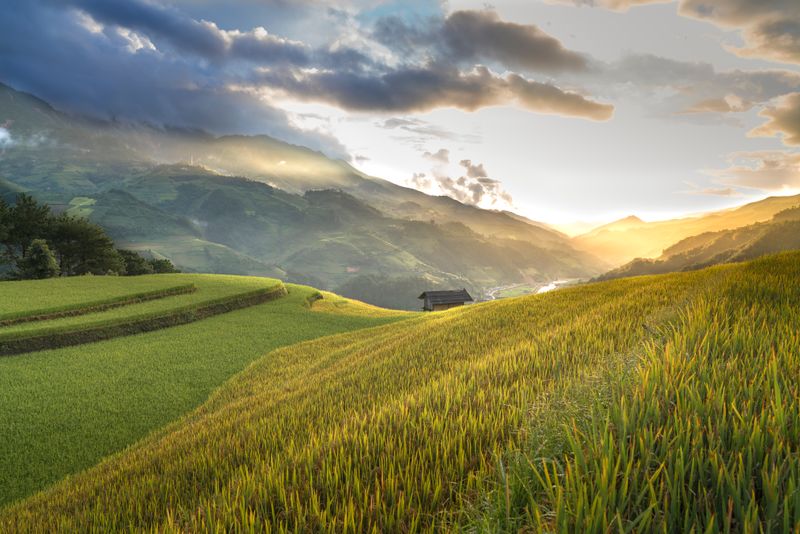
Peak Season (September to November): The ideal time for the Ha Giang Loop coincides with the rice harvest season. September and October offer spectacular golden rice terraces, clear blue skies, and comfortable temperatures (20-25°C during the day). This is also buckwheat flower season, when purple blossoms carpet the highlands. However, these months bring more tourists and higher prices.
Dry Season (November to April): November to early December still offers good weather with fewer crowds as harvest ends. From December to February, temperatures can drop to 5-10°C with occasional fog and mist, making riding more challenging but creating ethereal mountain scenery. March and April see warmer weather returning with wildflowers beginning to bloom.
Rainy Season (May to August): While May and June can still be manageable with occasional afternoon showers, July and August bring heavy monsoon rains that make roads slippery and dangerous. Many sections become muddy and difficult to navigate. Landslides are a real risk during this period. However, if you're experienced and don't mind the challenge, you'll have the roads almost entirely to yourself and see the mountains at their greenest.
Our Recommendation: Late September to late October offers the perfect combination of spectacular scenery, good weather, and manageable crowds. If you prefer solitude and don't mind cooler weather, late November to early December is excellent.
How Long to Spend
3-Day Loop: The most popular option, giving you two full days of riding plus arrival and departure days. This pace allows time to enjoy viewpoints, take photos, and explore villages without feeling rushed. Days typically involve 4-6 hours of riding with plenty of stops.
4-Day Loop: Ideal for those who want a more relaxed pace or wish to explore off-the-main-route destinations. This gives you more time for hiking, visiting local markets, and deeper cultural interactions in villages. Highly recommended for less experienced riders or those who want to really soak in the experience.
2-Day Express: Possible but not recommended unless you're an experienced rider pressed for time. You'll spend most of your time on the bike with minimal time to actually enjoy the places you're passing through.
The Classic Ha Giang Loop Route
Day 1: Ha Giang City to Yen Minh (120km, 4-5 hours)
Start early from Ha Giang City, picking up your motorbike from your chosen rental shop. The first section follows relatively easy roads as you gradually climb into the mountains. Your first major stop is the Quan Ba Heaven Gate (around 45km from Ha Giang), which offers your first spectacular panoramic view of the karst mountains. Take time here - the viewing platform provides stunning photo opportunities of the "Fairy Mountain" twin peaks below.
Continue to Quan Ba town for lunch, then ride through increasingly dramatic scenery toward Yen Minh. The roads become more winding and the views more spectacular. Arrive in Yen Minh by mid-afternoon, giving you time to explore this small market town and check into your homestay. Yen Minh is predominantly H'mong territory, and you'll likely see locals in traditional indigo-dyed clothing.
Key Stops: Quan Ba Heaven Gate, Quan Ba town for lunch, Yen Minh market (if visiting on Sunday - market day)
Road Conditions: Mostly good paved roads with some rough patches. Suitable for beginners.
Accommodation: Family-run homestays in Yen Minh town, 100,000-200,000 VND ($4-8) including dinner and breakfast
Day 2: Yen Minh to Dong Van (90km, 5-6 hours)
This is considered the most spectacular day of the loop. After breakfast, ride toward Dong Van, with your first major highlight being the Lung Khuy Cave (about 15km from Yen Minh). This impressive limestone cave takes about 30 minutes to explore with its dramatic stalactites and stalagmites.
Continue through increasingly dramatic mountain scenery until you reach the day's crowning glory: Ma Pi Leng Pass. This 20-kilometer stretch is one of Vietnam's most famous roads, carved into the side of sheer cliffs with dizzying drops of 800 meters to the Nho Que River far below. There's a glass-bottomed skywalk viewpoint where you can pause (entry 50,000 VND), though the best views are often from the road itself. Take your time here, stop frequently, and drink in the extraordinary scenery.
After the pass, descend to the Nho Que River and consider taking a boat ride (100,000 VND for 30 minutes) to see Ma Pi Leng from below. Continue to Dong Van, arriving in late afternoon. Dong Van is a charming mountain town with a well-preserved old quarter of clay houses. Explore the Old Quarter and visit the Sunday market if timing allows (one of the region's most authentic ethnic minority markets).
Key Stops: Lung Khuy Cave, Ma Pi Leng Pass, Nho Que River, Dong Van Old Quarter
Road Conditions: More challenging with steep grades, tight hairpins, and narrow sections along Ma Pi Leng. Requires confidence and caution.
Accommodation: Homestays and small hotels in Dong Van town, 150,000-300,000 VND ($6-12)

Day 3: Dong Van to Meo Vac and Back to Ha Giang (140km, 6-7 hours)
Wake early to catch sunrise over the karst peaks surrounding Dong Van. After breakfast, take a short 25km ride to Lung Cu Flag Tower, Vietnam's northernmost point. The tower sits atop Dragon Mountain at the Chinese border. Climb the 389 steps for panoramic views over the border region (entry 20,000 VND).
Return to Dong Van and take the alternative route to Meo Vac, which offers different spectacular scenery. Meo Vac is a small but lively mountain town hosting an important Sunday market where ethnic minorities trade livestock, produce, and handicrafts. Even on other days, it's worth stopping for lunch.
The return journey to Ha Giang follows a different route through the eastern side of the loop, passing through Sa Phin Valley. Stop at the H'mong King's Palace, a fascinating blend of Chinese and French colonial architecture where a powerful local clan leader once ruled (entry 30,000 VND). The final stretch back to Ha Giang City retraces some of Day 1's route but from a new perspective.
Arrive back in Ha Giang City by evening, return your motorbike, and celebrate your accomplishment with a well-deserved beer.
Key Stops: Lung Cu Flag Tower, Meo Vac town, H'mong King's Palace, Sa Phin Valley
Road Conditions: Mix of challenging mountain roads and easier sections on the return to Ha Giang
Alternative: Some riders overnight in Meo Vac and take 4 days, allowing for a more leisurely pace on Day 3
Motorbike Options and Rentals
Choosing Your Bike
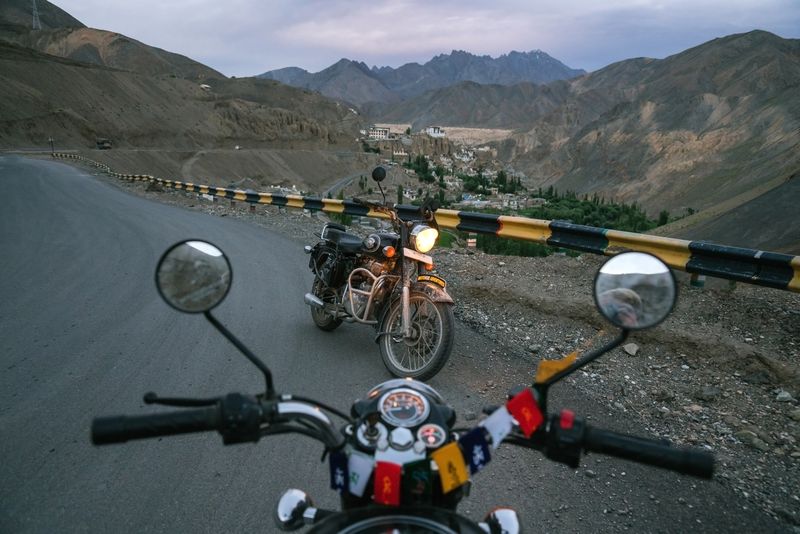
Semi-Automatic (Yamaha Sirius, Honda Wave): The most popular choice for the Ha Giang Loop, especially for those with limited or no manual transmission experience. These 110-125cc bikes are easy to ride, requiring only throttle and brakes - no clutch or gear shifting. They handle the loop's hills adequately if you keep momentum. Rental cost: 120,000-150,000 VND ($5-6) per day.
Manual (Honda XR150, Honda CRF250L): For experienced riders, manual bikes offer better power for steep climbs and more control on descents. The XR150 is the sweet spot - powerful enough for the mountains but not too heavy. Serious off-road enthusiasts opt for the CRF250L or similar. Rental cost: 200,000-350,000 VND ($8-14) per day depending on model.
Scooters (Honda SH, PCX): Not recommended. Automatic scooters lack the power and ground clearance for the Ha Giang Loop's mountain roads. Many rental shops won't even rent them for this route.
Where to Rent
Most travelers rent directly in Ha Giang City upon arrival. Reputable rental shops include QT Motorbikes, Ha Giang Riders, and Jasmine Hotel Motorbike Rental. Book in advance during peak season (September-October).
What's Usually Included: Helmet (often of dubious quality - consider bringing your own), basic insurance (covers bike, not medical), rain poncho, and sometimes phone holder and bungee cords.
What to Check Before Riding Off:
- Brakes (front and rear) work properly
- Headlight and horn function
- Tires have adequate tread
- No unusual noises or vibrations
- Fuel level (start with a full tank)
- Take photos of any existing damage
Deposit: Expect to leave your passport or pay a 3-5 million VND cash deposit. If leaving your passport makes you uncomfortable, negotiate a cash deposit instead or ask about keeping a copy while they hold the original.
Safety Tips and What to Pack
Riding Safety
Go Slow: This isn't a race. The roads are narrow, winding, and shared with livestock, children, and local riders. Maintain a conservative speed that allows you to react to hazards.
Horn Culture: In Vietnam, the horn is a communication tool meaning "I'm here" rather than "get out of the way." Use it liberally before blind corners.
Watch for Gravel and Animals: Loose gravel on corners is a major hazard. Water buffalo, chickens, and dogs frequently wander into the road, often around blind corners.
Ride Defensively: Assume other vehicles can't see you. Buses and trucks need the entire road on tight corners - give them space.
Know Your Limits: If you're not an experienced rider, consider hiring an Easy Rider (driver who takes you on the back) or joining a tour. The Ha Giang Loop includes some of Vietnam's most challenging roads.
Wet Weather: If it rains, consider waiting it out. Wet roads become extremely slippery, especially on steep descents. If you must ride, reduce speed significantly.
Essential Gear to Pack
Riding Gear:
- Quality helmet (bring your own if possible)
- Riding gloves for comfort and protection
- Long sleeves and pants (protective and required for cultural sensitivity)
- Windbreaker or light jacket (mornings are cold)
- Knee/elbow pads (optional but recommended for inexperienced riders)
Personal Items:
- Sunscreen and sunglasses (high altitude sun is intense)
- Cash (many places don't accept cards; 2-3 million VND should cover everything)
- Basic toiletries
- Any prescription medications
- Motion sickness tablets if prone to it
- Phone and portable charger
Documentation:
- Passport (required for hotels and usually rental deposit)
- International Driving Permit (legally required but rarely checked)
- Travel insurance documents
- Copies of important documents
Food and Dining on the Loop
Ha Giang cuisine reflects the region's ethnic minority heritage and mountainous terroir. Meals are simple, hearty, and affordable, with most homestay dinners and breakfasts included in the 100,000-200,000 VND nightly rate.
What to Eat
Thang Co: Ha Giang's signature dish - a hearty stew made from horse meat and internal organs, slow-cooked with aromatic forest herbs and spices. It's traditionally served in large communal bowls and eaten with banh duc (rice flour crepes). An acquired taste but a cultural experience not to miss. Found at most homestays and local restaurants.
Men Men: A Mong traditional dish of coarsely ground corn formed into small dumplings and steamed, often served with spicy dipping sauce. Simple but satisfying, especially after a long day of riding.
Banh Cuon Trung Ga: Ha Giang's version of the popular steamed rice rolls, filled with minced pork and wood ear mushrooms, served with chicken egg on top and dipping sauce.
Grilled Meats: Most homestays offer grilled pork, chicken, or river fish for dinner, served family-style with rice and stir-fried vegetables.
Corn Wine (Ruou Ngo): A potent rice wine made from corn, often served as a welcome drink at homestays. Approach with caution - it's stronger than it tastes! It's considered polite to at least taste it when offered.
Where to Eat
Homestays: Most riders eat dinner and breakfast at their homestay, which is usually included in the room rate. Meals are served family-style, providing excellent opportunities to interact with hosts and other travelers.
Local Restaurants: Each town has several simple restaurants (quan an) serving pho, com tam (broken rice), and stir-fries for 40,000-70,000 VND per meal. Look for places full of locals.
Markets: If your timing aligns with market days (Sunday in Dong Van and Meo Vac), you'll find food stalls selling banh mi, grilled corn, and local snacks.
Pack Snacks: Bring energy bars, nuts, or fruit from Ha Giang City for the road. Options are limited between towns.
Accommodation: Homestays and Hotels
Homestays (Recommended)
Staying in family-run homestays is integral to the Ha Giang Loop experience. These simple guesthouses, usually in or near ethnic minority villages, offer basic rooms (often dormitory-style with mattresses on floor or simple beds), shared bathrooms, and home-cooked meals.
What to Expect: Private or shared rooms with basic mattresses, blankets, and pillows. Bathrooms are usually squat toilets with bucket showers or basic shower heads. Hot water may or may not be available - often you'll bathe with heated water in a bucket. WiFi is rare and unreliable. Dinner and breakfast are included.
Why Stay: The cultural exchange is invaluable. You'll eat with the family, learn about local life, try traditional corn wine, and wake to roosters and mountain views. This is authentic Vietnam.
Cost: 100,000-200,000 VND ($4-8) per person including dinner and breakfast
Booking: Most homestays don't take advance bookings. Arrive by mid-afternoon and look for "Nha Nghi" or "Homestay" signs, or ask at shops. Popular places fill up in peak season, so arriving early is wise.
Hotels and Guesthouses
Larger towns (Ha Giang City, Dong Van) have basic hotels offering private rooms with en-suite bathrooms, hot water, WiFi, and more comfort.
Cost: 200,000-400,000 VND ($8-16) per room, meals separate
Book Ahead: In peak season, book hotels in Dong Van ahead of time through Booking.com or Agoda.
Camping
Some hardy travelers camp along the route. If you're equipped and experienced, it's possible, but be respectful of local communities and always ask permission if camping near villages.
Getting to Ha Giang City
Ha Giang City is the starting point for the loop, located 300km north of Hanoi (about 6-7 hours by road).
Night Bus from Hanoi
Most Popular Option: Overnight sleeper buses depart Hanoi's My Dinh or Luong Yen bus stations between 8:00 PM and 10:00 PM, arriving in Ha Giang City around 4:00-6:00 AM. This saves you a day and hotel night.
Cost: 200,000-300,000 VND ($8-12) for a sleeper berth
Companies: Ha Giang Express, Hai Van Limousine, and others. Book through your Hanoi hotel or online via 12go.asia or Baolau.com.
Tips: Bring earplugs and a light jacket - buses can be cold. The front seats are less bumpy than the back. Many riders arrive on the morning bus, collect their bike, and start riding the same day after coffee and breakfast.
Day Bus
Several companies offer day buses departing Hanoi 6:00-8:00 AM and arriving Ha Giang City 1:00-3:00 PM. More comfortable for seeing scenery but uses up a full day.
Cost: 150,000-250,000 VND ($6-10)
Private Car or Motorbike
You can hire a private car (around 2,500,000 VND) or ride your own/rented motorbike from Hanoi. The latter is only recommended if you're an experienced rider - the route includes challenging mountain roads even before you start the loop.
Budget Breakdown
Here's what the Ha Giang Loop actually costs for a 3-day trip:
Motorbike Rental: 450,000 VND (3 days × 150,000 VND)
Fuel: 150,000 VND (loop is ~350km; bikes do 40-50km per liter; fuel is ~25,000 VND/liter)
Accommodation: 400,000 VND (2 nights × 200,000 VND including meals)
Lunches and Snacks: 200,000 VND (3 days × 70,000 VND average)
Entrance Fees: 100,000 VND (Flag Tower, H'mong Palace, viewpoints)
Miscellaneous: 100,000 VND (drinks, photos with locals, tips)
Total: ~1,400,000 VND (approximately $57 USD)
With Transport to/from Hanoi: Add 500,000 VND for round-trip buses = 1,900,000 VND ($77 USD)
More Comfortable Budget: If you prefer private rooms in hotels rather than homestays, add another 400,000-600,000 VND, bringing the total to $95-105 USD.
The Ha Giang Loop is remarkably affordable for such an epic adventure!
Cultural Etiquette and Responsible Travel
Respecting Ethnic Minority Communities
Ha Giang is home to numerous ethnic minority groups including H'mong, Tay, Dao, and others who maintain traditional lifestyles. Being a respectful visitor is crucial.
Photography: Always ask permission before photographing people, especially in traditional dress. Some ethnic minorities are uncomfortable with photos for cultural or spiritual reasons. If someone declines, respect their wishes. Offering to show them the photo on your camera screen can be a nice gesture.
Dress Modestly: Wear long pants and shirts covering shoulders, especially when visiting villages. This shows respect and helps you blend in better.
Support Local Economy: Stay in locally-owned homestays rather than tour company accommodations. Buy handicrafts directly from artisans rather than shops in Ha Giang City. Eat at family restaurants.
Learn Basic Phrases: Learning even a few Vietnamese words (xin chao - hello; cam on - thank you; xin loi - sorry) goes a long way in showing respect and creating connections.
Children and Candy: Many tourists give candy to children along the route. This has created problems with kids developing dental issues and begging. Instead, consider bringing school supplies (pens, notebooks) or fruit to share if you want to give something.
Environmental Responsibility
Pack Out Trash: There are no public trash bins in many areas. Bring a bag for your trash and dispose of it properly in towns.
Don't Litter: Unfortunately, many areas of the Ha Giang Loop have litter problems. Don't contribute to it. Consider picking up a few pieces of trash when you stop at viewpoints.
Stay on Roads: Riding off established paths damages fragile mountain ecosystems and crops.
Water Usage: In mountain areas, water is precious. Be mindful of your consumption, especially when bathing.
Alternative Routes and Extensions
The 4-Day Extended Loop
Add an extra day between Yen Minh and Dong Van to explore the Du Gia village area and the Lung Tam weaving village, where you can watch H'mong women creating traditional indigo-dyed fabric using ancient techniques. This more relaxed pace is perfect for photography enthusiasts and those wanting deeper cultural immersion.
Bac Sum Pass Addition
For adventure riders seeking less-traveled routes, the Bac Sum Pass between Du Gia and Meo Vac offers spectacular scenery with minimal traffic. This challenging route is not for beginners but rewards experienced riders with pristine mountain views.
Hoang Su Phi Rice Terraces
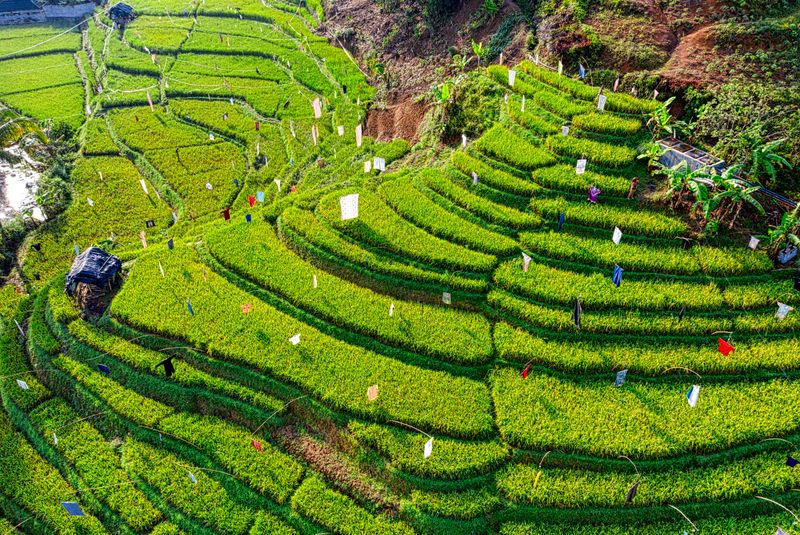
If visiting during rice planting (May-June) or harvest season (September-October), consider a 2-day extension to the Hoang Su Phi rice terraces southeast of Ha Giang City. These spectacular terraced fields are less visited than Sa Pa's but equally impressive.
Ba Be National Park
After completing the loop, adventure travelers can ride south to Ba Be National Park (100km from Ha Giang), Vietnam's largest natural lake, for kayaking, hiking, and waterfall visits. Plan 2 extra days for this extension.
Common Questions and Concerns
Can I ride the Ha Giang Loop if I've never ridden a motorbike?
Honestly, it's not recommended. The Ha Giang Loop includes some of Vietnam's most challenging roads with steep grades, narrow lanes, blind corners, and serious drop-offs. Most rental shops require at least basic riding experience. However, if you're determined, consider:
- Taking a few days in Hanoi to practice on easier roads first
- Renting a semi-automatic (easier than manual)
- Joining a tour or hiring an Easy Rider (experienced driver who takes you as passenger)
- Allowing extra time (4 days instead of 3) to ride slowly and cautiously
Is the Ha Giang Loop dangerous?
The loop does have risks. Accidents happen, usually involving inexperienced riders going too fast, not understanding Vietnamese road culture, or riding in poor weather. However, thousands of travelers complete it safely every year by riding cautiously, respecting the road conditions, and knowing their limits. Your rental shop's "insurance" typically covers bike damage but not your medical expenses, so have good travel insurance.
Can I ride the loop clockwise or counterclockwise?
Most riders go counterclockwise (Ha Giang → Yen Minh → Dong Van → Meo Vac → Ha Giang) because this direction saves Ma Pi Leng Pass, the most spectacular section, for Day 2 when you're more confident. Clockwise is equally possible but you'll tackle Ma Pi Leng on your first full day.
Should I bring my own motorbike from Hanoi?
Only if you're an experienced rider comfortable with 300km of varied road conditions before even starting the loop. Most travelers find it much more convenient to take a bus to Ha Giang and rent there.
What if my bike breaks down?
Motorbike repair shops are found in every town. For minor issues (flat tire, loose chain), roadside mechanics can fix you up for 50,000-100,000 VND. For major breakdowns, call your rental shop - most will arrange to bring you a replacement bike. This is another reason to rent from reputable shops.
Is there phone signal and internet?
Major towns have 4G coverage, but expect dead zones in mountains and valleys between towns. Download offline maps (Maps.me is excellent for Vietnam) before leaving Ha Giang City. Most homestays lack WiFi; hotels may have slow connections.
Final Thoughts
The Ha Giang Loop stands out as one of Southeast Asia's most rewarding adventure travel experiences. It combines thrilling riding, spectacular natural beauty, and authentic cultural encounters in a compact 3-4 day journey. While it requires some riding skill, physical stamina, and flexibility (accommodations are basic, weather is unpredictable, and things rarely go exactly as planned), these challenges are part of what makes completing the loop so satisfying.
The route rewards those who approach it with respect - for the roads, the local communities, and the environment. Take your time, ride safely within your abilities, engage respectfully with local people, and stay present to appreciate the incredible experience unfolding around each corner. Long after you've forgotten the discomfort of basic homestays or the anxiety of a steep descent, you'll remember the sunset over the karst peaks from Ma Pi Leng Pass, the warmth of a H'mong family sharing their dinner and corn wine, and the exhilaration of conquering one of Vietnam's most legendary routes.
Start planning your Ha Giang Loop adventure today - this is one journey that will stay with you forever.