

Preserve Your Vietnam Memories
Turn your travel photos into beautiful custom magnets
A unique service available throughout Vietnam - simply send your favorite travel shots and receive beautiful, high-quality magnets at budget-friendly prices. Perfect for sharing with friends or decorating your space with travel memories.
Contact us on:
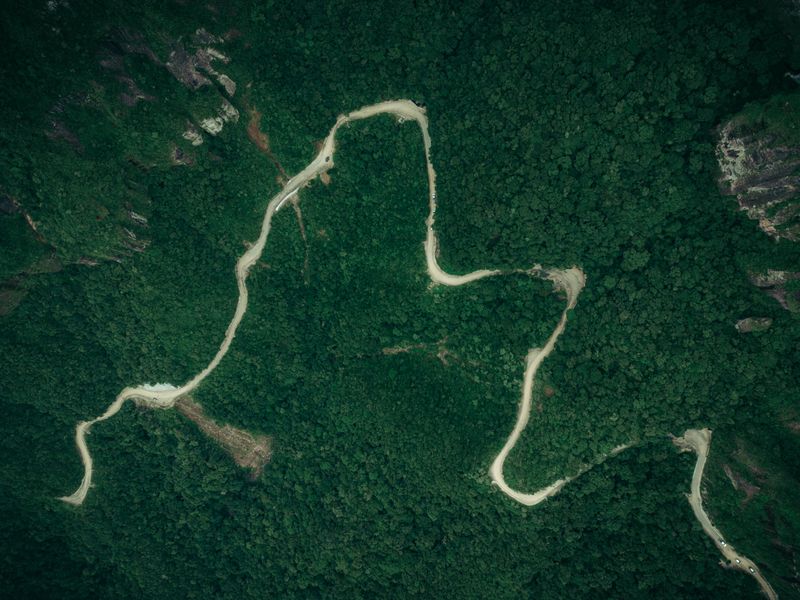
The Ha Giang Loop is undoubtedly one of Vietnam's most epic adventures. This legendary motorbike circuit winds through the country's northernmost province, taking riders on a jaw-dropping journey through towering limestone peaks, terraced rice fields, and traditional ethnic minority villages. For adventure seekers and photography enthusiasts, this 3-4 day journey offers raw, unfiltered beauty that remains largely untouched by mass tourism.
Unlike the more developed routes in Vietnam, the Ha Giang Loop delivers an authentic experience that combines thrilling mountain roads with cultural immersion. You'll navigate hairpin turns with sheer drops, cross high mountain passes shrouded in mist, and encounter hill tribe communities whose way of life has remained unchanged for centuries. This is Vietnam at its most spectacular and adventurous.
Whether you're an experienced rider or a confident beginner, the Ha Giang Loop promises memories that will last a lifetime. This comprehensive guide covers everything you need to know to plan and execute this incredible journey safely and successfully.
Why Ride the Ha Giang Loop
- Spectacular scenery: Some of the most dramatic mountain landscapes in Southeast Asia, including the famous Ma Pi Leng Pass
- Cultural immersion: Encounter Hmong, Tay, Dao, and other ethnic minority groups in traditional villages
- Adventure challenge: Test your riding skills on winding mountain roads and high-altitude passes
- Photography paradise: Endless opportunities for stunning landscape, portrait, and cultural photography
- Off-the-beaten-path: Still relatively undiscovered compared to other Vietnamese destinations
- Affordable adventure: Complete the loop on a modest budget with plenty of local accommodation options
Overview of the Ha Giang Loop
The Ha Giang Loop is a roughly 300-350 kilometer circuit that starts and ends in Ha Giang City, the capital of Vietnam's northernmost province. Most travelers complete the loop in 3-4 days, though some extend it to 5-6 days for a more leisurely pace with additional stops.
Route Distance: 300-350 km (depending on detours) Duration: 3-4 days (most common), 5-6 days (leisurely) Difficulty: Moderate to challenging Best for: Intermediate riders, though confident beginners can manage with caution Starting point: Ha Giang City Highest point: Heaven's Gate (1,500 meters above sea level)
The loop follows the Chinese border through some of Vietnam's most remote and mountainous terrain. You'll ride through the Dong Van Karst Plateau Geopark, a UNESCO-recognized area known for its dramatic limestone formations, deep valleys, and unique geological features.
Best Time to Visit Ha Giang Loop
Peak Season (September to November)
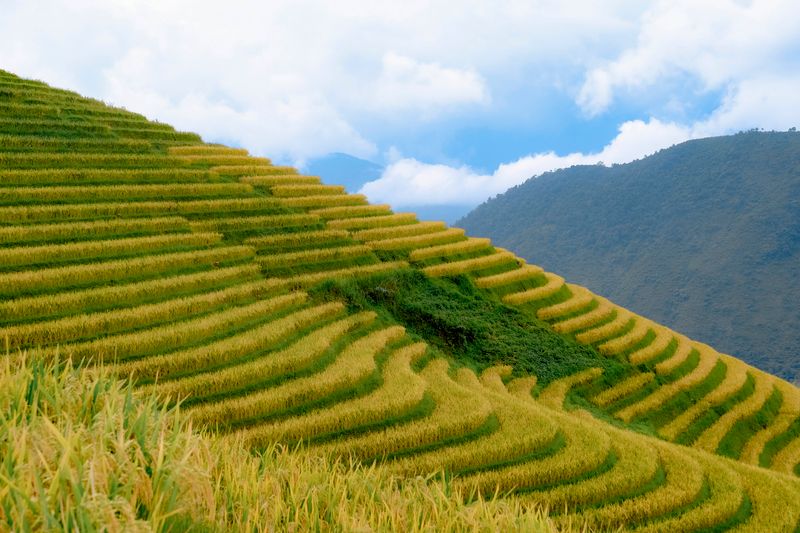
September to November is considered the best time for the Ha Giang Loop. During these months, the weather is clear and dry, making road conditions optimal for riding. September offers the spectacular sight of golden rice terraces ready for harvest, creating a photographer's dream landscape.
- Clear blue skies and excellent visibility
- Comfortable temperatures (18-25°C)
- Golden rice terraces in September
- Dry roads with minimal risk of landslides
- Higher accommodation prices and more tourists
Secondary Season (March to May)
Spring (March to May) brings colorful wildflowers, blooming buckwheat flowers (especially in November), and pleasant weather. The landscape turns green, and you'll experience fewer tourists than in autumn.
- Buckwheat flowers bloom (late October-November)
- Pleasant temperatures
- Fewer tourists than autumn
- Some morning fog possible
- Occasional light rain
Rainy Season (May to September)
The wet season brings challenging conditions with heavy rain, slippery roads, and increased risk of landslides. However, the landscape is lush and green, waterfalls are at their most impressive, and you'll encounter very few other travelers.
Winter (December to February)
Winter can be extremely cold, especially at high elevations. Temperatures can drop to near freezing, and fog often reduces visibility. Only experienced riders should attempt the loop during these months.
Bottom line: Aim for September to November for the best overall experience.
Getting to Ha Giang from Hanoi
Ha Giang City is located approximately 300 kilometers north of Hanoi, making it a 6-7 hour journey by road.
Overnight Sleeper Bus (Most Popular)
The most convenient option is an overnight sleeper bus from Hanoi to Ha Giang. Buses depart nightly from various locations in Hanoi.
- Cost: 200,000-300,000 VND ($8-12 USD)
- Duration: 6-7 hours
- Departure: Usually 8:30-11:00 PM
- Arrival: 5:00-7:00 AM
- Booking: Book online via 12go.asia or directly with companies like Hung Thanh, Ha Giang Express
Day Bus
If you prefer traveling during daylight, several companies operate day buses. You'll lose a day of your trip but arrive more refreshed.
- Cost: 180,000-250,000 VND ($7-10 USD)
- Duration: 6-8 hours
- Departure: Morning (7:00-8:00 AM)
Private Car/Van
For small groups, hiring a private car or van offers comfort and flexibility to stop along the way.
- Cost: 2,500,000-3,500,000 VND ($100-140 USD) total for 4 people
- Duration: 5-6 hours with stops
- Booking: Through travel agencies or hotels
Motorbike from Hanoi
Experienced riders can ride their own motorbike from Hanoi to Ha Giang. This adds 2 extra days but allows you to explore rural northern Vietnam.
Pro tip: Book your return bus ticket in advance, especially during peak season (September-November).

Motorbike Rental Options and Requirements
Types of Bikes Available
Semi-automatic bikes (Honda Wave, Yamaha Sirius) - Most popular choice
- Easy to ride for beginners
- Good fuel efficiency
- Cost: 120,000-150,000 VND/day ($5-6)
- Best for: Confident beginners, those comfortable with semi-automatic
Manual motorcycles (Honda Win, XR150) - For experienced riders
- Better for steep climbs and rough terrain
- More control on descents
- Cost: 150,000-200,000 VND/day ($6-8)
- Best for: Experienced riders, those comfortable with gears
Scooters (Yamaha Nouvo, Honda Air Blade) - Not recommended
- Struggle with steep hills
- Less stable on rough roads
- Only suitable for those with mobility concerns
Rental Process
- Choose a rental shop: Many hostels offer bikes, or use dedicated rental shops in Ha Giang City
- Check the bike thoroughly: Test brakes, lights, horn, and engine before accepting
- Take photos/video: Document any existing damage
- Deposit: Expect to pay 2,000,000-3,000,000 VND ($80-120) or leave your passport
- Insurance: Basic insurance usually included; consider additional coverage
Requirements and Recommendations
Legal requirements:
- International Driving Permit (IDP) with motorcycle category
- Vietnamese motorbike license (if staying long-term)
- Reality: Many travelers ride without proper licenses, but this voids insurance and carries legal risks
Experience level:
- At least 100-200 km of riding experience recommended
- Practice in Hanoi traffic before heading to Ha Giang
- Never learned to ride? Consider hiring an easy rider (experienced driver) or joining a tour
Essential skills:
- Comfortable with hills and steep grades
- Able to handle sharp curves
- Experience with semi-automatic or manual transmission
Easy Rider Option
If you want the Ha Giang experience without riding yourself, hire an experienced driver (called an "easy rider"). You sit on the back while they handle all the riding.
- Cost: 600,000-800,000 VND/day ($25-32) per bike
- Includes: Experienced driver, bike rental, local knowledge
- Perfect for: Non-riders, those wanting to focus on scenery/photos
Detailed Route Breakdown with Key Stops
Classic 3-4 Day Loop Itinerary
Day 1: Ha Giang City to Quan Ba (45 km) to Yen Minh (60 km) - Total: 105 km
Starting point: Ha Giang City
First, stop at the Ha Giang Police Station to get your travel permit (required for border regions). This usually takes 10-15 minutes.
Heaven's Gate (Tram Ton Pass) - 30 km from Ha Giang City Your first major viewpoint offers panoramic views back toward Ha Giang and the valleys below. At 1,500 meters elevation, this is where the serious mountains begin.
Quan Ba Twin Mountains (Fairy Mountains) - 45 km Stop at the viewpoint overlooking the "Twin Mountains," two perfectly symmetrical limestone peaks rising from the valley. Local legend says they're the breasts of a fairy who transformed into stone.
Yen Minh - 105 km A small town with basic accommodation options. Many riders continue to Dong Van, but stopping here breaks up the first day nicely.
Overnight: Yen Minh (budget homestays 80,000-150,000 VND)
Day 2: Yen Minh to Dong Van (55 km) - Total: 55 km
This shorter day allows time for photography and exploration.
Sung La Valley Spectacular valley views with traditional Hmong villages dotting the hillsides.
Pho Cao - 20 km Small village with a weekend market on Sundays. Stop for fresh pho at local stalls.
Lung Cam Cultural Village - 30 km Experience authentic Hmong culture. The village offers homestays with traditional meals.
Vuong Palace - 50 km Historical mansion of the Vuong family, once the most powerful clan in the region. Entry fee: 30,000 VND.
Dong Van Old Quarter - 55 km Charming old town with stone houses and narrow streets. Explore the market, try local specialties, and enjoy the mountain town atmosphere.
Overnight: Dong Van (budget guesthouses 100,000-200,000 VND)
Don't miss: Sunday market in Dong Van (if your timing works out)
Day 3: Dong Van to Meo Vac via Ma Pi Leng Pass (25 km) to Du Gia (65 km) - Total: 90 km
The highlight day featuring the legendary Ma Pi Leng Pass.
Ma Pi Leng Pass - 20 km from Dong Van The most spectacular and dangerous road in Vietnam. This section clings to sheer cliffs above the Nho Que River gorge. Take your time, stop frequently for photos, and ride carefully. The views are absolutely breathtaking.
Nho Que River Viewpoint Stop at designated viewpoints to admire the emerald river snaking through the deep canyon far below.
Ma Pi Leng Skywalk - 22 km Glass walkway extending over the cliff edge. Entry: 100,000 VND. Worth it for the adrenaline and photos.
Meo Vac - 25 km Another charming mountain town. Sunday market is one of the region's best for ethnic minority culture.
Overnight: Meo Vac or continue to Du Gia (40 km more)
Day 4: Meo Vac/Du Gia back to Ha Giang City (120-160 km)
The final day is mostly downhill with less dramatic scenery but still beautiful. Take your time and enjoy the ride.
Du Gia (if you stayed in Meo Vac, this is 40 km) Small town with basic services.
Nam Dam - 80 km Stop for lunch at local restaurants.
Back to Ha Giang City - Complete the loop Return your bike, collect your deposit, and catch your bus back to Hanoi.
Extended 4-5 Day Itinerary
For a more relaxed pace, add extra stops:
- Du Gia to Bac Me (Day 4): Explore less-touristed areas
- Add Hoang Su Phi: Terraced rice fields (requires 1-2 extra days)
- Thac Ba Lake: Scenic lake area with homestays
Must-See Viewpoints and Photo Spots
Top Photography Locations
- Heaven's Gate viewpoint - Panoramic mountain views (km 30)
- Quan Ba Twin Mountains - Best from designated viewpoint (km 45)
- Ma Pi Leng Pass lookouts - Multiple spots along the pass (km 180-200)
- Nho Que River from above - Emerald river in deep canyon (km 195)
- Lung Cam terraced fields - Rice terraces with village (km 130)
- Dong Van morning market - Cultural photography (Sunday)
- Meo Vac market - Ethnic minority portraits (Sunday)
- Pao's House - Historical French colonial building (near Dong Van)
Photography Tips
- Golden hour magic: Start early for soft morning light on the mountains
- Wait for clear days: Cloud and fog can obscure views
- Respect locals: Always ask permission before photographing people
- Safety first: Don't stop in dangerous locations or block the road
- Bring backup batteries: Cold weather drains batteries quickly
- Pack light: Minimize camera gear for easier riding

Accommodation Options Along the Route
Ha Giang City
Budget:
- Backpacker hostels: 80,000-150,000 VND/night ($3-6)
- Ha Giang Backpackers, QT Hostel
Mid-range:
- Hotels: 300,000-600,000 VND/night ($12-25)
- Alley Hotel, Queen Hotel
Yen Minh
Fewer options, mostly basic guesthouses and homestays.
- Homestays: 100,000-150,000 VND/night ($4-6)
- Simple rooms with shared bathrooms
Dong Van
Most developed accommodation options along the route.
Budget:
- Homestays: 100,000-200,000 VND ($4-8)
- Phuong Thien Homestay, Long Homestay
Mid-range:
- Hotels: 250,000-500,000 VND ($10-20)
- Dongvan Hotel, Hoang Ngoc Hotel
Meo Vac
Similar to Dong Van with several homestay and hotel options.
- Homestays: 100,000-180,000 VND ($4-7)
- Budget hotels: 200,000-400,000 VND ($8-16)
Du Gia
Very basic accommodation, mostly homestays.
- Homestays: 80,000-150,000 VND ($3-6)
Booking Tips
- High season: Book ahead for September-November, especially weekends
- Walk-ins: Usually fine for mid-week during low season
- Homestays include: Usually include dinner and breakfast
- Hotel amenities: Hot water, WiFi (often slow), private bathroom
- Homestay experience: Basic shared bathrooms, communal meals, cultural exchange
Safety Tips and Road Conditions
Road Conditions
Expect:
- Winding mountain roads: Countless hairpin turns with steep grades
- Variable surface quality: Some sections freshly paved, others rough or potholed
- No guardrails: Many sections have sheer drops with no barriers
- Loose gravel: Especially in corners and after rain
- Narrow roads: Challenging when meeting trucks or buses
- Construction: Road work common, causing detours
Essential Safety Tips
- Ride within your ability: Don't feel pressured to keep up with faster riders
- Morning riding is best: Better visibility, less traffic, warmer temperatures
- Watch for gravel in corners: Slow down before turns, not during
- Use engine braking: Don't rely solely on brakes on long descents
- Stay alert for animals: Goats, chickens, and dogs often wander onto roads
- Avoid riding at night: Dangerous conditions, no street lights
- Wear protective gear: Helmet (mandatory), long pants, closed shoes, gloves
- Stay hydrated: The riding is physically demanding
- Take breaks: Don't push yourself when tired
- Ride in groups: Safer and more fun, plus help if something goes wrong
Weather Hazards
- Fog: Common in mornings and evenings, severely reduces visibility
- Rain: Makes roads slippery, increases landslide risk
- Cold: Temperatures can drop significantly at high elevations
- Sun: Strong at altitude, wear sunscreen
What to Do if You Crash
- Assess injuries: Check yourself and others
- Move to safety: Get off the road if possible
- Call your rental shop: They can send help or a replacement bike
- Document damage: Photos for insurance/deposit purposes
- Seek medical help: Don't downplay injuries, nearest hospital is in Ha Giang City
- Emergency number: 115 (ambulance), 113 (police)
Bike Maintenance Issues
- Flat tire: Most rental shops provide a repair kit and pump
- Brake problems: Don't continue riding; call rental shop
- Fuel: Petrol stations every 30-50 km, never let tank get too low
- Mechanical issues: Villages have basic repair shops
What to Pack for the Ha Giang Loop
Essential Items
Clothing:
- Sturdy closed-toe shoes (waterproof if possible)
- Long pants (jeans or riding pants)
- Layered clothing (temperature varies greatly)
- Windproof/waterproof jacket
- Warm layer for evenings (fleece or down jacket)
- Sun protection (hat, sunglasses)
- Change of clothes (2-3 sets)
- Swimwear (some homestays have hot tubs)
Safety gear:
- Helmet (rental included, but bring your own if you have one)
- Gloves (riding gloves or winter gloves)
- Knee/elbow pads (optional but recommended for beginners)
- Sunscreen (SPF 50+)
- Lip balm
Practical items:
- Phone holder for bike (navigation)
- Power bank (electricity can be unreliable)
- Basic first aid kit (bandages, antiseptic, pain relievers)
- Toilet paper/wet wipes (rural toilets often lack TP)
- Water bottle (1 liter minimum)
- Snacks (energy bars, fruit)
- Headlamp/flashlight
- Cash (ATMs only in Ha Giang City)
- Waterproof phone case/bag
Photography gear:
- Camera with extra batteries
- Phone with good camera (often sufficient)
- GoPro for action footage (optional)
- Lens cloth (dust is constant)
What Not to Bring
- Large backpacks (space on bike is limited)
- Expensive jewelry
- Unnecessary valuables
- Too many clothes (you can wash at homestays)
Packing Tips
- Pack light: Everything must fit in your backpack
- Use compression bags: Maximize space
- Waterproof bags: Protect electronics from rain and dust
- Accessible rain gear: Have jacket within easy reach
- Cash in multiple places: Don't keep all money in one spot
Budget Breakdown
Here's what to expect for a 4-day/3-night Ha Giang Loop:
Budget Backpacker (Per Person)
- Transport Hanoi-Ha Giang return: 400,000 VND ($16)
- Motorbike rental (4 days): 480,000 VND ($20)
- Petrol: 150,000 VND ($6)
- Accommodation (3 nights homestays): 450,000 VND ($18)
- Food: 600,000 VND ($24)
- Travel permit: 10,000 VND ($0.40)
- Entrance fees: 130,000 VND ($5)
- Emergency buffer: 200,000 VND ($8)
Total: ~2,420,000 VND ($97 USD)
Mid-Range Traveler (Per Person)
- Transport Hanoi-Ha Giang return: 500,000 VND ($20)
- Motorbike rental (better bike, 4 days): 600,000 VND ($24)
- Petrol: 150,000 VND ($6)
- Accommodation (3 nights hotels/better homestays): 900,000 VND ($36)
- Food (restaurants + snacks): 900,000 VND ($36)
- Travel permit: 10,000 VND ($0.40)
- Entrance fees: 130,000 VND ($5)
- Souvenirs: 200,000 VND ($8)
- Emergency buffer: 300,000 VND ($12)
Total: ~3,690,000 VND ($148 USD)
With Easy Rider (Per Person)
Add 2,400,000 VND ($96) for 4 days with experienced driver Total: ~5,200,000 VND ($208 USD)
Money-Saving Tips
- Travel in low season (March-May, June-August)
- Stay in homestays instead of hotels
- Eat at local restaurants, not tourist places
- Share an easy rider (2 people on one bike)
- Cook/prepare some meals at homestays
- Skip paid attractions (natural scenery is free)
- Bring refillable water bottle (avoid buying bottled water)
Where to Spend More
- Quality motorbike rental (better brakes, newer bike)
- Proper riding gear and protection
- Comfortable accommodation (rest is important)
- Easy rider if you're inexperienced
Cultural Etiquette with Ethnic Minorities
The Ha Giang region is home to numerous ethnic minority groups, including Hmong, Tay, Dao, Lo Lo, and Nung peoples. Respectful interaction enriches your experience and supports these communities.
Photography Etiquette
- Always ask permission before photographing people
- Expect to pay: Some locals (especially in markets) may request 10,000-20,000 VND for photos
- Respect refusals: Not everyone wants to be photographed
- Children: Extra sensitivity required; ask parents first
- Candid shots: Be discreet and respectful
- Share photos: Show people the photos you took of them
Visiting Villages and Homes
- Accept invitations graciously: If invited into a home, accept; it's an honor
- Remove shoes: Always remove footwear before entering homes
- Bring small gifts: Fruit, sweets, or snacks are appreciated
- Respect sacred spaces: Altars and ceremonial areas are off-limits
- Ask before touching: Traditional clothing, tools, and decorations may be precious
- Support local: Buy handicrafts directly from artisans
Market Behavior
- Bargain respectfully: Negotiate prices fairly but don't over-haggle
- Buy something: If you spend time at a stall, purchase something small
- Try local foods: Markets offer unique snacks and dishes
- Be patient: Rural life moves at a slower pace
- Learn basic phrases: "Hello" and "thank you" in Vietnamese go a long way
Clothing and Appearance
- Dress modestly: Cover shoulders and knees, especially in villages
- Conservative colors: Avoid overly bright or revealing clothing
- Remove hats: When entering homes or sacred spaces
- Be clean: Rural communities have limited water; be mindful
Basic Vietnamese Phrases
- Hello: Xin chào (sin chow)
- Thank you: Cảm ơn (gahm un)
- How much?: Bao nhiêu tiền? (bow nyew tyen?)
- Delicious: Ngon (nawn)
- Goodbye: Tạm biệt (tahm bee-yet)
- Beautiful: Đẹp (dep)
Responsible Tourism
- Don't give money to children: Creates begging culture
- Support ethical businesses: Choose homestays and guides that benefit locals
- Leave no trace: Take all trash with you
- Respect traditions: Observe local customs and ceremonies from a distance
- Learn before you go: Research ethnic groups and their cultures
Things to Avoid
- Don't touch people's heads: Considered disrespectful
- Don't point feet at people: Feet are considered unclean
- Avoid public displays of affection: Conservative culture
- Don't raise your voice: Seen as losing face
- Don't litter: Rural areas lack waste infrastructure
- Don't assume: Every ethnic group has different customs
Practical Tips for the Journey
Permits and Documentation
Ha Giang Travel Permit: Required for all foreign visitors. Get it at the Ha Giang Police Station (near the center). Bring passport and 10,000 VND. Takes 10-15 minutes. Your rental shop or hotel can often help.
Mobile and Internet
- Coverage: Viettel has the best coverage in mountains
- Data: Buy a SIM card in Ha Giang City (50,000-200,000 VND for tourist SIM)
- WiFi: Available in Ha Giang City and larger towns; unreliable elsewhere
- Download maps: Offline maps essential (Maps.me, Google Maps offline)
Navigation
- Google Maps: Generally accurate for major roads
- Maps.me: Better for offline use and small paths
- Follow other riders: Easy if traveling in a group
- Ask locals: Always friendly and helpful, even with language barriers
- Road signs: Limited and often only in Vietnamese
Food and Water
- Try everything: Pho, bun (noodles), com (rice plates), banh mi
- Street food: Generally safe and delicious
- Hygiene: Look for busy places (high turnover = fresh food)
- Water: Bottled water widely available; refill at accommodations
- Vegetarian: Say "an chay" (ahn chai) for vegetarian food
- Spicy: Vietnamese food isn't typically very spicy, but ask "khong cay" (khome kai) for no spice
Health and Hygiene
- Altitude: Some people feel effects at higher elevations
- Toilets: Squat toilets common in rural areas; bring toilet paper
- Hand sanitizer: Essential for hygiene on the go
- Sunburn: High altitude sun is intense; reapply sunscreen
- Insect repellent: Mosquitoes present in warmer months
- Pharmacies: Only in Ha Giang City; bring necessary medications
Best Practices
- Start early: Leave by 7:00-8:00 AM for best light and weather
- Ride your own pace: Don't feel pressured by other riders
- Stay flexible: Weather and road conditions may require route changes
- Make friends: The Ha Giang community is welcoming
- Disconnect: Limited internet is a feature, not a bug
- Enjoy the journey: It's about the experience, not just reaching destinations
Final Thoughts
The Ha Giang Loop stands as one of Southeast Asia's greatest adventure travel experiences. The combination of breathtaking scenery, challenging roads, cultural immersion, and authentic rural life creates a journey unlike any other in Vietnam. While it requires preparation, appropriate skills, and respect for local communities, the rewards far exceed the challenges.
Whether you're navigating the legendary Ma Pi Leng Pass, sharing meals with Hmong families in mountain homestays, or simply soaking in the panoramic views from Heaven's Gate, every moment on the Ha Giang Loop contributes to an unforgettable adventure. This is Vietnam raw and real—no tour buses, no crowds, just you, your motorbike, and the open mountain road.
Pack wisely, ride safely, respect the local culture, and embrace the adventure. The mountains are calling, and Ha Giang awaits.
Have you ridden the Ha Giang Loop? Share your experiences, tips, and favorite stops with future adventurers!