

Preserve Your Vietnam Memories
Turn your travel photos into beautiful custom magnets
A unique service available throughout Vietnam - simply send your favorite travel shots and receive beautiful, high-quality magnets at budget-friendly prices. Perfect for sharing with friends or decorating your space with travel memories.
Contact us on:
Northern Vietnam Waterfall Hunting Guide: Hidden Cascades and Swimming Holes
October in Northern Vietnam marks the end of the monsoon season, and there's no better time to chase waterfalls. After months of rainfall, Vietnam's cascades are at their absolute peak - thundering with tremendous force, framed by lush post-monsoon greenery, and surrounded by landscapes washed clean by the rains. From the massive curtain of Ban Gioc on the Chinese border to hidden jungle pools accessible only by motorbike, Northern Vietnam's waterfalls offer some of Southeast Asia's most spectacular natural scenery.
This isn't just about ticking off famous viewpoints. Vietnam's waterfall scene ranges from accessible roadside cascades perfect for families to remote swimming holes requiring serious trekking skills. You'll find dramatic multi-tiered falls plunging through tropical forests, romantic cascades tucked into mountain valleys, and thundering walls of water that shake the ground beneath your feet. Some have become Instagram hotspots with developed facilities and crowds, while others remain genuinely hidden, known only to local villagers and adventurous travelers willing to get off the beaten path.
What makes October particularly special for waterfall hunting is the combination of peak water flow and improving weather. The monsoon rains have filled every stream and river to capacity, creating the most dramatic water volumes of the year. Yet the weather is transitioning to the cooler, drier season, meaning you're more likely to catch clear skies and comfortable temperatures for trekking. The forests are at their most vibrant green, the air is crisp and fresh, and the tourist crowds haven't yet arrived for the peak season. It's the perfect window for waterfall enthusiasts, photographers, and adventure travelers.
Why October is Peak Waterfall Season
- Maximum water flow: Months of monsoon rain mean waterfalls are at their most powerful and dramatic, with spray creating spectacular mist effects perfect for photography
- Post-monsoon clarity: The worst storms have passed, but rivers remain full, giving you powerful falls without constant rain interrupting your visit
- Lush landscapes: Vegetation is at its most vibrant after the rainy season, creating stunning green backdrops for waterfall photography
- Comfortable temperatures: October's cooler weather (20-28°C) makes trekking to remote falls enjoyable rather than exhausting
- Fewer tourists: Pre-peak season means you'll share popular falls with fewer crowds, and hidden waterfalls may have you entirely alone
- Clear photography: Better weather means clearer skies and better lighting for dramatic waterfall shots, especially early morning and late afternoon
- Safe swimming conditions: Water levels are high but rivers have settled after peak monsoon, making swimming holes accessible but not dangerously fast-flowing
- Cultural festivals: October coincides with harvest festivals in ethnic minority areas, adding cultural experiences to waterfall hunting trips
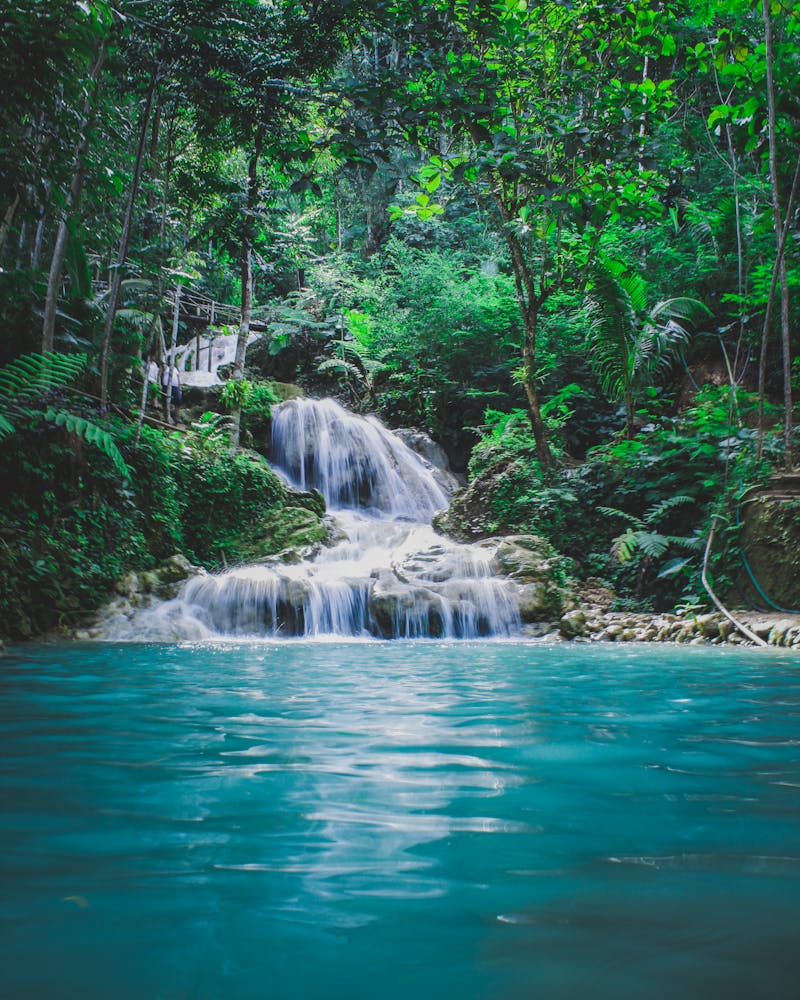
Ban Gioc Waterfall: Vietnam's Most Spectacular Cascade
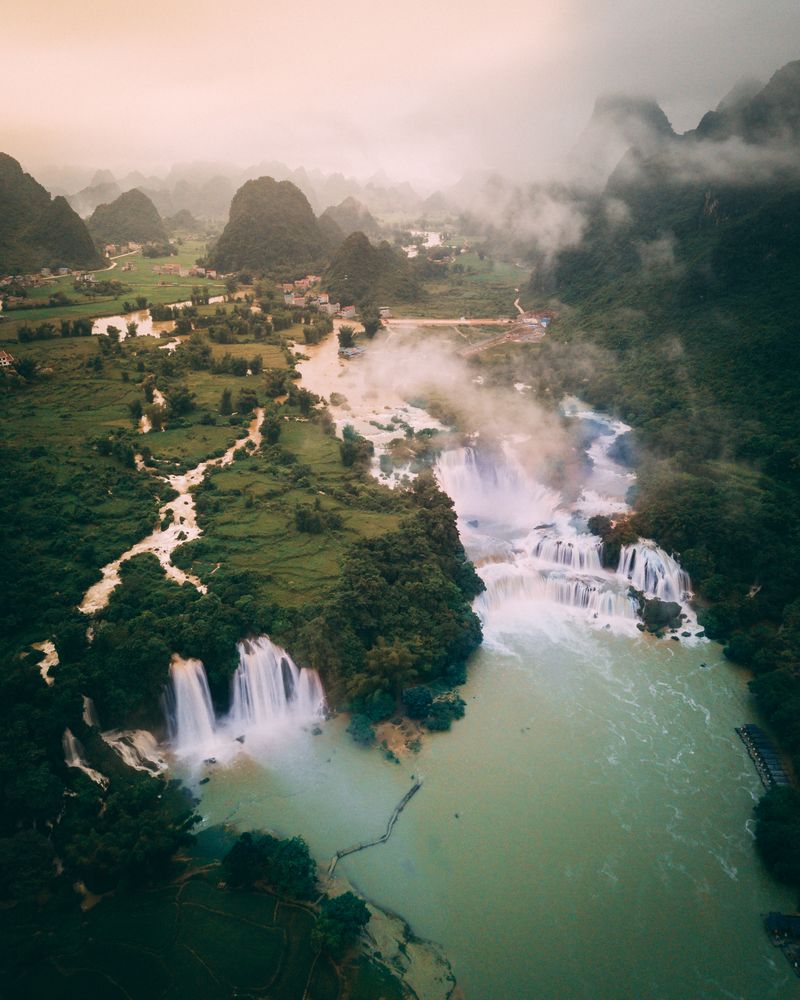
Standing at the border between Vietnam and China, Ban Gioc Waterfall (Thac Ban Gioc) is simply one of Southeast Asia's most magnificent natural wonders. This isn't a single cascade - it's a massive, 300-meter-wide curtain of water dropping approximately 30 meters in three tiers, straddling the international border. The waterfall is fed by the Quay Son River, which marks the boundary between the two countries, creating the unusual situation where you can photograph a waterfall that belongs to two nations simultaneously.
The Experience
Approaching Ban Gioc, you hear it before you see it - a deep, rumbling thunder that grows louder as you near. Then, rounding a bend, the full spectacle emerges: a vast wall of white water pouring over limestone cliffs, framed by karst mountains and tropical vegetation. The spray creates a constant mist that catches sunlight, producing frequent rainbows. In October, after the monsoon, the water volume is staggering - the falls don't so much cascade as explode over the rocks, sending spray hundreds of meters into the air.
The waterfall is divided into three main sections by rocky outcrops and vegetation-covered islands at the crest. The main fall on the Vietnamese side is the most powerful, while smaller cascades tumble on the Chinese side. Bamboo rafts ferry visitors to viewpoints directly at the base of the falls, where the force of the water creates a constant roar and the mist soaks everything within 50 meters.
Best Viewpoints and Photography
Main Viewing Platform (closest access) This wooden platform sits about 100 meters from the base of the falls, providing head-on views of the full cascade. It's crowded but offers the classic Ban Gioc shot. Best light is morning (8-10am) when the sun hits the falls directly. Bring lens protection - the spray reaches even here.
Bamboo Raft Experience (most dramatic) Local villagers operate bamboo rafts that take you right to the base of the falls - an exhilarating and very wet experience. The rafts cost 30,000 VND (about $1.50) and get you close enough to feel the falls' power. Waterproof everything. The perspective from water level looking up at the towering cascade is unforgettable and creates unique photos impossible to capture from shore.
Elevated Viewpoint Trail (best for photography) A trail leads uphill from the main viewing area to an elevated perspective that shows the full scale of the falls in context with the surrounding karst landscape. The climb takes 20-30 minutes but rewards you with the best overall composition. This is where you want to be for golden hour (late afternoon) when the sun backlights the mist.
Nguom Ngao Cave Side (alternative angle) After visiting the cave system (highly recommended), a viewpoint offers a different angle on Ban Gioc from higher elevation. Less crowded and provides context showing how the waterfall fits into the broader landscape.
Practical Information
Location: Cao Bang Province, Trung Khanh District, near the Chinese border (approximately 85km from Cao Bang City)
Entrance Fee:
- Main site: 80,000 VND per person (approximately $3.50 USD)
- Bamboo raft: 30,000 VND extra
- Nguom Ngao Cave: 30,000 VND (combined tickets available)
Getting There:
- From Cao Bang City: 2-2.5 hours by motorbike or car (85km)
- From Hanoi: 7-8 hours (400km), best done as overnight trip or multi-day loop
- Most visitors come as part of the Ba Be Lake - Ban Gioc loop or Ha Giang Loop extension
- Road quality is good - paved all the way
Best Time:
- Year-round accessible, but October offers peak water flow post-monsoon
- Morning visit (7-10am) for best light and fewer crowds
- Weekdays significantly less crowded than weekends
Nearby Attractions to Combine:
- Nguom Ngao Cave (30 minutes away) - spectacular limestone cave system
- Pac Bo Cave - historic site where Ho Chi Minh stayed in 1941
- Ba Be National Park and Lake (en route from Hanoi)
- Local Tay ethnic minority villages around Trung Khanh
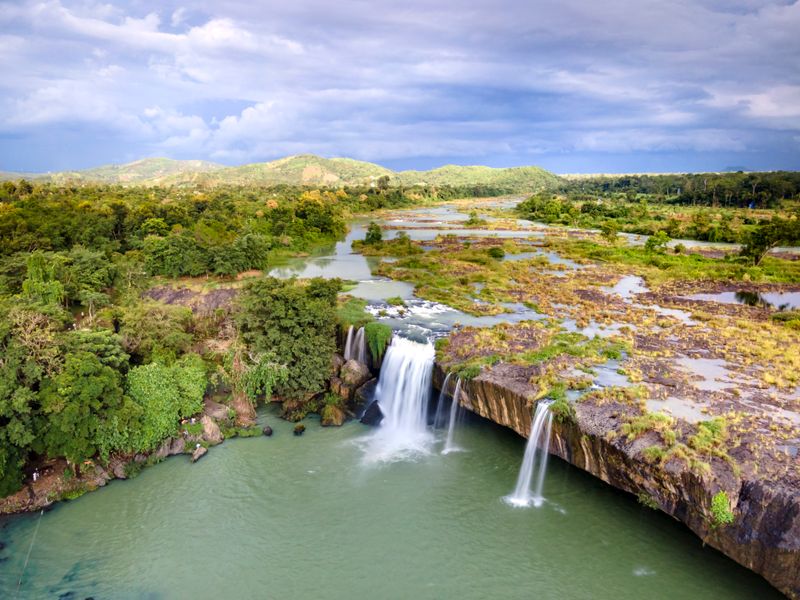
Sapa's Waterfall Trio: Silver, Love & Cat Cat
The Sapa region offers three distinctly different waterfall experiences, each with unique character and accessibility. Unlike remote Ban Gioc, these falls are easily incorporated into a Sapa valley trek or even accessed directly by road, making them perfect for travelers with limited time or mixed fitness levels.
Thac Bac (Silver Waterfall): The Roadside Giant
Silver Waterfall is Vietnam's most accessible major cascade - you can literally see it from the Sapa-Lai Chau highway. The falls drop 200 meters down a cliff face in a single spectacular plunge, earning its "silver" name from the way sunlight catches the white water. This is Northern Vietnam's tallest single-drop waterfall, and in October, the volume transforms it from a graceful ribbon to a thundering column of water.
The Experience: Unlike waterfalls requiring trekking, Thac Bac is a quick stop - stairs lead from the parking area to multiple viewing platforms that get progressively closer to the base. The closest platform puts you in the spray zone, where you'll feel the falls' power and get soaked by mist. The constant spray creates fantastic photo opportunities with rainbows frequently visible on sunny afternoons. The sound is overwhelming - conversation requires shouting even 50 meters away.
Photography: Best shot from the middle viewing platform (not the closest), which provides enough distance to capture the full height without excessive spray on your lens. Morning light (8-10am) illuminates the falls beautifully. Using a moderate shutter speed (1/30 to 1/125) captures both the water's power and some texture detail. Wide-angle lens (16-35mm) needed to capture the full 200-meter drop.
Practical Details:
- Location: 12km from Sapa town on Lai Chau road
- Entrance: 50,000 VND
- Access: Steps directly from road - accessible by any vehicle
- Time needed: 30-45 minutes
- Combine with: Love Waterfall (5km further on same road)
Love Waterfall (Thac Tinh Yeu): The Romantic Trek
Love Waterfall earned its name from a tragic legend (local guides love sharing the story), but modern visitors come for the beautiful 40-minute trek through bamboo forests and rice terraces leading to this secluded cascade. The falls drop about 100 meters in multiple stages through a narrow gorge, creating several pools and cascades accessible via boardwalks and stairs.
The Trek: Starting from the ticket booth, a well-maintained trail follows a stream upward through dense forest. The path crosses the stream multiple times on bamboo bridges, passes through a Red Dao village, and winds between rice terraces. In October, everything is lush and green post-monsoon. The final approach involves steep stairs to viewing platforms at different levels of the falls.
The Falls: Love Waterfall is more intimate than Silver - you're much closer to the water, able to feel its spray and hear it thunder. Multiple viewpoints let you appreciate different sections of the cascade. During high water (like October), the falls create substantial spray and pools at the base. Some visitors swim in the pools, though currents can be strong - exercise caution.
Experience Tips:
- The trek is moderate difficulty - good shoes essential as stones can be slippery
- Bring rain jacket both for possible weather and spray at the falls
- Go early (7-8am departure from Sapa) or late afternoon to avoid crowds
- Allow 2-3 hours total including trek and time at falls
- Several spots along the trail offer beautiful terrace views worth stopping for
Practical Details:
- Location: 17km from Sapa, past Silver Waterfall
- Entrance: 100,000 VND (includes trail and falls)
- Parking: 20,000 VND for motorbikes
- Trek: 40-50 minutes each way (moderate difficulty)
- Best combined: With Silver Waterfall in same trip
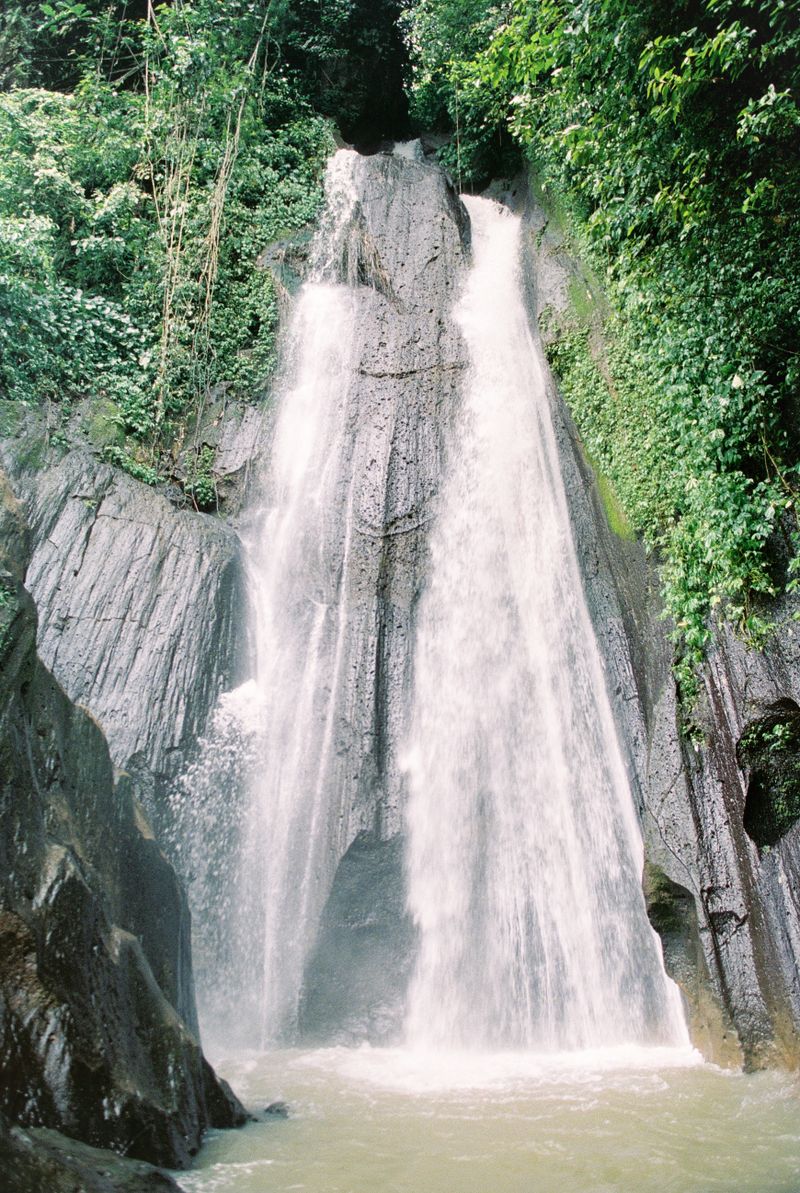
Cat Cat Waterfall: Cultural Context
Cat Cat Falls isn't the most dramatic waterfall, but it's embedded in the most culturally rich setting. Located in Cat Cat Village, a H'mong minority community that's become a popular cultural tourism destination, the waterfall is part of a broader village experience rather than a standalone attraction.
The Setting: Cat Cat Village sits in a valley below Sapa town, with traditional wooden houses terraced down the hillside. The waterfall is at the heart of the village, where an old French-era hydroelectric station still operates. The falls drop about 40 meters in a wide curtain, with viewing platforms built into the surrounding infrastructure.
Cultural Integration: What makes Cat Cat special is context - you're not just seeing a waterfall, you're experiencing it as part of village life. H'mong women weave textiles on their porches, water buffalo graze near terrace edges, and traditional crafts are demonstrated throughout the village. The waterfall is the acoustic backdrop to this slice of mountain life.
Practical Details:
- Location: 3km from Sapa town (easy 45-minute walk downhill)
- Entrance: 100,000 VND (includes entire village, falls, and cultural demonstrations)
- Access: Paved paths throughout, easy walking
- Time needed: 2-3 hours to properly explore village and falls
- Combine with: Village cultural experiences, craft demonstrations, H'mong food
- Note: Very touristy but still culturally valuable
Da Lat's Waterfall Circuit: Jungle Cascades and Adventure Activities
Da Lat and its surrounding Central Highlands region claim some of Vietnam's most spectacular waterfalls, each with distinct character. While technically not "northern" Vietnam, Da Lat's falls are must-visits for serious waterfall hunters and merit inclusion in any comprehensive guide. October is ideal here too - post-monsoon water flow with pleasant highland temperatures.
Elephant Waterfall (Thac Voi): The Jungle Giant
Elephant Waterfall is raw and powerful - a 30-meter cascade plunging through a narrow canyon surrounded by thick jungle. Unlike more developed falls, Elephant maintains a wild atmosphere. The approach takes you down steep stairs through dense vegetation, the roar of the falls growing louder as you descend. At the bottom, you're standing in a natural amphitheater of rock and forest, with the falls exploding in front of you and spray drenching everything.
The Power: In October, Elephant Waterfall is at peak fury. The water doesn't cascade so much as explode over the rocks, hitting with such force that conversation near the base is impossible. The spray is intense - everything gets soaked within 30 meters. This is not a gentle, picturesque waterfall - it's a demonstration of water's raw power.
Trek Considerations: The descent to the falls involves 150+ steps, some steep and slippery even with railings. Good shoes are essential. The trek back up is strenuous - take your time. Not recommended for very young children or those with mobility limitations. The stairs and viewing areas were significantly improved in recent years, but this remains a more adventurous waterfall visit.
Practical Details:
- Location: 30km southwest of Da Lat (about 45 minutes by motorbike/car)
- Entrance: 30,000 VND
- Parking: 10,000 VND for motorbikes, 20,000 VND for cars
- Trek: 15-20 minutes down, 25-30 minutes back up
- Facilities: Basic - coffee shop at entrance, simple toilets
- Best time: Morning for best light filtering through jungle canopy
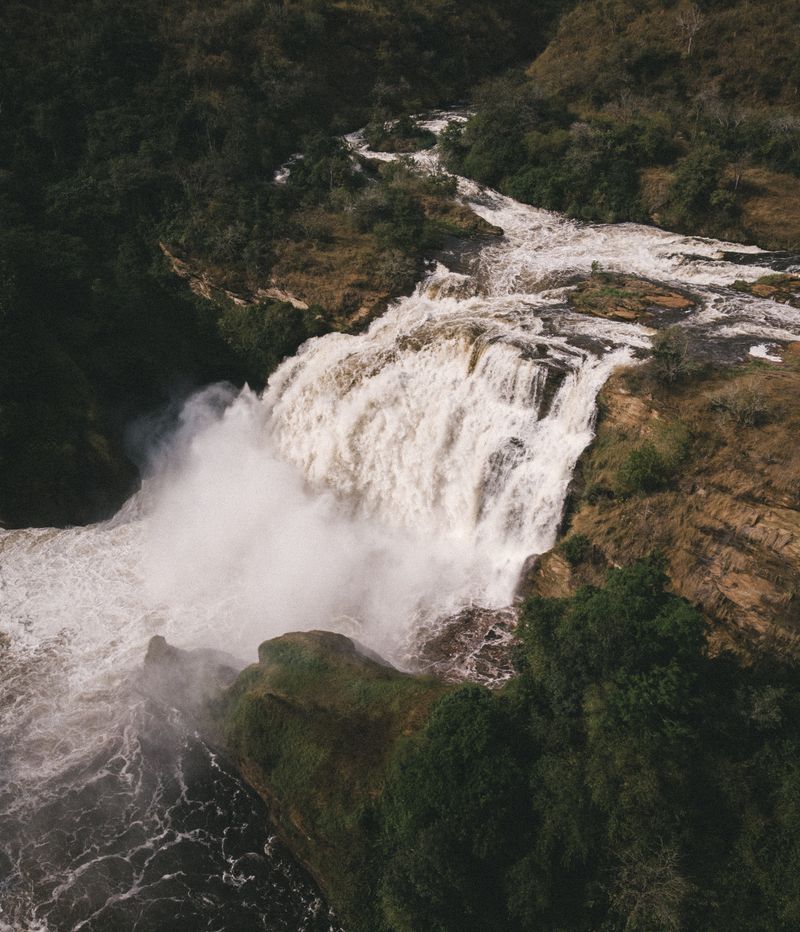
Pongour Waterfall: The Seven-Tier Beauty
If Elephant Waterfall is raw power, Pongour is elegant beauty. This massive seven-tiered cascade spreads 100 meters wide and drops 40 meters in a series of smaller falls and pools. The tiered structure creates a wedding-cake effect, with water flowing over each level in smooth sheets. It's been called the "Niagara Falls of Da Lat" - an exaggeration, perhaps, but Pongour is genuinely spectacular, especially in October when water volume is high.
The View: From the main viewpoint, you see the entire cascade spread before you like a giant staircase of water. Each tier has its own character - some drop straight down, others flow in gentle curves. The surrounding landscape is relatively open compared to jungle-enclosed falls, giving a sense of scale. Photographers love Pongour for its symmetry and the way sunlight plays across the multiple levels.
Exploration: Unlike many waterfalls limited to a single viewpoint, Pongour offers several perspectives. The main platform provides the classic overview, but trails lead to different angles and even down to some of the lower pools during dry season (less accessible in October's high water). The best photos come from the elevated main viewpoint in afternoon light (2-4pm).
Practical Details:
- Location: 50km south of Da Lat (about 1 hour by motorbike/car)
- Entrance: 20,000 VND
- Access: Short walk from parking area (5 minutes)
- Facilities: Good - large parking area, food stalls, clean toilets
- Best combined: With Elephant Waterfall (same direction from Da Lat)
- Time needed: 30-60 minutes
Datanla Waterfall: Adventure Activities Hub
Datanla is Da Lat's most developed and touristy waterfall, but that development includes unique features - most notably an alpine coaster (toboggan) that lets you ride down to the falls and a canyoning operation offering waterfall rappelling and adventure activities. If other waterfalls are about contemplating nature, Datanla is about playing in it.
The Alpine Coaster: Instead of hiking down to the falls, you can ride an alpine coaster - a wheeled cart on rails that coasts down the mountainside through forest. You control your speed with a hand brake. It's touristy and un-natural, but honestly quite fun, especially if traveling with kids or wanting something different. Cost is 50,000 VND one way, 70,000 VND round trip.
The Waterfall: Datanla drops about 20 meters in multiple cascades. It's pretty rather than spectacular, but the setting is lovely - tropical forest, rock pools, and well-developed viewing platforms and boardwalks. During low water, people scramble over the rocks and swim in pools. In October high water, it's more look-don't-touch.
Adventure Activities: This is where Datanla stands out. A professional canyoning operator offers guided waterfall rappelling and canyoning trips - you're harnessed up and descending directly down or beside the waterfalls. It's the most adventurous way to experience a Vietnamese waterfall. Trips range from 2 hours to full-day, starting around $45 USD.
Practical Details:
- Location: 5km from Da Lat center (10-15 minutes)
- Entrance: 60,000 VND (includes waterfall access)
- Alpine coaster: 70,000 VND extra for round trip
- Canyoning: From $45 USD, book in advance
- Facilities: Excellent - parking, restaurants, souvenir shops
- Best for: Families, adventure seekers, those wanting developed facilities
Hidden Waterfalls of the Ha Giang Loop
The Ha Giang Loop is famous for its mountain passes and rice terraces, but the route also passes dozens of waterfalls, most unnamed and unmarked on maps. These aren't developed tourist sites - they're purely natural cascades that reward observant travelers willing to stop and explore. October is perfect for waterfall spotting on the loop, as streams are full and the weather is ideal for riding.
Spotting Hidden Falls
Where to Look:
- Between Yen Minh and Dong Van: The road follows a river valley with multiple cascades visible from the highway
- Ma Pi Leng Pass: Several streams cascade down cliff faces, creating temporary waterfalls after rain
- Between Meo Vac and Bao Lac: Numerous jungle waterfalls accessed by short trails from the road
- Around Du Gia: Ask locals about swimming holes and waterfalls - several excellent ones within walking distance
Best Approaches: Watch for Vietnamese families or local teenagers parked near what looks like trail access - they're probably heading to a swimming hole. Don't be shy about asking "thac nuoc o dau?" (where is waterfall?) - locals are usually happy to point the way.
Pho Cao Waterfall: Ha Giang's Best-Known Cascade
Of Ha Giang's waterfalls, Pho Cao (near Bao Lac) is the most accessible and impressive. A multi-tiered cascade dropping through terraced rock formations, it's visible from the road but worth the scramble down for closer views. In October, the water volume creates spectacular spray effects.
Access: Located between Meo Vac and Bao Lac on the main loop road. Watch for motorcycles parked at a bend - that's the access point. A rough trail leads down to the base (10-15 minutes). Bring sturdy shoes.
Swimming Hole Etiquette
Many of Ha Giang's waterfalls have swimming holes that locals use regularly. If you encounter Vietnamese families swimming:
- It's generally fine to join, but be respectful and appropriate (no swimsuits for men are fine, but women should wear modest swimwear)
- Don't blast music or be excessively loud
- Take all trash with you - leave nothing behind
- If locals seem hesitant about you swimming, respect that - some spots may have cultural significance
- Swimming in October requires caution - currents are stronger post-monsoon
Swimming Safety and Best Swimming Waterfalls
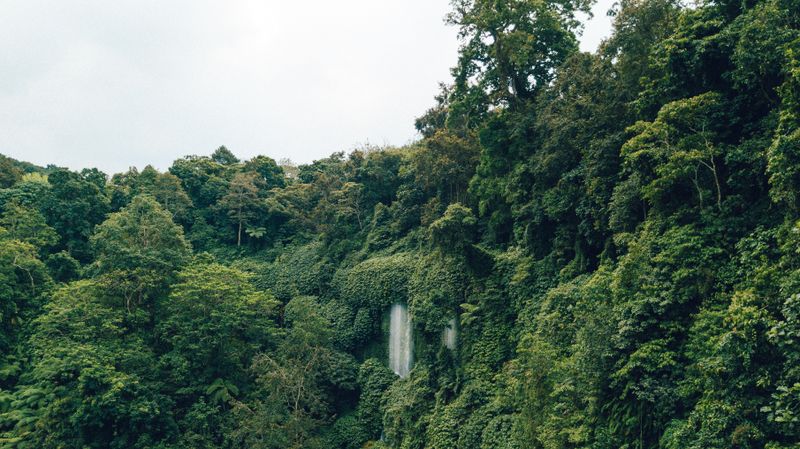
Swimming under a tropical waterfall is a bucket-list experience, but it requires awareness of real hazards. October's post-monsoon conditions create both opportunities (full, beautiful waterfalls) and risks (stronger currents, higher water volume). Here's how to swim safely.
Safe vs. Dangerous Conditions
Safe Swimming Conditions:
- Clear water where you can see the bottom
- Gentle current that doesn't pull you
- Rocky bottom without sharp edges or holes
- Locals are swimming - if Vietnamese families are swimming, conditions are likely safe
- Waterfall is small to medium (under 10 meters high)
- Pool is calm with slow movement
Dangerous Conditions - Do NOT Swim:
- Water is brown or muddy (can't see submerged hazards)
- Strong current pulling you downstream
- Recent heavy rain (flash flood risk)
- Deep pools with no visible bottom
- Large waterfall (10+ meters) - powerful downdraft can hold you underwater
- No one else is swimming and locals warn against it
- Posted warning signs
Swimming Waterfall Recommendations
Best for Families:
- Datanla Waterfall (Da Lat) - shallow pools, developed facilities, lifeguards present
- Cat Cat Waterfall (Sapa) - gentle pools, always people around
- Smaller unnamed falls on Ha Giang Loop - ask locals for recommendations
For Confident Swimmers:
- Love Waterfall (Sapa) - deeper pools but strong currents in October
- Pongour lower pools - accessible in normal water (may be too high in October)
- Elephant Waterfall - NO SWIMMING, too dangerous
Best Swimming Holes (Not Major Waterfalls):
- Fairy Stream (Da Lat area) - shallow walk-through stream with small cascades
- Various spots on Ha Giang Loop - locals can direct you to safe swimming holes
What to Bring for Swimming
Essential:
- Water shoes or sandals with grip (rock surfaces are slippery)
- Quick-dry towel
- Waterproof bag for phone/valuables
- Change of clothes and underwear
- Basic first aid for cuts and scrapes
Recommended:
- Waterproof phone case for photos
- Biodegradable soap if you plan to bathe (many locals use waterfalls for bathing)
- Sun protection (you burn faster near water)
- Insect repellent for jungle waterfalls
Important Safety Rules
- Never swim alone: Always have someone on shore watching
- Check with locals first: If local people say don't swim, don't swim
- Avoid alcohol: Impaired judgment and water don't mix
- Watch for flash floods: In October, afternoon storms can rapidly raise water levels - if rain starts, get out immediately
- Respect your limits: Not every waterfall needs to be swum
- Protect the environment: No soap or shampoo in swimming holes (unless biodegradable and far from drinking water sources)
Photography Tips: Capturing Dramatic Waterfall Shots
October's post-monsoon waterfalls offer spectacular photography opportunities, but capturing moving water effectively requires specific techniques beyond pointing and shooting. Here's how to get dramatic shots worthy of your Instagram feed.
Essential Camera Settings
Shutter Speed Choices:
- Fast (1/250 or faster): Freezes water droplets mid-air, capturing dramatic spray and power. Best for showing the force of high-volume falls in October.
- Medium (1/30 to 1/125): Captures some motion blur while retaining texture and power. Most versatile and natural-looking.
- Slow (1-5 seconds): Creates silky smooth water flow. Classic "postcard" look but can lose sense of power. Requires tripod.
Other Settings:
- Aperture: f/8 to f/16 for landscape shots keeping foreground and waterfall sharp
- ISO: Keep as low as possible (100-400) for best quality
- Focus: Use manual focus or focus-lock on rocks, not moving water
- White Balance: Daylight or cloudy setting. Auto white balance often goes too warm.
Composition Techniques
Include Context: Don't just zoom in on the falls. Include surrounding forest, rocks, or sky to give sense of scale and place.
Leading Lines: Use streams, paths, or rocks to lead the eye toward the waterfall.
Foreground Interest: Including rocks, leaves, or flowers in the foreground creates depth. Use f/16 to keep both foreground and falls sharp.
Human Element: A person in the frame provides scale and makes the shot more relatable. Position them on rocks or at the base looking at the falls.
Different Angles: Don't just shoot from the main viewpoint. Try:
- Low angle from rocks at the base looking up
- Elevated perspective showing the falls in landscape context
- Side angles showing the falls' profile
- Close-ups of individual cascades or spray effects
Best Lighting
Golden Hours (6-8am and 4-6pm): Warm light makes waterfalls glow. Morning often has mist that creates atmospheric effects.
Overcast Days: Diffused light perfect for waterfall photography - no harsh shadows or blown highlights. October often provides these conditions.
Avoid Midday Sun: Harsh light creates extreme contrast between shadowed water and bright spray. If shooting midday, expose for the water and let the background slightly overexpose.
Backlighting: Position yourself so the sun is behind the waterfall. Spray creates magical effects when backlit, and rainbows are more likely.
Equipment Recommendations
Minimal Setup: Modern smartphones can capture excellent waterfall shots using:
- Native camera app's "Live Photo" mode, then selecting different frames for motion blur effects
- Third-party apps like ProCam for manual control
- Smartphone tripod for stability during long exposures
- Microfiber cloth to clean spray off lens constantly
Dedicated Camera:
- Wide-angle lens (16-35mm): Essential for capturing full waterfall in confined spaces
- Mid-range zoom (24-70mm or 24-105mm): Most versatile single lens
- Polarizing filter: Reduces glare on wet rocks and spray, makes water more transparent
- Neutral density filter: Allows longer exposures even in bright conditions for silky water effect
- Sturdy tripod: Essential for slow shutter speeds
- Remote shutter release: Prevents camera shake during exposure
- Lens hood: Protects from spray
- Microfiber cloths: Bring several - you'll constantly be wiping spray off your lens
Protecting Your Gear
October waterfalls mean serious spray. Protect your equipment:
- Keep camera in waterproof bag until ready to shoot
- Use rain sleeve or shower cap over camera when near heavy spray
- Immediately wipe off any water drops on lens or filter
- Keep a dry cloth in a ziplock bag
- For heavy spray areas (like Ban Gioc bamboo raft), consider waterproof case or don't bring expensive gear
Getting There: Transportation and Route Planning
From Hanoi: Main Routes
To Ban Gioc Waterfall (Cao Bang):
- Distance: 400km (about 7-8 hours)
- Best approach: 2-3 day trip via Ba Be Lake
- Route: Hanoi → Thai Nguyen → Ba Be Lake (overnight) → Ban Gioc (day 2) → return or continue to Ha Giang
- Transport options:
- Motorbike: Most flexible, requires confident riding skills
- Private car: $150-200 for round trip with driver
- Bus to Cao Bang City, then local transport to falls ($15-20 one way by bus)
To Sapa Waterfalls:
- Distance: 350km to Sapa (about 6 hours)
- Best approach: Overnight stay in Sapa
- Route: Hanoi → Lao Cai (train or bus) → Sapa → waterfalls by motorbike or hire
- Transport options:
- Night train: $30-40 for sleeper berth (comfortable, popular)
- Night bus: $15-20 (cheaper but less comfortable)
- Private car: $180-220 for round trip
- Once in Sapa: Rent motorbike ($7-10/day) or hire driver ($25-35 for waterfall tour)
To Da Lat Waterfalls:
- Distance: 1,450km (overnight bus or flight)
- Best approach: Fly Hanoi to Da Lat ($30-80 depending on advance booking)
- Alternative: Overnight bus ($20-30, 24 hours - not recommended)
- Once in Da Lat: Rent motorbike ($7-10/day) or hire car with driver ($40-60/day)
Ha Giang Loop Waterfalls:
- Distance: 300km to Ha Giang City
- Best approach: 3-4 day loop from Ha Giang City
- Route: Hanoi → Ha Giang City (overnight bus $12-15) → complete loop → return to Hanoi
- Transport: Rent motorbike in Ha Giang City ($7-10/day) or join guided motorbike tour
Multi-Day Waterfall Hunting Itineraries
Northern Waterfall Circuit (5-6 Days):
- Day 1: Hanoi → Ba Be Lake (overnight)
- Day 2: Ba Be → Ban Gioc Waterfall → Cao Bang (overnight)
- Day 3: Cao Bang → Ha Giang (overnight)
- Day 4-5: Ha Giang Loop with hidden waterfalls
- Day 6: Return to Hanoi
Sapa Waterfall Focus (3 Days):
- Day 1: Night train/bus to Sapa, arrive morning
- Day 2: Silver Waterfall → Love Waterfall → Cat Cat Village falls
- Day 3: Return to Hanoi (or continue to Ha Giang)
Da Lat Waterfall Tour (2-3 Days):
- Day 1: Fly to Da Lat, visit Datanla Falls (close to city)
- Day 2: Elephant Waterfall → Pongour Waterfall circuit
- Day 3: Explore Da Lat city or return to Saigon/Hanoi
Tours vs. Self-Guided
Choose Tours If:
- You don't ride motorbikes or aren't confident on mountain roads
- You have limited time and want efficiency
- You prefer having logistics handled (accommodation, meals, routes)
- You want local guide knowledge about hidden spots
Go Self-Guided If:
- You're a confident motorbike rider
- You want flexibility to stop at unexpected waterfalls
- You enjoy route planning and navigation
- You're comfortable with basic Vietnamese or using translation apps
- You want to save money (self-guided costs about 50-60% of tour prices)
Recommended Tour Operators (for those who prefer guided):
- Ha Giang Loop tours: QT Motorbike Tours, Jasmine Tours, Vietnam Backroads
- Sapa waterfall tours: Most Sapa hotels arrange day tours, typically $25-35/person
- Multi-day northern routes: Footprint Travel, Vietnam Backroads, Ootel Travel
Essential Gear Checklist
Must-Have Items
Footwear:
- Sturdy hiking shoes or boots with good grip (trails are muddy and slippery)
- Water sandals or watershoes for swimming
- Extra socks in waterproof bag
Weather Protection:
- Lightweight rain jacket or poncho (sudden October showers are common)
- Quick-dry clothing (you will get wet from spray)
- Sun protection (hat, sunscreen SPF50+, sunglasses)
Safety & Navigation:
- First aid kit (bandages, antiseptic, pain relievers, anti-diarrhea medication)
- Insect repellent (mosquitoes around jungle waterfalls)
- Water purification tablets or reusable water bottle with filter
- Offline maps app (Maps.me loaded with Vietnam maps)
- Power bank (battery life drains quickly with constant photo/navigation use)
- Headlamp (for early morning starts or late returns)
Photography:
- Camera/smartphone with waterproof case or protection
- Extra memory cards and batteries
- Microfiber cleaning cloths (at least 3)
- Tripod if you have room
- Waterproof bag for electronics
Personal:
- Quick-dry towel
- Change of clothes in waterproof bag
- Cash (ATMs rare near remote waterfalls - bring sufficient dong)
- Snacks and water (facilities limited at many waterfalls)
- Vietnamese phrasebook or translation app
- Toilet paper and hand sanitizer
Optional but Useful
- Portable bluetooth speaker (for solo travelers, having music can be nice)
- Hammock (many waterfall sites have trees perfect for hanging)
- Dry bag (keeps everything completely dry)
- Trekking poles (helpful on steep or muddy trails)
- GoPro or action camera (waterproof, great for swimming shots)
- Water shoes with drainage (better than sandals for scrambling on rocks)
Best Months to Visit Each Region
While October is excellent for most waterfalls, optimal timing varies slightly by region based on monsoon patterns and elevation.
Northern Region (Ha Giang, Cao Bang, Lang Son)
Peak Season: September-October
- Post-monsoon = maximum water flow
- Clear weather improving
- Rice terraces also at peak (bonus scenery)
Good Season: May-June (early monsoon)
- Good water flow, fewer tourists
- More rain but also more dramatic conditions
Avoid: December-February (dry season)
- Many waterfalls reduced to trickles
- Cold weather (Ha Giang can be very cold)
Sapa Area
Peak Season: September-October
- Best water flow and weather combination
- Cool temperatures perfect for trekking (20-25°C)
Good Season: May-June
- Early monsoon, good water volume
- Green landscapes
- More rain to contend with
Shoulder: March-April
- Lower water but clear weather
- Fewer tourists, lower prices
Avoid: November-February
- Reduced water flow
- Cold and potentially foggy (can be below 10°C)
Da Lat Area
Peak Season: October-December
- Post-monsoon water flow
- Pleasant highland weather (18-25°C)
- Less rain than central coast
Year-Round Viable: Da Lat's elevation and climate means waterfalls maintain decent flow even in "dry" season (January-April)
Avoid: July-September if possible
- Peak monsoon = lots of rain
- Can disrupt travel plans
- That said, waterfalls are most powerful
Central Highlands (If extending to Pleiku, Buon Ma Thuot)
Peak Season: November-January
- Post-monsoon = good water
- Pleasant temperatures
- Harvest season in coffee regions (cultural bonus)
Avoid: February-April
- Dry season = reduced flow
- Hot temperatures (30°C+)
Nearby Attractions to Combine
Don't make waterfalls your only destination - each region offers complementary attractions worth combining into a richer trip.
Around Ban Gioc (Cao Bang Area)
Nguom Ngao Cave (30 minutes from Ban Gioc): Spectacular limestone cave system with stunning formations. 30,000 VND entry. Allow 1-1.5 hours.
Ba Be National Park and Lake: Vietnam's largest natural lake with boat trips, ethnic minority homestays, and trekking. Perfect overnight stop en route to Ban Gioc from Hanoi.
Pac Bo Cave: Historic site where Ho Chi Minh lived in 1941 after returning from 30 years abroad. Cultural/historical significance for Vietnamese visitors.
Thang Hen Lake System: Series of connected mountain lakes. Beautiful but requires extra time and rough roads.
Around Sapa
Rice Terrace Villages (Lao Chai, Ta Van, Cat Cat): Combine waterfall visits with trekking through terraced valleys and ethnic minority villages.
Fansipan Peak: Cable car to Indochina's highest peak (3,143m). Can be combined with Silver Waterfall visit (same direction).
Muong Hoa Valley Trek: Multi-day trekking through spectacular rice terraces, passing near Love Waterfall.
Sapa Market (Sunday): If timing works, experience authentic ethnic minority market.
Around Da Lat
Crazy House (Hang Nga Guesthouse): Bizarre architectural creation, very Instagram-worthy. 30 minutes from Datanla.
Da Lat Flower Gardens: Highland flowers and vegetable farms.
Langbiang Mountain: Trekking and stunning views over Da Lat area.
Coffee Plantations: Da Lat is surrounded by coffee farms offering tours and tastings.
Truc Lam Monastery: Cable car ride over pine forests to peaceful Buddhist monastery.
Night Market and Street Food: Da Lat's night market is excellent for local food.
Along Ha Giang Loop
Dong Van Karst Plateau Geopark: UNESCO-recognized geological site.
Lung Cu Flag Tower: Northernmost point of Vietnam.
Ma Pi Leng Pass: One of Vietnam's most dramatic mountain passes.
Hmong Villages: Numerous opportunities for cultural experiences and homestays.
Sunday Market (Dong Van or Meo Vac): Weekly ethnic minority markets.
Cultural Notes and Local Etiquette
Dress Appropriately
Many waterfalls are in areas populated by ethnic minorities with more conservative values than urban Vietnam:
- Cover shoulders and knees when in villages (not just at waterfalls)
- For swimming: men can go shirtless, women should wear modest one-piece or tankini (bikinis may attract unwanted attention)
- Remove shoes when entering any home or sacred site
- Avoid revealing clothing, especially in H'mong and Dao villages
Photography Etiquette
Always Ask Permission before photographing:
- Individual people (especially ethnic minorities)
- Inside homes or buildings
- Religious sites or ceremonies
- People working in fields near waterfalls
Offer Payment: If photographing ethnic minority people in traditional dress, especially if they're posed or at tourist sites, they typically expect 20,000-50,000 VND (about $1-2). This is fair compensation for their time.
Avoid Exploitative Photos: Don't photograph people in ways that emphasize poverty or make them look "exotic" without dignity. Remember these are people in their homes, not props.
Environmental Responsibility
Pack Out Everything: Vietnamese environmental consciousness is growing but litter remains an issue. Set a good example:
- Take all trash with you, including organic waste like fruit peels
- Use refillable water bottles, not single-use plastic
- If you see trash at waterfalls (you will), consider packing some out
- Don't leave toilet paper in nature - pack it out or bury it properly
Stay on Trails: Erosion is a real problem. Don't create new trails or shortcuts.
Don't Pick Plants: Tropical flowers are tempting but leave them for others to enjoy.
Respect Wildlife: Don't feed animals or disturb habitats.
Support Local Communities
Buy Local: Purchase snacks, drinks, and handicrafts from local vendors near waterfalls when possible, not just from big stores in cities.
Fair Prices: Don't aggressively bargain at poor rural areas. If something costs 30,000 VND (about $1.50), don't fight to get it down to 25,000 VND. Your savings are minimal, their earnings are livelihood.
Learn Basic Vietnamese: Even a few phrases go a long way:
- "Xin chao" (sin chow) = Hello
- "Cam on" (gahm uhn) = Thank you
- "Thac nuoc o dau?" = Where is waterfall?
- "Bao nhieu tien?" = How much?
- "Rat dep!" = Very beautiful!
Homestays Over Hotels: When possible, stay in local homestays rather than outside-owned hotels. Money goes directly to families.
Making It a Safe and Memorable Experience
Health Considerations
Hydration: You'll lose more water than you realize through walking, heat, and spray. Drink constantly, even if you don't feel thirsty. Aim for 2-3 liters per day of activity.
Sun Protection: You burn faster near water due to reflection. Reapply waterproof sunscreen every 2 hours, even on overcast days.
Insect Protection: Mosquitoes around waterfalls can carry dengue, especially post-monsoon when breeding conditions are optimal. Use DEET-based repellent (30% or higher). Consider treating clothes with permethrin.
Malaria: Low risk in most northern waterfall areas, but present in remote areas of Ha Giang, Cao Bang. Consult travel medicine doctor about prophylaxis if doing extended trekking in remote regions.
Water-Borne Illness: Don't drink waterfall water without purification, no matter how clean it looks. The rivers in Northern Vietnam often pass through agricultural areas with buffalo and livestock.
Cuts and Scrapes: Even minor cuts in tropical conditions can become infected quickly. Clean thoroughly with antiseptic, keep covered, monitor for signs of infection.
Emergency Preparedness
Phone Coverage: Most major waterfalls have some cell coverage, but remote spots on Ha Giang Loop may not. Download offline maps and inform someone of your plans.
Emergency Numbers:
- Police: 113
- Ambulance: 115
- Fire: 114
- Tourist Hotline: 1800 5888 (English-speaking assistance)
Travel Insurance: Ensure your policy covers:
- Motorbike riding (if riding, many policies exclude this)
- Adventure activities if doing canyoning or rappelling
- Emergency medical evacuation (important in remote areas)
First Aid Knowledge: Basic first aid skills are valuable when traveling remote areas:
- How to treat cuts and wounds
- Recognizing heat exhaustion vs heat stroke
- Basic fracture/sprain stabilization
- CPR (especially if swimming)
Solo Travel Considerations
Waterfall hunting solo is feasible and many travelers do it, but take extra precautions:
Tell Someone Your Plans: Share your itinerary with your hostel/hotel, or with friends via text/email.
Don't Take Unnecessary Risks: If something feels dangerous (scrambling alone to a hidden waterfall, swimming in strong current), don't do it solo. Either find other travelers to go with or skip it.
Join Tours for Remote Areas: Ha Giang Loop and Ban Gioc trips are more safely done with tours if traveling solo and unfamiliar with motorbike touring.
Trust Your Instincts: If a situation or person makes you uncomfortable, remove yourself. Vietnam is generally very safe, but trust your gut.
Connect with Other Travelers: Hostels in Hanoi, Sapa, Ha Giang, and Da Lat are full of travelers planning similar routes. Team up for shared transport costs and safety in numbers.
Preserve Your Memories
As you explore Northern Vietnam's spectacular waterfalls, you'll capture hundreds of stunning photographs documenting your adventure through these powerful natural wonders. Beyond the typical travel souvenirs, consider transforming your favorite waterfall shots into custom photo magnets - a modern, personal way to preserve these special moments. This service is readily available throughout Vietnam at affordable prices with quick turnaround, making it easy to create unique mementos of your waterfall hunting journey. Many travelers use these photo magnets as distinctive gifts for friends and family, or to create a visual story of their Vietnam adventure on their home refrigerator.

Final Thoughts: Respecting the Power of Water
Waterfalls are among nature's most spectacular displays, but they're also demonstrations of water's tremendous power. In October, post-monsoon conditions mean you're seeing these cascades at or near peak force. That's what makes them visually dramatic, but it also demands respect and caution.
Every year, tourists are injured or killed at waterfalls worldwide - slipping on wet rocks, being caught by flash floods, underestimating current strength, or simply being in the wrong place when conditions change rapidly. Vietnamese waterfalls are relatively safe with normal precautions, but they're not amusement parks. The rocks are genuinely slippery, the currents are genuinely strong, and the water volume can genuinely change in minutes if rain falls upstream.
This isn't meant to scare you away - quite the opposite. Waterfall hunting in Northern Vietnam offers some of the most memorable experiences you'll have in Southeast Asia. The thundering power of Ban Gioc, the intimate beauty of Love Waterfall, the jungle drama of Elephant Falls - these are places that remind you why you travel, why you seek out nature, and why some experiences can't be replicated in cities or comfort zones.
Just go prepared, stay aware of conditions, respect local advice, and recognize that you're a guest in these powerful natural spaces. The waterfalls will reward your respect with spectacular beauty, memorable experiences, and the kind of travel stories you'll be telling for years.
Now get out there and start hunting waterfalls. October won't last forever, and neither will Vietnam's hidden cascades stay hidden. Go now, go safely, and go with wonder.