

Preserve Your Vietnam Memories
Turn your travel photos into beautiful custom magnets
A unique service available throughout Vietnam - simply send your favorite travel shots and receive beautiful, high-quality magnets at budget-friendly prices. Perfect for sharing with friends or decorating your space with travel memories.
Contact us on:
Sapa Rice Terraces & Trekking - Complete Guide to Vietnam's Mountains
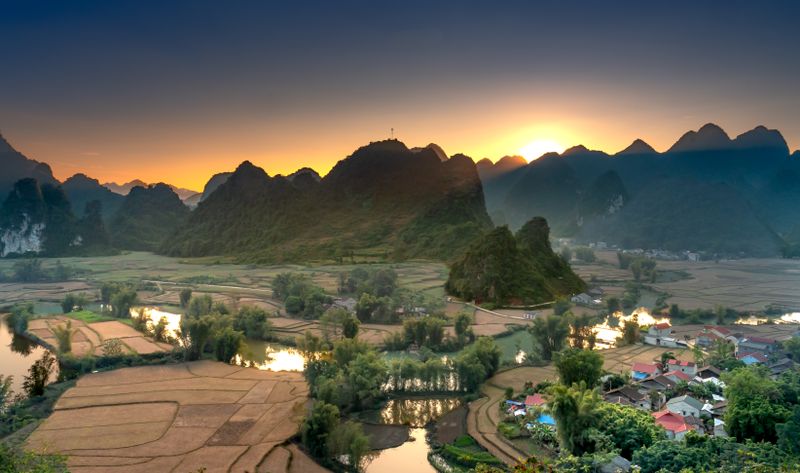
Sapa is Vietnam's mountain paradise - a misty highland town perched at 1,600 meters above sea level in the Hoang Lien Son mountain range. Famous for its cascading rice terraces that paint the valleys in brilliant greens and golds, Sapa offers some of Southeast Asia's most spectacular trekking experiences through ethnic minority villages, bamboo forests, and mountain passes.
Located just 350km northwest of Hanoi near the Chinese border, Sapa has evolved from a French colonial hill station into Vietnam's premier mountain destination. But despite its popularity, the surrounding valleys remain largely untouched, with H'mong, Dao, Tay, and Giay communities maintaining centuries-old traditions amid some of the most photogenic landscapes on Earth.
Whether you're dreaming of trekking through terraced rice paddies, summiting Indochina's highest peak, or simply escaping the heat and chaos of Vietnam's cities, this comprehensive guide covers everything you need to know to plan an unforgettable Sapa adventure.
Why Visit Sapa?
- Iconic Rice Terraces: Cascading emerald paddies that transform with the seasons, creating some of Asia's most photographed landscapes
- Authentic Trekking: Multi-day village-to-village treks through valleys where time seems to stand still
- Ethnic Minority Culture: Meet H'mong, Dao, Tay, and Giay people living traditional mountain lifestyles
- Fansipan Peak: Cable car or trek to the "Roof of Indochina" at 3,143 meters
- Year-Round Appeal: Each season offers unique beauty, from spring's green terraces to autumn's golden harvest
- Homestay Experiences: Sleep in traditional stilt houses and share meals with local families
- Cool Mountain Climate: A refreshing escape from Vietnam's tropical heat
- Accessible Adventure: Easier to reach than Ha Giang, with more infrastructure for all comfort levels
Understanding Sapa's Geography
The Town vs The Valleys
Sapa Town:
- Busy tourist hub with hotels, restaurants, and tour agencies
- Perched on the mountainside at 1,600m
- Base for organizing treks and excursions
- Cool climate year-round (10-25°C depending on season)
The Valleys:
- Where the real magic happens
- Home to ethnic minority villages
- Rice terraces cascade down mountainsides
- Less developed, more authentic experiences
- Popular valleys: Cat Cat, Muong Hoa, Ta Van, Lao Chai
Fansipan:
- Vietnam's highest peak at 3,143m
- 15km southwest of Sapa town
- Accessible by cable car or multi-day trek
- Often shrouded in clouds and mist
Best Trekking Routes in Sapa
Easy Half-Day Trek: Cat Cat Village (3-4 hours)
Route: Sapa Town → Cat Cat Village → Return
- Distance: 4km each way
- Difficulty: Easy (paved path, some steps)
- Highlights: Waterfall, H'mong village, traditional crafts
- Best for: Families, first-timers, those with limited time
What to Expect: Cat Cat is the closest village to Sapa town, making it perfect for a gentle introduction to the region. The paved path winds downhill through terraced fields, passing H'mong women weaving indigo-dyed cloth and selling handicrafts. The village itself features traditional wooden houses, a photogenic waterfall, and an old French hydroelectric station.
Practical Info:
- Entry fee: 70,000 VND ($3)
- Can be done independently without a guide
- Gets crowded with day-trippers
- Return uphill can be challenging (consider xe om/motorbike taxi)
Moderate Full-Day Trek: Lao Chai & Ta Van Loop (6-7 hours)
Route: Sapa Town → Muong Hoa Valley → Lao Chai (H'mong) → Ta Van (Giay) → Return
- Distance: 12-14km
- Difficulty: Moderate (uneven trails, river crossings, some steep sections)
- Highlights: Spectacular rice terraces, two ethnic villages, river valley views
- Best for: Most travelers with reasonable fitness
What to Expect: This is Sapa's most popular full-day trek, and for good reason. You'll descend into the stunning Muong Hoa Valley, where some of Sapa's most impressive rice terraces blanket the hillsides. The trail passes through Lao Chai village (Black H'mong) before continuing to Ta Van (Giay people), offering opportunities to observe daily village life, rice farming techniques, and traditional architecture.
Practical Info:
- Guide recommended (150,000-300,000 VND per person)
- Lunch at homestay in Ta Van (included with tours)
- Can extend to overnight homestay
- Best months: May-June (green rice), September-October (golden harvest)
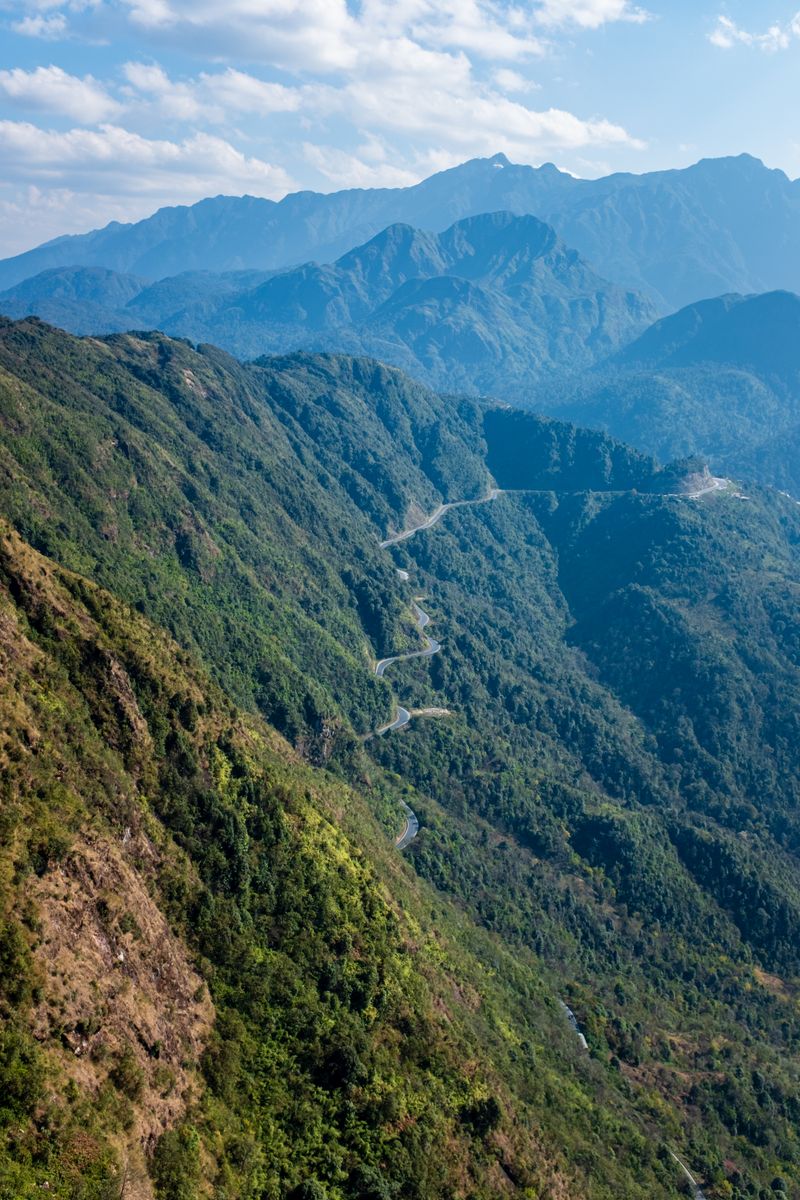
Challenging Multi-Day Trek: Y Linh Ho & Lao Chai Loop (2 Days)
Day 1: Sapa Town → Y Linh Ho → Lao Chai → Overnight homestay in Ta Van Day 2: Ta Van → Giang Ta Chai → Ban Ho → Return to Sapa
- Total Distance: 20-24km
- Difficulty: Challenging (steep ascents/descents, muddy trails, multiple villages)
- Highlights: Remote valleys, less-touristy villages, authentic homestay experience
- Best for: Experienced hikers wanting deeper immersion
What to Expect: This two-day adventure takes you deeper into Sapa's backcountry. You'll trek through multiple valleys and villages, each with its own character and ethnic group. The trails are more challenging, often muddy and steep, but the rewards are incredible - remote valleys, authentic cultural encounters, and spectacular mountain scenery. Overnight in a traditional stilt house with a local family, sharing meals and learning about their way of life.
Practical Info:
- Requires local guide (800,000-1,500,000 VND per person for 2 days)
- Includes guide, homestay, meals
- Bring good hiking boots (trails can be very muddy)
- Pack light (you'll carry everything)
- Basic homestay facilities (mat on floor, shared bathroom)
Advanced Trek: Sapa to Cat Cat via Hang Da (3-4 Days)
Route: Sapa → Ta Phin → Ban Ho → Nam Cang → Thanh Phu → Cat Cat → Sapa
- Distance: 40-50km total
- Difficulty: Very challenging (remote trails, significant elevation changes)
- Highlights: Off-the-beaten-path valleys, multiple ethnic groups, pristine landscapes
- Best for: Serious trekkers seeking adventure and solitude
What to Expect: For experienced trekkers looking to escape the crowds, this multi-day route explores Sapa's most remote valleys. You'll trek through areas rarely visited by tourists, stay in local homes with no other foreigners around, and experience mountain life at its most authentic. The trails are tough, facilities are basic, and English is rarely spoken - but that's exactly the point.
Practical Info:
- Requires experienced local guide (2,000,000-3,500,000 VND per person)
- Includes guide, homestays, all meals
- Best time: September-November (dry season)
- Not recommended during rainy season (trails become dangerous)
- Need good physical fitness and previous trekking experience
Rice Terrace Seasons: When to Visit
Sapa's rice terraces are beautiful year-round, but the landscape dramatically transforms with the agricultural calendar:
Water Season (February-May)
What You'll See:
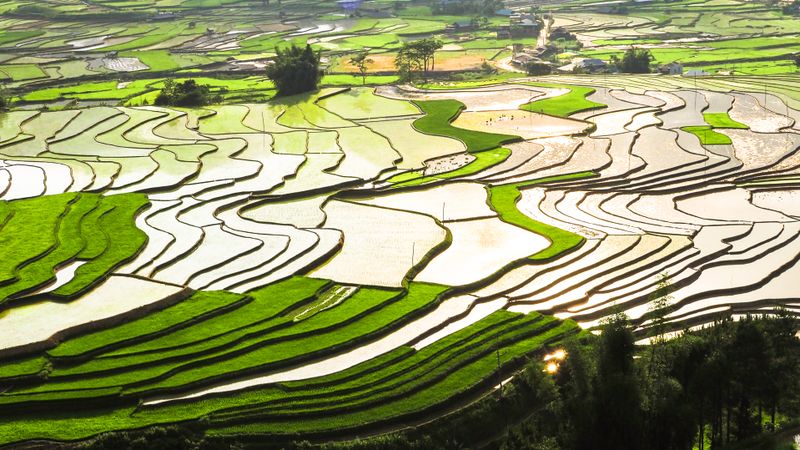
- Terraces filled with water, creating mirror-like reflections
- Farmers preparing fields and planting seedlings
- Emerald green young rice shoots
- Waterfalls at their most powerful from winter rains
Photography:
- Stunning reflections in flooded terraces (best in morning)
- Dramatic clouds and mist
- Green hues dominate
Vibe: Quieter tourist season, fewer crowds, lower prices
Growing Season (June-August)
What You'll See:
- Lush, vibrant green terraces at their peak
- Rice growing tall and healthy
- Most humid period with frequent afternoon rains
- Mountain landscapes at their greenest
Photography:
- Brilliant green colors saturate the valleys
- Dramatic storm clouds and atmospheric conditions
- Rainbows after afternoon showers
Vibe: Peak summer travel season, moderate crowds, occasional heavy rain
Harvest Season (September-October)
What You'll See:
- Golden rice ready for harvest
- Farmers cutting rice by hand with sickles
- Rice drying on roadsides and rooftops
- Clear, crisp mountain air with best visibility
Photography:
- Iconic golden terraces (September is peak)
- Sunset light creates magical golden hour
- Autumn colors in the mountains
Vibe: Most popular season, highest prices, book ahead
Post-Harvest/Winter (November-January)
What You'll See:
- Brown stubble fields after harvest
- Terraces being prepared for next season
- Occasional snow on Fansipan
- Clear, cold days with blue skies
Photography:
- Fewer "postcard shots" but interesting textures
- Dramatic winter light and visibility
- Snow-capped mountains (if lucky)
Vibe: Coldest season, fewer tourists, very low prices
Best Overall Times:
- May-June: Green rice, comfortable weather, fewer crowds
- September-October: Golden harvest, best visibility, peak beauty (but more crowded)
Fansipan: The Roof of Indochina
At 3,143 meters, Fansipan is the highest peak in Indochina (Vietnam, Laos, Cambodia). There are two ways to reach the summit:
Cable Car Option (Easy)
The Experience: In 2016, a massive cable car system was built, transforming Fansipan from a multi-day mountaineering challenge into a day trip accessible to anyone.
Details:
- Cable Car Fee: 800,000 VND ($32) round trip
- Journey Time: 15 minutes each way
- Total Distance: 6.3km cable car + 600 steps to summit
- Duration: 3-4 hours total including summit time
What's Included:
- World's longest three-rope cable car
- Spectacular views during ascent
- Buddhist temple complex at upper station
- 600 steps to actual summit
- Panoramic viewing platforms
Pros:
- Accessible to all fitness levels
- Quick and convenient
- Guaranteed summit (weather permitting)
- Return same day
Cons:
- Expensive by Vietnam standards
- Feels commercialized with temples and tourist facilities
- Not a "climbing" experience
- Can be very crowded, especially weekends
Tips:
- Go early (first cable car at 8:30am) to beat crowds and catch clearer weather
- Bring warm layers (can be 10-15°C cooler at summit)
- Morning offers best visibility (clouds roll in by afternoon)
- Combined tickets available with Muong Hoa Valley
Trekking to Summit (Challenging)
The Experience: The traditional trekking route remains open for those wanting a real mountain challenge. This is serious hiking requiring good fitness and proper preparation.
Classic 2-Day Trek:
- Day 1: Tram Ton Pass (1,900m) → Camp 1 or Camp 2 (2,800m) - 6-7 hours
- Day 2: Camp → Summit (3,143m) → Descend to Tram Ton - 7-8 hours
Details:
- Distance: 9km each way (18km total)
- Elevation Gain: 1,200+ meters
- Difficulty: Very challenging
- Cost: 2,500,000-4,000,000 VND ($100-160) for guided trek including camping, meals, porters
What to Expect:
- Steep, sometimes slippery trails through bamboo forest and alpine vegetation
- Basic camping facilities (tents, sleeping bags provided)
- Stunning sunrise from summit
- Sense of accomplishment
- Possible poor weather (fog, rain, cold)
Requirements:
- Good physical fitness
- Previous trekking experience helpful
- Proper hiking boots
- Must book with registered guide
- Best season: February-April, September-November
Pros:
- Authentic mountaineering experience
- Spectacular wilderness and sunrise
- Much less crowded
- Real sense of achievement
Cons:
- Physically demanding
- Weather-dependent
- Requires more time and planning
- More expensive than cable car
Ethnic Minority Villages & Homestays
One of Sapa's greatest assets is the opportunity to visit ethnic minority villages and stay with local families. Five main groups inhabit the region:
H'mong People (Black H'mong)
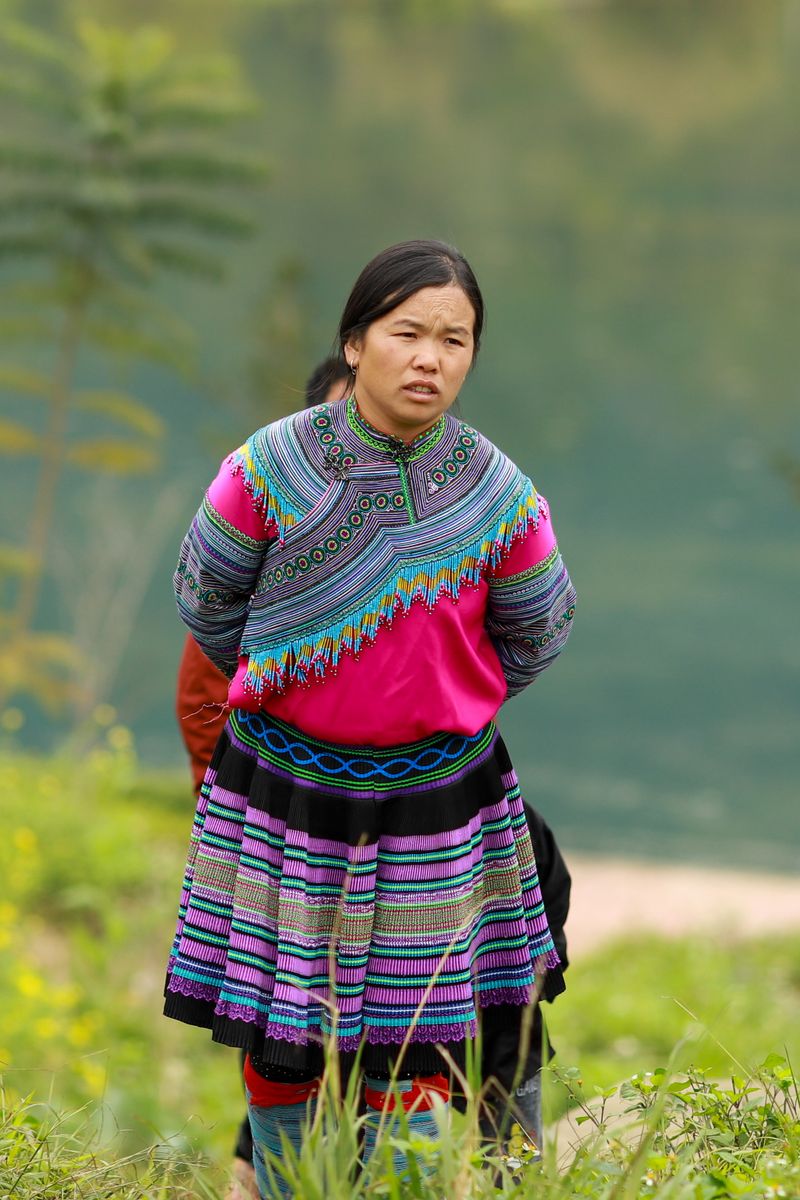
Where: Cat Cat, Lao Chai, Ta Phin, Y Linh Ho Population: Largest ethnic group in Sapa area Recognition: Indigo-dyed clothing, colorful embroidered patterns, intricate silver jewelry Language: H'mong language (many speak basic English or Vietnamese) Livelihood: Rice farming, raising livestock, handicraft sales to tourists
Cultural Highlights:
- Skilled weavers creating hemp cloth dyed with indigo
- Complex embroidery patterns (each family has unique designs)
- Traditional courtship rituals involving flute music
- Saturday night "love market" in Sapa town (though now quite touristy)
Visiting Tips:
- Many H'mong women sell handicrafts along trekking routes
- Bargain respectfully if buying
- Don't feel obligated to buy from every person who accompanies you
- Ask permission before photography
Red Dao People
Where: Ta Phin, Nam Cang, Trung Chai Recognition: Elaborate red headdresses, coin-decorated clothing Specialty: Traditional herbal medicine and therapeutic baths Language: Dao language (limited English)
Cultural Highlights:
- Women's iconic red turbans adorned with coins and beads
- Healing herbal baths (available at Ta Phin village)
- Intricate embroidery and weaving
- Animist beliefs mixed with Taoism
Visiting Tips:
- Ta Phin is best for Red Dao culture
- Try a traditional herbal bath (100,000-150,000 VND)
- Their handicrafts are distinct from H'mong styles
Giay People
Where: Ta Van, Ban Ho Recognition: Colorful clothing with less elaborate designs than H'mong or Dao Housing: Traditional stilt houses Language: Giay language
Cultural Highlights:
- Excellent homestay hosts (known for hospitality)
- Delicious home-cooked meals
- Traditional music and dancing
- Less commercialized than some other groups
Visiting Tips:
- Ta Van offers the best Giay homestay experiences
- Join evening meals with family
- Respectful questions about daily life usually welcomed
Tay People
Where: Ban Ho, Thanh Phu Recognition: Simple, practical clothing (less distinctive than other groups) Specialty: Rice cultivation in valley bottoms Language: Tay language (closely related to Vietnamese)
Cultural Highlights:
- Skilled farmers with advanced irrigation systems
- Beautiful stilt house architecture
- Traditional festivals and ceremonies
- Less involved in tourism than H'mong
Xa Pho People
Where: Remote areas around Sapa Recognition: Very small population (rarest of Sapa's ethnic groups) Language: Xa Pho language
Cultural Highlights:
- Maintaining traditional lifestyle with minimal tourist contact
- Not typically encountered on standard treks
Homestay Experience: What to Expect
Staying overnight in an ethnic minority homestay is a highlight of any Sapa visit, offering authentic cultural immersion and supporting local communities directly.
Accommodation
Typical Setup:
- Sleep on thin mattresses/mats on wooden floor in communal room
- Shared sleeping area (sometimes 8-15 people)
- Mosquito nets provided
- Pillows and blankets available
- Very basic (this is not glamping!)
Facilities:
- Squat or basic western toilet
- Cold or lukewarm water showers (if any)
- Electricity (usually)
- No WiFi in most cases
- No heating (bring warm layers)
Privacy: Limited - you'll share space with other trekkers and possibly family members
Meals
Dinner: Typically served family-style at a low table where everyone sits on small stools or the floor. Expect:
- Steamed rice (the staple)
- Stir-fried vegetables
- Grilled or stewed meat (pork, chicken, sometimes buffalo)
- Tofu dishes
- Fresh spring rolls
- Local rice wine (home-brewed, strong!)
Breakfast:
- Rice soup (congee) or fried rice
- Eggs
- Vegetables
- Tea
Food Quality: Simple but filling. Most travelers are pleasantly surprised by how tasty homestay meals are.
Dietary Requirements: Communicate in advance. Vegetarian usually possible, vegan more difficult, other restrictions challenging.
Evening Activities
After dinner, the experience varies:
- Family might share stories about village life
- Traditional music or dancing (if you're lucky)
- Other travelers sharing experiences
- Local rice wine drinking (optional but part of hospitality)
- Early bedtime (villages have limited electricity, rise early)
Etiquette and Tips
Do:
- Remove shoes before entering homes
- Participate in meals and conversations
- Offer small gifts (fruit, tea, candy for children)
- Respect family spaces and privacy
- Learn a few basic phrases in Vietnamese or ethnic language
- Tip the family (100,000-200,000 VND per person is standard)
Don't:
- Enter bedrooms or private areas without invitation
- Touch religious altars or spiritual objects
- Be excessively loud
- Expect hotel-level cleanliness or facilities
- Complain about basic conditions
- Photograph without asking
Cost
- Homestays typically cost 200,000-350,000 VND ($8-14) per person
- Usually includes dinner and breakfast
- Often booked as part of trekking tour package
- Independent booking possible but guide usually needed to arrange
Which Villages Offer Homestays?
Most Popular:
- Ta Van: Most developed for tourism, comfortable, Giay people
- Lao Chai: H'mong village, good facilities, easy access
- Ban Ho: More remote, authentic, fewer tourists
More Authentic/Remote:
- Ta Phin: Red Dao village, herbal baths, less touristy
- Nam Cang: Very remote, basic facilities, genuine experience
- Thanh Phu: Off beaten path, rarely visited
Getting to Sapa
From Hanoi (Most Common)
Night Train (Recommended)
- Route: Hanoi → Lao Cai (train), Lao Cai → Sapa (bus/van)
- Duration: 8 hours train + 1 hour transfer
- Cost: 400,000-800,000 VND ($16-32) depending on class
- Schedule: Departs Hanoi 9-10pm, arrives Lao Cai 5-6am
Classes:
- Hard seat: Cheapest, uncomfortable (not recommended)
- Soft seat: Reclining seats, tolerable
- Hard berth: 6-person cabin with bunks (budget option)
- Soft berth: 4-person cabin with bunks (most popular)
- VIP cabin: 2-person cabin (most expensive)
Train Companies:
- Government trains: Cheaper, more basic
- Private carriages: Livitrans, Victoria, King Express (cleaner, more comfortable)
Pros: Sleep during travel, arrives morning with full day ahead, atmospheric Cons: Can be uncomfortable, not guaranteed sleep, early arrival
Tip: Book through reputable agencies or your hotel. Upper bunks are cooler and less disturbed.
Overnight Bus
- Duration: 6-7 hours direct to Sapa
- Cost: 250,000-400,000 VND ($10-16)
- Schedule: Multiple departures 9pm-11pm
- Type: Sleeper buses with reclining beds
Companies: Sapa Express, Hung Thanh, Groovy Gecko (tourist-oriented)
Pros: Direct to Sapa, slightly faster, cheaper, comfortable enough Cons: Winding mountain roads (motion sickness possible), less atmospheric than train
Day Bus
- Duration: 5-6 hours
- Cost: 200,000-350,000 VND ($8-14)
- Schedule: Morning departures (7-9am)
Pros: See scenery, less sleep disruption, cheapest Cons: Uses a full day, arrives late afternoon/evening, less time in Sapa
Private Car/Motorbike
- Duration: 5-6 hours
- Cost: 2,000,000-3,000,000 VND ($80-120) for private car (up to 4 people)
- Route: Hanoi → Yen Bai → Lao Cai → Sapa
Pros: Flexibility, comfort, stops where you want Cons: Expensive unless splitting cost, long drive
Motorbike (for experienced riders): Epic ride through northern Vietnam, but challenging roads
From Other Locations
Ha Giang: 200km, 5-6 hours by motorbike or bus Ninh Binh: 300km, 7-8 hours Cat Ba/Halong: 350km, 8-10 hours (consider overnight in Hanoi)
Where to Stay in Sapa Town
Budget (Under $15/night)
Sapa Backpackers
- Dorms from 150,000 VND ($6)
- Social atmosphere, organized tours
- Central location, rooftop bar
- Good for meeting other travelers
Nature View Hotel
- Private rooms from 300,000 VND ($12)
- Valley views, basic but clean
- Helpful staff for booking treks
- 10-minute walk from center
Sapa Sisters Hostel
- Dorms from 120,000 VND ($5)
- Female-focused but accepts all
- Knowledgeable about trekking routes
- Communal kitchen
Mid-Range ($20-50/night)
Sapa Elegance Hotel
- Rooms from 600,000 VND ($24)
- Modern, clean, good breakfast
- Central location near market
- Helpful with tour bookings
Pao's Sapa Leisure Hotel
- 800,000-1,200,000 VND ($32-48)
- Excellent views from valley-facing rooms
- Comfortable, good service
- 5-minute walk to center
Amazing Hotel Sapa
- 700,000-1,000,000 VND ($28-40)
- Great valley views
- Rooftop restaurant
- Attentive staff
Luxury ($70+/night)
Hotel de la Coupole - MGallery
- 2,500,000 VND+ ($100+)
- French colonial elegance
- Spa, fine dining, impeccable service
- Sapa's most prestigious address
Topas Ecolodge
- 3,000,000-5,000,000 VND ($120-200)
- Remote location overlooking rice terraces
- Bungalows with stunning views
- True escape from town
- 18km from Sapa (free shuttle)
Victoria Sapa Resort & Spa
- 2,500,000-4,000,000 VND ($100-160)
- Colonial-style resort
- Heated indoor pool, spa
- Own train carriage from Hanoi available
Booking Tips
- Book ahead for September-October (peak season)
- Many hotels offer free trek booking services
- Negotiate rates in low season
- Valley-view rooms worth the upgrade
- Check if breakfast and pickup from Lao Cai included
What to Pack for Sapa
Clothing
Essential:
- Warm layers (fleece, down jacket) - temperatures drop significantly at night
- Long hiking pants (not jeans - they don't dry)
- Quick-dry t-shirts (2-3)
- Long-sleeve shirt for sun protection
- Waterproof rain jacket (essential year-round)
- Underwear and socks (including warm socks)
- Hat with brim for sun
- Warm beanie for cold mornings/evenings
Footwear:
- Proper hiking boots with ankle support (not optional - trails get muddy!)
- Sandals or lightweight shoes for town
- Gaiters (helpful in muddy season)
Optional:
- Gloves (November-February)
- Scarf or buff
- Swimsuit (if staying at hotel with pool)
Gear
Trekking:
- Small daypack (20-30L)
- Trekking poles (very helpful on slippery descents)
- Headlamp or flashlight
- Water bottle or hydration system
- Sunglasses
- Sunscreen (SPF 50+)
- Insect repellent
- Personal first-aid kit (blister treatment essential)
- Plastic bags (keep gear dry)
- Camera/phone with waterproof case
Homestay:
- Sleeping bag liner (optional but adds comfort and hygiene)
- Toiletries (soap, toothbrush, biodegradable products)
- Quick-dry towel
- Wet wipes (when showers unavailable)
- Hand sanitizer
- Toilet paper
- Earplugs (for communal sleeping)
General:
- Cash (VND) - ATMs in Sapa but not in villages
- Photocopies of passport/insurance
- Basic medications
- Power bank
- Snacks (energy bars, nuts)
What NOT to Bring
- Heavy luggage (leave most in Hanoi or Sapa hotel)
- Expensive jewelry
- Laptop or tablet
- Too many clothes (laundry available in Sapa)
- Cotton clothing (doesn't dry, uncomfortable when wet)
Food in Sapa
Must-Try Local Dishes
Thang Co (Horse/Buffalo Meat Stew)
- Signature H'mong dish
- Slow-cooked with mountain herbs and spices
- Strong, distinctive flavor (not for everyone)
- Found in local eateries: 70,000-100,000 VND
Cap Nach Pork (Smoked Hanging Pork)
- Pork preserved by smoking over fire in traditional stilt houses
- Smoky flavor, chewy texture
- Usually grilled and served with rice
- Local specialty worth trying
Grilled Dishes
- Grilled stream fish
- Grilled corn (fresh from local farms)
- Grilled mountain pork
- Available at market stalls and restaurants
Xoi Ngu Sac (Five-Color Sticky Rice)
- Sticky rice naturally colored with forest leaves
- Traditional dish for special occasions
- Sweet and fragrant
- Beautiful presentation
Banh Day (Pounded Rice Cakes)
- Chewy rice cakes, sometimes grilled
- Often served with pork or dipped in honey
- Common snack
Wild Vegetables
- Various mountain vegetables (many unknown outside region)
- Usually stir-fried
- Fresh and flavorful
- Different varieties by season
Restaurant Recommendations
Budget (Under 100,000 VND/$4)
- Sapa Market Food Stalls: Authentic local food, minimal English
- Little Vietnam: Good pho and Vietnamese classics, friendly
- Delta Restaurant: Italian and Vietnamese, backpacker favorite
Mid-Range (100,000-250,000 VND/$4-10)
- Hill Station Deli & Boutique: Western comfort food, excellent coffee, baked goods
- Nature View Restaurant: Vietnamese dishes with valley views
- Red Dao House: Traditional ethnic minority cuisine
- Moment Romantic Restaurant: Vietnamese and Western, cozy atmosphere
Upscale (250,000+ VND/$10+)
- Le Gecko: French-Vietnamese fusion, romantic setting
- Victoria Sapa Resort Restaurant: Fine dining with traditional performances
- Auberge Restaurant: Elegant dining, extensive wine list
Street Food & Snacks
- Banh Mi: Vietnamese sandwiches (40,000-60,000 VND)
- Fresh Peaches & Plums: Local fruits sold by H'mong women (season-dependent)
- Grilled Corn: Freshly roasted corn on the cob (20,000 VND)
- Banh Goi: Fried "pillow cakes" filled with meat/vegetables (25,000 VND)
Coffee Culture
Sapa has embraced Vietnam's coffee culture with mountain views:
- Sapa O'Chau Cafe: Social enterprise supporting ethnic minority guides, valley views
- Mountain Retreat: Spectacular terraced views, slightly outside town
- Hmong Sisters Cafe: Run by local sisters, authentic atmosphere
- Coffee prices: 30,000-60,000 VND ($1.20-2.40)
Preserving Your Sapa Memories
As you trek through mist-shrouded valleys and capture the golden light on ancient rice terraces, your camera will overflow with stunning images. Many travelers find that turning their favorite Sapa moments into custom photo magnets creates a meaningful way to keep these mountain memories alive. Whether it's the sunrise over Fansipan, your homestay family's warm smile, or the cascading rice terraces in full golden glory, these personalized magnets serve as daily reminders of your adventure. They're also incredibly popular as unique gifts for fellow travelers you meet on the trail or friends back home - a tangible piece of your Vietnamese mountain experience that's both affordable and deeply personal. The service is widely available throughout Vietnam, including in Sapa town, making it easy to create your own gallery of memories from this unforgettable journey.
Practical Tips & Safety
Health Considerations
Altitude: Sapa sits at 1,600m. Most people adjust fine, but those with heart or respiratory conditions should take it easy initially.
Physical Fitness: Moderate fitness required for most treks. Steep, slippery trails can be challenging even for fit people.
Common Issues:
- Blisters (wear in your boots beforehand!)
- Muscle soreness (trekking poles help)
- Minor falls on muddy trails (watch your step)
- Stomach issues (stick to bottled water, be careful with street food)
Medical Facilities:
- Sapa has a basic hospital and several clinics
- Serious issues require evacuation to Hanoi
- Ensure travel insurance covers mountain trekking
Safety Tips
On the Trail:
- Hire reputable guides for multi-day treks (never trek alone in remote areas)
- Tell someone your itinerary
- Start early (afternoon rain and fog common)
- Watch your footing (trails can be treacherous when wet)
- Bring charged phone (though signal is spotty in valleys)
- Stay on marked trails
In Town:
- Generally very safe, even at night
- Watch personal belongings in crowded areas
- Be wary of overly aggressive handicraft sellers
- Choose licensed tour operators
Weather Hazards:
- Fog can reduce visibility to nearly zero (wait it out)
- Flash floods possible during heavy rain (avoid crossing swollen streams)
- Cold snaps in winter (proper layers essential)
- Landslides during rainy season (follow local advice)
Responsible Tourism
Cultural Respect:
- Ask permission before photographing people
- Don't touch religious or spiritual objects
- Dress modestly in villages (cover shoulders and knees)
- Remove shoes when entering homes
- Learn basic Vietnamese phrases
- Don't give candy or money to children (creates harmful expectations)
Environmental Impact:
- Carry out all trash (no exceptions)
- Use biodegradable soap
- Stay on trails (don't trample terraces)
- Don't pick flowers or plants
- Respect wildlife
- Choose homestays and guides that benefit local communities directly
Supporting Local Communities:
- Book directly with local guides when possible
- Buy handicrafts directly from artisans
- Stay in homestays (money goes directly to families)
- Eat at local restaurants
- Tip homestay families and guides fairly
- Be patient with language barriers
Money Matters
Budget Planning (Per Person, Per Day):
Budget Traveler:
- Accommodation: 150,000-300,000 VND
- Food: 150,000-250,000 VND
- Activities/guides: 200,000-300,000 VND (if trekking)
- Daily Total: 500,000-850,000 VND ($20-34)
Mid-Range Traveler:
- Accommodation: 500,000-1,000,000 VND
- Food: 300,000-500,000 VND
- Activities/guides: 300,000-500,000 VND
- Daily Total: 1,100,000-2,000,000 VND ($44-80)
Comfort Traveler:
- Accommodation: 1,500,000-3,000,000 VND
- Food: 500,000-800,000 VND
- Activities/guides: 500,000-1,000,000 VND
- Daily Total: 2,500,000-4,800,000 VND ($100-192)
ATMs: Available in Sapa town (bring backup cash as they sometimes run out)
Credit Cards: Accepted at larger hotels and restaurants, but cash preferred everywhere else
Connectivity
Mobile Signal: Good in Sapa town, spotty to non-existent in remote valleys
WiFi: Available at most hotels and cafes in town, not in villages
SIM Cards: Available in Lao Cai or Sapa (Viettel has best mountain coverage)
- Cost: 100,000-200,000 VND with data
- Consider buying before arriving if possible
Tip: Download offline maps (Maps.me or Google Maps offline) before trekking
Language
English: Widely spoken by tour guides and hotel staff, limited in villages
Useful Vietnamese Phrases:
- Hello: Xin chào (sin chow)
- Thank you: Cảm ơn (gam un)
- How much?: Bao nhiêu? (bao new?)
- Delicious: Ngon (ngon)
- Beautiful: Đẹp (dep)
- Water: Nước (nook)
H'mong/Dao Languages: Completely different from Vietnamese, very few visitors learn these
Beyond Sapa: Day Trips & Extensions
Bac Ha Market (Sunday)
Alternative to Sapa's markets, less touristy and more authentic.
- Distance: 70km from Sapa
- Time: 1.5 hours by car/motorbike
- When: Sunday mornings (5am-11am)
- Highlights: Flower H'mong people, livestock trading, traditional costumes
- Cost: Day tour 400,000-600,000 VND or DIY by motorbike
Can Cau Market (Saturday)
Even more remote than Bac Ha, right on Chinese border.
- Distance: 100km from Sapa
- When: Saturday mornings only
- Highlights: Very authentic, buffalo trading, cross-border trade
- Less touristy: Fewer foreigners make it here
- Combine with: Bac Ha on Sunday for two-day market trip
Silver Waterfall & Heaven's Gate
Scenic spots between Sapa and Lai Chau.
- Distance: 15-20km from Sapa
- Time: Half-day trip
- Combine with: Tram Ton Pass (Vietnam's highest mountain pass)
- Best for: Motorbike riders or organized tours
Ha Giang Loop Extension
Combine Sapa with Vietnam's most spectacular motorbike route.
- Route: Sapa → Ha Giang → Ha Giang Loop → Hanoi
- Duration: Add 5-7 days
- Difficulty: Challenging riding
- Best for: Experienced riders with time
Final Thoughts: Is Sapa Worth It?
Despite being Vietnam's most famous mountain destination, Sapa remains genuinely worth visiting. Yes, it's touristy. Yes, you'll be approached by handicraft sellers. But step beyond the town into the valleys, and you'll discover why travelers have been drawn here for over a century.
The cascading rice terraces really are as spectacular as the photos suggest (especially in May-June and September-October). The ethnic minority cultures are authentic - these are real villages where people have lived for generations, not cultural theme parks. The trekking offers genuine adventure with trails that challenge your legs and reward your eyes.
More importantly, Sapa has figured out how to balance tourism with preservation better than most destinations. The homestay system allows travelers to contribute directly to local communities while gaining cultural insights impossible in hotels. The emphasis on multi-day trekking encourages deeper exploration rather than quick selfie stops.
You'll Love Sapa If:
- You enjoy hiking and outdoor adventure
- You want cultural immersion beyond surface-level tourism
- You appreciate dramatic landscapes and photography
- You're willing to embrace basic accommodation for authentic experiences
- You prefer cool mountain air to beach heat
Sapa Might Not Be For You If:
- You expect pristine, untouched destinations (it's definitely on the tourist trail)
- You require comfort and modern amenities at all times
- You have very limited time (needs at least 2-3 days to appreciate)
- You're not willing to deal with some commercial aspects (handicraft sellers, etc.)
Recommended Itinerary:
3 Days (Minimum):
- Day 1: Arrive morning, easy walk to Cat Cat, acclimatize
- Day 2: Full-day trek to Lao Chai & Ta Van (or Fansipan cable car)
- Day 3: Morning market visit, afternoon return to Hanoi
4-5 Days (Ideal):
- Day 1: Arrive, explore town, short trek
- Day 2: Full-day trek with homestay
- Day 3: Continue trekking, return to Sapa
- Day 4: Fansipan or Bac Ha Market
- Day 5: Leisure morning, return to Hanoi
7+ Days (Comprehensive):
- Add remote trekking routes
- Visit multiple markets (Bac Ha, Can Cau, Coc Ly)
- Consider multi-day Fansipan trek
- Explore outlying areas less visited
Final Advice:
The rice terraces will take your breath away. The mountain air will refresh your soul. The homestay families will warm your heart. But most of all, Sapa will challenge your preconceptions about what "touristy" means. Yes, there are tourists. But the magic is still there - you just have to be willing to trek a little further into the valleys to find it.
Pack your hiking boots, charge your camera, bring an open mind, and prepare for one of Southeast Asia's most memorable mountain adventures. The rice terraces are waiting.