

Preserve Your Vietnam Memories
Turn your travel photos into beautiful custom magnets
A unique service available throughout Vietnam - simply send your favorite travel shots and receive beautiful, high-quality magnets at budget-friendly prices. Perfect for sharing with friends or decorating your space with travel memories.
Contact us on:
Vietnam Monsoon Season Travel Guide: Embracing the Rain for Budget Adventures
When most travelers think of Vietnam, they picture sunny beaches, golden rice terraces under blue skies, and endless days of perfect weather. But here's a secret that savvy travelers have discovered: Vietnam's monsoon season offers some of the country's most rewarding travel experiences. Yes, it rains. Sometimes heavily. But with that rain comes spectacular savings, empty attractions, lush landscapes at their greenest, dramatic photography opportunities, and a chance to experience Vietnam as locals do—not as a manufactured tourist paradise.
October sits in a transitional sweet spot—some regions are still experiencing the tail end of monsoon season while others are emerging into dry conditions. This makes it an ideal time to understand and embrace Vietnam's rainy seasons, as growing interest in off-season travel for budget deals and fewer crowds has made monsoon tourism increasingly popular among digital nomads, flexible travelers, and experienced explorers who value authenticity over Instagram-perfect weather.
Climate change has made weather patterns less predictable, but shoulder season deals are becoming more attractive than ever. This comprehensive guide will help you navigate Vietnam's monsoon seasons, discover which destinations thrive during rain, what to pack, how to stay comfortable, and most importantly, how to reframe "bad weather" as an opportunity for deeper cultural immersion and unforgettable experiences.
Understanding Vietnam's Monsoon Calendar by Region
Vietnam's 1,650-kilometer length creates distinct monsoon patterns across three main regions. Understanding when and where rain falls is crucial for planning a successful trip.
Northern Vietnam Monsoon (Hanoi, Ha Long Bay, Sapa, Ha Giang)
Monsoon Period: May to September (peak: June-August)
Characteristics:
- Daily afternoon thunderstorms, often brief but intense
- Hot and humid conditions (28-35°C / 82-95°F)
- Monthly rainfall: 250-350mm during peak months
- Frequent but not continuous rain
- Mountain areas experience more consistent rain and fog
- Typhoon risk July-September (though less severe than Central Vietnam)
Rainfall Pattern:
- Mornings often start sunny
- Clouds build through midday
- Heavy rain typically 2-5 PM
- Evening often clears up
- Night rain less common but possible
Best Time to Visit Despite Rain: September—rain decreasing, landscapes lush, golden rice harvest season beginning, fewer tourists, and comfortable temperatures returning.
Worst Time: July-August—oppressive heat and humidity combined with daily storms, limited mountain visibility, muddy trekking conditions.
Central Vietnam Monsoon (Hue, Da Nang, Hoi An, Nha Trang)
Monsoon Period: September to January (peak: October-November)
Characteristics:
- Opposite rainy season from north and south
- Heavy, sustained rainfall unlike brief southern showers
- Monthly rainfall: 300-700mm during peak months
- Serious flooding risk, especially in Hoi An
- Overcast skies dominate
- Sea conditions rough, beaches unusable
- Typhoon risk very high October-November
- Can rain continuously for days
Regional Variations:
- Hue, Da Nang, Hoi An: September-December (worst October-November)
- Quy Nhon to Nha Trang: October-December
- Southern Central Coast: Slightly shorter rainy season
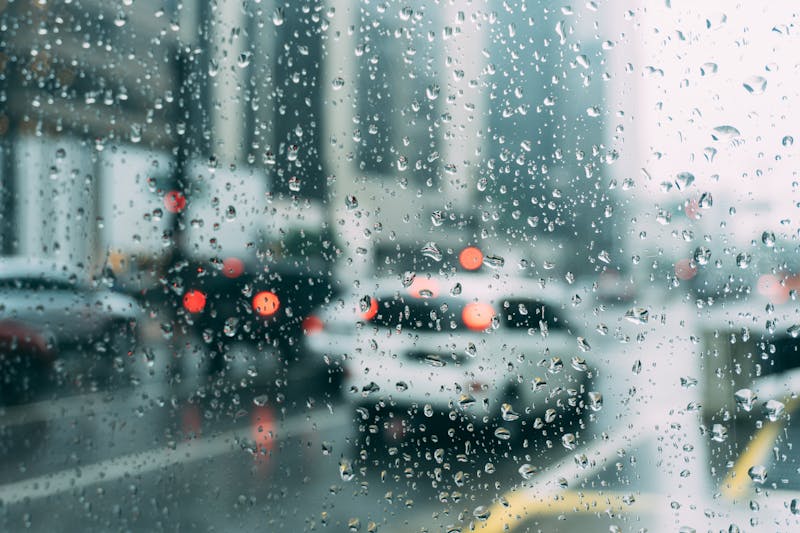
Flooding Reality: Hoi An experiences regular flooding during peak monsoon, with water levels in the ancient town sometimes reaching waist-deep. This is not minor inconvenience—it's serious disruption.
Best Time to Visit Despite Rain: Late January or early September—rain present but not catastrophic, fewer tourists, cultural experiences still excellent.
Avoid Entirely: October-November—this is genuinely challenging weather with flooding risks, cancelled activities, and limited outdoor possibilities.
Southern Vietnam Monsoon (Ho Chi Minh City, Mekong Delta, Phu Quoc)
Monsoon Period: May to October (peak: June-August)
Characteristics:
- Predictable afternoon rain showers
- Short duration (1-2 hours typically)
- Heavy but brief downpours
- Monthly rainfall: 200-300mm
- Mornings usually sunny and clear
- High humidity throughout (80-90%)
- Temperature remains warm (25-31°C / 77-88°F)
- Streets flood briefly but drain quickly
Daily Pattern:
- 6-11 AM: Sunny, clear, perfect for activities
- 11 AM-2 PM: Clouds building, increasing heat
- 2-4 PM: Heavy rain most likely
- 4-7 PM: Rain clearing, cooling down
- Evening: Often clear for dining and nightlife
Best Time to Visit Despite Rain: May or October—beginning/end of wet season, less intense rain, lower prices, still manageable conditions.
Most Manageable Wet Season: Southern Vietnam's wet season is the easiest to work around—plan outdoor activities for morning, embrace afternoon rain breaks, continue exploring in evenings.
Best Destinations to Visit During Monsoon Seasons
Contrary to popular belief, monsoon seasons can actually be the BEST time to visit certain Vietnamese destinations. Here's where rain enhances rather than diminishes the experience:
Central Vietnam During Dry Season (While Other Regions Get Rain)
When Northern and Southern Vietnam experience monsoons, Central Vietnam (February-August) enjoys absolutely perfect weather. This creates strategic planning opportunities:
Da Nang & Hoi An (February-August):
- Perfect beach weather while South gets rain
- Ideal conditions for ancient town exploration
- Comfortable cycling through rice paddies
- Best time for My Son Sanctuary visits
- Photography conditions excellent
- Shoulder season pricing until March
- Crowds manageable outside of April peak
Practical Advantage: Visit Central Vietnam May-August to escape monsoons elsewhere while enjoying pristine conditions at the coast.
Waterfalls at Peak Flow
Vietnam's waterfalls transform during and immediately after monsoon seasons, becoming thundering spectacles impossible to witness during dry months.
Ban Gioc Waterfall (Cao Bang, Northern Vietnam):
- Best: September-October after Northern monsoon
- Volume increases 5-10x during high water season
- Most dramatic and photogenic
- Mist and spray create rainbow effects
- Surrounding landscapes lush and green
Datanla Falls (Da Lat):
- Best: June-September during rainy season
- Alpine coaster more thrilling in mist
- Mountain scenery at peak green
- Cooler temperatures (18-25°C)
- Da Lat actually pleasant during Southern monsoon
Pongour Falls (Near Da Lat):
- Best: June-September for maximum flow
- Wide, multi-tiered cascade at full power
- Less crowded during rainy season
- Dramatic photography with moody skies
Why Visit Waterfalls During Monsoon:
- Volume and power incomparable to dry season
- Rainbows in mist common
- Lush surroundings peak green
- Fewer tourists to block views
- More dramatic, memorable experience
Mekong Delta During Wet Season
The Mekong Delta actually improves during the wet season (May-October). Higher water levels make the region more accessible and authentic.
Why Wet Season is Better:
- Floating markets more active and genuine
- Easier boat access to remote areas
- Canals and waterways at navigable levels
- Fruit season in full swing (mangoes, rambutans, longans)
- Agricultural activities more visible
- Cooler temperatures after rain
- Rice paddies spectacularly green
Best Experiences:
- Cai Rang Floating Market early morning
- Can Tho homestays during harvest season
- Fruit orchard tours with ripe produce
- Cycling through lush Delta landscapes
- Coconut candy workshops (indoor activity)
Practical Reality: Rain usually falls in afternoon, meaning morning boat trips and market visits rarely interrupted. The Delta is designed for water—locals barely notice rain.
Da Lat Mountain Escape
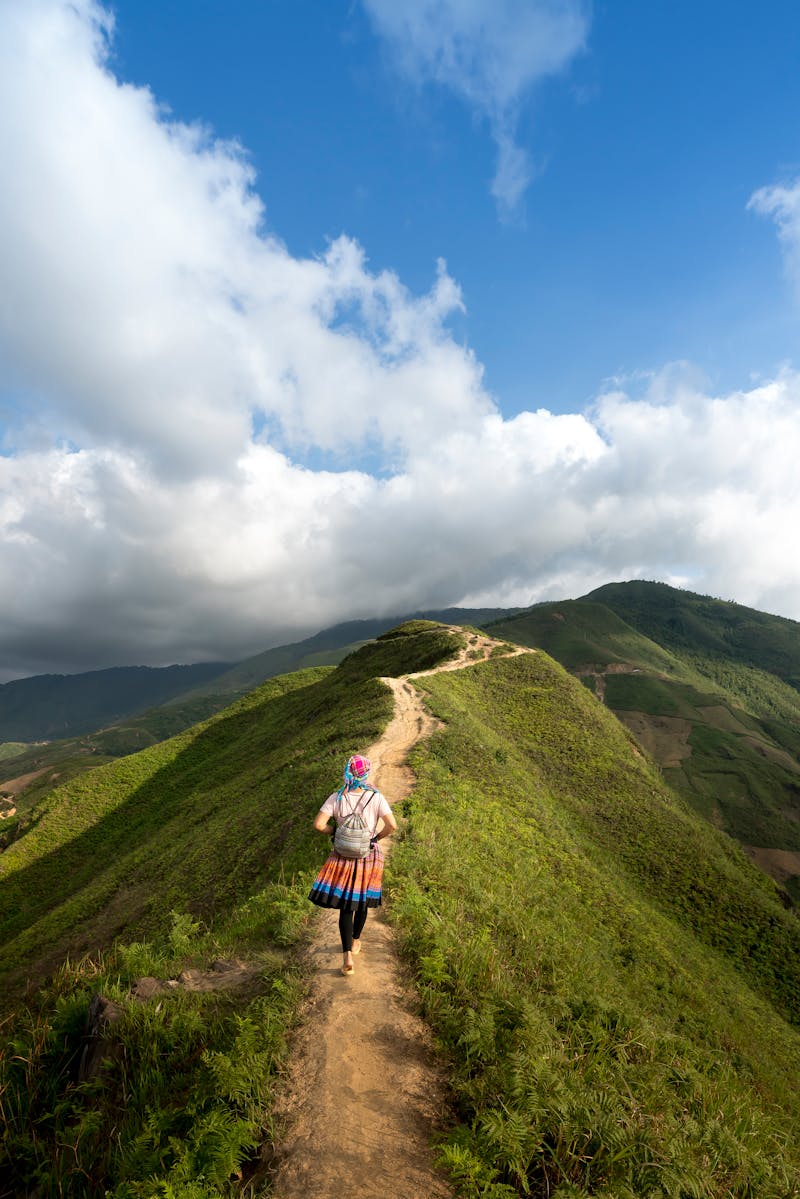
Da Lat (Central Highlands) offers a unique monsoon experience—cooler temperatures, misty mountains, and a romantic atmosphere that many travelers prefer to harsh sunshine.
Why Visit Da Lat During Rainy Season (May-October):
- Comfortable temperatures (18-24°C) escape southern heat
- Mist and fog create dreamy photography
- Waterfalls at peak power
- Fresh strawberries and vegetables in season
- Cozy cafe culture perfect for rainy afternoons
- Flower gardens lush and vibrant
- Lower accommodation prices
- Fewer domestic tourists
Rainy Season Activities:
- Morning hikes before rain (usually dry until afternoon)
- Crazy House and French colonial architecture
- Coffee plantation tours (indoor/covered)
- Xuan Huong Lake walks (beautiful in light rain)
- Local market exploration
- Cafe hopping (Da Lat's specialty)
- Indoor flower gardens
Insider Tip: Da Lat's rain is gentle mountain drizzle, not torrential monsoon downpours. It's arguably more pleasant than hot, sunny days.
Hanoi's Cultural Experience
Hanoi during monsoon season (June-August) is hot and humid, but the cultural experiences remain excellent—and you'll have museums, temples, and street food scenes largely to yourself.
Monsoon Advantages:
- Museums empty—explore at leisure
- Temple complexes peaceful
- Street food vendors attentive (fewer customers)
- Better hotel rates in city center
- Old Quarter exploration still excellent (covered streets)
- Water puppet shows perfect rainy afternoon activity
- Cooking classes always indoor
- Lake walks refreshing after rain
Strategic Planning:
- Early morning activities (6-10 AM) before heat peaks
- Midday in museums or cafes
- Late afternoon/evening when rain clears
- Book air-conditioned accommodation
- Use Grab for between-location transport
What to Pack for Monsoon Season Travel
Packing correctly transforms monsoon travel from miserable to manageable. Here's what actually works:
Rain Gear Essentials
Quality Rain Jacket (Not Poncho):
- Invest in breathable, waterproof jacket (Gore-Tex or similar)
- Lightweight and packable
- Adequate ventilation crucial in humidity
- Hip-length for good coverage
- Avoid cheap plastic ponchos—they trap heat and sweat
- Cost: $50-150 USD, but worth every cent
Waterproof Bags:
- Dry bag (10-20L) for electronics and valuables
- Multiple ziplock bags for phones, cameras, documents
- Waterproof phone case or pouch
- Waterproof cover for main backpack
- Small dry bag for daily excursions
Umbrella Strategy:
- Compact travel umbrella for light rain
- Cheap local umbrella ($2-3) for heavy rain (disposable)
- Hands-free poncho for cycling
- Hotel usually provides umbrellas for guest use
Footwear Options
Best Monsoon Footwear:
-
Waterproof Sandals/Sports Sandals (Teva, Chaco, Keen):
- Best all-around option
- Dry quickly
- Comfortable for walking
- Good grip on wet surfaces
- Can get completely wet without concern
- Cost: $50-100 USD
-
Flip-flops:
- Ultra-lightweight backup
- Beach and casual wear
- Shower shoes
- Buy locally ($2-5)
-
Trail Runners (Quick-Dry):
- For trekking and hiking
- Mesh uppers that dry fast
- Better than waterproof boots (which trap water and never dry)
- Bring two pairs for rotation
Avoid:
- Waterproof boots (never dry in humidity)
- Canvas sneakers (stay wet, get smelly)
- Leather shoes (destroyed by constant wet/dry cycles)
Clothing Strategy
Fabric Choices:
- Synthetic/technical fabrics: Dry quickly, don't hold moisture
- Merino wool: Manages odor, comfortable wet or dry
- Quick-dry nylon: Pants and shorts
- Avoid cotton: Stays wet, takes forever to dry, gets heavy and uncomfortable
What to Pack:
- 3-4 quick-dry t-shirts
- 2 pairs quick-dry pants/shorts
- 1-2 long-sleeve shirts (sun/mosquito protection)
- 7 days underwear (or hand wash)
- Light fleece or hoodie (air-conditioned buses)
- Swimwear (doubles as shorts)
- Buff or bandana (multipurpose)
Laundry Reality: Laundry services everywhere in Vietnam ($1-3 per kilo), usually 24-hour turnaround. Don't over-pack—you can wash constantly.
Monsoon Accessories
Must-Haves:
- Microfiber travel towel (quick-dry)
- Sunscreen (yes, even in rain—UV penetrates clouds)
- Mosquito repellent (DEET 30%+ or picaridin)
- Anti-chafing balm (humidity + walking = chafing)
- Antifungal powder (for feet and gear)
- Silica gel packets (keep electronics dry)
- Portable battery pack (protected in dry bag)
- Headlamp or flashlight (power outages during storms)
- Water purification tablets or SteriPen (backup for bottled water)
Comfort Items:
- Small packable day bag (for daily excursions)
- Lightweight sleeping sheet (not all budget places have clean linens)
- Ear plugs (heavy rain on tin roofs is loud)
- Eye mask (cloudy days make rooms dark)
Indoor Activities for Rainy Days
Smart monsoon travelers have backup plans—activities that are excellent regardless of weather.
Cooking Classes (Available Everywhere)
Vietnamese cooking classes are almost entirely indoor and provide wonderful cultural immersion plus practical skills you'll use at home.
Best Locations:
- Hoi An: Famous for cooking classes, dozens of options, $25-40 USD
- Hanoi: Old Quarter classes focus on northern cuisine, $30-45 USD
- Ho Chi Minh City: Southern specialties and street food techniques, $25-35 USD
- Hue: Royal cuisine classes (more expensive but unique), $40-60 USD
What You'll Learn:
- Market tour (often in covered market)
- 3-5 dish preparation
- Vietnamese cooking techniques
- Ingredient identification
- Cultural food context
- Recipes to take home
Duration: Usually 4-5 hours (morning or afternoon sessions)
Rain Advantage: Indoor activity, cultural experience, you'll eat what you make (replacing a meal), and you're learning rather than feeling stuck inside.
Museums and Historical Sites
Vietnam's museums are world-class and offer air-conditioned refuge during heavy rain or extreme heat.
Must-Visit Museums:
Hanoi:
- Vietnam Museum of Ethnology (3-4 hours, exceptional)
- Hoa Lo Prison ("Hanoi Hilton")
- Ho Chi Minh Mausoleum Complex
- Women's Museum
- Fine Arts Museum
Ho Chi Minh City:
- War Remnants Museum (2-3 hours, powerful)
- Museum of Vietnamese History
- Independence Palace (Reunification Palace)
- Fine Arts Museum
- City Museum (colonial architecture)
Hue:
- Imperial City (partially covered)
- Royal Antiquities Museum
- Tomb complexes (some covered sections)
Hoi An:
- Museum of Trade Ceramics
- Museum of History and Culture
- Precious Heritage by Réhahn (stunning photography)
Strategic Planning: Visit museums during heaviest rain periods (usually afternoon). Many are half-day experiences, perfect for scheduling around weather.
Vietnamese Coffee Culture
Vietnam is the world's second-largest coffee exporter, and coffee culture is serious business. Rainy days are perfect for cafe exploration.
Cafe Types to Experience:
-
Traditional Vietnamese Cafes:
- Plastic stools, strong coffee, people-watching
- Ca phe sua da (iced coffee with condensed milk)
- Ca phe trung (egg coffee in Hanoi)
- $0.50-1.50 per coffee
-
Modern Specialty Cafes:
- Third-wave coffee movement strong in Vietnam
- Single-origin Vietnamese beans
- Latte art and pour-overs
- Instagram-worthy interiors
- $2-4 per coffee
-
Unique Cafes:
- Apartment cafes (hidden in residential buildings)
- Railway cafes (Hanoi's famous train street)
- Rooftop cafes (views of rainy cityscape)
- Cat cafes, book cafes, vintage cafes
Rainy Day Cafe Strategy:
- Find cafe near your accommodation
- Settle in for 2-3 hours with book or laptop
- Order multiple drinks and snack
- Use excellent WiFi
- Watch rain and local life
- Move to new cafe when ready
- Repeat
Cost: $5-10 USD can cover entire rainy afternoon across multiple cafes.
Spa and Wellness
Vietnam offers exceptional spa services at prices Western travelers find unbelievable. Rainy afternoons are perfect spa time.
Services and Pricing:
- Vietnamese massage: $6-15 per hour
- Foot massage: $5-10 per hour
- Full spa package (massage, facial, body scrub): $30-60
- Manicure/pedicure: $8-15
- Traditional medicine consultation: $10-20
Best Spa Cities:
- Ho Chi Minh City: Highest concentration, most luxurious options
- Hanoi: Traditional Vietnamese and modern spas
- Hoi An: Combines spa with herbal baths
- Nha Trang: Mud baths and mineral springs (outdoor but warm)
Rain Strategy: Book spa appointments during predicted rain periods. Many hotels have spa services or partnerships.
Shopping Experiences
Monsoon season shopping offers advantages—less crowded markets, attentive vendors, better prices.
Covered Markets:
- Ben Thanh Market (HCMC)—fully covered, all-day shopping
- Dong Xuan Market (Hanoi)—massive covered market
- Hoi An Central Market—covered and near ancient town
Shopping Malls (Full Air-Con):
- Vincom Centers (nationwide)
- Lotte Mart/Department Stores
- Dong Khoi Street luxury shopping (HCMC)
Tailor Shopping (Hoi An): Perfect rainy day activity—spend hours selecting fabrics, getting measured, doing fittings across 2-3 days.
Handicraft Workshops:
- Lacquerware demonstrations
- Silk painting classes
- Pottery workshops
- Lantern making (Hoi An)
- All indoor, 2-4 hours, $15-40 USD
Photography Opportunities During Monsoon
Serious photographers often prefer monsoon season—the light, drama, and authenticity create images impossible during sunny days.
Dramatic Skies and Lighting
Golden Photography Moments:
- Just before storm: Dark dramatic clouds, golden light contrast
- During light rain: Wet surfaces reflect light, colors intensify
- Just after storm: Clearing skies, rainbows, fresh clean air
- Overcast days: Soft even lighting, no harsh shadows
Best Subjects:
- Rice terraces with storm clouds
- Urban streets with reflections in puddles
- Local life continuing despite rain
- Markets under cover
- Temple architecture with wet stone
- Waterfall landscapes with mist
- Street vendors under colorful umbrellas
Reflections in Wet Streets
Urban photography during monsoon transforms ordinary streets into mirror-worlds.
Best Locations for Reflection Photography:
- Hanoi Old Quarter narrow streets
- Hoi An ancient town stone streets
- Ho Chi Minh City District 1 at night
- Any urban area with street lights after rain
Techniques:
- Shoot low to capture full reflections
- Evening/night best for artificial light reflections
- Use polarizing filter to control reflection intensity
- Include people with umbrellas for scale and color
- Long exposure for motion blur in rain
Rain Photography
Capturing actual rainfall creates moody, memorable images.
Protection First:
- Use rain cover for camera
- Work under cover when possible
- Microfiber cloth for lens wiping
- Silica gel in camera bag
- Consider cheaper backup camera for heavy rain
Techniques:
- Fast shutter (1/500+) to freeze raindrops
- Slow shutter (1/30-1/60) for rain streaks
- Backlit rain shows best (light behind rain)
- Include people with umbrellas or raincoats
- Focus on foreground, let rain blur background
Monsoon Landscapes
Vietnam's landscapes transform completely during rainy seasons—what's brown and dry becomes emerald green.
Best Landscape Photography:
- Sapa rice terraces: Lush green during/after Northern monsoon (June-September)
- Ha Giang mountains: Dramatic clouds and mist (September-October)
- Mekong Delta: Flooded fields and waterways (June-September)
- Central Highlands: Misty mountains and waterfalls (May-October)
Advantages:
- Vegetation at peak green
- Dramatic cloud formations
- Waterfalls at full power
- Mist adds depth and mystery
- Fewer tourists in your shots
Transportation Challenges and Solutions
Monsoon season creates transportation complications, but with smart planning, they're manageable.
Road Conditions and Safety
Challenges:
- Flooded roads (especially urban areas)
- Landslides in mountain regions
- Reduced visibility
- Slippery conditions
- Longer travel times
Solutions:
- Avoid mountain roads during heavy rain: Ha Giang Loop, Hai Van Pass, mountain passes especially dangerous
- Choose established transportation: Reputable bus companies maintain better vehicles
- Build buffer time: Add extra hours to travel days
- Morning travel: Roads drier, visibility better
- Check current conditions: Ask locals/hotel staff before departing
Mountain Travel Safety: If traveling through mountains during monsoon:
- Hire experienced driver (don't self-drive in dangerous conditions)
- Travel during dry periods when possible
- Have alternate routes identified
- Stay informed about landslide risks
- Consider delaying if conditions severe
Motorbike Tours During Monsoon
Motorbike touring during monsoon is possible but requires honest assessment of conditions and skills.
When to Avoid Motorbike Touring:
- Central Vietnam October-November (flooding, dangerous conditions)
- Mountain roads during active rain
- Nighttime travel
- During or immediately after heavy rain
- If you're inexperienced rider
When Motorbike Touring is Manageable:
- Southern Vietnam wet season (brief afternoon rain)
- Between storms in Northern Vietnam
- Morning hours (usually drier)
- Flat, well-maintained roads
- Short distances with flexibility
Safety Strategies:
- Quality rain gear (jacket and pants)
- Waterproof bag for belongings
- Avoid riding during active rain
- Reduce speed significantly on wet roads
- Pull over during heavy rain
- Book accommodation flexible (able to stay extra night if weather bad)
- Consider renting automatic scooter (easier in rain than manual)
Alternatives:
- Private car with driver
- Established bus services
- Shorter day trips instead of multi-day tours
- Save motorbike tour for dry season, explore other ways during monsoon
Flights and Trains
Flights During Monsoon:
- Domestic flights generally reliable
- Delays possible during typhoons or severe storms
- Central Vietnam October-November most affected
- Morning flights more reliable than afternoon
- Book refundable/changeable tickets if possible
- Add buffer days for important connections
Trains:
- Generally reliable even during rain
- North-South reunification express runs daily
- More comfortable than bus during rain
- Delays possible but less common than buses
- Book sleeper berths for comfort
- Train perfect rainy day activity (watch landscape from dry comfort)
Strategic Planning:
- Prioritize trains and flights during monsoon
- Avoid long-distance buses in heavy rain
- Accept some delays and build flexibility
- Use weather-protected travel days for longer transfers
Accommodation Deals During Monsoon
Monsoon season brings significant accommodation savings—often the trip's biggest expense reduction.
Budget Range Savings
Budget Accommodation ($10-25/night normally):
- Monsoon discounts: 20-30% off
- Walk-in rates better than online during low season
- Private rooms at dorm prices
- Upgrades often free
- Example: $15 hostel private room drops to $10
Mid-Range ($30-80/night normally):
- Monsoon discounts: 30-40% off
- Better room categories at standard prices
- Negotiable especially for multi-night stays
- Free breakfast and amenities added
- Example: $50 boutique hotel drops to $30-35
High-End ($100+/night normally):
- Monsoon discounts: 40-50% off
- Luxury becomes affordable
- Suites at deluxe room prices
- Packages with spa, meals included
- Example: $200 beach resort drops to $100-120
Booking Strategies
Walk-In vs. Online:
- During monsoon, walk-in often better rates (hotel wants guaranteed booking)
- Show multiple booking site prices and negotiate
- Book first night online, negotiate remaining nights in person
- Last-minute deals on Agoda, Booking.com during low season
Negotiation Tips:
- Multi-night stays (3+ nights) very negotiable
- Mention off-season travel and price comparison
- Ask for room upgrades
- Request added amenities (breakfast, airport transfer)
- Be polite but firm—hotels eager to fill rooms
Best Value Strategy: Upgrade your accommodation category during monsoon. Normally budget traveler? Book mid-range. Mid-range traveler? Book luxury. Prices become reasonable and comfort matters more when dealing with rain.
Health Considerations During Monsoon
Monsoon season brings specific health considerations—most manageable with awareness and preparation.
Preventing Common Illnesses
Mosquito-Borne Diseases: Monsoon creates ideal mosquito breeding conditions. Risk increases for dengue fever and malaria (mainly rural areas).
Prevention:
- DEET or picaridin repellent (30%+ concentration)
- Apply every 4-6 hours
- Long sleeves and pants at dawn/dusk (peak biting times)
- Sleep under mosquito net or in air-conditioned room
- Permethrin-treated clothing for rural trekking
- Remove standing water around accommodation
Dengue Symptoms (seek medical care immediately):
- High fever (40°C / 104°F)
- Severe headache and eye pain
- Joint/muscle pain
- Rash
- Fatigue
- Usually appears 4-7 days after infected mosquito bite
Traveler's Diarrhea: Increased risk during monsoon due to flooding potentially contaminating food/water sources.
Prevention:
- Drink only bottled water (check seal intact)
- Avoid ice in questionable establishments
- Choose busy street food vendors (high turnover)
- Avoid raw vegetables unless properly washed
- Wash hands frequently
- Carry hand sanitizer (alcohol-based)
Treatment:
- Stay hydrated (oral rehydration salts)
- Avoid anti-diarrheal medication initially (body needs to clear infection)
- Seek medical care if symptoms severe or prolonged
- Bring basic medications from home
Fungal Infections: Humidity and wet conditions create perfect environment for athlete's foot and other fungal issues.
Prevention:
- Dry feet thoroughly, especially between toes
- Antifungal powder for feet and shoes
- Wear sandals when possible (air circulation)
- Don't wear damp shoes
- Change socks frequently
- Alternate footwear pairs
Staying Comfortable
Humidity Management:
- Shower 2-3 times daily to stay comfortable
- Change clothes when damp from sweat/rain
- Powder for reducing chafing and moisture
- Air-conditioned accommodation at night crucial
- Hang damp items under fan (won't fully dry without sun)
Sleep Quality:
- Book accommodation with air conditioning
- Use fan for air circulation if no AC
- Earplugs for heavy rain noise on roofs
- Stay hydrated despite humidity
- Cool shower before bed
What to Avoid During Monsoon Season
Some activities and destinations are genuinely inadvisable during monsoon season. Here's what to skip or reschedule:
Certain Islands and Beach Destinations
Avoid During Monsoon:
- Con Dao Islands (October-December): Rough seas, limited ferry service, rain
- Phu Quoc (September-October): Peak rain, rough seas, limited water activities
- Cat Ba Island (June-August): Heavy rain, poor visibility in Ha Long Bay area
Why Avoid:
- Ferry cancellations common
- Beach activities limited/impossible
- Accommodation and restaurants may close
- Not dangerous but disappointing experience
Alternative Strategy: Visit these islands during their dry seasons—Con Dao (January-August), Phu Quoc (November-April), Cat Ba (April-October).
Outdoor Treks and Mountain Passes
Dangerous During Heavy Monsoon:
- Ha Giang Loop (June-August): Landslide risk, poor visibility, muddy roads
- Hai Van Pass motorcycle ride (October-December): Dangerous conditions
- Sapa extended trekking (June-August): Extremely muddy, leech-infested, limited views
- Phong Nha cave expeditions (October-December): Flooded caves, cancelled tours
Why Dangerous:
- Landslides close roads without warning
- Muddy trails extremely slippery
- Limited visibility = miss the views
- Hypothermia risk in wet mountain conditions
- Emergency rescue difficult in remote areas
Alternative Strategy: If determined to visit these areas during monsoon:
- Choose guided tours (locals know conditions)
- Have flexible itinerary (stay extra days if needed)
- Avoid solo trekking
- Check weather forecasts constantly
- Accept you may see limited views
- Consider shorter, easier routes
Beach Activities and Water Sports
Limited/Impossible During Monsoon:
- Beach swimming (rough seas, poor conditions)
- Snorkeling and diving (poor visibility, rough water)
- Kayaking in open water (dangerous)
- Boat tours to islands (cancellations common)
- Kitesurfing/windsurfing (unpredictable conditions)
Exception: Nha Trang's unique geography means water activities often remain possible during its "dry season" (January-August) while surrounding areas get rain.
Embracing the Rain: Mindset and Authentic Experiences
The difference between a frustrating monsoon trip and a rewarding one comes down to mindset. Here's how to reframe rain as advantage:
Waterfalls at Peak Power
Dry season waterfalls are trickles compared to their monsoon glory. Visiting during high water season reveals their true majesty—a completely different experience.
Why It's Better:
- Volume increases 5-10x
- Thundering sound creates visceral experience
- Mist and spray reach observation areas
- Rainbow formations in spray
- Dramatic photography impossible in dry season
- Surrounding jungle lush and alive
Must-See Monsoon Waterfalls:
- Ban Gioc (September-October after Northern monsoon)
- Pongour Falls near Da Lat (June-September)
- Dray Nur/Dray Sap in Central Highlands (May-October)
- Various waterfalls around Phong Nha (outside extreme flood months)
Lush Green Landscapes
Rice terraces during monsoon season explode in emerald green—a completely different visual from golden harvest or brown post-harvest.
Most Spectacular:
- Sapa rice terraces (June-September): Vibrant green before harvest
- Ha Giang valleys (July-September): Peak greenery
- Mekong Delta (June-October): Lush tropical paradise
- Ninh Binh karst landscape (May-September): Brilliant green against gray limestone
Photography Advantage: Green season creates dramatic color contrast with gray skies, mist, and rain—moody, atmospheric images impossible during sunny dry season.
Monsoon Festivals and Cultural Events
Some of Vietnam's most important cultural events occur during or around monsoon season:
Mid-Autumn Festival (September):
- Lantern displays
- Mooncake season
- Children's celebrations
- Beautiful evening events (usually rain clears)
Vu Lan Festival (August):
- Buddhist celebration honoring parents
- Pagodas decorated elaborately
- Cultural performances
- Less touristy, very authentic
Local Harvest Celebrations (varies by region):
- End of harvest before/after monsoon
- Village festivals
- Traditional ceremonies
- Authentic community participation
Festival Advantage During Monsoon: Fewer tourists means easier access to events, more genuine local participation, and better opportunities for cultural exchange.
Life Continues: Authentic Vietnam
Perhaps the biggest monsoon advantage is experiencing how Vietnamese people actually live—not a curated tourist experience but real daily life.
What You'll Experience:
- Markets operating normally (covered)
- Street food vendors continue under tarps
- Locals going about business despite rain
- Children playing in rain
- Motorbikes navigating flooded streets
- Shops and cafes as community gathering spaces
- Neighbors helping each other
- Resourcefulness and resilience
Cultural Insight: Vietnamese people don't stop living because of rain. Monsoon is normal, expected, planned for. Watching how locals adapt and continue reveals cultural values of resilience, community, and making the best of conditions.
Authentic Interaction: Fewer tourists means locals engage more naturally. Sheltering from rain together creates spontaneous conversations. Shared experience of weather becomes connection point.
Modified Itineraries for Rainy Weather
Smart monsoon travelers build flexibility and indoor alternatives into their itineraries. Here are examples:
Northern Vietnam Monsoon Itinerary (June-August Focus)
Day 1-3: Hanoi:
- Morning: Temple and cultural site visits (often covered)
- Midday: Museum time or cooking class
- Afternoon: Cafe culture, indoor activities during rain
- Evening: Street food tours (many vendors have cover), water puppet show
Day 4-5: Ha Long Bay/Lan Ha Bay:
- 2D/1N cruise (boats have covered areas, rain part of experience)
- Cave visits (naturally covered)
- Kayaking between storms
- Cabin time reading/relaxing during rain
- Note: Still beautiful in rain, just different
Day 6-7: Ninh Binh:
- Boat tours through caves and rice paddies (boats have covers)
- Bich Dong Pagoda (combination covered/outdoor)
- Mua Cave climb (do early morning before rain)
- Tam Coc area cycling (morning hours)
- Flexible for weather changes
Day 8-9: Return Hanoi or Exit:
- Final shopping in covered markets
- Last-minute street food favorites
- Spa afternoon
- Museum revisits
Rain Strategy: Northern monsoon rain is heavy but often clears. Early morning activities usually successful, afternoon rain expected, evening often clears for dining.
Central Vietnam Shoulder Season Itinerary (Late January or Early September)
Day 1-2: Hue:
- Imperial City (combination covered/outdoor)
- Royal Tombs (rain makes atmospheric)
- Museum of Royal Antiquities
- Cooking class
- Perfume River boat tour (covered boats)
Day 3-5: Hoi An:
- Ancient Town exploration (many covered streets)
- Cooking class
- Tailor visits and fittings
- Museum visits
- Lantern making workshop
- Beach time if weather permits
- Indoor restaurants and cafes
Day 6-7: Da Nang:
- Museum of Cham Sculpture
- Dragon Bridge evening show
- Beach walks between rain
- Spa services
- Coffee shops with views
Rain Strategy: Central Vietnam monsoon can be persistent. Focus on indoor cultural activities, embrace atmospheric ancient town in light rain, have backup plans always.
Southern Vietnam Wet Season Itinerary (May-October Focus)
Day 1-3: Ho Chi Minh City:
- Morning city tours (usually dry)
- Midday museum visits or lunch
- Afternoon spa or shopping mall during rain
- Evening street food and nightlife (often clears)
- Cu Chi Tunnels day trip (underground = weather-proof)
Day 4-6: Mekong Delta:
- Can Tho floating markets (early morning, usually dry)
- Boat tours on rivers (covered boats)
- Fruit orchard visits
- Homestay experience
- Local cooking
- Evening village walks
Day 7-9: Da Lat (Mountain Escape):
- Waterfall visits (best in wet season)
- Coffee plantation tours
- Covered market exploration
- Cafe culture
- Flower gardens
- Gentle hikes in morning
Rain Strategy: Southern wet season rain is predictable—plan outdoor activities morning, accept afternoon rain break, resume exploration evening. It's manageable and shouldn't ruin plans.
Weather Apps and Forecasts to Trust
Accurate weather information helps you plan daily activities and make informed decisions.
Most Reliable Weather Apps
Windy.com (Most Accurate):
- Best for visualization
- Shows rain intensity in real-time
- Wind patterns
- Hour-by-hour forecast
- Radar view extremely useful
- Free app and website
AccuWeather:
- Detailed hourly forecasts
- "MinuteCast" precipitation forecast
- Good for planning specific activities
- Available in app and web
Yr.no (Norwegian Meteorological Institute):
- Very accurate for Southeast Asia
- Simple, clean interface
- Hour-by-hour precipitation
- Free, no ads
Local Apps:
- Check what Vietnamese locals use (changes by region)
- Ask hotel staff for recommendations
- May be more accurate for specific local conditions
Interpreting Forecasts
Understanding Monsoon Forecasts:
- "90% chance of rain" doesn't mean all-day rain
- Often means afternoon thunderstorm
- Check hourly forecast, not just daily
- Morning often clear even on "rainy" days
Planning Strategy:
- Check forecast night before
- Plan outdoor activities around dry periods
- Have indoor backup ready
- Be flexible to adjust timing
- Accept some forecasts will be wrong
Typhoon Awareness:
- Typhoons are tracked days in advance
- Serious typhoons = stay in safe accommodation
- Minor tropical storms = modified plans but manageable
- Check news and local guidance
- Don't panic—locals experience these regularly
Positive Mindset: Monsoon as Authentic Experience
The ultimate monsoon travel secret is perspective. Rain isn't ruining your trip—it's providing a different, often richer experience.
Reframing "Bad Weather"
Instead of: "The rain ruined my beach day" Think: "I discovered amazing indoor markets and had authentic cafe conversations"
Instead of: "I'm stuck inside because of rain" Think: "Perfect opportunity for cooking class I wanted to take"
Instead of: "We can't see the view because of clouds" Think: "Misty mountains create mysterious, dramatic photos impossible in clear weather"
Instead of: "Everything is wet and uncomfortable" Think: "I'm experiencing Vietnam as locals do—rain is normal life here"
Advantages You Can't Get in Dry Season
What Monsoon Offers:
- Dramatically lower prices (30-50% savings)
- Empty attractions (explore at your pace)
- Genuine local interactions (not tourist-handler relationships)
- Lush green landscapes (peak natural beauty)
- Waterfalls at full power (completely different experience)
- Authentic cultural experience (seeing real life, not tourist version)
- Better stories (overcoming challenges makes memories)
- Learning resilience and flexibility
- Appreciation for good weather when it appears
- Pride in being adventurous traveler, not tourist
Creating Monsoon Memories
Some of the best travel stories come from unexpected experiences—and monsoon season creates plenty:
- Sheltering from rain in small cafe, having 3-hour conversation with owner
- Helping locals push motorbike through flooded street
- Spectacular rainbow after storm over rice terraces
- Having temple entirely to yourself because other tourists stayed inside
- Discovering hole-in-wall restaurant because famous place was flooded
- Watching waterfall at peak power, spray drenching you
- Learning Vietnamese card game during afternoon downpour
- Seeing how locals ingeniously waterproof everything
- Midnight conversation in hostel during tropical storm
- Extraordinary kindness from locals helping soaked traveler
These moments don't happen in perfect weather with crowds of tourists.
Practical Final Tips
Booking Flexibility
- Book refundable accommodation when possible
- Keep transportation flexible (avoid non-refundable advance bookings)
- Buy travel insurance with weather coverage
- Build buffer days into itinerary
- Don't over-schedule (allow for weather delays)
Staying Connected
- Bring portable charger (power outages during storms)
- Local SIM card for weather apps and communication
- Download maps offline (Maps.me or Google Maps offline)
- Keep emergency numbers accessible
- Inform someone of your location during travel days
Embracing Spontaneity
- Best monsoon experiences are often unplanned
- Say yes to local invitations
- Follow recommendations from locals
- Be willing to change plans completely
- Remember: flexibility is the key to monsoon success
Supporting Local Economy
Your monsoon visit helps Vietnamese tourism workers during their slow season:
- Eat at local restaurants (they appreciate wet season customers)
- Book local guides (income during tough season)
- Shop at small vendors (high season crowds return later)
- Tip generously (especially for exceptional service)
- Write positive reviews (helps businesses survive off-season)
Conclusion: Is Monsoon Season Right for You?
Monsoon season Vietnam travel isn't for everyone—but for the right traveler, it's ideal:
You'll Love Monsoon Season If:
- Budget is important (30-50% savings on everything)
- You hate crowds and tourist scenes
- You want authentic cultural experiences
- You're flexible and adaptable
- You see challenges as adventures
- You appreciate dramatic nature and photography
- You prioritize experiences over perfect weather
- You're comfortable with some discomfort
- You want to see "real" Vietnam
Choose Dry Season Instead If:
- Perfect weather is non-negotiable
- You have rigid itinerary and timeline
- Beach activities are your main goal
- You're traveling with young children
- You hate being wet or uncomfortable
- You want reliable conditions
- You're visiting Central Vietnam (October-November especially)
- This is once-in-a-lifetime trip with no flexibility
The Truth: Monsoon season offers incredible value and authentic experiences in exchange for some weather uncertainty and occasional discomfort. For budget travelers, digital nomads, photographers, experienced travelers, and those seeking deeper cultural immersion, it's often the better time to visit.
Climate change is making weather patterns less predictable regardless of season. Perfect weather is never guaranteed. The question is whether you're willing to embrace rain as part of the experience—because when you do, Vietnam's monsoon season reveals magic that sunshine can't provide.
Pack your rain jacket, download your weather apps, book that refundable accommodation, and prepare for an adventure that fewer travelers are brave enough to take. Monsoon season Vietnam awaits.