

Preserve Your Vietnam Memories
Turn your travel photos into beautiful custom magnets
A unique service available throughout Vietnam - simply send your favorite travel shots and receive beautiful, high-quality magnets at budget-friendly prices. Perfect for sharing with friends or decorating your space with travel memories.
Contact us on:
Vietnam Seasonal Travel Guide - When to Visit Each Region for Best Weather
Vietnam stretches over 1,600 kilometers from north to south, creating a country with remarkably diverse weather patterns and microclimates. While your neighbor might be shivering in Sapa's mountain mists, someone else could be sunbathing on Phu Quoc's beaches - both on the same day. This geographical diversity means there's genuinely no "bad" time to visit Vietnam, but there are definitely optimal times for each region.
Understanding Vietnam's seasonal variations is crucial for planning your trip. Choose the wrong month for the wrong region, and you might spend your beach holiday dodging typhoons or your mountain trek slogging through relentless rain. Choose wisely, and you'll enjoy perfect weather, vibrant festivals, and the best each destination has to offer.
This comprehensive guide breaks down Vietnam's weather patterns region by region, month by month, helping you plan the ideal itinerary based on when you're traveling and what you want to experience.
Understanding Vietnam's Climate Zones
Vietnam's long, narrow shape and varied topography create three distinct climate zones, each with different weather patterns throughout the year.
Northern Vietnam (Hanoi, Halong Bay, Sapa)
- Climate: Subtropical with four distinct seasons
- Hot season: May to September (25-35°C)
- Cool season: October to April (15-20°C)
- Cold period: December to February (can drop to 5-10°C in mountains)
- Rainy season: May to October (typhoon risk July-September)
Central Vietnam (Hue, Hoi An, Da Nang, Nha Trang)
- Climate: Tropical monsoon with two distinct seasons
- Dry season: February to August (best weather)
- Rainy season: September to January (heavy rains, flooding risk)
- Peak heat: June to August (35-40°C)
- Cooler months: December to February (20-25°C)
Southern Vietnam (Ho Chi Minh City, Mekong Delta, Phu Quoc)
- Climate: Tropical with year-round warm temperatures
- Dry season: November to April (ideal conditions)
- Wet season: May to October (afternoon showers)
- Temperature: Consistently 25-35°C year-round
- Humidity: High throughout the year (75-85%)
Key Insight: Vietnam's weather operates on a seesaw - when it's rainy in the north, it's often dry in the south, and vice versa. This makes it possible to plan multi-region trips with consistently good weather by following the dry seasons.
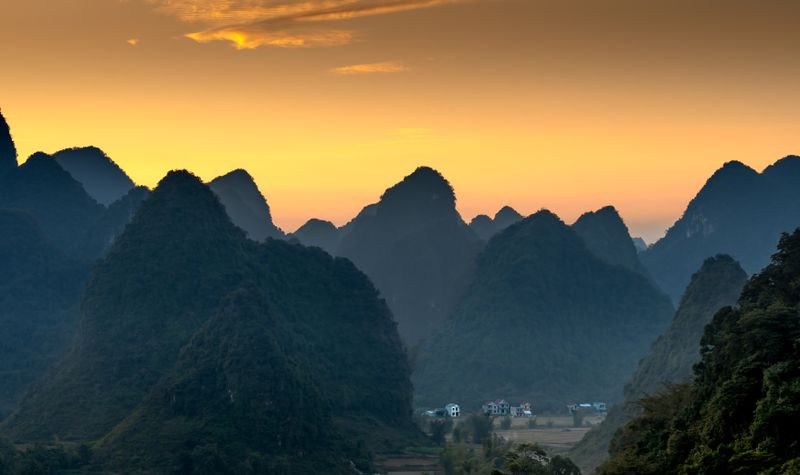
Month-by-Month Weather Guide
January - Winter in the North, Perfect in the South
Northern Vietnam:
- Temperature: 15-20°C (10°C or lower in mountains)
- Conditions: Cool, dry, occasional drizzle and fog
- Best for: Hanoi city tours, Halong Bay cruises (dress warmly)
- Avoid: Sapa trekking (very cold, possible snow)
Central Vietnam:
- Temperature: 20-25°C
- Conditions: Cool and dry (tail end of rainy season)
- Best for: Hoi An, Hue (comfortable temperatures)
- Note: Early January can still see rain in Hue/Da Nang
Southern Vietnam:
- Temperature: 25-32°C
- Conditions: Hot, sunny, low humidity
- Best for: Ho Chi Minh City, Mekong Delta, Phu Quoc beaches
- Peak season: High tourist numbers, book accommodation ahead
Festivals: Tet (Vietnamese Lunar New Year) - usually late January or early February. Expect closures but amazing cultural experiences.
Verdict: Excellent time for southern Vietnam and beaches. Good for Hanoi if you don't mind cooler weather. Central Vietnam is transitioning but generally pleasant.
February - Peak Season for Central Vietnam
Northern Vietnam:
- Temperature: 16-22°C
- Conditions: Cool, misty mornings, warming afternoons
- Best for: Hanoi, Halong Bay (improving conditions)
- Note: Still chilly for beach activities in northern areas
Central Vietnam:
- Temperature: 22-28°C
- Conditions: Beautiful clear skies, low rainfall
- Best for: Hoi An, Hue, Da Nang (ideal weather begins)
- Highlight: Perfect beach weather without intense heat
Southern Vietnam:
- Temperature: 26-33°C
- Conditions: Hot, dry, excellent beach weather
- Best for: All southern destinations, island hopping
- Note: Peak tourist season continues
Festivals: Spring festivals, plum blossom season in northern mountains
Verdict: One of the best months for central Vietnam. Excellent for south. North is warming up but still cool.
March - Transition Month with Warm Weather
Northern Vietnam:
- Temperature: 18-25°C
- Conditions: Warming up, pleasant temperatures, light drizzle possible
- Best for: Hanoi, Halong Bay, beginning Sapa season
- Highlight: Plum and peach blossoms in mountainous areas
Central Vietnam:
- Temperature: 23-30°C
- Conditions: Sunny, dry, increasingly hot
- Best for: All central coast destinations (peak season)
- Water: Ocean temperatures ideal for swimming
Southern Vietnam:
- Temperature: 27-35°C
- Conditions: Hot, dry, getting warmer
- Best for: All destinations (end of high season)
- Note: Increasing humidity signals wet season approach
Verdict: Excellent all-around month for Vietnam. Great weather in most regions. One of the best times for a full north-to-south trip.

April - Heat Builds Across Vietnam
Northern Vietnam:
- Temperature: 22-30°C
- Conditions: Warm, increasingly humid, occasional showers
- Best for: Most northern destinations (before heavy rain)
- Note: Good time for Sapa before rainy season
Central Vietnam:
- Temperature: 25-34°C
- Conditions: Hot, sunny, very dry
- Best for: Beach destinations (excellent conditions)
- Warning: Getting very hot, especially midday
Southern Vietnam:
- Temperature: 28-35°C
- Conditions: Very hot, increasing rain probability
- Best for: Early morning and evening activities
- Note: Wet season approaching, afternoon storms possible
Festivals: Hung Kings Festival (10th day of 3rd lunar month)
Verdict: Last month of truly dry season in south. Still excellent for central beaches. North is pleasant and warm.
May - Start of Rainy Season in South and North
Northern Vietnam:
- Temperature: 25-33°C
- Conditions: Hot, humid, increasing rainfall
- Best for: Hanoi (manageable heat), Halong Bay (warm water)
- Avoid: Extended outdoor activities during afternoon storms
Central Vietnam:
- Temperature: 27-36°C
- Conditions: Very hot, mostly dry
- Best for: Beach holidays (still great weather)
- Peak: Nha Trang particularly good this month
Southern Vietnam:
- Temperature: 27-35°C
- Conditions: Wet season begins, daily afternoon showers
- Best for: Morning activities, indoor attractions
- Budget travel: Low season prices begin
Verdict: Still good for central Vietnam beaches. North and south see increasing rain but it's usually afternoon showers rather than all-day downpours.
June - Summer Heat Peaks
Northern Vietnam:
- Temperature: 27-35°C
- Conditions: Very hot, humid, regular afternoon storms
- Best for: Beach destinations (warm water)
- Prepare for: Heavy rain showers, carry umbrella
Central Vietnam:
- Temperature: 28-38°C
- Conditions: Extremely hot, dry
- Best for: Beach activities (if you can handle the heat)
- Warning: Peak heat - sun protection essential
Southern Vietnam:
- Temperature: 26-33°C
- Conditions: Wet season in full swing, daily rain
- Best for: Indoor activities, museums, pagodas
- Advantage: Fewer tourists, lower prices
Festivals: Mid-year festivals in various regions
Verdict: Central beaches still excellent if you can handle intense heat. North and south have regular rain but destinations are less crowded.

July - Peak Summer and Rain
Northern Vietnam:
- Temperature: 28-35°C
- Conditions: Hot, very humid, heavy rain possible
- Best for: Short city trips (between rain)
- Caution: Typhoon season begins (rare but possible)
Central Vietnam:
- Temperature: 28-38°C
- Conditions: Scorching hot, mostly dry
- Best for: Beach holidays (if heat-tolerant)
- Peak: Nha Trang, Da Nang popular for domestic tourism
Southern Vietnam:
- Temperature: 26-32°C
- Conditions: Wet season, afternoon thunderstorms
- Best for: Budget travel, fewer crowds
- Note: Mekong Delta floods beautifully (great for boat tours)
Verdict: Challenging month due to heat and rain, but central beaches remain good. Lowest tourist numbers mean great deals.
August - Continued Heat and Rain
Northern Vietnam:
- Temperature: 27-34°C
- Conditions: Hot, humid, frequent rain
- Best for: Indoor activities, Hanoi museums
- Caution: Peak typhoon risk month
Central Vietnam:
- Temperature: 27-37°C
- Conditions: Very hot, dry (dry season ending)
- Best for: Last month of reliable beach weather
- Advantage: Still good for coastal destinations
Southern Vietnam:
- Temperature: 26-32°C
- Conditions: Wet season continues
- Best for: Ho Chi Minh City (rain usually brief)
- Note: Green season - landscapes are lush and beautiful
Verdict: Last good month for central beaches. North and south have regular rain but it's manageable. Low season pricing continues.
September - Transition Month with Rain
Northern Vietnam:
- Temperature: 25-32°C
- Conditions: Cooling down, still rainy
- Best for: Ha Giang Loop (end of wet season)
- Caution: Still typhoon season, check forecasts
Central Vietnam:
- Temperature: 25-33°C
- Conditions: Rainy season begins in earnest
- Avoid: Hoi An, Hue (flood risk increases)
- Exception: Nha Trang often stays drier longer
Southern Vietnam:
- Temperature: 26-32°C
- Conditions: Wet season peaks
- Best for: Indoor attractions, cultural sites
- Note: Great for photographers (dramatic skies)
Festivals: Mid-Autumn Festival (15th day of 8th lunar month)
Verdict: Challenging month across most of Vietnam. Good time to focus on cultural experiences and cities rather than outdoor adventures.
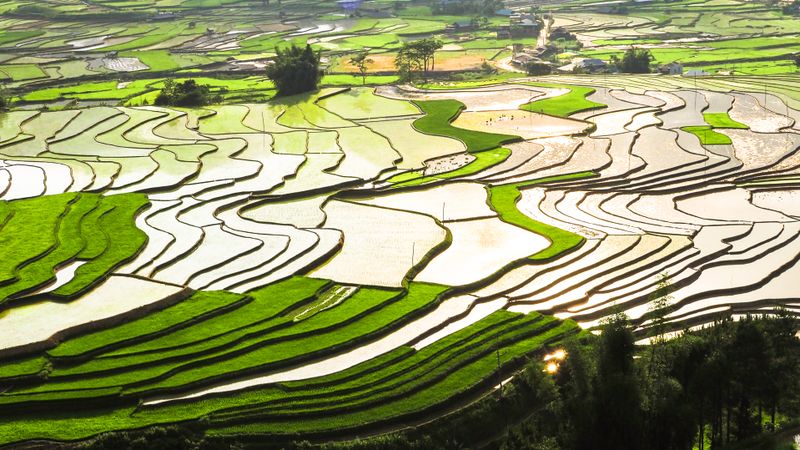
October - Golden Autumn in the North
Northern Vietnam:
- Temperature: 22-28°C
- Conditions: Cool, decreasing rain, perfect autumn weather
- Best for: Hanoi, Halong Bay, Ha Giang, Sapa (golden rice terraces)
- Highlight: Best month for northern Vietnam
Central Vietnam:
- Temperature: 23-30°C
- Conditions: Still rainy, flood risk in Hue/Hoi An
- Avoid: Central coast until late October
- Note: Weather improves toward month's end
Southern Vietnam:
- Temperature: 26-32°C
- Conditions: Rain decreasing, transitioning to dry season
- Best for: Ho Chi Minh City (improving conditions)
- Note: Late October good for Mekong Delta
Festivals: Buckwheat flower season in Ha Giang (late October)
Verdict: Excellent for northern Vietnam (arguably the best month). Central coast still risky. South is improving.
November - Ideal Weather Returns
Northern Vietnam:
- Temperature: 20-26°C
- Conditions: Crisp, clear, dry, perfect weather
- Best for: All northern destinations
- Highlight: Peak season begins, book ahead
Central Vietnam:
- Temperature: 22-28°C
- Conditions: Rainy season ending, improving rapidly
- Best for: Hoi An, Da Nang (late November better)
- Caution: Early November can still see heavy rain
Southern Vietnam:
- Temperature: 25-32°C
- Conditions: Dry season returns, excellent weather
- Best for: All southern destinations, beach season begins
- Note: Shoulder season pricing (great value)
Verdict: Weather improves dramatically across Vietnam. Excellent time for north and south. Central Vietnam improving but verify conditions.
December - Peak Season Arrives
Northern Vietnam:
- Temperature: 16-22°C (10-15°C in mountains)
- Conditions: Cool, dry, clear skies
- Best for: Hanoi, Halong Bay (bring warm clothes)
- Note: Can be quite cold, especially in mountains
Central Vietnam:
- Temperature: 20-25°C
- Conditions: Cool, mostly dry (occasional rain early month)
- Best for: Hoi An, Hue, Da Nang
- Highlight: Comfortable temperatures, less humidity
Southern Vietnam:
- Temperature: 25-32°C
- Conditions: Hot, sunny, perfect beach weather
- Best for: All destinations, peak season for beaches
- Warning: Book accommodation early for Christmas/New Year
Festivals: Christmas in Catholic regions (particularly Phu Quoc)
Verdict: One of the best months to visit Vietnam. Excellent weather in most regions. Peak tourist season means higher prices but optimal conditions.
Regional Best Times Summary
Northern Vietnam (Hanoi, Halong Bay, Sapa, Ha Giang)
Best Months: October, November, December (autumn and early winter)
- Crisp clear weather, comfortable temperatures
- Golden rice terraces in October
- Ideal for outdoor activities and trekking
Good Months: March, April, September
- Pleasant weather but less predictable
- March for spring blossoms
- September for end of Ha Giang season
Challenging Months: May to August (hot and humid with heavy rain), January-February (cold)
What to Expect:
- Oct-Dec: 18-26°C, dry, clear skies (best)
- Jan-Feb: 15-20°C, cold, foggy (bring layers)
- Mar-Apr: 20-28°C, pleasant, warming up
- May-Aug: 27-35°C, hot, rainy, humid
Central Vietnam (Hue, Hoi An, Da Nang, Nha Trang)
Best Months: February to August (dry season)
- Consistently sunny and dry
- Perfect beach weather
- Ideal for coastal activities
Peak Months: March, April, May
- Optimal balance of heat and sunshine
- Best ocean conditions
Challenging Months: September to January (rainy season, flood risk)
- Heavy rainfall, especially October-November
- Hue and Hoi An prone to flooding
What to Expect:
- Feb-May: 23-32°C, sunny, dry (excellent)
- Jun-Aug: 28-38°C, very hot, mostly dry
- Sep-Jan: 23-30°C, rainy, floods possible (avoid Oct-Nov)
Southern Vietnam (Ho Chi Minh City, Mekong Delta, Phu Quoc, Con Dao)
Best Months: November to April (dry season)
- Sunny, hot, low rainfall
- Perfect beach conditions
- Ideal for all activities
Peak Months: December to February
- Optimal weather with lower humidity
- Peak tourist season (book ahead)
Wet Season: May to October
- Daily afternoon showers (usually 1-2 hours)
- Lush green landscapes
- Lower prices, fewer tourists
What to Expect:
- Nov-Apr: 25-32°C, sunny, dry (best)
- May-Oct: 26-33°C, afternoon rain, humid
- Year-round: Warm temperatures (never cold)
Shoulder Season Strategies
March and November - The Sweet Spots
These transition months offer the best value and experience combination:
Advantages:
- Lower accommodation prices than peak season
- Fewer tourists at major attractions
- Generally good weather across multiple regions
- Easier to book last-minute
March Highlights:
- Northern Vietnam warming up (15-25°C)
- Central coast excellent (23-30°C)
- Southern Vietnam end of peak season (27-35°C)
- Spring blossoms in mountainous areas
November Highlights:
- Northern Vietnam perfect autumn (20-26°C)
- Central coast rainy season ending (22-28°C)
- Southern Vietnam dry season beginning (25-32°C)
- Lower prices before December rush
Avoiding Peak Season Crowds
Peak Season Periods:
- December to February: Highest tourist numbers
- Tet Holiday (Lunar New Year): Everything shuts down
- July-August: Domestic tourism peaks
Crowd-Avoidance Tips:
- Visit northern Vietnam in September (right after summer)
- Visit southern beaches in November (before Christmas rush)
- Visit central coast in late February/March (after Tet, before peak heat)
- Book accommodation in advance during shoulder season
- Visit popular sites early morning or late afternoon
Festival-Focused Travel Planning
Major Festivals and Best Times to Experience Them
Tet (Vietnamese Lunar New Year) - Late January/Early February
- Most important Vietnamese celebration
- Many businesses close for 5-7 days
- Family-focused holiday, streets become quiet
- Strategy: Either avoid completely or embrace it by staying 2 weeks (pre and post Tet)
- Best for: Cultural immersion, but expect limited services
Perfume Pagoda Festival - February to March
- Near Hanoi, millions of pilgrims
- Best in early March after Tet
- Crowded but culturally significant
Hue Festival - Every 2 years (even years), April/May
- Cultural performances, royal ceremonies
- Best weather for Hue (before rainy season)
- Book accommodation months ahead
Mid-Autumn Festival - September/October (15th day of 8th lunar month)
- Moon cakes, lanterns, especially beautiful in Hoi An
- Families celebrate, children's activities
- Good timing: coincides with improving weather in north
Tet Trung Thu (Children's Festival) - September
- Lantern processions in major cities
- Best experienced in Hanoi or Hoi An
Christmas and New Year - December
- Particularly celebrated in Catholic areas (Phu Quoc, Ho Chi Minh City)
- Peak tourist season, premium pricing
- Festive atmosphere in major cities
Planning Around Festivals
Book Early: Accommodation during Tet, Christmas, and Hue Festival fills months ahead
Expect Crowds: Major festivals mean tourist sites are busier but also more vibrant
Respect Customs: During Tet, many Vietnamese travel home - be patient with service delays
Join the Celebration: Festivals offer unique cultural insights worth planning around
Multi-Region Itinerary Planning
The Perfect 2-Week Vietnam Weather Strategy
Option 1: North to South (March-April or October-November)
- Days 1-5: Northern Vietnam (Hanoi, Halong Bay, possibly Sapa)
- Days 6-10: Central Vietnam (Hoi An, Hue, Da Nang)
- Days 11-14: Southern Vietnam (Ho Chi Minh City, Mekong Delta or Phu Quoc)
Option 2: South to North (December-January)
- Days 1-5: Southern beaches (Phu Quoc or Con Dao)
- Days 6-10: Central coast (Nha Trang, Hoi An)
- Days 11-14: Northern Vietnam (Hanoi, Halong Bay)
Option 3: Central Focus (February-May)
- Days 1-4: Hanoi and Halong Bay
- Days 5-11: Extended central coast (Hue, Hoi An, Da Nang, Nha Trang)
- Days 12-14: Ho Chi Minh City
Weather-Based Regional Pairing
November-April: North + South (skip rainy central Vietnam)
- Combine cool northern destinations with warm southern beaches
- Example: Hanoi → Halong Bay → Ho Chi Minh City → Phu Quoc
February-May: Central Coast Focus
- Maximize beach time during central Vietnam's dry season
- Example: Da Nang → Hoi An → Nha Trang → Mui Ne
September-November: Northern Highlights
- Focus on northern Vietnam during its golden season
- Example: Hanoi → Ha Giang → Sapa → Ninh Binh → Halong Bay
Rainy Season Strategy (June-October): Be Flexible
- Focus on cities and cultural sites
- Indoor activities (museums, cooking classes, markets)
- Embrace the rain (Mekong Delta is beautiful during floods)
- Have backup plans for outdoor activities
Weather Myths Debunked
Myth 1: "Don't Visit During Rainy Season"
Reality: Vietnam's "rainy season" rarely means all-day rain. In most regions, it's characterized by intense afternoon downpours lasting 1-2 hours, with sunny mornings.
Advantages of Wet Season:
- Significantly lower prices (30-50% off peak rates)
- Fewer tourists at major attractions
- Lush, green landscapes (better for photography)
- Cultural authenticity (experience life as locals do)
Best Wet Season Destinations:
- Ha Long Bay (dramatic cloudy skies)
- Mekong Delta (floating markets in flood season)
- Hanoi (museums, old quarter covered walkways)
Myth 2: "You Need Perfect Weather to Enjoy Vietnam"
Reality: Some of Vietnam's best experiences happen in non-ideal weather:
- Misty mornings in Sapa create ethereal landscapes
- Cloudy days in Hoi An make for comfortable cycling
- Rain in Ho Chi Minh City leads to empty temples and museums
Myth 3: "Northern Vietnam Is Too Cold in Winter"
Reality: While December-February sees cooler temperatures (15-20°C in Hanoi, 5-10°C in mountains), this creates unique experiences:
- Crisp, clear days perfect for photography
- Fewer tourists at popular sites
- Authentic winter experience rare in Southeast Asia
- Hot pot and street food taste better in cool weather
Solution: Pack layers and embrace the cooler climate as part of the adventure.
Myth 4: "Central Vietnam's Rainy Season Is Impossible to Visit"
Reality: September-January sees heavy rain and flood risk, particularly October-November, but:
- Early September and late December are manageable
- Nha Trang's weather differs from Hue/Hoi An (often drier)
- Indoor activities remain excellent (cooking classes, museums, markets)
Strategy: Avoid October-November specifically; other rainy season months are workable.
Packing for Vietnam's Varied Weather
Essential Items Year-Round
Regardless of season:
- Lightweight rain jacket or poncho
- Sunscreen (SPF 50+) and sunglasses
- Insect repellent (mosquitoes year-round)
- Modest clothing for temples (covered shoulders/knees)
- Comfortable walking shoes
- Reusable water bottle
- Power adapter (Type A, C, or G)
Seasonal Packing Variations
Cool Season (November-February in North):
- Light sweater or fleece jacket
- Long pants and long-sleeve shirts
- Closed-toe shoes
- Scarf (useful for temples and cool evenings)
- For Sapa/Ha Giang: Warm jacket, thermal layers, gloves
Hot Season (March-October):
- Light, breathable clothing (cotton, linen)
- Wide-brimmed hat
- Flip-flops and sandals
- Swim wear
- Lightweight long sleeves (sun protection)
Rainy Season (May-October North/South, September-January Central):
- Quick-dry clothing
- Waterproof bag for electronics
- Sandals that dry quickly
- Extra plastic bags for wet items
- Umbrella (easily bought locally)
Regional Packing Considerations
Northern Vietnam Mountains (especially November-February):
- Warm layers (can be near freezing)
- Waterproof hiking boots
- Warm hat and gloves
Central Vietnam Beaches (February-August):
- Beach gear and swimwear
- Reef-safe sunscreen
- Light cover-up for temples
Southern Vietnam (year-round warm):
- Minimal layers needed
- Focus on sun protection
- Light, breathable fabrics
Booking Strategy by Season
Peak Season Booking (November-March)
Book 2-3 Months Ahead:
- Accommodation in Hanoi, Hoi An, Phu Quoc
- Halong Bay cruises
- Popular restaurants in major cities
- International flights
Book 1 Month Ahead:
- Domestic flights (prices rise closer to dates)
- Train tickets (especially sleeper berths)
- Tours and activities
Expect Premium Prices:
- Accommodation: 50-100% higher than low season
- Tours: 20-30% markup
- Flights: Peak pricing, limited availability
Shoulder Season Booking (March, April, September, November)
Book 2-4 Weeks Ahead:
- Most accommodation
- Popular tours
- Domestic transportation
Benefits:
- More flexibility in travel plans
- Better negotiating power for accommodation
- 20-30% cheaper than peak season
- Can still book some things on arrival
Low Season Booking (May-October excluding September-November)
Can Book Last-Minute:
- Most accommodation negotiable on arrival
- Tours often have space
- Domestic flights have regular sales
Benefits:
- 30-50% cheaper than peak season
- Empty tourist sites
- Authentic local experience
- Flexible itinerary changes
Watch For:
- Some tours/accommodations close during low season
- Check if destinations are open before traveling
- Verify weather forecasts more frequently
Final Recommendations: Choosing Your Ideal Time
Best Overall Months to Visit Vietnam (All Regions)
- March - Warming weather, good conditions everywhere, shoulder season pricing
- November - Autumn beauty in north, dry season starting south, transitioning central
- April - Warm throughout, still dry in most regions, pre-summer conditions
- December - Peak season but excellent weather, worth the premium pricing
Best Months for Specific Travel Styles
Beach Lovers: December to April (southern beaches), February to July (central beaches)
Adventure Seekers: October to November (Ha Giang, Sapa trekking), March to April (diverse activities)
Cultural Immersion: September to October (fewer tourists, authentic experiences)
Budget Travelers: May to August (low season pricing), avoid Tet and December holidays
Photography Enthusiasts: October (golden rice terraces), February (clear skies), June-September (dramatic monsoon skies)
Cruise Enthusiasts: March to May (Halong Bay optimal conditions), November to February (cooler but clear)
Creating Your Perfect Vietnam Weather Calendar
Step 1: Decide your must-see regions
- North-focused: October-November or March-April
- Central-focused: February-May
- South-focused: November-April
- All regions: March or November
Step 2: Consider your weather tolerance
- Heat-sensitive: Avoid June-August
- Rain-averse: Follow dry seasons strictly
- Flexible: Consider shoulder seasons for value
Step 3: Factor in festivals and holidays
- Want to experience Tet? Plan for late January/February
- Prefer empty streets? Avoid Tet completely
- Love festivals? Plan around Hue Festival or Mid-Autumn Festival
Step 4: Balance weather with budget
- Peak season (Nov-Mar): Best weather, highest prices
- Shoulder season (Mar, Apr, Sep, Nov): Good compromise
- Low season (May-Aug): Great deals, manageable weather
Travel Memories and Keepsakes
Throughout your journey across Vietnam's diverse seasons and regions, you'll capture countless photos of golden autumn rice terraces, pristine beaches, bustling city streets, and serene mountain landscapes. These visual memories deserve to be more than just files on your phone. Many travelers discover Vietnam's custom photo printing services, where you can transform your favorite seasonal snapshots into personalized photo magnets - an affordable and practical way to keep your Vietnam adventure visible in your daily life. Whether it's the golden October harvest in Sapa, the sunny March beaches of Nha Trang, or the festive lanterns of Hoi An, turning these moments into tangible keepsakes helps preserve the magic of timing your trip perfectly with Vietnam's incredible seasonal diversity.
Weather Resources and Tools
Reliable Weather Forecasting
Before Your Trip:
- Weather.com: 14-day forecasts for major cities
- AccuWeather: Detailed hourly predictions
- Ventusky: Visual wind and rain patterns
- Local Vietnamese sites: More accurate for specific regions
During Your Trip:
- Local apps: Download Vietnamese weather apps (more accurate)
- Hotel staff: Ask for local weather insights
- Tour operators: They have the most current conditions information
Understanding Weather Forecasts
Temperature: Usually accurate Rain Probability: Take with grain of salt - "60% chance" might be brief shower Typhoon Warnings: Take very seriously - monitor official channels UV Index: Often underestimated - always use strong sun protection
Emergency Weather Contacts
- Vietnam Meteorological Agency: Updates on typhoons and severe weather
- Local tourism boards: Weather-related travel advisories
- Your hotel: Can provide local weather updates and advice
Conclusion: There's Always a Perfect Place to Visit
Vietnam's diverse geography means that poor weather in one region almost always coincides with excellent conditions somewhere else. The key to a perfect Vietnam trip isn't finding the "best" month to visit the entire country - it's understanding the regional variations and planning your route accordingly.
Key Takeaways:
- No bad time to visit - just different regions to prioritize
- Follow the dry seasons - they move across the country throughout the year
- Shoulder seasons (March, November) offer the best balance of weather and value
- Be flexible - weather is unpredictable; have backup plans
- Embrace imperfection - some of the best travel stories come from unexpected weather
- Pack smart - layers and rain gear serve you well year-round
- Book strategically - timing affects both price and availability
Whether you're standing atop a misty mountain pass in October, lounging on a sunny beach in March, or exploring ancient temples under September's dramatic monsoon skies, Vietnam offers unforgettable experiences in every season. Understanding the weather patterns empowers you to craft the perfect itinerary that aligns with your interests, budget, and travel style.
The best time to visit Vietnam isn't a single answer - it's the intersection of your preferences, the regions you want to explore, and the experiences you seek. Armed with this guide, you're ready to plan a trip that makes the most of Vietnam's remarkable seasonal diversity.
Safe travels, and may the weather gods smile upon your Vietnamese adventure!