

Preserve Your Vietnam Memories
Turn your travel photos into beautiful custom magnets
A unique service available throughout Vietnam - simply send your favorite travel shots and receive beautiful, high-quality magnets at budget-friendly prices. Perfect for sharing with friends or decorating your space with travel memories.
Contact us on:
Vietnam Train Journey Guide: Reunification Express and Scenic Routes
There's something magical about train travel in Vietnam. As the Reunification Express winds its way along the coast, past emerald rice paddies and through mountain tunnels, you're not just getting from point A to point B - you're experiencing the country's heartbeat. October, with its clear weather and comfortable temperatures, is one of the best times to embrace the slow travel movement and discover Vietnam from the rails.
Train travel in Vietnam offers what flights never can: the journey itself becomes the destination. You'll watch fishermen casting nets at dawn, pass through villages where water buffalo graze beside the tracks, share meals with local families, and witness the famous Hai Van Pass from perspectives that have captivated travelers for decades. With new improved sleeper cars on the Reunification Express and growing social media fame for scenic routes, Vietnam's railways are experiencing a renaissance.
This comprehensive guide covers everything you need to know about train travel in Vietnam, from booking your first ticket to capturing that perfect shot as you cross the country's most photogenic passes.
Why Choose Train Travel in Vietnam
The Ultimate Slow Travel Experience
- Journey through countryside inaccessible by road
- Meet locals in a relaxed, unhurried setting
- Watch Vietnam's landscapes unfold at a human pace
- Experience authentic Vietnamese life between cities
Budget-Friendly Adventure
- Often cheaper than flights, especially for families
- Save on accommodation with overnight trains
- No luggage fees or weight restrictions
- Food and drinks available at local prices
Environmental Choice
- Significantly lower carbon footprint than flying
- Support sustainable tourism infrastructure
- Reduce congestion on Vietnam's roads
- Join the growing slow travel movement
Photographic Paradise
- Hai Van Pass coastal views (social media famous)
- Mountain passes through northern highlands
- Coastal routes at sunrise and sunset
- Authentic train life documentation
Family-Friendly Option
- Space to move around (unlike buses)
- Bathroom facilities onboard
- Children can walk, play, and socialize
- Overnight journeys mean kids sleep through travel time
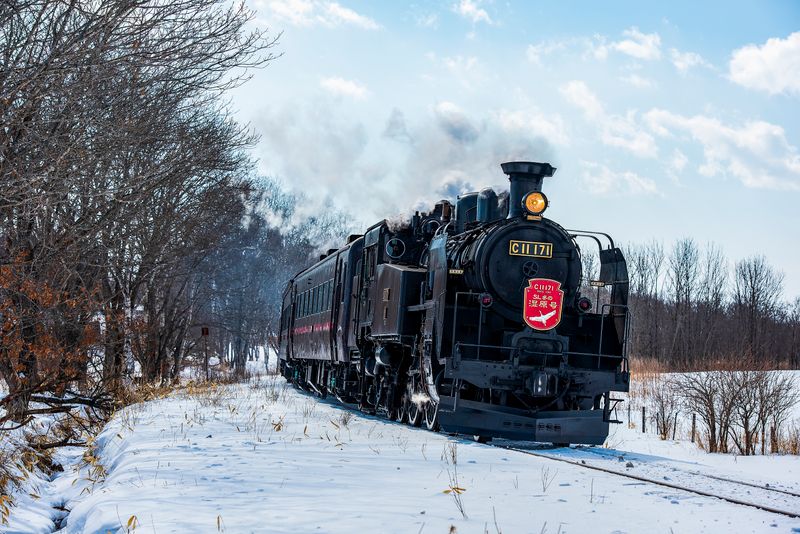
The Reunification Express: Complete Guide
The Reunification Express (officially called the North-South Railway) is Vietnam's most iconic train journey, connecting Hanoi in the north to Ho Chi Minh City in the south across 1,726 kilometers. Don't be confused by the name - "Reunification Express" is the collective term for multiple train services (SE1, SE3, SE5, SE7, etc.) that ply this historic route.
Route Overview
Full Journey Details:
- Distance: 1,726 kilometers (1,072 miles)
- Duration: 30-36 hours depending on train service
- Stations: 20 major stops
- Passes through: 5 provinces, coastal routes, mountain passes
- Best sections: Hue to Da Nang (Hai Van Pass), Nha Trang coastal stretch
Major Stops Along the Route:
- Hanoi (start/end point) - Capital city, Old Quarter
- Ninh Binh - Gateway to Tam Coc landscapes
- Vinh - Central stop, Ho Chi Minh birthplace
- Dong Hoi - Phong Nha caves access
- Hue - Imperial city, ancient capital
- Da Nang - Beach city, Hai Van Pass endpoint
- Tam Ky - Agricultural heartland
- Quang Ngai - Historic site, My Lai memorial
- Quy Nhon - Coastal town, emerging destination
- Tuy Hoa - Beach stop
- Nha Trang - Premier beach destination
- Thap Cham - Junction town
- Phan Thiet - Mui Ne beaches access
- Bien Hoa - Industrial city near HCMC
- Ho Chi Minh City (Saigon) - End/start point
Best Scenic Sections to Book
You don't need to ride the entire route to experience Vietnam's train magic. These segments offer the best bang for your buck:
1. Hue to Da Nang (2.5-3 hours) - THE MUST-DO
- Why: Crosses the legendary Hai Van Pass
- Scenery: Coastal views, mountains meeting ocean, tunnels, Lang Co Bay
- Cost: $5-8 depending on class
- Best time: Morning trains (6am-9am) for best light
- Social media famous: This is the route everyone photographs
- Pro tip: Sit on the right side (facing Da Nang) for ocean views
2. Nha Trang to Quy Nhon (4-5 hours)
- Why: Stunning coastal railway, less crowded than Hai Van
- Scenery: Beaches, fishing villages, rice paddies meeting sea
- Cost: $7-12
- Best time: Afternoon for sunset views
- Hidden gem: Less touristy but equally beautiful
3. Hanoi to Ninh Binh (2-2.5 hours)
- Why: Gateway to Tam Coc limestone landscapes
- Scenery: Red River Delta, karst mountains, rural villages
- Cost: $4-6
- Best time: Morning or late afternoon
- Convenience: Short journey, easy day trip
4. Hanoi to Lao Cai (Overnight, 8 hours)
- Why: Access to Sapa trekking region
- Scenery: Northern highlands, terraced fields (daytime portions)
- Cost: $20-50 depending on cabin class
- Best time: Evening departure, morning arrival
- Special: Improved sleeper services for Sapa tourism
5. Full Journey: Hanoi to HCMC or Vice Versa (30-36 hours)
- Why: Ultimate Vietnamese train experience
- Scenery: Everything - coast, mountains, cities, countryside
- Cost: $50-120 depending on stops and class
- Best approach: Break it into segments over several days
- Epic adventure: For train enthusiasts and slow travelers
Train Services Explained
The Reunification Express isn't one train but multiple daily services with different speeds and stops:
Fast Trains (SE1, SE2, SE3, SE4)
- Fewer stops (major cities only)
- 30-33 hours Hanoi to HCMC
- More expensive but better maintained
- Best for long-distance travel
- Air-conditioned, newer rolling stock
Slower Trains (SE5, SE6, SE7, SE8)
- More stops (local stations)
- 33-36 hours Hanoi to HCMC
- Cheaper but older trains
- Better for experiencing local life
- Still comfortable for most travelers
Special Services
- TN1, TN2: Hanoi to Lao Cai (Sapa route)
- SNT1, SNT2: Private tourist trains to Sapa (premium)
- Local trains: Regional services between cities
Reading Train Numbers:
- Odd numbers: North to South direction
- Even numbers: South to North direction
- Lower numbers: Faster services
- Higher numbers: More stops, slower
Ticket Classes: Complete Comparison
Vietnam Railways offers six main ticket classes, from basic hard seats to premium soft sleepers. Here's what each offers:
Hard Seat (Ngồi Cứng)
What You Get:
- Basic bench seats (3 seats per row)
- No air conditioning (fans and open windows)
- Upright seating only
- Shared space with locals
Best For:
- Short daytime journeys (under 4 hours)
- Budget backpackers
- Authentic local experience
- Flexible travelers who don't mind crowds
Price Range: $3-10 depending on distance Comfort Level: 2/5 Cultural Immersion: 5/5
Tips:
- Bring cushion for longer journeys
- Window seats are worth the squeeze
- Great for people watching
- Vendors walk through selling food
Soft Seat (Ngồi Mềm)
What You Get:
- Padded seats (2 seats per row)
- Air conditioning
- More legroom than hard seat
- Cleaner, quieter carriages
Best For:
- Daytime journeys up to 8 hours
- Travelers wanting comfort without beds
- Families with children
- Working on laptops during journey
Price Range: $6-15 depending on distance Comfort Level: 3.5/5 Value for Money: 4/5
Tips:
- Excellent for Hai Van Pass route
- Brings light sweater (AC can be cold)
- Seats recline slightly
- Good compromise between budget and comfort
Hard Sleeper (Nằm Cứng) - 6 Berth
What You Get:
- 6 berths per compartment (3 levels each side)
- Thin mattresses and pillows provided
- Shared compartment (mixed gender usually)
- Small ladder to upper bunks
- Basic fan or weak AC
Best For:
- Overnight journeys on tight budget
- Solo travelers meeting others
- Backpacker atmosphere
- Shorter overnight trips (under 12 hours)
Price Range: $15-30 depending on distance Comfort Level: 2.5/5 Social Experience: 5/5
Tips:
- Lower bunks easiest access but more traffic
- Middle bunks best balance
- Upper bunks most privacy but cramped
- Lock valuables while sleeping
Soft Sleeper (Nằm Mềm) - 4 Berth
What You Get:
- 4 berths per compartment (2 levels each side)
- Thicker mattresses, pillows, blankets
- Air conditioning
- Door with lock
- Small table, reading lights
- Slightly more space
Best For:
- Long overnight journeys (12+ hours)
- Couples or small groups
- Travelers valuing comfort and privacy
- Full Reunification Express journey
Price Range: $25-50 depending on distance Comfort Level: 4/5 Best Value: 5/5
Tips:
- Book early to secure all 4 berths for privacy
- Lower bunks have more headroom
- Can sit comfortably during day
- Safest option for valuables
Deluxe Soft Sleeper (Nằm Mềm VIP) - 2 Berth
What You Get:
- Only 2 berths per compartment
- Premium mattresses and bedding
- Stronger air conditioning
- Private door with lock
- Sometimes en-suite bathroom
- Power outlets, better lighting
Best For:
- Couples wanting privacy
- Premium comfort seekers
- Honeymoon travel
- Claustrophobia concerns
Price Range: $40-80 depending on distance Comfort Level: 4.5/5 Privacy: 5/5
Tips:
- Still cheaper than flights
- Book entire cabin for solo luxury
- Best maintained carriages
- Similar to budget hotel room
VIP Cabin - Premium Services
Special Premium Options:
- Livitrans Express: Luxury sleeper Hanoi-HCMC
- Sapaly Express: Premium Hanoi-Sapa route
- Orient Express-style: Boutique tourist trains
What You Get:
- Hotel-quality bedding
- Private cabins with ensuite bathrooms
- Restaurant car with gourmet meals
- Lounge areas
- Premium service throughout
Price Range: $100-300+ Comfort Level: 5/5 Experience: Luxury train travel
Tips:
- Book well in advance (limited availability)
- Worth it for special occasions
- Includes meals and snacks
- Comparable to good hotel
How to Book Train Tickets
Booking train tickets in Vietnam has become significantly easier, though it still has quirks. Here are all your options:
Online Booking Platforms
Official Vietnam Railways (dsvn.vn)
- Direct from the source
- Most accurate availability
- Lowest prices (no markup)
- English interface available
- Downside: Can be glitchy, requires Vietnamese phone number
- Best for: Those comfortable with occasional website issues
Baolau.com
- Most user-friendly for foreigners
- Multiple transport options (trains, buses, flights)
- English interface, international payment
- Customer support available
- Markup: Small fee (usually $1-2)
- Best for: First-time visitors, advance planning
12Go.asia
- Easy comparison of all transport
- Clear pricing and schedules
- Reliable booking system
- Good mobile app
- Markup: $2-5 depending on journey
- Best for: Travelers booking multiple segments
Bookaway.com
- Simple interface
- Instant confirmation
- Accepts international cards
- Markup: $2-3 per ticket
- Best for: Last-minute bookings
Booking at Train Stations
Major Stations with English Service:
- Hanoi Station (Ga Hà Nội)
- Ho Chi Minh City Station (Ga Sài Gòn)
- Da Nang Station
- Nha Trang Station
Advantages:
- No booking fees
- Can see train cars before choosing
- Get advice from staff
- Same-day travel possible
- Pay in Vietnamese Dong (better rate)
Process:
- Go to ticket window (counter with English sign)
- Show your destination and date (written is helpful)
- Choose class and train number
- Pay (cash preferred, some accept cards)
- Receive paper ticket
- Show at platform gate and to conductor
Tips:
- Arrive 30-60 minutes early
- Bring passport (required for tickets)
- Peak times (7-9am, 5-7pm) have long queues
- Weekends and holidays book up fast
Travel Agencies and Hotels
Pros:
- Convenient (often deliver tickets to hotel)
- Can book complex itineraries
- Advice on best routes and times
- Handle any issues
- Small markup ($3-5) for the service
Where to Book:
- Your hotel front desk
- Tourist areas (Hanoi Old Quarter, Ho Chi Minh District 1)
- Reputable travel agencies
- Hostel tour desks
Tips:
- Book at least 48 hours ahead
- Verify agency is official reseller
- Get written confirmation
- Check ticket carefully when received
Booking Timeline
Peak Season (October-March):
- Book 2-4 weeks ahead for sleeper classes
- Popular routes (Hue-Da Nang, Hanoi-Lao Cai) fill quickly
- Weekends and holidays book months ahead
- Soft sleepers go fastest
Shoulder Season (April-May, September):
- 1-2 weeks ahead sufficient
- Some flexibility in cabin choice
- Can often book few days before
Low Season (June-August):
- Can book last-minute (even same day)
- Best availability and sometimes discounts
- Walk-up tickets usually available
Special Considerations:
- Tet Holiday: Book 2-3 months ahead (if traveling)
- Vietnamese holidays: Book 3-4 weeks ahead
- Hai Van Pass route: Always book ahead (tourist favorite)

Best Scenic Sections in Detail
Hai Van Pass: The Crown Jewel
The Hai Van Pass route between Hue and Da Nang is Vietnam's most famous train journey, and for good reason. This 3-hour stretch offers everything that makes Vietnamese train travel special.
What Makes It Special:
- Ocean views: Track runs along coast with beaches below
- Mountain drama: Pass through tunnels carved through mountains
- Lang Co Bay: Stunning lagoon views midway
- Historical significance: Pass was major military point
- Perfect length: Not too long, packed with scenery
The Journey:
- Start: Hue Station
- Duration: 2.5-3 hours
- Distance: 105 kilometers
- Best trains: Morning departures (6am-9am)
- Price: $5-12 depending on class
Photography Tips:
- Sit on right side heading to Da Nang (left from HCMC)
- Window seats essential
- Best light: Morning (7-10am)
- Bring lens cloth (windows can be dirty)
- Be ready before Lang Co Bay
What You'll See:
- Leaving Hue: Perfume River, rice paddies
- Early section: Rural villages, water buffalo
- Lang Co Bay: Stunning lagoon, fishing boats
- Hai Van Pass: Tunnels, mountain views, ocean below
- Approaching Da Nang: Coastal development, beaches
- Arrival: Da Nang River, city skyline
Practical Tips:
- Book window seat in advance
- Soft seat class recommended (comfort + views)
- Bring snacks (limited food service)
- Keep camera ready entire journey
- Can break journey at Lang Co Station for beach stop
Coastal Routes: Beyond Hai Van
Nha Trang to Quy Nhon Section
- Equally beautiful, far fewer tourists
- Pristine beaches, fishing villages
- Rice paddies meeting ocean
- 4-5 hours of coastal views
- Best: Afternoon trains for golden hour
Quang Ngai to Quy Nhon
- Less developed coastline
- Traditional Vietnamese fishing life
- Mountains backdrop to beaches
- 2-3 hours of scenic travel
HCMC to Phan Thiet
- Access to Mui Ne beaches
- Coastal dunes visible from train
- Fishing villages and salt fields
- 3-4 hours, good day trip option
Northern Highland Routes
Hanoi to Lao Cai (Sapa)
- Overnight journey through highlands
- Daytime portions show terraced fields
- Red River valley early morning
- Mountains loom as you climb
- October best for golden rice terraces
What to Expect:
- 8 hours total (evening to early morning)
- Sleep through middle section
- Watch departure from Hanoi (evening cityscape)
- Wake early for mountain views approaching Lao Cai
- Mist and clouds common (atmospheric)
Best Experience:
- Book soft sleeper 4-berth minimum
- Upper bunk for dawn mountain views
- Bring warm clothes (mountains cold)
- October-November best for terrace photography
Overnight Train Tips
Overnight trains are a rite of passage for Vietnam travel. They save a night's accommodation, maximize daylight hours at destinations, and create memorable experiences. Here's how to make the most of them:
Safety and Security
Keeping Your Belongings Safe:
- Use luggage locks on bags
- Keep valuables in money belt or hidden pocket
- Lock cabin door from inside (soft sleeper)
- Take valuables to bathroom with you
- Don't leave phone charging unattended
- Upper bunks harder for theft (but less convenient)
Personal Safety:
- Trains very safe overall
- Conductor patrols regularly
- Emergency communication cords available
- Doors between cars lock at night
- Women traveling solo generally safe
- Solo travelers often share with families
Health Considerations:
- Keep hand sanitizer handy
- Bring toilet paper (bathrooms run out)
- Water bottle essential
- Motion sickness meds if prone
- Earplugs for light sleepers
- Eye mask for early dawn light
Comfort Items to Bring
Essential Comfort:
- Small towel or sarong (multi-purpose)
- Flip-flops for bathroom trips
- Sweater or light jacket (AC can be cold)
- Earplugs (train noise, snoring cabinmates)
- Eye mask (lights stay on in corridors)
- Phone charger (some outlets available)
- Wet wipes for freshening up
Nice to Have:
- Small pillow (provided pillows basic)
- Sleeping bag liner (if hygiene concerned)
- Reading light (battery operated)
- Entertainment (book, downloaded shows)
- Playing cards (socializing with cabinmates)
- Vietnamese phrasebook (making friends)
Food and Snacks:
- Bring own water (cheaper than onboard)
- Snacks for breakfast (limited morning options)
- Cup noodles (hot water available)
- Fresh fruit (markets near stations)
- Crackers, nuts for nibbling
- Coffee sachets if early riser
What to Expect
Evening Routine:
- Board 15 minutes before departure
- Find your berth, stow luggage
- Meet cabinmates, establish friendly rapport
- Watch departure from window or corridor
- Conductor checks tickets (keep handy)
- Settle in, claim your space
Night Routine:
- Lights dim around 10pm
- Quiet hours begin
- Use bathroom before bed (gets busy)
- Lock door (soft sleeper) or secure valuables
- Earplugs in, eye mask on
- Embrace the rhythm of the rails
Morning Routine:
- Lights on around 6am
- Bathroom queue starts early
- Fold bedding (courtesy)
- Pack belongings before arrival
- Watch sunrise through windows
- Prepare for station arrival
Train Etiquette:
- Respect quiet hours
- Keep belongings in your space
- Shoes off in sleeping berths
- Don't monopolize table
- Offer to share snacks
- Learn basic Vietnamese greetings
Station Facilities Guide
Understanding what to expect at major train stations helps reduce travel stress:
Hanoi Station (Ga Hà Nội)
Facilities:
- Multiple ticket counters (some English)
- Waiting areas (free and paid)
- Clean bathrooms (small fee)
- Food stalls and cafes
- ATMs and money exchange
- Left luggage service
- Tourist information desk
Location: Western edge of Old Quarter (walking distance) Getting There: Taxi, Grab, walking from center Tips:
- Arrive 45 minutes early for long-distance trains
- Paid waiting area worth it for comfort
- Street food vendors outside excellent
- Coffee shops for early morning departures
Ho Chi Minh City Station (Ga Sài Gòn)
Facilities:
- Large ticket hall with AC
- English-speaking staff
- Restaurant and cafes
- Clean bathrooms
- ATMs
- Left luggage
- Tourist services
Location: District 3, near city center Getting There: Taxi, Grab, local bus Tips:
- Busier than Hanoi station
- Allow 1 hour before departures
- Good pho stands outside
- Secure area for waiting
Hue Station
Facilities:
- Basic but clean
- English ticket service
- Small cafe
- Bathrooms
- Limited seating
Location: Southwest of city center Getting There: Taxi, Grab (10-15 minutes from center) Tips:
- Small station, rarely crowded
- Buy snacks before arriving
- Quick and easy process
Da Nang Station
Facilities:
- Modern and clean
- English speakers available
- Air-conditioned waiting
- Food and drinks
- Bathrooms
- Left luggage
Location: Central Da Nang, near river Getting There: Taxi, Grab from anywhere in city Tips:
- Popular for Hai Van Pass route
- Can get busy mornings
- Good coffee shop inside
Nha Trang Station
Facilities:
- Well-maintained
- Tourist-friendly
- Multiple food options
- Clean bathrooms
- Waiting areas
Location: West of beach area Getting There: Taxi, Grab (15-20 minutes from beach) Tips:
- Book Hai Van Pass tickets here
- Arrive early in high season
Food on Vietnamese Trains
Train food is an adventure in itself, ranging from basic instant noodles to delicious local dishes brought aboard by vendors.
Onboard Food Services
Dining Car (Select Trains):
- Available on fast trains (SE1-SE4)
- Vietnamese dishes: rice plates, noodles, spring rolls
- Western options: Sandwiches, fried rice
- Prices: $3-7 per meal
- Quality: Decent but not amazing
- Open: Breakfast, lunch, dinner hours
Food Cart Service:
- Moves through carriages
- Packaged snacks, instant noodles
- Canned drinks, beer
- Prices: Marked up 50-100% from normal
- Convenience: Worth it for basics
What's Typically Available:
- Instant noodles (cup noodles, various flavors)
- Bánh mì sandwiches (some trains)
- Packaged cookies and crackers
- Fruits (sometimes fresh)
- Soft drinks and water
- Vietnamese coffee (instant)
- Beer (333, Saigon, Tiger)
Bringing Your Own Food
Highly Recommended: Most travelers bring their own food for better quality and prices.
What to Bring:
For Day Journeys:
- Bánh mì from local shop ($1-2, delicious)
- Fresh fruit from market
- Vietnamese pastries (bakeries near stations)
- Bottled water (buy before boarding)
- Snacks: nuts, crackers, candy
For Overnight Journeys:
- Dinner: Fried rice box, spring rolls
- Breakfast items: Bread, jam, fruit
- Cup noodles (hot water available on train)
- Coffee sachets (Vietnamese or instant)
- Multiple water bottles
- Snacks for late night
Best Pre-Train Food Spots:
- Markets near stations (fresh, cheap)
- Bánh mì carts (ubiquitous)
- Com tam (broken rice) stands
- Bakeries for pastries
- Convenience stores for packaged goods
How to Pack:
- Reusable bags for waste
- Wet wipes for hands
- Napkins (bring extra)
- Small cutting knife (in checked bag only)
- Reusable utensils
The Vendor Experience
One of the most authentic train experiences is buying from vendors who board at stations.
What Vendors Sell:
- Fresh fruit: Rambutans, mangosteens, dragon fruit
- Local specialties from each region
- Grilled meats on sticks
- Sticky rice wrapped in banana leaves
- Boiled eggs
- Fresh spring rolls
- Local sweets and desserts
How It Works:
- Vendors board at major stops
- Walk through carriages calling out their wares
- Exit at next stop or stay for several stations
- Prices negotiable (not fixed)
- Cash only, small bills
Vendor Buying Tips:
- Point and use hand gestures for quantities
- Have small bills ready (20k, 50k notes)
- Vendors are honest (rarely overcharge foreigners)
- Some English or gesture communication works
- Food is usually fresh and safe
- Best deals at smaller stations
Regional Specialties by Section:
- Northern trains: Sticky rice, mountain fruits
- Central trains: Seafood, local cakes
- Southern trains: Tropical fruits, rice cakes
- Coastal sections: Fresh fish, dried squid

Alternative Train Routes
Beyond the famous Reunification Express, several other train routes offer unique experiences:
Hanoi to Lao Cai (Sapa Route)
The Journey:
- Distance: 296 kilometers
- Duration: 8-9 hours (overnight)
- Departure: Evening (9pm-10pm typically)
- Arrival: Early morning (5am-6am)
- Purpose: Access to Sapa trekking region
Train Options:
Standard Trains (SP1, SP3, SP7, etc.):
- Vietnam Railways operated
- 4 and 6 berth sleepers available
- Basic but adequate
- Cheapest option: $20-35
Premium Tourist Trains:
- Sapaly Express: Boutique cabins, ensuite bathrooms
- Fanxipan Express: Mid-range comfort
- Victoria Express: Luxury for Victoria Hotel guests
- Chapa Express: Budget-friendly tourist service
- Prices: $35-120 depending on class
What to Expect:
- Evening: Urban Hanoi giving way to countryside
- Night: Sleep through Red River Delta
- Dawn: Wake to mountain views
- Arrival: Cool mountain air of Lao Cai
- Transfer: Bus or taxi to Sapa (1 hour, $10-15)
Best Time:
- September-November: Golden rice terraces, perfect weather
- December-February: Cold but clear, possible frost
- March-May: Spring blooms, warming weather
- Avoid: June-August (heavy rain, leeches)
Booking Tips:
- Premium trains book weeks ahead
- Standard trains usually available last-minute
- Return journey often forgotten - book both ways
- Consider night in Lao Cai town before Sapa
New Routes and Development
Hanoi to Dong Dang (Chinese Border):
- International connection to China
- Scenic northern border landscapes
- 3-4 hours from Hanoi
- Day trip possibility
Hanoi to Hai Phong:
- Gateway to Cat Ba Island
- 2-3 hours
- Coastal city destination
- Cheaper than bus, more reliable
Ho Chi Minh City to Phan Thiet:
- Access to Mui Ne beaches
- 3-4 hours
- Growing tourist route
- Alternative to crowded buses
Da Nang to Hue:
- Reverse Hai Van Pass route
- Same scenery, different perspective
- Quick 2-3 hour journey
- Easy day trip option
Future Developments:
- High-speed rail discussed (Hanoi-HCMC)
- Station upgrades ongoing
- New tourist train services launching
- Improved sleeper cars rolling out
Cost Comparison: Trains vs. Other Transport
Understanding how train travel compares financially helps you make informed choices:
Hanoi to Ho Chi Minh City
Flight:
- Price: $40-150 (varies widely with timing)
- Duration: 2 hours flight time
- Total time: 4-5 hours including airport travel
- Best for: Time-constrained travelers
- Luggage: Fees for checked bags
Bus:
- Price: $35-60 (sleeper bus)
- Duration: 36-40 hours
- Best for: Extreme budget travelers
- Comfort: Cramped, less safe
- Stops: Frequent, irregular
Train:
- Price: $50-120 depending on class
- Duration: 30-36 hours
- Best for: Experience seekers, slow travelers
- Comfort: Sleepers save accommodation cost
- Bonus: Scenic route, cultural experience
Value Analysis:
- Train soft sleeper ($60) + saved hotel night ($20) = $40 net cost
- Equivalent to budget flight but with journey experience
- Best value for those with time
Hue to Da Nang (Hai Van Pass)
Private Car/Taxi:
- Price: $40-80 for car
- Duration: 3 hours via tunnel
- Best for: Families, groups of 3-4
- Scenic: Can stop for photos
- Control: Your schedule
Tourist Bus:
- Price: $8-15 per person
- Duration: 3-4 hours via pass road
- Best for: Budget travelers
- Stops: Photo stops included
- Social: Meet other travelers
Train:
- Price: $5-12 per person
- Duration: 2.5-3 hours
- Best for: Solo travelers, couples
- Scenic: Coastal railway views
- Authentic: Local experience
Value Winner: Train offers best views per dollar
Hanoi to Sapa
Tourist Bus:
- Price: $10-20 one way
- Duration: 5-6 hours
- Best for: Direct to Sapa
- Comfort: Varies widely
- Schedule: Multiple daily
Private Car:
- Price: $80-120
- Duration: 5 hours
- Best for: Groups, families
- Comfort: Best control
- Flexibility: Maximum
Sleeper Train:
- Price: $20-50 (standard to premium)
- Duration: 8 hours + transfer
- Best for: Overnight travelers
- Bonus: Save hotel night
- Experience: Most atmospheric
Value Analysis:
- Train ($35) vs bus ($15) + hotel ($20)
- Train same total cost but more memorable
- Plus: Arrive rested, not carsick
Family Travel Comparison
Family of 4: Hanoi to Nha Trang
Flight: $160-400 total
- Quickest option
- Luggage fees add up
- Kids under 2 cheaper
Train (Soft Sleeper 4-berth): $120-160 total
- Private compartment
- Save one hotel night ($40-60)
- Kids love train travel
- Meals included (own food)
Net Value: Train similar cost to flight but includes accommodation savings and experience value
Meeting Locals: Cultural Experiences on Trains
One of the greatest joys of Vietnamese train travel is the people you meet. Unlike buses or flights, trains create a shared social space where barriers naturally dissolve.
What to Expect
Vietnamese Hospitality:
- Locals often share food with foreigners
- Curious about where you're from and where you're going
- Happy to practice English
- Protective if you're traveling solo
- Families especially friendly
Typical Conversations:
- "Where are you from?"
- "Is this your first time in Vietnam?"
- "Do you like Vietnamese food?"
- "Are you traveling alone?"
- Exchanging travel tips and recommendations
Making Connections
Opening Gambits:
- Offer snacks you brought
- Ask about local specialties at upcoming stops
- Show photos of your travels in Vietnam
- Let children be icebreakers (if comfortable)
- Learn basic Vietnamese phrases
Useful Vietnamese for Train Travel:
- "Xin chào" (Hello)
- "Cảm ơn" (Thank you)
- "Ngon quá!" (Delicious!)
- "Đẹp lắm!" (Very beautiful!)
- "Tôi không hiểu" (I don't understand)
- "Giúp tôi được không?" (Can you help me?)
Sharing Space Respectfully
Cultural Considerations:
- Remove shoes in sleeping berths
- Keep noise down after 10pm
- Don't take up more than your share of space
- Offer to help with luggage (older travelers, families)
- Accept food offers graciously (can reciprocate)
- Respect personal space in close quarters
Sleeper Etiquette:
- Discuss light/temperature preferences
- Take turns at table space
- Alert cabinmates before opening/closing door
- Keep belongings organized
- Quiet conversations after 10pm
Learning Opportunities
What You'll Learn:
- How Vietnamese families travel together
- Regional differences in customs and food
- Local travel tips you won't find in guidebooks
- Current events and Vietnamese perspectives
- Hidden destinations loved by locals
- Realistic costs and how to avoid tourist prices
Food Sharing Culture: Vietnamese culture emphasizes community eating. If cabinmates offer food:
- Accept graciously (refusing can offend)
- Try everything offered
- Reciprocate if you have snacks to share
- Compliment the food ("Ngon!")
- Ask about ingredients if curious
Teaching English: Many Vietnamese love practicing English. You might:
- Help students with pronunciation
- Discuss English learning resources
- Exchange social media contacts
- Gain local friends for future visits
- Learn Vietnamese in return
Safety Note
Meeting locals is generally safe and enriching. Common sense applies:
- Keep valuables secure while socializing
- Don't leave luggage unattended
- Be cautious about detailed travel plans
- Trust your instincts
- Solo female travelers: Vietnamese families protective
Photography Guide: Capturing Train Journeys
Vietnam's trains offer endless photography opportunities. Here's how to capture them:
Essential Shots
The Train Itself:
- Exterior at stations (classic locomotive shots)
- Train numbers and signage
- Carriages stretching along platform
- Conductors and railway staff
- Other passengers boarding
Journey Shots:
- Window views of passing landscapes
- Fellow passengers (ask permission)
- Food vendors moving through cars
- Your sleeping berth/seat
- Sunset/sunrise through windows
- Station stops along the way
Hai Van Pass Essentials:
- Lang Co Bay from train
- Ocean views through windows
- Tunnels (contrast of dark/light)
- Mountains meeting sea
- Railway tracks curving along coast
- Other passengers reacting to views
Cultural Moments:
- Families sharing meals
- Vendors selling at stations
- Kids waving at trains
- Station signs (in Vietnamese)
- Train tickets and memorabilia
- Your own journey selfies
Technical Tips
Camera Settings:
- High shutter speed for moving scenery (1/500s+)
- Lower ISO if possible (train vibration issues)
- Continuous shooting mode for landscapes
- Portrait mode for people shots
- Clean window glass before starting
Window Challenges:
- Shoot perpendicular to windows (avoid reflection)
- Use lens hood
- Shoot through open windows when possible
- Clean glass with cloth (bring one)
- Avoid flash (creates reflections)
Best Times:
- Golden hour: 6-8am, 4-6pm
- Avoid harsh midday light
- Dawn: Atmospheric mist and soft light
- Dusk: Silhouettes and dramatic skies
- Stations: Early morning, late afternoon
Composition Tips:
- Frame landscapes through windows
- Include train elements (curtains, seats) in shots
- Leading lines of railway tracks
- Rule of thirds for landscapes
- Portrait shots with background blur
Social Media-Worthy Shots
Instagram Favorites:
- You at train window, landscape behind
- Coffee cup with view
- Train ticket with destination visible
- Time-lapse of landscapes flowing by
- Platform signs in Vietnamese
- Sunset/sunrise sequences
- Food shots with train background
Video Opportunities:
- Time-lapse through Hai Van Pass
- Vendor interactions
- Train departure from station
- Sunrise waking up on sleeper
- Full journey montage
- Platform atmosphere
Drone Considerations:
- Generally not allowed on trains
- Can capture train from outside at stations
- Some stations forbid drone use
- Best: Aerial shots of train in landscape (when stopped)
Respecting Privacy
Photography Ethics:
- Always ask before photographing people close-up
- Gesture to camera and smile (universal permission ask)
- Kids: Ask parents first
- Vendors: Usually happy to be photographed
- Fellow tourists: Generally okay with inclusion
- Delete if someone seems uncomfortable
Practical Travel Tips
Bathroom Facilities
What to Expect:
- Squat toilets on most trains
- Western toilets on premium services
- Toilet paper runs out (bring your own)
- Sink for washing hands
- Small, cramped space
- Lock may be temperamental
Tips:
- Use bathroom before bedtime rush
- Bring own toilet paper and wet wipes
- Hand sanitizer essential
- Avoid peak times (early morning, after meals)
- Flip-flops recommended
- Keep it quick during crowded times
When Not to Use:
- During station stops (locks automatically)
- When train is stationary anywhere
- Wait for train to be moving
Power and Connectivity
Charging:
- Limited power outlets (varies by carriage)
- Soft sleeper: Usually 1-2 outlets per cabin
- Hard sleeper: Rare
- Seats: Sometimes available near windows
- Bring power bank for backup
- Share outlets respectfully
WiFi:
- Not available on trains
- Some premium services have WiFi
- Buy local SIM at station before travel
- Data works along most of route
- Mountains/rural areas: Signal drops
Entertainment:
- Download content before journey
- Books, podcasts, movies offline
- Playing cards for socializing
- Photography of landscapes
- People watching
- Journaling
Luggage Management
What You Can Bring:
- No strict size limits (unlike flights)
- Large backpacks fine
- Suitcases manageable
- Bicycles possible (some trains)
- Surfboards seen occasionally
Storage:
- Under seats: Small bags
- Overhead racks: Medium bags
- End of carriage: Large luggage
- Under lower bunks: Suitcases
- Keep valuables with you
Tips:
- Board early to secure good storage
- Lock bags if leaving in common areas
- Keep money/documents in money belt
- Heavy bags on lower racks
- Label bags with contact info
Climate Control
Temperature:
- AC carriages can be very cold
- Non-AC can be very hot
- Bring layers to adjust
- Sleeper cars coolest at night
- Windows open in non-AC (hot but ventilated)
What to Bring:
- Light jacket or sweater
- Long pants option
- Sarong or blanket (multi-use)
- Extra blanket request (usually available)
Best Time to Travel by Train
October is indeed ideal for train travel in Vietnam, but each season offers different advantages:
October - The Golden Month
Why It's Perfect:
- Weather: Clear skies, comfortable temperatures (20-28°C)
- Scenery: Golden rice harvest in northern terraces
- Crowds: Post-summer, pre-peak season
- Visibility: Best for Hai Van Pass photography
- Comfort: AC not too cold, windows open pleasant
Best Routes in October:
- Hanoi to Lao Cai (rice terrace season)
- Hue to Da Nang (perfect visibility)
- Nha Trang coastal routes (post-rain lush)
- Full Reunification Express (all regions good)
Other Good Months
November-March: Peak Season
- Pros: Dry weather throughout, best visibility
- Cons: More expensive, busier trains
- Best for: First-time visitors, guaranteed weather
April-May: Shoulder Season
- Pros: Good weather, fewer tourists, better prices
- Cons: Getting hot by May
- Best for: Budget travelers, heat-tolerant
June-September: Low Season
- Pros: Cheapest, empty trains, authentic local experience
- Cons: Rain possible, some routes affected by weather
- Best for: Flexible travelers, indoor-friendly days
Hai Van Pass Optimal Times
Best Visibility:
- February-August: Dry season, clearest views
- October-November: Post-rain clarity
- December-January: Can be foggy but atmospheric
Best Photography Light:
- March-April: Balanced temperature and light
- October: Golden hour arrives earlier (less harsh)
- Early morning trains any month (soft light)
Worst Times:
- September-October: Rainy season peak (but dramatic)
- Mid-summer July-August: Very hot, hazy
Sapa Train Timing
Rice Terrace Season:
- May-June: Green terraces (planting)
- September-October: Golden harvest (most photogenic)
- December-February: Brown terraces (off-season)
Weather Considerations:
- October-November: Perfect (cool, clear, golden)
- December-February: Cold (5-10°C, bring warm clothes)
- March-April: Spring, flowers blooming
- June-August: Rainy, leeches, avoid
Frequently Asked Questions
Q: Is the train safe for solo female travelers? A: Yes, Vietnamese trains are very safe. Solo female travelers regularly use trains without issues. Book soft sleeper for more privacy, keep valuables secure, and you'll likely find Vietnamese families very protective. Trust your instincts and use same precautions as any public transport.
Q: How early should I arrive at the station? A: 30-45 minutes for long-distance trains, 20 minutes for short journeys. Peak times and holidays, allow an extra 15 minutes. Better early than rushing.
Q: Can I break my journey and continue later? A: No, tickets are for specific trains. You must book separate tickets for each segment if you want to stop. However, this gives you flexibility to explore stations along the way.
Q: Is food included with train tickets? A: No, food is not included. You can buy from dining car or vendors, or bring your own (recommended for better quality and prices).
Q: Do I need to print my ticket? A: Physical ticket required for boarding. If you book online, some services deliver to hotel, others require station pickup. At station, show your booking confirmation to exchange for physical ticket.
Q: What if my train is delayed or cancelled? A: Delays happen but are usually 30-60 minutes, rarely longer. Cancellations very rare. Station will announce changes (in Vietnamese). Ask staff or fellow passengers. Refunds/exchanges possible but process can be slow.
Q: Can I bring alcohol on the train? A: Yes, alcohol allowed. Locals often drink beer in dining cars. Just be respectful and moderate. Glass bottles usually okay but cans easier.
Q: Are there charging points for phones? A: Limited. Soft sleeper cabins usually have 1-2 outlets. Other carriages have few or none. Bring fully charged devices and power bank.
Q: How do I know which side to sit for best views? A: Hue to Da Nang: Right side (facing Da Nang). Most coastal routes: Varies. Ask at booking. Generally doesn't matter much as train curves both directions.
Q: What if I miss my train? A: Tickets non-refundable and non-transferable. You'll need to buy new ticket for next available train. Arrive early to avoid this.
Travel Memories and Keepsakes
Your train journey through Vietnam will create countless memorable moments - the first glimpse of the ocean as you round Hai Van Pass, sharing instant noodles with a Vietnamese family, waking up to mountain mists in Lao Cai, watching rice fields turn gold in the afternoon sun. These visual memories from the rails deserve to be preserved beyond your phone's camera roll.
Many travelers discover Vietnam's custom photo printing services after their journeys, transforming their favorite train travel photos into personalized photo magnets - an affordable and practical way to keep these special moments visible in daily life. Whether it's that perfect shot through the train window, the ticket from your Reunification Express journey, or the friends you made in your sleeper cabin, turning these rail journey memories into tangible keepsakes helps preserve the unique magic of slow travel through Vietnam.
Final Thoughts: The Romance of Rail
Train travel in Vietnam isn't just about getting from A to B - it's about embracing the journey itself. In an age of budget flights and rushed itineraries, trains offer something increasingly rare: time to watch a country unfold slowly, to meet people without agenda, to disconnect from hurry and connect with movement.
You'll remember the Hai Van Pass not as a GPS coordinate but as a feeling - that moment when the train rounds the curve and the ocean suddenly spreads before you. You'll remember the grandmother who shared her bánh mì at 6am, the children who waved as you passed their village, the sunrise that painted the rice fields gold as you rolled north.
The Reunification Express earned its name by physically connecting a divided country, but for travelers, it does something more: it connects you to Vietnam's heartbeat, its landscapes, its people, its pace. That's something no flight can offer, no bus can match.
So book that sleeper berth. Bring snacks to share. Download your podcasts but also pack a book you might not open. Be ready for delays, embrace the discomfort, smile at strangers. Let the rhythm of the rails carry you across this remarkable country at exactly the right speed: slow enough to see everything, fast enough to feel the movement, human enough to matter.
Vietnam's trains aren't just transportation - they're an invitation to travel the way it was meant to be experienced. Accept the invitation. You won't regret a single kilometer.