

Preserve Your Vietnam Memories
Turn your travel photos into beautiful custom magnets
A unique service available throughout Vietnam - simply send your favorite travel shots and receive beautiful, high-quality magnets at budget-friendly prices. Perfect for sharing with friends or decorating your space with travel memories.
Contact us on:
Ben Thanh Market Shopping Guide - Ho Chi Minh City's Iconic Market
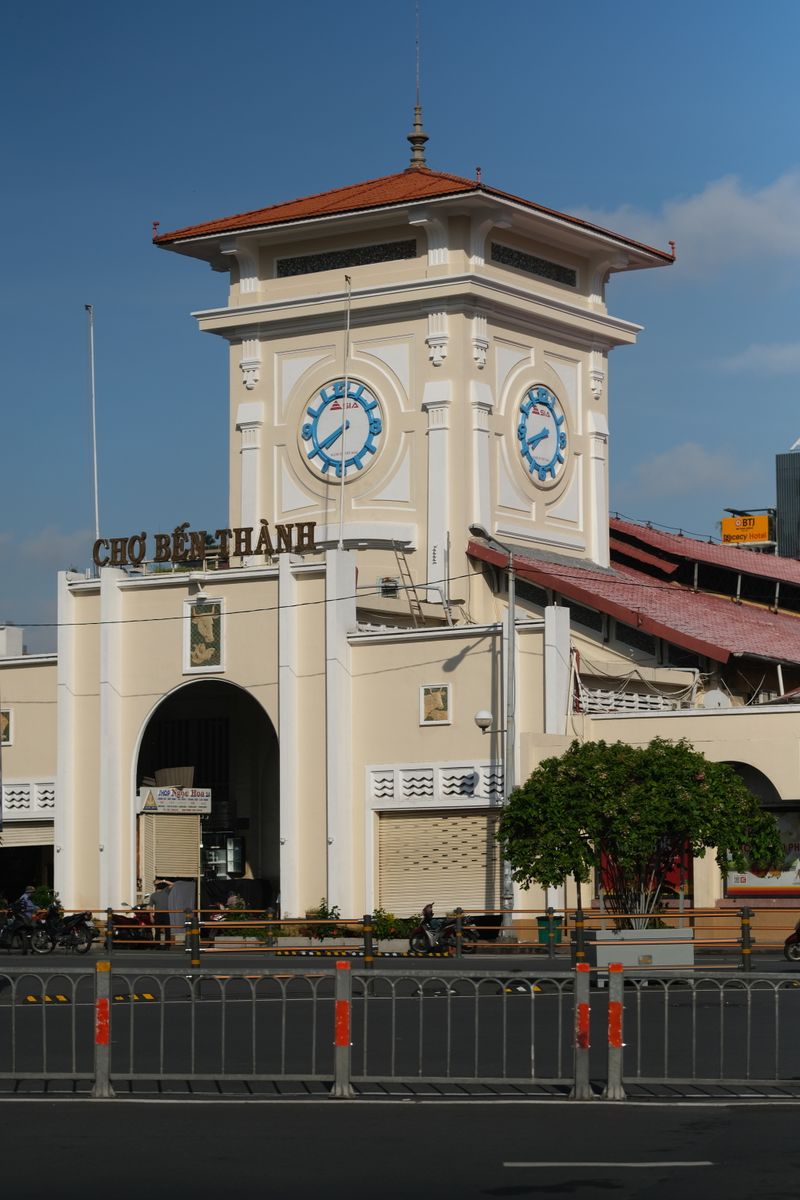
Ben Thanh Market stands as the beating heart of Ho Chi Minh City's shopping scene and serves as one of Vietnam's most iconic landmarks. Built in 1914 during French colonial rule, this sprawling marketplace has evolved from a simple trading post into a must-visit destination that attracts thousands of visitors daily. The market's distinctive clock tower has become a symbol of the city itself, appearing on countless postcards and travel guides.
This comprehensive guide will help you navigate Ben Thanh Market like a local, from understanding the best times to visit and section-by-section breakdowns, to mastering the art of Vietnamese bargaining and avoiding common tourist traps. Whether you're hunting for authentic souvenirs, sampling local street food, or simply soaking in the vibrant atmosphere, this guide ensures you make the most of your Ben Thanh Market experience.
Why Visit Ben Thanh Market?
- Historic Landmark: 100+ year old market that has witnessed Saigon's transformation into modern HCMC
- One-Stop Shopping: Find everything from silk clothing to coffee, lacquerware to fresh produce under one roof
- Cultural Immersion: Experience authentic Vietnamese market culture and daily life
- Souvenir Paradise: Best place in HCMC to find traditional Vietnamese gifts and handicrafts
- Food Discovery: Sample authentic street food and local delicacies at affordable prices
- Central Location: In the heart of District 1, walking distance from major hotels and attractions
- Day and Night Markets: Two different experiences - bustling day market and vibrant night market scene
Market Overview and History
The Legacy of Ben Thanh
Ben Thanh Market's history stretches back to the 17th century when it began as a small riverside trading post near the Ben Nghe Channel (Ben Thanh translates to "Citadel Wharf"). The current structure, designed by French architect Broyer, was completed in 1914 and has remained remarkably unchanged since then.
The market covers approximately 13,000 square meters and houses over 3,000 stalls, making it one of the largest covered markets in Southeast Asia. Its distinctive Art Deco style clock tower, with four clock faces showing the same time, has become an unofficial symbol of Ho Chi Minh City.
What Makes It Special
Unlike modern shopping malls, Ben Thanh Market maintains its traditional character while adapting to contemporary tourist needs. The market represents a living museum where you can observe Vietnamese commerce as it has been conducted for generations - animated haggling, family-run stalls passed down through generations, and the organized chaos that characterizes Southeast Asian marketplaces.
Section-by-Section Market Guide
Ben Thanh Market is organized into distinct sections, though boundaries can be fluid. Understanding this layout helps you navigate efficiently and find exactly what you're looking for.
North Gate - Textiles and Clothing
What You'll Find:
- Traditional ao dai (Vietnamese long dress)
- Silk scarves, ties, and fabric by the meter
- Tailored clothing and alteration services
- T-shirts, tourist apparel, and casual wear
- Embroidered linens and tablecloths
Insider Tips:
- The quality of silk varies dramatically - ask vendors to do the "burn test" to verify authenticity
- Many stalls offer tailoring services with 24-48 hour turnaround
- Prices start high (500,000-800,000 VND for ao dai) but can drop to 300,000-400,000 VND with bargaining
- Morning visits offer better selection before popular sizes sell out
South Gate - Handicrafts and Souvenirs
What You'll Find:
- Lacquerware (boxes, plates, decorative items)
- Hand-embroidered artwork and paintings
- Wooden sculptures and carvings
- Traditional conical hats (non la)
- Water puppets and cultural figurines
- Bamboo and rattan products
- Vietnamese propaganda poster reproductions
Insider Tips:
- Lacquerware quality varies - check for smooth finish and even color
- Larger paintings can be rolled for travel (ask for protective tube)
- Conical hats range from 20,000 VND (basic) to 150,000 VND (decorated)
- Many "handmade" items are mass-produced - look for genuine artisan work in specialty stalls
East Gate - Food and Spices
What You'll Find:
- Vietnamese coffee (robusta and arabica beans)
- Dried fruits (mango, jackfruit, dragon fruit)
- Cashews and other nuts
- Spices and cooking ingredients
- Tea varieties (green, lotus, jasmine)
- Instant pho and noodle packets
- Fish sauce and traditional condiments
Insider Tips:
- Weasel coffee (ca phe chon) is mostly fake - genuine version costs $100+ per kilogram
- Buy coffee already ground if you don't have a grinder at home
- Dried fruit is better purchased vacuum-sealed for freshness
- Ask to sample before buying - reputable vendors always allow tasting
- Be cautious of "saffron" and expensive spices - often diluted or fake

West Gate - Shoes, Bags, and Accessories
What You'll Find:
- Leather sandals and traditional footwear
- Handbags, wallets, and belts
- Jewelry (costume and semi-precious stones)
- Watches and sunglasses
- Phone cases and accessories
- Backpacks and travel bags
Insider Tips:
- Most "leather" is actually high-quality vinyl - true leather is rare and expensive
- Branded items (Northface, etc.) are always knockoffs but varying quality
- Jewelry stones are rarely genuine - buy for aesthetics, not investment
- Bags priced above 200,000 VND are negotiable down to 100,000-150,000 VND
Central Area - Wet Market and Fresh Food
What You'll Find:
- Fresh fruits and vegetables
- Meat, poultry, and seafood
- Prepared foods and cooked dishes
- Fresh spring rolls and banh mi
- Tropical fruit smoothies (sinh to)
- Local snacks and desserts
Insider Tips:
- This section is primarily for locals doing daily shopping
- Food stalls serve authentic, inexpensive meals (30,000-60,000 VND)
- Wet market areas can be overwhelming for some tourists (strong smells, crowded)
- Best time to visit food stalls is 11am-1pm for lunch
What to Buy at Ben Thanh Market - Complete Guide
Top Souvenir Recommendations
1. Vietnamese Coffee (50,000-200,000 VND per 500g)
Why Buy: Vietnam is the world's second-largest coffee producer, and the local coffee is exceptional and affordable.
What to Look For:
- Trung Nguyen is the most famous brand (widely available)
- Highland Coffee for premium quality
- Ask for "robusta" for strong, bitter Vietnamese style or "arabica" for smoother taste
- Choose whole beans if possible for better freshness
Bargaining Range: Usually fixed prices, but buying multiple bags gets 10-20% discount
2. Lacquerware (100,000-1,500,000 VND)
Why Buy: Traditional Vietnamese craft with beautiful designs and practical uses.
What to Look For:
- Smooth, glossy finish with no bubbles or rough spots
- Even color distribution
- Intricate inlay work (mother-of-pearl is traditional)
- Items made from natural lacquer vs. synthetic coating
Bargaining Range: Start at 50% of asking price, settle around 60-70%
3. Silk Products (150,000-800,000 VND)
Why Buy: Vietnamese silk is renowned for its quality and affordability.
What to Look For:
- The "burn test": Real silk burns slowly and smells like burning hair
- Hand-feel: Real silk is cool to touch and has subtle texture
- Look for uneven weave (sign of natural silk vs. synthetic)
- Mulberry silk is highest quality
Popular Items:
- Scarves: 150,000-300,000 VND
- Ao dai: 300,000-800,000 VND
- Ties: 100,000-200,000 VND
- Fabric by meter: 200,000-400,000 VND per meter
Bargaining Range: 40-50% off initial price
4. Conical Hats - Non La (20,000-150,000 VND)
Why Buy: Iconic Vietnamese symbol that's practical, decorative, and easy to transport.
Types Available:
- Plain: 20,000-40,000 VND (basic tourist souvenir)
- Decorated: 50,000-100,000 VND (painted designs, ribbons)
- Premium: 100,000-150,000 VND (poem hats from Hue with hidden poetry visible in sunlight)
Quality Indicators:
- Tight, even stitching
- Symmetric shape
- Fresh-smelling palm leaves (not musty)
- Proper chin strap attachment
Bargaining Range: 30-40% off for plain versions, 20-30% off for decorated
5. Dried Fruits and Nuts (80,000-200,000 VND per 500g)
Why Buy: Delicious, lightweight, and make excellent gifts.
Best Choices:
- Dried mango (especially from Mekong Delta)
- Cashew nuts (Vietnam is major producer)
- Dried jackfruit
- Tamarind candy
- Coconut candy
Pro Tips:
- Buy vacuum-sealed packages for better preservation
- Check expiration dates
- Sample before buying (all reputable vendors offer samples)
- Avoid extremely cheap products (often low quality)
Bargaining Range: Buy multiple items for 15-20% discount
6. Vietnamese Tea (60,000-300,000 VND per 100g)
Why Buy: Unique varieties not commonly found outside Vietnam.
Popular Types:
- Lotus tea (tra sen): 150,000-300,000 VND - delicate, expensive
- Jasmine tea (tra lai): 80,000-150,000 VND
- Artichoke tea (tra atiso): 60,000-100,000 VND - believed to have health benefits
- Oolong tea: 100,000-200,000 VND
Bargaining Range: Usually fixed prices, bundle deals available
7. Propaganda Posters and Artwork (100,000-500,000 VND)
Why Buy: Unique decorative items with historical significance.
What's Available:
- Reproduction vintage propaganda posters
- Contemporary artwork with traditional motifs
- Hand-painted scenes of Vietnamese life
- Silk paintings
Quality Varies:
- Mass-produced prints: 50,000-150,000 VND
- Hand-painted reproductions: 200,000-500,000 VND
- Original artwork: 1,000,000+ VND (rare at Ben Thanh)
Bargaining Range: 40-50% off asking price
8. Spices and Cooking Ingredients (30,000-200,000 VND)
Why Buy: Bring Vietnamese flavors home.
Essential Spices:
- Star anise for pho: 30,000-50,000 VND
- Vietnamese cinnamon: 40,000-80,000 VND
- Lemongrass (dried): 20,000-40,000 VND
- Five-spice powder: 30,000-60,000 VND
- Fish sauce (small bottles): 30,000-100,000 VND
Bargaining Range: Fixed prices for packaged items, 10-15% off bulk purchases
Items to Avoid or Buy Carefully
Overpriced or Fake Items:
- Weasel Coffee (Ca Phe Chon): Nearly always fake unless you're paying $100+ per kilogram
- Designer Brand Knockoffs: Quality is inconsistent, and customs may confiscate
- Expensive Jewelry: Stones are rarely genuine; buy for fashion, not value
- Saffron: Usually counterfeit or heavily diluted
- Electronics: No warranty, potential compatibility issues
- Perfumes: Always counterfeit, may contain harmful chemicals
- Zippo Lighters: Mostly cheap replicas despite "authentic" claims
Negotiation Strategies and Bargaining Tips
Bargaining is not just expected at Ben Thanh Market - it's an essential part of the shopping experience. Vendors price items for tourists at 2-3 times their acceptable selling price, anticipating negotiation. Here's how to bargain effectively while maintaining respect and enjoying the process.
Understanding Vietnamese Bargaining Culture
In Vietnamese culture, bargaining is a social interaction, not a confrontation. Successful bargaining involves friendly conversation, humor, and finding a price both parties feel comfortable with. Getting angry or aggressive is counterproductive and culturally inappropriate.
Key Cultural Points:
- Smiling and laughing during negotiation is normal and encouraged
- Walking away is a legitimate tactic, not an insult
- Once you agree on a price, you're expected to complete the purchase
- Vendors respect persistent but polite bargainers
- Family-run stalls may give better deals to build repeat business
The Ben Thanh Market Bargaining Process
Step 1: Initial Browse (Don't Show Too Much Interest)
- Walk through sections to get sense of pricing
- Ask prices at multiple stalls for the same item
- Note the range - this tells you the realistic price point
- Don't buy from the first stall that catches your eye
Step 2: Starting the Negotiation
Vendor's Opening Move:
- "How much?" yields the highest tourist price
- This number is typically 200-300% of acceptable price
Your Counter Strategy:
- Show interest but not desperation
- Ask "What's your best price?" (Gia tot nhat?)
- Even this "best price" will be inflated 150-200%
Starting Your Counter-Offer:
- Begin at 40-50% of their initial asking price
- For items over 500,000 VND, start at 30-40%
- Say with a smile: "Too expensive! I'll give you [your price]"
Step 3: The Back-and-Forth
Typical Pattern:
- Vendor: 500,000 VND
- You: 200,000 VND
- Vendor: "No! No! 450,000 VND, special price!"
- You: "Still too much. 250,000 VND"
- Vendor: "You're killing me! 400,000 VND, final price"
- You: "300,000 VND, that's my best offer"
At This Point:
- If they accept: Good deal achieved
- If they counter at 350,000: Split the difference at 325,000
- If they refuse: Walk away (they'll often call you back)
Step 4: The Walk-Away Technique
How to Use:
- After 2-3 rounds of negotiation, if you're not at acceptable price, thank them politely and start to leave
- "Thank you, too expensive for me" (Cam on, mac qua)
- Begin walking to another stall
What Happens:
- If their last offer was already their bottom line: They let you go
- If there's room to negotiate: They call you back with better price
- Success rate: About 70% of vendors will call you back
Important: Only use this tactic if you're genuinely willing to walk away. Don't bluff - some vendors will call your bluff.
Step 5: Closing the Deal
Once You Reach Agreement:
- Confirm the price clearly: "300,000 VND, OK?"
- Check the item carefully for quality issues
- Have exact money ready when possible
- Thank them: "Cam on" (Thank you)
Bundle Buying Power:
- Buying multiple items from same vendor = better deals
- "If I buy 3, what's the price?"
- Typically get 20-30% discount on bundles
- Works especially well for coffee, tea, dried fruits
Realistic Price Expectations by Item
| Item | Initial Quote | Target Price | Final Deal |
|---|---|---|---|
| Silk Scarf | 300,000 VND | 150,000 VND | 180,000-200,000 VND |
| Ao Dai | 800,000 VND | 350,000 VND | 400,000-500,000 VND |
| Conical Hat (decorated) | 150,000 VND | 60,000 VND | 80,000-100,000 VND |
| Lacquer Box (small) | 300,000 VND | 150,000 VND | 180,000-220,000 VND |
| Coffee (500g) | 150,000 VND | 100,000 VND | 120,000-130,000 VND |
| Handbag | 400,000 VND | 150,000 VND | 200,000-250,000 VND |
| T-shirt | 150,000 VND | 50,000 VND | 70,000-100,000 VND |
Advanced Bargaining Tactics
The "Local Friend" Approach
- Have your hotel concierge write down reasonable prices in Vietnamese
- Show this to vendors
- Say: "My Vietnamese friend said this is the local price"
- Works surprisingly well
The "I Know the Real Price" Tactic
- After visiting multiple stalls: "The stall over there offered 250,000"
- Creates competition between vendors
- Often prompts better offers
The Cash Money Strategy
- Count out your offer in cash and show vendor
- "This is what I have for this item"
- Visual of money can be persuasive
- Works best near closing time
Time-of-Day Advantages
- Early Morning (6-7am): First sale of the day is lucky - often get good deals
- Lunch Time (12-1pm): Fewer tourists, vendors more willing to negotiate
- Late Afternoon (5-6pm): Near closing, vendors want to make final sales
- Peak Hours (10am-3pm): Hardest time to get good deals due to tourist crowds
Common Bargaining Mistakes to Avoid
- Accepting First Price: Never pay the initial asking price
- Showing Excessive Interest: "I love this!" = higher price
- Bargaining for Small Amounts: Don't haggle hard over 20,000 VND (< $1)
- Being Rude or Aggressive: Kills the friendly negotiation atmosphere
- Not Knowing Currency: 1 USD ≈ 24,000 VND (check current rate)
- Agreeing Then Walking Away: Cultural faux pas once price is settled
- Comparing to Home Country Prices: "This is $5 worth!" - irrelevant argument
- Bargaining Below Fair Price: Vendors need to make living too
When NOT to Bargain
Fixed Price Items:
- Packaged branded products (Trung Nguyen coffee, etc.)
- Food stalls with posted menus
- Some modernized stalls with "fixed price" signs
- Items already very cheap (under 50,000 VND)
Be Culturally Sensitive:
- Don't aggressively bargain for necessities locals are buying
- If vendor seems genuinely distressed, price might be fair
- Sometimes paying slightly more supports local artisans fairly
How to Avoid Scams and Overpricing
Ben Thanh Market is generally safe, but tourist-focused scams and overpricing tactics are common. Understanding these tricks helps you shop confidently and avoid feeling cheated.
Common Scams and How to Avoid Them
1. The Calculator Trick
The Scam:
- Vendor shows you price on calculator: 150
- You think: 150,000 VND (about $6)
- They meant: 150 USD (about 3,600,000 VND)
- Creates "misunderstanding" after you've agreed
How to Avoid:
- Always clarify: "150,000 VND?" while pointing at item
- Use Vietnamese dong, never agree to USD prices
- If they insist on USD, walk away - red flag
- Get price confirmed verbally and on calculator
2. The Switch and Bait
The Scam:
- You examine high-quality item
- Vendor wraps it quickly after you pay
- Gives you lower-quality version from under counter
- You don't notice until you've left
How to Avoid:
- Watch them wrap YOUR specific item
- Inspect wrapped item before leaving stall
- Don't let them "quickly wrap" without you watching
- If they say "same same," insist on seeing what you're getting
3. The Fake Discount
The Scam:
- Vendor has "price list" showing inflated "official" prices
- Offers you "special discount" down to what should be regular price
- You feel like you got deal, but paid tourist price
How to Avoid:
- Ignore all price lists - they're meaningless
- Check prices at multiple stalls first
- Know that "discount" from 1,000,000 to 500,000 means asking price was probably 300,000
- Real discount comes from bargaining, not posted prices
4. The Counting Money Confusion
The Scam:
- You hand 500,000 VND note
- Vendor quickly counts change, talking fast
- Shortchanges you 50,000-100,000 VND
- If you question, acts confused and blames you
How to Avoid:
- Count your change carefully before leaving stall
- Use smaller bills when possible
- Keep large notes visible until you receive correct change
- Don't let vendor rush you
5. The "Same Price" Trap
The Scam:
- You bargain for one item to 200,000 VND
- Add second item, thinking "same price" means 200,000 total
- They meant 200,000 EACH
- Argument at payment
How to Avoid:
- Clarify total price: "Both items, together, 200,000 VND?"
- Use calculator to show total
- Get agreement on total before they bag items
- "Same price" usually means per item, not total
6. The Quality Downgrade
The Scam:
- Show you premium product (real silk, quality lacquer)
- During bargaining, subtly switch to lower quality
- You think you're getting premium at discount
- Actually getting mediocre at inflated price
How to Avoid:
- Mark or remember specific item you're negotiating for
- Do quality checks AFTER agreeing on price
- Don't be afraid to walk away if item seems different
- Test silk (burn test) or lacquer (smooth finish) before buying
7. The Group Pricing Deception
The Scam:
- Show you item at one price
- You want 3 pieces
- When paying, price is PER ITEM, not total
- "250 means 250 each!"
How to Avoid:
- Always confirm: "3 pieces total = 250,000 VND?"
- Use hand gestures (hold up 3 fingers, point at money)
- Have them write total price on calculator
- Don't assume - clarify before agreeing
Red Flags to Watch For
Warning Signs of Problematic Vendors:
- Aggressive Behavior: Grabbing your arm, blocking your path, insisting you must buy
- Pressure Tactics: "Last one!" "Special price only today!" "Other customer wants it!"
- Rushing You: Trying to hurry transaction or wrap items quickly
- USD Pricing: Legitimate vendors use Vietnamese dong for locals and tourists
- No Other Customers: If everyone avoids a stall, there's usually a reason
- Overly High Initial Prices: Even for tourists, 1,000,000 VND for a scarf is absurd
- Defensive About Questions: Won't let you test quality, examine closely, or take photos
Safe Vendor Indicators:
- Patient and Friendly: Willing to chat, joke, and negotiate calmly
- Other Customers Present: Locals shopping there is good sign
- Reasonable Starting Prices: High but not ridiculous
- Transparent About Quality: "This one expensive, real silk. This one cheap, synthetic."
- Family-Run Appearance: Multiple generations working stall
- Allows Quality Testing: Happy to let you examine, feel, test items
- VND Pricing: All prices in Vietnamese currency
Price Verification Strategies
The Multi-Stall Method
Most Reliable Approach:
- Visit 3-4 stalls selling same item
- Ask price at each without committing
- Note the range: e.g., silk scarf ranges from 200,000-400,000 VND
- Lowest price minus 20% = your target (160,000 VND)
- Middle of range = acceptable deal (300,000 VND)
- Highest price = tourist trap (400,000 VND)
The Local Comparison
What Locals Actually Pay:
- Conical hat: 30,000-50,000 VND (plain)
- Coffee (500g): 80,000-120,000 VND
- Silk scarf: 120,000-180,000 VND (real silk)
- Lacquer box (small): 150,000-200,000 VND
- Ao dai (simple): 300,000-400,000 VND
Your Tourist Premium: Expect to pay 20-40% more than locals due to language barrier and unfamiliarity - this is normal. Paying double is acceptable. Paying triple or more means you're being significantly overcharged.
The Hotel Concierge Trick
- Ask your hotel concierge or Grab driver what locals pay
- Have them write it in Vietnamese: "Gia bao nhieu?" (How much?)
- Show this to vendors
- Many vendors will respect local price guidance
What to Do If You Feel Scammed
In the Moment:
- Stay Calm: Anger doesn't help and may escalate situation
- Point Out Issue: "This is different from what I saw"
- Offer Solution: "Exchange this for correct item" or "Return for refund"
- Walk to Nearby Stall: Sometimes vendor calls you back with resolution
- Don't Pay Until Satisfied: You have leverage before money changes hands
After Purchase:
- Accept Small Losses: If you overpaid by $5-10, consider it learning experience
- Major Issues: Report to market management office (near main entrance)
- Document: Photo of stall number and vendor (subtle)
- Share Experience: Warn other tourists politely
- Learn: Use knowledge for next purchase
Perspective:
- Even "expensive" tourist prices are cheap by Western standards
- The difference between "good deal" and "tourist price" might be $5-10
- Supporting local vendors, even at slight premium, isn't necessarily bad
- Perfect price isn't as important as good experience
Smart Shopping Checklist
Before buying, ask yourself:
- Have I checked prices at 3+ stalls?
- Is this price within expected range for this item?
- Did I clarify the price clearly (VND, total amount)?
- Have I inspected the quality of the actual item I'm buying?
- Am I watching them wrap MY chosen item?
- Do I have correct change or am I counting carefully?
- Am I feeling rushed or pressured?
- Would I be happy with this purchase at this price?
If you answer "no" to any of these questions, pause and reconsider the transaction.
Best Times to Visit Ben Thanh Market
Timing your visit strategically can dramatically improve your experience. The market's atmosphere, crowd levels, bargaining success, and vendor attitudes all vary significantly throughout the day and week.
Day Market Hours: 6:00 AM - 6:00 PM
Early Morning (6:00-8:00 AM) - BEST TIME FOR BARGAINING
Pros:
- First sale of day is considered lucky in Vietnamese culture
- Vendors often give better deals to start their day positively
- Cool temperatures (important in HCMC's heat)
- Locals doing shopping - authentic atmosphere
- Fresh produce at wet market
- Quietest time with easiest navigation
- Best lighting for photography
Cons:
- Some stalls open later (7-8am)
- Less selection as vendors still setting up
- Need to wake up early
- Fewer food stalls open
Best For:
- Serious shoppers wanting best deals
- Photographers
- Those who want to avoid crowds
- People staying in District 1 (walking distance)
What to Buy:
- Fresh food for cooking
- Coffee and tea
- Major purchases requiring negotiation
Mid-Morning (8:00-11:00 AM) - GOOD FOR SELECTION
Pros:
- All stalls open and fully stocked
- Good selection before popular items sell out
- Vendors fresh and attentive
- Reasonable crowd levels
- Food stalls opening for breakfast/lunch
Cons:
- Tourist groups starting to arrive
- Temperatures rising
- Vendors less flexible on pricing than early morning
Best For:
- First-time visitors
- Those wanting full selection
- Souvenir shopping
- Market photography with activity
What to Buy:
- Souvenirs
- Clothing and textiles
- Handicrafts
- Breakfast at food stalls
Midday (11:00 AM - 2:00 PM) - AVOID IF POSSIBLE
Pros:
- Peak activity and energy
- All food stalls operating
- Most "complete" market experience
Cons:
- Most crowded time
- Extremely hot and humid
- Vendors least flexible on pricing
- Difficult to navigate
- Tourist trap tactics most aggressive
- Hard to have meaningful negotiations due to crowds
Best For:
- Quick lunch at food stalls
- People-watching
- Those with inflexible schedules
Not Recommended For:
- Serious shopping
- Those uncomfortable in crowds
- Photography (too crowded)
- Anyone seeking authentic local experience
Afternoon (2:00-5:00 PM) - MODERATE CROWDS
Pros:
- Crowds thinning after lunch
- Vendors more relaxed
- Cooler than midday
- Good time for casual browsing
Cons:
- Some popular items sold out
- Vendors may be tired
- Afternoon heat still intense
- Starting to feel end-of-day energy
Best For:
- Relaxed shopping without pressure
- Return visits to stalls from morning
- Combining with other District 1 attractions
What to Buy:
- Impulse purchases
- Additional items from vendors you've established rapport with
- Snacks and dried goods
Late Afternoon (5:00-6:00 PM) - GOOD FOR BARGAINING
Pros:
- Vendors want to make final sales before closing
- Better negotiating position
- Much cooler temperatures
- Crowds mostly gone
- Pleasant evening atmosphere
Cons:
- Limited selection (best items sold)
- Some stalls closing early
- Rushed transactions
- Vendors want to go home
Best For:
- Last-minute shopping
- Getting deals on remaining inventory
- Peaceful browsing
Bargaining Tip:
- "I know you're closing soon, but I'm ready to buy now at [price]"
- Works well as vendors prefer sure sale over packing up inventory
Night Market (6:00 PM - Midnight)
The area around Ben Thanh Market transforms into a night market after 6 PM, though it's technically outside the main building.
Setup (6:00-7:00 PM)
- Vendors setting up street stalls
- Market closes inside, shifts outside
- Transition period
Peak Night Market (7:00-10:00 PM)
What's Different:
- Street food focus rather than souvenirs
- More local crowds
- Vibrant, energetic atmosphere
- Tables and chairs for eating
- Beer gardens and social scene
Pros:
- Authentic street food experience
- Cooler evening temperatures
- Local socializing culture
- Lower prices than day market for food
- Great for dinner and drinks
Cons:
- Limited souvenir shopping
- More chaotic layout
- Smoke from cooking
- Can be loud
- Some vendors more aggressive
Best For:
- Food enthusiasts
- Experiencing HCMC nightlife
- Social dining
- Budget meals
What to Buy/Eat:
- Grilled seafood
- Banh xeo (sizzling pancakes)
- Bun thit nuong (grilled pork vermicelli)
- Fresh fruit smoothies
- Draft beer (bia hoi)
Late Night (10:00 PM - Midnight)
- Winding down
- Some food stalls still operating
- Very local crowd
- Best beer prices
- Quieter atmosphere
Weekly Patterns
Weekdays (Monday-Friday)
Morning:
- More locals, fewer tourists
- Better prices
- Authentic market experience
- Professional shoppers doing business
Afternoon:
- Mixed crowds
- Standard tourist pricing
- Normal energy levels
Weekends (Saturday-Sunday)
All Day:
- Much more crowded
- Higher tourist concentration
- Vendors less flexible on prices
- Festive atmosphere but harder to shop
- Better for people-watching than buying
Best Weekend Strategy:
- Visit before 8 AM
- Or after 5 PM
- Avoid 10 AM - 4 PM completely
Special Considerations by Month
Dry Season (December - April)
- Best Overall Time to Visit
- Comfortable temperatures (except March-April heat)
- No rain interruptions
- Peak tourist season means higher prices
- Most crowded period
Tip: Visit very early (6-7 AM) to avoid heat and crowds
Rainy Season (May - November)
- Fewer tourists = better deals
- Afternoon rain storms common (2-4 PM)
- Visit morning or evening to avoid rain
- Vendors more willing to negotiate
- Bring umbrella
- Watch for puddles and wet floors inside
Tip: Rainy days = vendors more motivated to sell = better bargaining
Tet (Vietnamese New Year - Late January/Early February)
- Market most crowded week of year
- Highest prices all year
- Many vendors take holiday
- Festive decorations and atmosphere
- Not recommended for shopping
- Interesting cultural experience
Tip: Visit before Tet (prices rising) or after Tet (vendors need cash after holiday)
Optimal Visit Strategy
For Best Overall Experience:
- Day 1 - Morning Reconnaissance (8-10 AM): Browse, check prices, note items of interest
- Day 1 - Evening: Research prices online, ask hotel staff about fair prices
- Day 2 - Early Morning Shopping (6-8 AM): Return to purchase with bargaining knowledge
For One-Time Visitors:
- Arrive at 8:00 AM
- Spend 2-3 hours
- Focus on one or two categories
- Accept you won't get absolute best prices, but can still get good deals
For Night Market Experience:
- Arrive at 7:30 PM
- Budget 60,000-100,000 VND for food and drinks
- Focus on eating rather than souvenir shopping
- Stay until 9-10 PM for full experience
Alternative Markets Near Ben Thanh
While Ben Thanh Market is convenient and famous, these nearby alternatives often offer better prices, more authentic experiences, and less tourist pressure.
Binh Tay Market (Cho Lon) - THE LOCAL ALTERNATIVE
Distance from Ben Thanh: 6 km (20-30 minutes by Grab) Best For: Wholesale shopping, authentic local experience, Chinese-Vietnamese culture
Why Visit:
- Massive wholesale market in Chinatown (Cho Lon)
- 80-90% lower tourist presence
- Significantly better prices (often half of Ben Thanh)
- Authentic local shopping atmosphere
- Beautiful Chinese-influenced architecture
- Four-sided courtyard design with ornate details
What to Buy:
- Bulk items (coffee, tea, spices)
- Wholesale clothing
- Fabric and textiles by the roll
- Dried goods
- Chinese medicine and herbs
Prices Comparison:
- Coffee: 30-50% cheaper than Ben Thanh
- Textiles: 40-60% cheaper
- Spices: 50-70% cheaper
- Handicrafts: 30-40% cheaper
Visiting Tips:
- Go early morning (6-8 AM) for best experience
- Much larger than Ben Thanh - bring comfortable shoes
- Less English spoken - translation app helpful
- Vendors assume you're buying in quantity
- Bring cash - cards rarely accepted
- Food stalls serve excellent Chinese-Vietnamese fusion
Challenges:
- Not walking distance from tourist areas
- Can be overwhelming in size
- Less tourist-friendly infrastructure
- Harder to navigate
Verdict: If you have time for only one alternative market, choose Binh Tay. The authentic experience and savings are worth the trip.
An Dong Market - FABRIC AND TEXTILES SPECIALIST
Distance from Ben Thanh: 2 km (10 minutes by Grab) Best For: Fabric, wedding supplies, wholesale textiles
Why Visit:
- Premier fabric and textile market
- Enormous selection of materials
- Many tailors on-site
- Three-floor market with hundreds of stalls
- Good prices for bulk buying
What to Buy:
- Silk fabric by the meter
- Cotton and linen
- Wedding dress materials
- Embroidered fabrics
- Buttons, zippers, sewing supplies
- Custom tailoring services
Prices:
- Silk: 150,000-300,000 VND per meter (vs 300,000-500,000 at Ben Thanh)
- Cotton: 50,000-120,000 VND per meter
- Custom tailoring: 30-40% cheaper than tourist areas
Visiting Tips:
- Bring fabric sample or photo of what you want
- Minimum purchase often required (3+ meters)
- Bargaining expected but less aggressive than Ben Thanh
- Many vendors specialize in wholesale
- Some speak English (fabric terminology)
Verdict: Essential for anyone interested in custom clothing or fabric. Otherwise, skip unless you're specifically interested in textiles.
Tan Dinh Market - PINK CHURCH NEIGHBORHOOD
Distance from Ben Thanh: 1.5 km (5-10 minute walk) Best For: Fresh produce, local food, neighborhood shopping
Why Visit:
- Authentic local market
- Near famous Tan Dinh Church (pink church)
- Almost zero tourist presence
- Real Vietnamese market experience
- Excellent street food around perimeter
What to Buy:
- Fresh fruits (tropical fruits at local prices)
- Vietnamese coffee and tea (cheaper than Ben Thanh)
- Cooked foods and ready-to-eat meals
- Fresh spring rolls and banh mi
- Local snacks
Prices:
- 40-60% cheaper than Ben Thanh for food items
- Similar to Binh Tay but smaller and more accessible
Visiting Tips:
- Combine with visit to Tan Dinh Church
- Best morning (6-10 AM)
- Bring reusable bags
- Very little English - point and smile
- Cash only
Verdict: Great option if you want local market experience without traveling far. Combine with other District 3 attractions.
Saigon Square 1 & 2 - MODERN MARKET ALTERNATIVE
Distance from Ben Thanh: 500m (5-minute walk) Best For: Clothing, shoes, accessories, air conditioning
Why Visit:
- Modern, air-conditioned shopping center
- Better quality knockoffs
- More organized than traditional markets
- Fixed(ish) prices with some bargaining
- Clean facilities and comfortable
What to Buy:
- Branded knockoffs (better quality than Ben Thanh)
- Sportswear and active wear
- Shoes and sneakers
- Backpacks and bags
- Phone accessories
Prices:
- Slightly higher than Ben Thanh (10-20%)
- But better quality often justifies difference
- Less aggressive bargaining
Visiting Tips:
- Still bargain but expect less discount (10-30%)
- Quality more consistent
- Multiple floors - check different stalls for same item
- Good option in bad weather
- Popular with young locals
Verdict: If you hate traditional market chaos but want bargain shopping, this is your place.
Nguyen Trai Street Market - SHOE HEAVEN
Distance from Ben Thanh: 3 km (15 minutes by Grab) Best For: Shoes, footwear, leather goods
Why Visit:
- Entire street dedicated to shoe wholesalers
- Hundreds of shoe shops
- Best selection and prices for footwear in HCMC
- Both wholesale and retail
What to Buy:
- Sandals: 50,000-150,000 VND
- Sneakers: 150,000-400,000 VND
- Leather shoes: 200,000-500,000 VND
- Boots: 300,000-600,000 VND
Visiting Tips:
- Bring or know your exact shoe size (Vietnamese sizing different)
- Try before buying
- Check stitching and sole quality
- Bargaining expected (20-40% off asking price)
Verdict: Only worth visiting if you specifically need shoes. Otherwise, skip.
Comparison Quick Reference
| Market | Distance | Tourist % | Price vs Ben Thanh | Best For |
|---|---|---|---|---|
| Ben Thanh | - | 80% | Baseline | Convenience, souvenirs |
| Binh Tay | 6 km | 10% | -50% | Wholesale, authentic |
| An Dong | 2 km | 20% | -30% | Fabric, textiles |
| Tan Dinh | 1.5 km | 5% | -50% | Fresh food, local life |
| Saigon Square | 500m | 40% | +15% | Air con, quality knockoffs |
| Nguyen Trai | 3 km | 15% | -40% | Shoes only |
Multi-Market Shopping Strategy
Budget Conscious (Save Maximum Money):
- Binh Tay Market - Bulk items, spices, coffee, tea
- Tan Dinh Market - Fresh food
- Ben Thanh - Only unique souvenirs not found elsewhere
Time Efficient (Best Experience with Limited Time):
- Ben Thanh Morning (8-10 AM) - Main shopping
- Saigon Square Afternoon - Air-conditioned backup option
- Ben Thanh Night Market - Dinner and atmosphere
Fabric & Tailoring Trip:
- An Dong Market - Select fabric
- Local tailor (recommendations from An Dong vendors)
- Ben Thanh - Accessories to match
Authentic Local Experience:
- Tan Dinh Market Morning - Breakfast and fresh food
- Binh Tay Market Midday - Major shopping
- Local District 5 restaurants - Lunch in Chinatown
Quality Seekers:
- Saigon Square - Better quality knockoffs
- Dong Khoi Street shops - Genuine designer/boutique (not markets)
- Ben Thanh - Select handicrafts from quality-focused vendors
Practical Information
Location and Access
Address: Le Loi Street, Ben Thanh Ward, District 1, Ho Chi Minh City
Getting There:
From District 1 Hotels:
- Walking: 5-15 minutes from most hotels
- Grab Car/Bike: 20,000-40,000 VND (for those further away)
From Tan Son Nhat Airport:
- Grab Car: 120,000-180,000 VND (30-45 minutes depending on traffic)
- Airport Bus 152: 20,000 VND (stops at Ben Thanh Market)
- Taxi: 180,000-250,000 VND (use Mai Linh or Vinasun only)
From Backpacker Area (Pham Ngu Lao):
- Walking: 15-20 minutes
- Grab Bike: 15,000-25,000 VND
Landmark: Look for the iconic clock tower - visible from several blocks away
Operating Hours
Day Market (Main Building):
- Opens: 6:00 AM
- Closes: 6:00 PM
- Most active: 8:00 AM - 5:00 PM
Night Market (Outside):
- Opens: 6:00 PM (vendors set up)
- Peak: 7:00 PM - 10:00 PM
- Closes: Midnight (some stalls close earlier)
Weekly Schedule:
- Open 7 days a week
- Busiest: Weekends
- Quietest: Weekday mornings
Holiday Closures:
- Closed or limited during Tet (Vietnamese New Year)
- Check with hotel during major Vietnamese holidays
Facilities and Services
Restrooms:
- Available inside market
- Small fee: 2,000-5,000 VND
- Bring your own tissue
- Cleanliness: Basic but functional
ATMs:
- Several ATMs around market perimeter
- Inside market has 1-2 machines
- Withdraw before entering - fees higher inside
Money Exchange:
- Gold shops around market offer exchange
- Rates slightly worse than banks
- Use official exchange or ATM instead
Storage/Lockers:
- Not available
- Keep valuables secure and bags in front of you
Food and Drinks:
- Water vendors throughout market: 10,000 VND
- Food court in center: 40,000-80,000 VND per dish
- Fresh juice stands: 20,000-40,000 VND
- Bring water bottle - hot and humid inside
Wi-Fi:
- No public Wi-Fi in market
- Buy local SIM at airport: 100,000-200,000 VND for tourist plans
- Or use hotel Wi-Fi before visiting
Information Desk:
- Small tourist information near main entrance
- Limited English
- Can help with major issues or complaints
First Aid:
- Basic medical station near center
- For emergencies, nearest hospital is FV Hospital (3 km away)
What to Bring
Essential:
- Cash (Vietnamese Dong) - primary stalls don't accept cards
- Comfortable walking shoes (will be on feet for hours)
- Reusable shopping bag (plastic bags provided but weak)
- Small backpack or crossbody bag (keep in front)
- Phone for photos and calculator/translation app
Recommended:
- Water bottle
- Hand sanitizer (especially after touching items)
- Small notebook to write down stall numbers and prices
- Loose-fitting, light clothing
- Hat and sunglasses (for night market area)
Not Needed:
- Large backpack (cumbersome and theft risk)
- Expensive jewelry (unnecessary attention)
- Umbrella inside (too crowded)
- Laptop or valuable electronics
Safety Tips
Pickpocketing Prevention:
- Keep bag in front of you at all times
- Don't keep wallet in back pocket
- Avoid bringing passport (photocopy sufficient)
- Don't display expensive phone/camera carelessly
- Be extra alert in crowded areas
General Safety:
- Ben Thanh Market is generally safe during day
- Night market can be more chaotic - stay aware
- Watch for motorbikes outside market entrance
- Don't accept food or drinks from strangers
- Stick to main market areas - avoid isolated sections
Health Considerations:
- Stay hydrated (very hot and humid inside)
- Take breaks if feeling overwhelmed
- Wash hands after handling money and items
- If trying street food, choose busy stalls (fresher food)
Emergency Numbers:
- Police: 113
- Ambulance: 115
- Tourist Hotline: 1087
Combining Ben Thanh Market with Other Attractions
Morning Itinerary (4-5 hours):
- 8:00 AM: Ben Thanh Market shopping (2 hours)
- 10:00 AM: Notre Dame Cathedral and Central Post Office (45 minutes)
- 11:00 AM: Coffee at nearby cafe (45 minutes)
- 12:00 PM: Lunch at Ben Thanh food stalls or nearby restaurant
Afternoon Itinerary (4-5 hours):
- 1:00 PM: War Remnants Museum (1.5 hours)
- 3:00 PM: Reunification Palace (1 hour)
- 4:30 PM: Ben Thanh Market shopping (1.5 hours)
- 6:30 PM: Dinner at Ben Thanh Night Market
Full Day Itinerary:
- 8:00 AM: Ben Thanh Market (2 hours)
- 10:00 AM: Notre Dame & Post Office (1 hour)
- 11:30 AM: Coffee/rest (30 minutes)
- 12:00 PM: Lunch at local restaurant (1 hour)
- 1:30 PM: War Remnants Museum (1.5 hours)
- 3:30 PM: Reunification Palace (1 hour)
- 5:00 PM: Return to hotel to drop off purchases
- 7:00 PM: Ben Thanh Night Market dinner
Walking Distance Attractions:
- Notre Dame Cathedral (800m / 10 minutes)
- Central Post Office (800m / 10 minutes)
- Reunification Palace (1.2 km / 15 minutes)
- Saigon Opera House (600m / 8 minutes)
- Nguyen Hue Walking Street (500m / 5 minutes)
Language Tips for Market Shopping
Essential Vietnamese Phrases:
Basic Greetings:
- Hello: "Xin chào" (sin chow)
- Thank you: "Cảm ơn" (gahm uhn)
- Yes: "Vâng" (vung) - formal, or "Dạ" (zah) - polite
- No: "Không" (khohm)
Shopping Phrases:
- How much?: "Bao nhiêu tiền?" (bow nyew tyen?)
- Too expensive: "Mắc quá" (mac qua)
- Cheaper please: "Rẻ hơn được không?" (zeh hun duc khohm?)
- What's your best price?: "Giá tốt nhất bao nhiêu?" (za tot nyat bow nyew?)
- I'll buy: "Tôi mua" (toy mua)
- I don't want: "Tôi không cần" (toy khohm can)
Useful Words:
- This one: "Cái này" (kai nay) - point while saying
- That one: "Cái kia" (kai kia) - point while saying
- Beautiful: "Đẹp" (dep)
- Good quality: "Chất lượng tốt" (chat lung tot)
- Real/genuine: "Thật" (that)
- Fake: "Giả" (za)
Numbers (Essential for Bargaining):
- 10: "Mười" (muoy)
- 20: "Hai mươi" (hai muoy)
- 50: "Năm mươi" (nam muoy)
- 100: "Một trăm" (mot tram)
- 1,000: "Một ngàn" (mot ngan)
- 10,000: "Mười ngàn" (muoy ngan)
- 100,000: "Một trăm ngàn" (mot tram ngan)
Bargaining Phrases:
- Can you discount?: "Bớt được không?" (bot duc khohm?)
- Half price: "Một nửa" (mot nua)
- Too expensive for me: "Mắc quá đối với tôi" (mac qua doy voy toy)
- My final offer: "Giá cuối cùng của tôi" (za cuoy kung cua toy)
- I'll walk away: "Tôi đi đây" (toy di day)
Pro Tip: Even attempting basic Vietnamese phrases earns you respect and often better prices. Vendors appreciate the effort, even if your pronunciation isn't perfect.
Money Matters
Currency:
- Vietnamese Dong (VND)
- Exchange rate: Approximately 24,000 VND = 1 USD (check current rates)
How Much to Bring:
- Light shopping: 500,000-1,000,000 VND ($20-40)
- Moderate shopping: 2,000,000-3,000,000 VND ($80-120)
- Serious shopping: 5,000,000+ VND ($200+)
Cash vs. Card:
- 95% of stalls are CASH ONLY
- A few modernized stalls accept cards but add 3-5% surcharge
- Bring cash - essential
ATMs:
- Withdraw before entering market
- Typical ATM limit: 2,000,000-3,000,000 VND per transaction
- International transaction fees apply (check with your bank)
Small Bills:
- Try to have mix of denominations
- 50,000, 100,000, 200,000 VND notes most useful
- Vendors often claim they don't have change for 500,000 VND notes
Tipping:
- Not expected at market stalls
- Food stalls: round up bill (optional)
- Porters (if you hire): 20,000-50,000 VND
Final Tips for Ben Thanh Market Success
Mindset and Expectations
What Makes a Successful Visit:
- Embrace the Chaos: Ben Thanh Market is loud, crowded, and overwhelming - that's part of its charm
- Budget Time Generously: Plan for at least 2 hours minimum, ideally 3-4 hours
- Bargain with a Smile: Negotiation should be fun, not stressful
- Accept Tourist Prices: You'll pay more than locals - 20-40% premium is normal and fair
- Focus on Experience: The market atmosphere is as valuable as what you buy
First-Timer Success Strategy
Before You Go:
- Research 2-3 items you definitely want
- Check online for approximate price ranges
- Ask hotel staff for local price guidance
- Decide your budget
- Wear comfortable clothes and shoes
At the Market:
- Enter through the main clock tower gate
- Do a complete loop first without buying anything
- Note interesting stalls and their locations
- Check prices at multiple stalls for items you want
- Return to best stalls for actual purchases
- Save heavy/bulky items for last
After Shopping:
- Check all items before leaving the market
- Count your purchases to ensure nothing left behind
- Keep receipts (if provided)
- Return to hotel to drop off purchases before dinner
Making the Most of Your Visit
Photography Tips:
- Best light: 8-10 AM
- Ask permission before photographing vendors: "Chụp hình được không?"
- Colorful fruit and vegetable sections are most photogenic
- Night market captures energy with street lights
- Avoid flash inside - natural light better
Cultural Respect:
- Dress modestly (shoulders and knees covered)
- Remove sunglasses when talking to vendors
- Don't touch items excessively without buying
- Don't mock or laugh at prices or products
- Thank vendors even if not buying: "Cảm ơn"
Sustainable and Ethical Shopping:
- Bring reusable bag to reduce plastic
- Support vendors who aren't aggressive
- Buy quality over quantity
- Avoid items made from endangered species (ivory, tortoise shell, etc.)
- Fair bargaining doesn't mean crushing vendors' profit
Common Questions Answered
Is Ben Thanh Market worth visiting? Yes, despite being touristy, it's a HCMC institution with good selection and convenient location. Visit for atmosphere and convenience, visit Binh Tay for better deals.
How much should I budget? $50-100 USD can buy substantial souvenirs (coffee, silk items, lacquerware, snacks). $200+ for serious shopping spree.
Is it better than other markets? Not for prices (other markets cheaper) but for convenience, selection, and tourist-friendliness. Good one-stop option.
Will I get ripped off? You'll likely pay tourist prices (20-50% above local rates), but that's normal. Follow this guide to minimize overpaying.
Can I bring large suitcase? Not recommended - too crowded. Bring small bag or backpack, return to hotel if you buy a lot, then return for more shopping.
Is it safe for solo travelers? Yes, very safe. Normal city precautions: watch belongings, avoid isolated areas, trust your instincts.
What if I don't speak Vietnamese? Most vendors speak basic English numbers and shopping terms. Translation app helps. Pointing and gestures work well.
Can I return items? Generally no returns. Inspect carefully before buying. Some established stalls with business cards might allow exchange for defects.
Best souvenir for first-timer? Vietnamese coffee - affordable, authentic, practical, easy to transport, universally appreciated as gifts.
Quick Reference Checklist
Pack These:
- Cash (Vietnamese Dong)
- Comfortable walking shoes
- Reusable shopping bag
- Phone (camera + calculator)
- Water bottle
- Hand sanitizer
Do These:
- Visit early morning (6-8 AM) or late afternoon (5-6 PM)
- Check prices at 3+ stalls before buying
- Bargain at 40-50% of asking price
- Clarify total price before purchasing
- Watch vendor wrap your chosen item
- Count change carefully
- Try the street food
Don't Do These:
- Pay first price offered
- Agree to USD prices
- Let vendor rush you
- Buy without comparing quality
- Leave passport or large cash in hotel
- Visit at midday (11 AM - 2 PM)
- Get angry during bargaining
Conclusion
Ben Thanh Market represents the soul of Ho Chi Minh City's commercial heritage - a place where tradition meets tourism, where bargaining is an art form, and where Vietnam's vibrant culture comes alive through commerce, food, and human interaction. While it's undeniably touristy and prices are higher than local markets, the convenience, selection, and atmosphere make it an essential HCMC experience.
Armed with the strategies in this guide, you're now prepared to navigate the market confidently, bargain effectively, avoid common pitfalls, and return home with authentic Vietnamese treasures and memorable experiences. Remember that the perfect price is less important than the enjoyment of the process and the stories you'll tell about your market adventure.
The iconic clock tower of Ben Thanh Market has witnessed over a century of Saigon's transformation. As you pass beneath it with your purchases, you're participating in a tradition that connects you to generations of traders, shoppers, and travelers who have bargained, browsed, and discovered treasures in this remarkable marketplace.
Happy shopping at Ben Thanh Market - may you find wonderful souvenirs, enjoy delicious food, and create lasting memories of Ho Chi Minh City's most famous market.