

Preserve Your Vietnam Memories
Turn your travel photos into beautiful custom magnets
A unique service available throughout Vietnam - simply send your favorite travel shots and receive beautiful, high-quality magnets at budget-friendly prices. Perfect for sharing with friends or decorating your space with travel memories.
Contact us on:
Ho Chi Minh City, while vibrant and endlessly fascinating, serves as an excellent base for exploring southern Vietnam's diverse landscapes and cultural treasures. Whether you're drawn to the winding waterways of the Mekong Delta, the historical significance of war-era tunnels, pristine beaches, or spiritual sites, the area surrounding Vietnam's largest metropolis offers something for every type of traveler.
With extra days in your itinerary, venturing beyond the city limits reveals a different side of southern Vietnam—one where rural life unfolds along riverbanks, dense mangrove forests teem with wildlife, and coastal towns offer respite from urban energy. These day trips provide invaluable context to Vietnam's history, culture, and natural beauty, transforming your understanding of this dynamic region.
This comprehensive guide covers the best day trip options from Ho Chi Minh City, helping you choose destinations that match your interests, budget, and available time. From DIY adventures to organized tours, we'll explore how to make the most of your excursions from Saigon.
Why Take Day Trips from Ho Chi Minh City
- Diverse Experiences: Within 1-3 hours, you can transition from urban chaos to floating markets, pristine beaches, dense forests, or historical sites
- Cultural Immersion: Rural areas offer authentic glimpses into Vietnamese daily life, agriculture, and traditions often absent in the city
- Historical Context: Sites like Cu Chi Tunnels and Cao Dai Temple provide deeper understanding of Vietnam's complex history
- Natural Beauty: Escape the concrete jungle to experience mangrove forests, river deltas, and coastal landscapes
- Convenient Base: Ho Chi Minh City's excellent infrastructure makes it easy to explore and return the same day
Top Day Trip Destinations from Ho Chi Minh City
Mekong Delta - Floating Markets and River Life
Distance: 70-180km (depending on destination) Travel Time: 1.5-3.5 hours Best For: Culture, photography, nature lovers
The Mekong Delta represents one of Vietnam's most iconic landscapes—a vast network of rivers, swamps, and islands where life revolves around the water. This fertile region produces much of Vietnam's rice, fruit, and fish, and visiting offers unforgettable insights into rural Vietnamese life.
Top Mekong Delta Destinations:
Cai Be Floating Market (90km, 2 hours): One of the most accessible floating markets from Ho Chi Minh City, Cai Be bustles with activity in the early morning as vendors sell fresh produce from their boats. The market has become more tourist-oriented in recent years but still offers authentic experiences if you arrive early (6-7 AM). Tours typically include visits to fruit orchards, coconut candy workshops, and traditional houses.
My Tho (70km, 1.5 hours): The closest major Mekong town to Ho Chi Minh City, My Tho serves as a gateway to the delta. Highlights include boat rides through narrow canals, visits to four islands (Dragon, Tortoise, Phoenix, and Unicorn), sampling honey tea and tropical fruits, and listening to traditional music performances. My Tho works well for travelers with limited time.
Cai Rang Floating Market (180km, 3.5 hours): Located near Can Tho, this is the Mekong Delta's largest and most authentic floating market. While technically possible as a day trip, it requires a very early start (4 AM departure) or an overnight stay. The market peaks between 6-8 AM with hundreds of boats trading wholesale fruits and vegetables. Each boat displays samples of their goods on tall poles called "cay beo."
Ben Tre (85km, 2 hours): Known as the "coconut kingdom," Ben Tre offers a more tranquil delta experience. Cruise through coconut-palm-lined canals, visit coconut candy factories, enjoy traditional music, and experience local homestays. The area is less touristy than My Tho or Cai Be.
What to Expect:
- Early morning departures (6-7 AM) to catch markets at their busiest
- Boat rides ranging from large tourist vessels to small sampans
- Visits to local workshops (coconut candy, rice paper, honey farms)
- Traditional lunch featuring Mekong specialties like elephant ear fish
- Interactions with local farmers and producers
Costs:
- Organized tours: $20-45 USD per person (full day, meals included)
- Private tours: $60-120 USD (1-4 people, more flexibility)
- DIY costs: Bus $3-5, boat hire $15-30, meals $5-10
Best For: First-time visitors to Vietnam who want to experience rural river life, photographers seeking unique waterborne scenes, and anyone interested in agriculture and traditional crafts.
Can Gio Mangrove Forest and Biosphere Reserve
Distance: 60km southeast Travel Time: 1.5-2 hours Best For: Nature lovers, families, wildlife enthusiasts
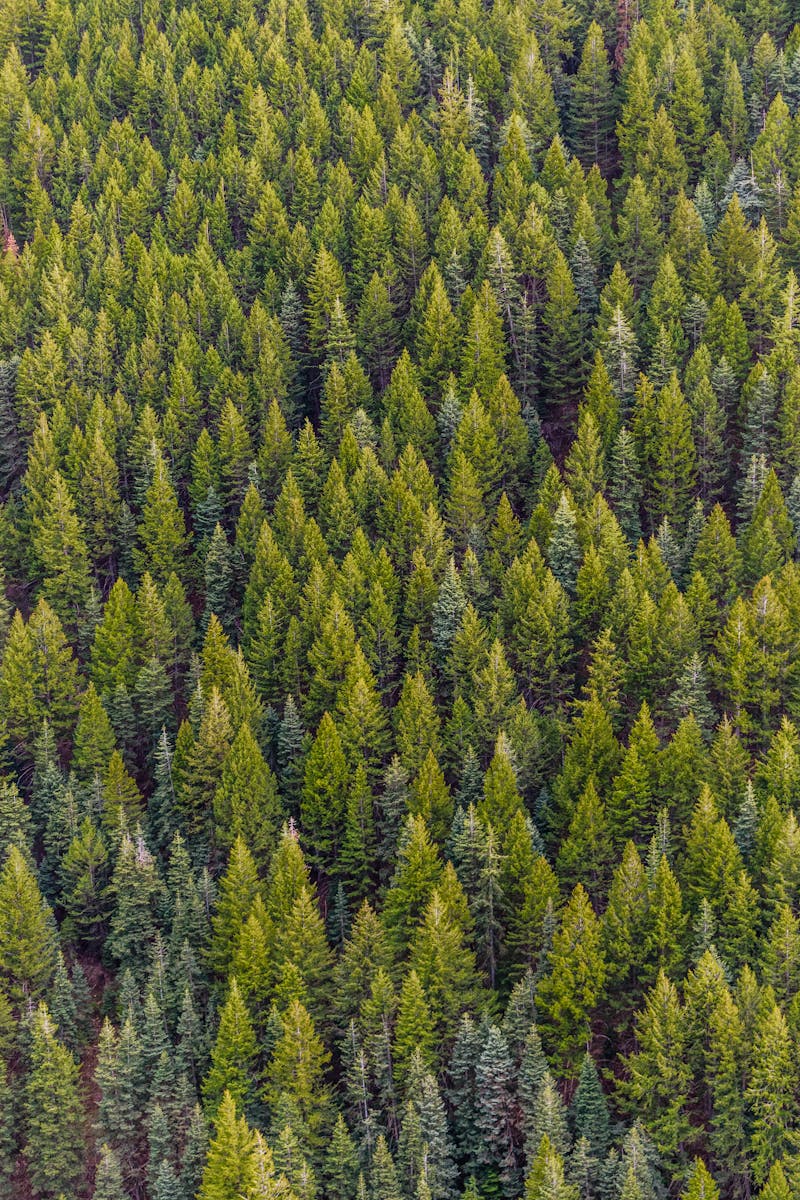
Can Gio offers a completely different experience from the bustling city—an expansive UNESCO Biosphere Reserve featuring mangrove forests, wildlife sanctuaries, and coastal ecosystems. This former war zone has been restored into one of southern Vietnam's most important ecological areas.
Highlights:
Monkey Island (Dao Khi): Home to hundreds of long-tailed macaques living semi-wild. You can observe monkeys in their natural habitat, though they've grown accustomed to tourists. Bring snacks to attract them, but be cautious—they can be bold! The island requires a short ferry crossing and makes for excellent wildlife photography.
Mangrove Forest Walks: Boardwalks and pathways wind through dense mangroves, offering chances to see mudskippers, crabs, and unique root systems. The quiet forest provides a peaceful contrast to city life. Visit during cooler morning hours for the best wildlife viewing.
Vam Sat Ecological Park: This protected area showcases the mangrove ecosystem's biodiversity. The park features a crocodile conservation area, bird watching opportunities, and well-maintained trails. It's particularly beautiful during sunset when birds return to roost.
Tan Thanh Beach: After exploring the forests, relax at this small beach with local seafood restaurants. The water isn't crystal clear, but it's pleasant for a cooling dip. The real draw is fresh seafood—try grilled mudskippers, a local specialty.
30/4 Memorial and Museum: This small museum commemorates the area's history during the war and its ecological recovery. It provides context for understanding Can Gio's transformation.
What to Bring:
- Sunscreen, hat, and insect repellent (mangroves attract mosquitoes)
- Comfortable walking shoes suitable for boardwalks
- Binoculars for bird watching
- Swimming clothes if visiting the beach
- Snacks for monkeys (peanuts work well)
Costs:
- Organized tours: $25-40 USD per person (lunch included)
- Motorbike rental: $7-10 USD per day (plus fuel)
- Entry fees: Monkey Island VND 15,000, Vam Sat VND 10,000
- Ferry crossings: VND 5,000-10,000 each way
- Meals: $3-8 at local restaurants
Transportation Options:
- Organized tour: Easiest option with hotel pickup
- Motorbike: Adventurous option, requires confidence riding
- Car hire with driver: $40-60 for the day
- Bus: Possible but complicated with multiple transfers
Best For: Families with children (kids love the monkeys), nature photographers, anyone seeking a green escape from the city, and budget travelers (very affordable DIY).
Vung Tau - Beach Town Escape
Distance: 125km southeast Travel Time: 2-2.5 hours by road, 1.5 hours by hydrofoil Best For: Beach lovers, French colonial history enthusiasts, seafood fans
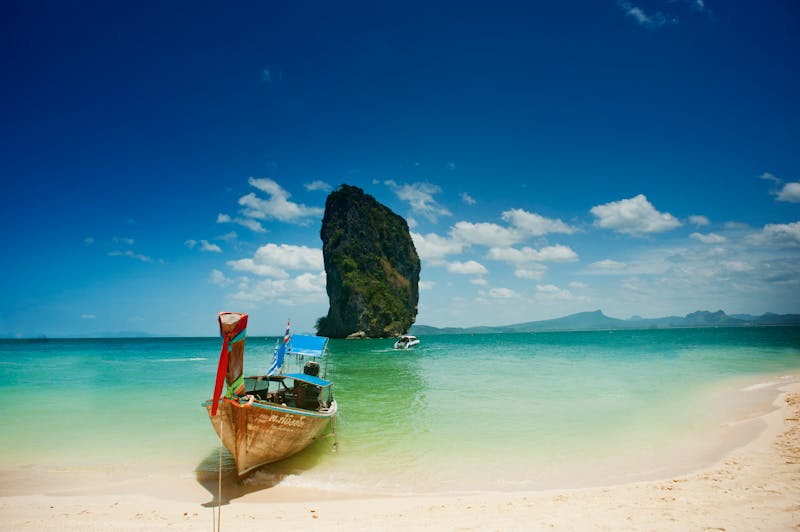
Vung Tau, a coastal city where the Saigon River meets the South China Sea, has long served as a beach getaway for Saigonese residents. While it's not Vietnam's most pristine beach destination, Vung Tau offers a refreshing change of pace with its oceanside promenade, fresh seafood, and interesting blend of Vietnamese and colonial influences.
Main Attractions:
Christ the Redeemer Statue: Perched on Nho Mountain, this 32-meter statue built in 1974 resembles Rio's famous Christ the Redeemer (though smaller). Climb 847 steps to reach the statue and enjoy panoramic views of Vung Tau's coastline and the surrounding countryside. The climb takes 20-30 minutes and is best done in the morning before it gets too hot.
Lighthouse (Hai Dang): Built by the French in 1907, this historic lighthouse sits atop Small Mountain (Nui Nho). The ascent involves 440 steps, but rewards you with 360-degree coastal views. The lighthouse still operates, guiding ships through these busy waters.
White Villa (Bach Dinh): This elegant French colonial mansion built in 1898 once served as a residence for French governors and later Emperor Bao Dai. Now a museum, it displays antique furniture, ceramics, and artifacts while offering insights into colonial-era luxury. The villa's hilltop setting provides lovely sea views.
Beaches: Vung Tau has several beaches with different characters:
- Back Beach (Bai Sau): The longest and most popular, with a 7km stretch perfect for walking, swimming, and water sports
- Front Beach (Bai Truoc): Calmer waters in a more protected bay, better for families with young children
- Pineapple Beach (Bai Dua): Quieter and less developed, popular with locals
- Mulberry Beach (Bai Dau): Small and rocky, but scenic with nearby seafood restaurants
Robert Taylor Museum of Worldwide Arms: An unusual attraction featuring British expatriate Robert Taylor's massive private collection of weapons, ceramics, and antiques from around the world. Quirky and fascinating.
Seafood Dining: Vung Tau excels at fresh seafood. Head to the area near Front Beach or Back Beach where restaurants display their catch—choose your seafood and specify cooking methods. Popular dishes include grilled scallops, steamed crab, spicy clams, and local fish. Expect to pay $10-25 for a substantial seafood feast.
Getting There:
- Hydrofoil: The fastest and most comfortable option. Boats depart from Bach Dang Wharf in District 1 (near the Saigon River). Journey takes 1.5 hours, costs VND 250,000-300,000 ($11-13), and boats run multiple times daily. Book in advance during weekends and holidays.
- Bus: Cheaper but slower. Buses leave from Mien Dong Bus Station, taking 2-2.5 hours and costing VND 80,000-120,000 ($3.50-5).
- Private car: Most comfortable for groups, takes 2-2.5 hours depending on traffic, costs $50-80 for the day.
Costs:
- Day tour packages: $35-60 USD per person
- DIY daily budget: $20-40 (transport, meals, entrance fees)
- Entrance fees: Christ statue VND 5,000, White Villa VND 15,000
- Beach chair rental: VND 30,000-50,000
Best For: Travelers wanting a quick beach fix, families seeking a relaxed day by the ocean, history buffs interested in colonial architecture, and seafood enthusiasts.
Tay Ninh and Cao Dai Temple
Distance: 95km northwest Travel Time: 2-2.5 hours Best For: Cultural exploration, religious sites, photography
Tay Ninh, a province bordering Cambodia, is home to the extraordinary Cao Dai Holy See, the main temple of Caodaism—a unique Vietnamese religion founded in 1926 that blends Buddhism, Taoism, Confucianism, Christianity, and Islam. The temple's architectural splendor and colorful ceremonies make this one of southern Vietnam's most fascinating cultural experiences.
Cao Dai Temple:
The temple itself is a visual feast—imagine a cathedral designed by someone equally inspired by European churches, Chinese temples, and psychedelic color theory. Pink columns wrapped with dragons, a sky-blue vaulted ceiling dotted with clouds and stars, yellow-robed clergy, and the all-seeing Divine Eye watching over everything.
Noon Prayer Ceremony: The highlight of any visit is attending one of the four daily prayer services (6 AM, noon, 6 PM, and midnight). The noon ceremony is most practical for day-trippers and most elaborate. Arrive by 11:30 AM to secure a good viewing spot in the visitor gallery. Watch as priests in colorful robes—white, red, yellow, and blue—enter in procession, accompanied by traditional instruments. The ceremony lasts about 45 minutes and involves chanting, prayers, and offerings.
Temple Architecture: The building combines elements from many traditions:
- Entrance gate with a three-arched façade
- Bell tower reminiscent of French churches
- Main nave with 28 columns representing Buddha's earthly existence
- The Divine Eye symbol above the main altar
- Murals depicting saints from various religions (Jesus, Buddha, Confucius, Vietnamese heroes, and even Victor Hugo and Sun Yat-sen)
Temple Rules:
- Remove shoes before entering
- Dress modestly (covered shoulders and knees)
- Visitors observe from the gallery, not the main floor during ceremonies
- Photography is allowed but be respectful
- Maintain silence during prayers
Black Virgin Mountain (Nui Ba Den): If you have extra time in Tay Ninh, consider visiting this spiritual mountain about 15km northeast of the Cao Dai Temple. A cable car whisks you to the summit where temples, pagodas, and spectacular views await. The mountain holds significance in both Buddhist tradition and local folklore. Allow 2-3 hours for this addition.
Combined Tours: Most visitors combine Tay Ninh with Cu Chi Tunnels since they're in the same direction from Ho Chi Minh City, creating a full day of historical and cultural exploration. This makes logistical sense and provides diverse experiences.
Getting There:
- Organized tour: $15-35 USD per person (often combined with Cu Chi)
- Bus: From Tay Ninh Bus Station (Mien Tay), VND 60,000-80,000, 2.5 hours
- Private car: $50-70 for the day (can include Cu Chi Tunnels)
Costs:
- Temple entry: Free (donations welcome)
- Combined Cu Chi/Cao Dai tour: $20-40 USD
- Meals in Tay Ninh: $3-7 at local restaurants
- Black Virgin Mountain cable car: VND 200,000 round-trip
Best For: Travelers interested in comparative religion, photographers seeking unique architecture and ceremonies, history enthusiasts, and anyone wanting to understand Vietnam's religious diversity.
Cu Chi Tunnels
Distance: 70km northwest Travel Time: 1.5 hours Best For: History buffs, Vietnam War interest
No list of day trips from Ho Chi Minh City would be complete without mentioning the Cu Chi Tunnels, though we've covered this extensively in our dedicated Cu Chi Tunnels guide. Here's a brief overview:
The Cu Chi Tunnels represent an extraordinary feat of engineering and determination—an underground network spanning over 250km that housed entire communities during the Vietnam War. Today, two sections are open to visitors: Ben Dinh (more touristy, closer to the city) and Ben Duoc (more authentic, less crowded).
Quick Facts:
- Tours typically include demonstrations of tunnel construction, trap displays, weapons exhibitions
- You can crawl through widened tunnel sections (claustrophobia warning!)
- Shooting range available (controversial for some visitors)
- Combined with Cao Dai Temple for a full cultural and historical day
- Cost: $15-35 USD for organized tours
For comprehensive information about visiting Cu Chi Tunnels, including detailed history, what to expect, and practical tips, see our complete Cu Chi Tunnels guide.
Transportation Options for Day Trips
Choosing the right transportation method significantly impacts your day trip experience, balancing cost, flexibility, comfort, and time efficiency.
Organized Tours
Pros:
- Hotel pickup and drop-off included
- English-speaking guides provide context and history
- All logistics handled (entrance fees, tickets, timing)
- Meet other travelers
- Usually best value for solo travelers
Cons:
- Fixed schedule with limited flexibility
- Larger groups can feel rushed
- May include commission-earning stops at shops
- One-size-fits-all itineraries
Best For: First-time visitors, solo travelers, those wanting hassle-free experiences, budget-conscious travelers
Where to Book:
- Your hotel/hostel (often the easiest option)
- Reputable tour companies: Sinh Tourist, The Sinh Tourist, Urban Adventures
- Online platforms: Klook, Viator, GetYourGuide
- Book at least one day in advance during peak season
Private Tours
Pros:
- Complete flexibility with timing and itinerary
- Personalized attention from guide
- Comfortable private vehicles
- Can accommodate special requests
- Better photo opportunities (guides will stop when you want)
Cons:
- More expensive (though cost per person decreases with larger groups)
- Need to research and vet companies
- Communication is crucial for expectations
Best For: Families, couples seeking romance, photographers, groups of friends, travelers with specific interests
Cost Range: $60-150 USD depending on destination, vehicle size, and inclusions
DIY Public Transport
Pros:
- Most economical option
- Complete independence
- Authentic local experience
- Flexibility to explore at your own pace
Cons:
- Requires planning and research
- Language barriers can be challenging
- Less efficient use of time (waiting for buses, finding routes)
- May miss cultural/historical context without a guide
- Can be stressful, especially in unfamiliar areas
Best For: Budget backpackers, experienced travelers comfortable with uncertainty, those seeking authentic local experiences, long-term visitors with time to spare
Tips:
- Download offline maps (Google Maps works well in Vietnam)
- Learn basic Vietnamese phrases
- Have addresses written in Vietnamese
- Start early to maximize daylight hours
- Research bus schedules and stations in advance
Motorbike Rental
Pros:
- Maximum flexibility
- Adventure and sense of freedom
- Can reach places difficult by public transport
- Relatively affordable
- Great for photography stops
Cons:
- Requires confidence riding in Vietnamese traffic
- Safety risks (accidents are common)
- Hot and tiring for long distances
- Parking and security concerns
- Need international driving permit (technically required)
Best For: Experienced motorbike riders, adventurous travelers, those visiting closer destinations (Can Gio, Cu Chi), photographers wanting flexibility
Cost: $7-15 USD per day for rental, plus fuel ($3-5 for day trips)
Safety Notes:
- Always wear a helmet (legally required)
- Rent from reputable shops
- Take photos of the bike's condition before leaving
- Consider travel insurance that covers motorbike accidents
- Don't ride at night
- Know your limits—Vietnamese traffic is intense
Private Car with Driver
Pros:
- Comfort and air conditioning
- Safe and reliable
- Flexibility with stops
- Good for groups (split cost)
- Driver can offer local insights and recommendations
Cons:
- More expensive than public transport
- Less authentic than local buses
- Driver may not speak English (confirm when booking)
- May recommend commission-earning stops
Best For: Families with young children, elderly travelers, groups of 4-6 people splitting costs, comfort-seekers, those with limited time
Cost Range: $40-80 USD for nearby destinations, $80-120 for longer trips
Booking: Hotels can arrange this, or use Grab's "Grab Car by the hour" option
Tour Packages vs DIY Trips
Understanding when to book a tour versus exploring independently helps you get the best value and experience for each destination.
When to Choose a Tour
Mekong Delta: Strongly recommended for first visits. Navigating the delta's complex waterways, coordinating boat rides, and understanding what you're seeing benefits greatly from a guide. The delta's cultural and agricultural practices require context for full appreciation.
Cu Chi Tunnels + Cao Dai Temple: Tours make sense here due to the combination of locations and the need for historical context. Without a guide, Cu Chi is just a tunnel, and you'll miss the dramatic noon ceremony at Cao Dai if your timing is off.
Language-Dependent Sites: Any destination where language barriers significantly impact the experience (like floating markets where bargaining and interaction are key) benefits from a tour.
Limited Time: If you have just one or two days for excursions, tours maximize efficiency and ensure you hit the highlights without transportation stress.
When to Go DIY
Vung Tau: Straightforward to visit independently via hydrofoil or bus. The city is tourist-friendly with English signage, and attractions are easy to find and navigate without a guide.
Can Gio: While tours exist, Can Gio is simple enough to explore independently if you're comfortable with basic navigation. The motorbike route is scenic and clear, and the main attractions are well-signposted.
Second Visits: If you've already toured the Mekong Delta or another destination, returning independently lets you explore at your own pace, focus on specific interests, and avoid tourist crowds.
Budget Focus: DIY trips cost 30-50% of tour prices. If budget is paramount and you're comfortable with uncertainties, going independent makes financial sense.
Photography: Serious photographers benefit from DIY flexibility to wait for perfect light, return to locations, and explore without a group's schedule constraints.
Best Day Trips by Interest
For Nature Lovers
- Can Gio Mangrove Forest - Biodiversity, birdwatching, coastal ecosystems
- Mekong Delta - River systems, agriculture, tropical landscapes
- Vung Tau - Ocean views, coastal hiking, beach environment
For History Enthusiasts
- Cu Chi Tunnels - Vietnam War history, underground warfare
- Cao Dai Temple - Religious history, cultural synthesis, colonial era
- Vung Tau - French colonial architecture, maritime history
For Culture Seekers
- Mekong Delta - Rural Vietnamese life, traditional crafts, agriculture
- Cao Dai Temple - Unique Vietnamese religion, ceremonial practices
- Ben Tre - Coconut cultivation, traditional music, local homestays
For Beach and Relaxation
- Vung Tau - Beach activities, coastal promenade, seafood dining
- Can Gio - Tan Thanh Beach, quiet coastline
- Phu Quoc (longer trip, 1-2 nights recommended) - Pristine beaches, snorkeling
For Photography
- Mekong Delta - Floating markets, river life, colorful boats
- Cao Dai Temple - Architectural details, ceremonial colors, unique composition
- Can Gio - Wildlife, mangrove landscapes, dramatic nature shots
For Families with Children
- Can Gio - Monkey Island, wildlife, beach activities
- Vung Tau - Beaches, cable car, accessible attractions
- Mekong Delta - Boat rides, fruit tastings, animal encounters
Time Requirements and Logistics
Half-Day Trips (4-6 hours total)
- Cu Chi Tunnels (if going to just one site)
- Close Mekong destinations (My Tho only)
- Possible but rushed—most destinations work better as full days
Full-Day Trips (8-12 hours)
- Mekong Delta (recommended duration)
- Cu Chi + Cao Dai combined
- Can Gio (with beach time)
- Vung Tau (leisurely pace)
- Tay Ninh (including Black Virgin Mountain)
Planning Your Day Trip Schedule
Morning Departures: Most tours leave between 7-8 AM to maximize daylight and catch early morning activities (floating markets, religious ceremonies).
Return Times: Expect to return to Ho Chi Minh City between 5-7 PM, accounting for traffic. Evening rush hour (5-7 PM) can significantly slow return journeys.
Buffer Time: Always add 30-60 minutes buffer time to published travel times, especially when traveling by road. Vietnamese traffic is unpredictable.
Multiple Day Trips: Don't pack day trips into consecutive days. They're tiring, and you'll miss some of Ho Chi Minh City's own attractions. Space them out with rest days.
Weather Considerations
Dry Season (November-April): Best for all day trips. Pleasant temperatures, minimal rain, clear skies. Book tours in advance, especially around holidays.
Rainy Season (May-October):
- Expect afternoon showers, especially in the delta
- Can Gio gets very muddy and mosquito-heavy
- Vung Tau beaches less appealing
- Boat tours may be affected by water levels
- Bring rain gear and waterproof bags
- Some destinations (like floating markets) actually more photogenic in moody weather
Hot Season (March-May): Temperatures can exceed 35°C (95°F). Bring sun protection, start early, stay hydrated. Can Gio and Cu Chi tunnels are particularly hot with limited shade.

Costs and Budgeting
Budget Day Trip (Under $25 USD)
- DIY Cu Chi Tunnels via public bus: $15-20
- Can Gio by rented motorbike: $15-25
- My Tho by bus with local guides: $15-20
Includes: Transport, entrance fees, simple meals Requires: Confidence navigating independently, flexibility with timing, basic Vietnamese helpful
Mid-Range Day Trip ($25-50 USD)
- Standard Mekong Delta group tour: $30-40
- Vung Tau by hydrofoil with independent exploration: $30-45
- Cu Chi + Cao Dai combined tour: $35-45
Includes: Transport, guide, entrance fees, lunch Best For: Most travelers seeking balance of value and convenience
Comfort Day Trip ($50-100 USD)
- Private Mekong Delta tour: $70-90
- Vung Tau by private car with seafood feast: $70-100
- Private Can Gio tour with extended activities: $60-80
Includes: Private transport, English-speaking guide, all meals, customized itinerary Best For: Families, couples, small groups seeking flexibility and comfort
Luxury Day Trip ($100+ USD)
- Helicopter tour to Mekong Delta: $300-500
- Private yacht to Vung Tau: $200-400
- Customized multi-destination private tour: $150-250
Includes: Premium transport, expert guides, fine dining, exclusive experiences Best For: Special occasions, luxury travelers, those seeking unique experiences
Money-Saving Tips
- Book direct with tour operators rather than through hotels (10-20% markup)
- Join group tours for better per-person rates
- Eat where locals eat rather than at tourist restaurants (50% savings)
- Bring your own water and snacks rather than buying at tourist sites (3x markup)
- Combine destinations (Cu Chi + Cao Dai costs less than separate trips)
- Travel off-season (May-October) for better deals and less crowding
- Negotiate private car rates directly with drivers at tourist areas
- Share costs by finding other travelers heading the same direction
Practical Tips for Day Trips
What to Bring
Essential Items:
- Passport or ID copy
- Cash (ATMs rare outside cities)
- Sun protection (hat, sunscreen SPF 50+, sunglasses)
- Insect repellent (DEET 30% or higher)
- Light rain jacket or poncho
- Reusable water bottle
- Hand sanitizer and wet wipes
- Phone with offline maps downloaded
Comfort Items:
- Motion sickness medication (for boats and buses)
- Snacks (especially for dietary restrictions)
- Small daypack for easy carrying
- Power bank for devices
- Vietnamese phrasebook or translation app
Specific Destinations:
- Mekong Delta: Waterproof bag for electronics, modest clothing for temple visits
- Can Gio: Binoculars for bird watching, swimming clothes, peanuts for monkeys
- Vung Tau: Beach clothes, reef-safe sunscreen, beach towel
- Cu Chi Tunnels: Closed-toe shoes, pants (not shorts), small flashlight
- Cao Dai Temple: Modest clothing (covered knees and shoulders)
Health and Safety
Food and Water:
- Stick to bottled water
- Be cautious with ice in rural areas
- Eat at busy restaurants where food turnover is high
- Avoid raw vegetables you can't peel yourself
- Street food is generally safe if cooked fresh and hot
Sun Protection:
- Reapply sunscreen every 2 hours
- Wear lightweight long sleeves for extended outdoor exposure
- Seek shade during 11 AM-2 PM when UV is strongest
- Stay hydrated (drink before you feel thirsty)
Common Issues:
- Motion sickness on boats (take medication 30 minutes before boarding)
- Heat exhaustion (rest in shade, drink water, cool compress)
- Mosquito bites (apply repellent early and often)
- Minor injuries (bring basic first aid kit)
Travel Insurance: Ensure your policy covers:
- Medical treatment in Vietnam
- Emergency evacuation
- Motorbike accidents (if riding)
- Trip cancellation
Cultural Etiquette
Respect Local Customs:
- Remove shoes when entering homes and temples
- Dress modestly at religious sites
- Ask permission before photographing people
- Don't touch people's heads (including children)
- Use both hands when giving or receiving items
Appropriate Behavior:
- Keep voices moderate, avoid loud conversation
- Don't display excessive affection in public
- Be patient with language barriers
- Don't point feet toward Buddha images or altars
- Turn off phone ringers in temples and during ceremonies
Tipping:
- Not traditionally expected in Vietnam but increasingly common
- Tour guides: $5-10 per person for full-day tours
- Drivers: $2-5 for day trips
- Restaurants: 5-10% if service charge not included
- Not necessary for taxis or routine services
Bargaining:
- Expected at markets and with street vendors
- Not appropriate at restaurants or established shops with marked prices
- Start at 50-60% of asking price
- Stay friendly and smile
- Be willing to walk away
- Remember you're bargaining over small amounts—don't be aggressive
Photography Tips
Best Times for Photos:
- Golden hour: 6-7:30 AM and 4:30-6 PM
- Floating markets: 6-8 AM when most active
- Cao Dai ceremony: Noon prayer for ceremonial photos
- Can Gio wildlife: Early morning for active animals
Respectful Photography:
- Always ask permission before photographing people
- Be especially careful with religious ceremonies
- Avoid photographing military or government buildings
- Don't photograph people in compromising or unflattering situations
- Offer to send photos (have business cards with email)
Camera Gear:
- Wide-angle lens for architecture and landscapes
- Telephoto for wildlife and candid shots
- Weather protection (rain, humidity, dust)
- Extra batteries and memory cards
- Lens cleaning supplies
Sample Itineraries
3-Day Day-Trips Itinerary
Day 1: History and Culture
- 7:00 AM - Depart for Cu Chi Tunnels
- 9:00 AM - Explore tunnel network
- 11:30 AM - Head to Tay Ninh
- 12:00 PM - Attend Cao Dai noon ceremony
- 2:00 PM - Lunch and temple exploration
- 5:30 PM - Return to Ho Chi Minh City
Day 2: Nature and Wildlife
- 7:00 AM - Depart for Can Gio
- 9:00 AM - Visit Monkey Island
- 11:00 AM - Mangrove forest walk at Vam Sat
- 1:00 PM - Seafood lunch at Tan Thanh Beach
- 3:00 PM - Beach relaxation
- 5:00 PM - Return to city
Day 3: River Life
- 6:00 AM - Early departure for Mekong Delta
- 8:30 AM - Cai Be Floating Market
- 10:00 AM - Boat rides through narrow canals
- 12:00 PM - Lunch featuring Mekong specialties
- 2:00 PM - Visit fruit orchards and local workshops
- 5:30 PM - Return to Ho Chi Minh City
Weekend Escape (2 Days)
Day 1: Beach and City
- 8:00 AM - Hydrofoil to Vung Tau
- 10:00 AM - Climb to Christ statue for views
- 12:00 PM - Beach time and swimming
- 2:00 PM - Seafood lunch on the waterfront
- 4:00 PM - Visit White Villa and lighthouse
- 6:00 PM - Return to Ho Chi Minh City
Day 2: Delta Experience
- 6:30 AM - Depart for Mekong Delta
- 9:00 AM - Floating market experience
- 11:00 AM - Traditional activities (coconut candy, honey farm)
- 1:00 PM - Lunch with local family
- 3:00 PM - Explore by sampan through palm-lined canals
- 6:00 PM - Return to city
Single Perfect Day Trip
If you can only do one day trip, choose based on your interests:
For Culture: Mekong Delta (most quintessentially Vietnamese experience) For History: Cu Chi + Cao Dai combined tour For Nature: Can Gio Mangrove Forest For Relaxation: Vung Tau beach escape
Frequently Asked Questions
Can I visit multiple destinations in one day? Cu Chi Tunnels + Cao Dai Temple work well together (same direction). Otherwise, attempting multiple major destinations results in too much travel time and rushed experiences.
Do I need to book in advance? During peak season (November-March) and holidays, advance booking is recommended. Low season allows more flexibility, though booking one day ahead ensures availability and better prices.
Are day trips suitable for young children? Can Gio (Monkey Island) and Vung Tau work well for kids. Mekong Delta tours can be long but interesting for children who enjoy boats. Cu Chi Tunnels depends on the child's interest in history.
What if I get motion sick easily? Take medication before boat trips and bus journeys. Sit in the front of vehicles when possible. Consider private car hire for more comfort and control over stops.
Is it safe to travel alone? Yes, all mentioned day trips are safe for solo travelers. Group tours provide easy opportunities to meet other travelers. Basic precautions apply: watch your belongings, avoid isolated areas, stay in communication.
Can I extend day trips to overnight stays? Can Tho (for Cai Rang Market) and Vung Tau both make excellent overnight trips if you have extra time. This allows for more relaxed exploration and avoiding long same-day journeys.
What's the best day trip for photography? Mekong Delta floating markets offer the most dramatic and colorful photo opportunities, especially if you arrive early. Cao Dai Temple is also excellent for unique architectural shots.
Making the Most of Your Day Trips
Day trips from Ho Chi Minh City offer essential contrast to the urban experience, revealing southern Vietnam's agricultural heritage, natural beauty, complex history, and spiritual diversity. Whether you're drawn to the serpentine waterways of the Mekong Delta, the war-era significance of Cu Chi Tunnels, the unique synthesis of Cao Dai Temple, the coastal charm of Vung Tau, or the ecological richness of Can Gio, each destination provides unique insights into this fascinating region.
The key to successful day trips is matching destinations to your interests and available time, choosing the right transportation method for your comfort level and budget, and maintaining realistic expectations about what you can experience in a single day. Don't try to see everything—select one or two destinations and explore them thoroughly rather than rushing through multiple sites.
Remember that day trips, while rewarding, can be tiring. Balance excursions with rest days in Ho Chi Minh City itself, where excellent museums, vibrant neighborhoods, incredible food, and cultural attractions deserve ample time. The best travel experiences come from depth, not breadth—truly understanding a place rather than simply photographing it.
With proper planning, appropriate expectations, and an adventurous spirit, day trips from Ho Chi Minh City will become highlights of your Vietnamese journey, providing memories and insights that persist long after you've returned home.