

Preserve Your Vietnam Memories
Turn your travel photos into beautiful custom magnets
A unique service available throughout Vietnam - simply send your favorite travel shots and receive beautiful, high-quality magnets at budget-friendly prices. Perfect for sharing with friends or decorating your space with travel memories.
Contact us on:
Vietnam's Most Instagram-Worthy Photography Spots
Vietnam is a photographer's paradise, offering an incredible diversity of landscapes, from emerald rice terraces cascading down mountain slopes to ancient towns glowing with thousands of lanterns. Whether you're chasing the perfect golden hour shot or seeking hidden gems off the beaten path, Vietnam delivers breathtaking backdrops that will make your Instagram feed unforgettable.
This comprehensive guide reveals the most photogenic locations across Vietnam, complete with specific timing advice, camera settings, and insider tips to help you capture stunning images while avoiding the crowds.
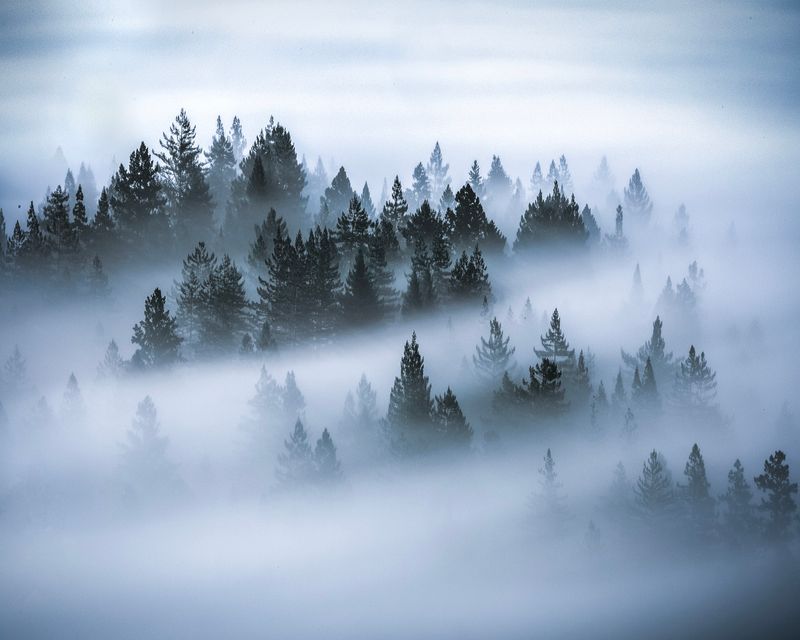
Why Vietnam is a Photography Hotspot
- Diverse Landscapes: Mountains, beaches, rivers, cities, and countryside all within one country
- Rich Cultural Heritage: Ancient towns, pagodas, and traditional villages provide authentic backdrops
- Golden Light: Tropical location means spectacular sunrise and sunset photography
- Street Photography Paradise: Vibrant street life, markets, and food scenes
- Affordable: Budget-friendly destination allowing longer stays to capture perfect shots
- Instagram Trends: Iconic locations like Hoi An lanterns and Golden Bridge have global recognition
Northern Vietnam Photography Spots
Ha Giang Loop - Epic Mountain Landscapes
Location: Ha Giang Province, northernmost Vietnam GPS Coordinates: 23.1428° N, 104.9832° E Best Time: September to November (after rice harvest) or May-June (green season) Best Times of Day: Sunrise (5:30-6:30 AM), Late afternoon (4:00-6:00 PM)
Ha Giang offers some of the most dramatic mountain scenery in Southeast Asia. The winding roads, terraced fields, and karst peaks create endless compositions.
Top Photo Locations:
- Ma Pi Leng Pass: The most famous viewpoint with hairpin turns overlooking Nho Que River
- Lung Cu Flag Tower: Panoramic mountain vistas at Vietnam's northernmost point
- Twin Mountains (Quan Ba): Perfect twin peaks rising from morning mist
- Tham Ma Pass: Less crowded alternative with incredible valley views
Photography Tips:
- Use a wide-angle lens (16-35mm) for landscape shots
- Bring a polarizing filter to enhance sky and reduce haze
- Settings: f/8-f/11 for landscape depth, ISO 100-400
- Capture local ethnic minority people with respect and permission
- Consider a 3-4 day motorbike loop for maximum photo opportunities
Avoiding Crowds: Visit during weekdays in October-November. Start early (sunrise) when tour groups haven't arrived yet.
Sapa Rice Terraces - Cascading Green Gold
Location: Lao Cai Province, near Chinese border GPS Coordinates: 22.3364° N, 103.8438° E Best Time: September-October (harvest season, golden terraces) or May-June (green and flooded) Best Times of Day: Early morning (5:00-7:00 AM for mist), Golden hour (5:00-6:30 PM)
Sapa's rice terraces are among Vietnam's most iconic images, especially during harvest season when they turn golden.
Top Photo Locations:
- Muong Hoa Valley: Extensive terraces between Sapa and Fansipan
- Y Ty Village: Remote terraces with minimal tourists
- Ta Van Village: Terraces with traditional houses
- Tram Ton Pass: Bird's eye view of terraced valleys
Photography Tips:
- Wake up before dawn for mystical morning fog
- Use a telephoto lens (70-200mm) to compress terrace layers
- Settings: f/5.6-f/8, ISO 200-800 depending on light
- Include local farmers for scale and storytelling
- Visit during rice-planting season (May-June) for water-mirror reflections
Hidden Gem: Take the cable car to Fansipan peak at sunrise for aerial terrace views with fewer tourists.
Tam Coc - The "Halong Bay on Land"
Location: Ninh Binh Province, 100km south of Hanoi GPS Coordinates: 20.2395° N, 105.9109° E Best Time: May-June (golden rice harvest) or September-October (green rice) Best Times of Day: Early morning (6:00-8:00 AM), Late afternoon (4:00-6:00 PM)
Limestone karsts rising from rice paddies create a surreal landscape perfect for photography.
Top Photo Locations:
- Hang Mua Peak: 500 steps to panoramic viewpoint over Tam Coc
- Mua Cave Viewpoint: Dragon sculpture with sweeping landscape views
- Trang An Boat Tour: Water-level perspective of karsts and caves
- Bich Dong Pagoda: Ancient temple framed by karst peaks
Photography Tips:
- Climb Hang Mua at sunrise or sunset for best light and fewer crowds
- Use graduated ND filter for balanced sky-landscape exposure
- Settings: f/8-f/11 for sharpness, ISO 100-400
- Shoot from boat tours for unique water-level compositions
- Bring drone for aerial shots (follow local regulations)
Avoiding Crowds: Visit on weekdays and arrive at Hang Mua by 6:00 AM. Tour groups arrive after 8:30 AM.
Halong Bay - Emerald Waters and Karst Islands
Location: Quang Ninh Province, Gulf of Tonkin GPS Coordinates: 20.9101° N, 107.1839° E Best Time: March-May or September-November (clear weather) Best Times of Day: Sunrise (5:30-6:30 AM), Blue hour (6:00-7:00 PM)
The UNESCO World Heritage Site features 1,600 limestone islands rising from emerald waters.
Top Photo Locations:
- Ti Top Island Peak: 360-degree bay views after a short climb
- Sung Sot Cave (Surprise Cave): Dramatic cave formations with lighting
- Kayaking through Karsts: Eye-level perspective of towering cliffs
- Traditional Junk Boats: Classic Vietnamese vessels as subjects
- Floating Villages: Authentic local life on water
Photography Tips:
- Book overnight cruises for sunrise/sunset opportunities
- Use a wide-angle lens for boat deck shots
- Settings: f/8-f/11, ISO 100-400, consider long exposures at blue hour
- Bring waterproof camera for kayaking shots
- Polarizing filter essential for water clarity
Avoiding Crowds: Choose smaller premium cruises over large budget tours. Visit less-popular Bai Tu Long Bay or Lan Ha Bay instead.
Drone Photography: Allowed in most areas but check with cruise operators. Launch from boat decks for stunning aerial perspectives.
Central Vietnam Photography Spots
Hoi An Ancient Town - Lantern Paradise
Location: Quang Nam Province, Central Coast GPS Coordinates: 15.8801° N, 108.3380° E Best Time: Year-round, but especially during Lantern Festival (14th of lunar month) Best Times of Day: Blue hour to night (6:00-9:00 PM), Early morning (5:30-7:00 AM)
Hoi An's yellow colonial buildings and thousands of colorful lanterns create the most Instagram-famous scenes in Vietnam.
Top Photo Locations:
- Japanese Covered Bridge: Iconic landmark at sunset
- Thu Bon Riverside: Lantern reflections on water at night
- Nguyen Hoang Street: Hanging lantern shops creating color tunnels
- An Bang Beach: Serene sunrise shots with fishing boats
- Cam Thanh Water Coconut Forest: Unique round bamboo boats
Photography Tips:
- Shoot during blue hour (just after sunset) for balanced ambient and lantern light
- Settings for night: f/2.8-f/4, ISO 1600-3200, 1/30-1/60s handheld or slower on tripod
- Use reflections in river for doubled visual impact
- Rent traditional Vietnamese dress (ao dai) for cultural portraits
- Visit during monthly Lantern Festival when electric lights turn off
Avoiding Crowds: Arrive at Japanese Bridge by 5:30 AM for empty shots. For night photography, explore smaller side streets away from main tourist areas. Late evening (after 9 PM) also sees fewer tourists.
Unique Angle: Rent a boat at sunset to photograph the riverside from water level with lantern reflections.
Golden Bridge at Ba Na Hills - Hands Holding Heaven
Location: Near Da Nang, Truong Son Mountains GPS Coordinates: 15.9959° N, 107.9978° E Best Time: March-May (clear weather) or September-November Best Times of Day: Early morning (8:00-10:00 AM), Late afternoon (3:00-5:00 PM)
The Golden Bridge, held up by giant stone hands, became an Instagram sensation for its unique design set against mountain clouds.
Top Photo Locations:
- Golden Bridge itself: The main attraction with stone hands
- Love Lock Bridge: Romantic spot with mountain backdrop
- Le Jardin D'Amour: Formal French gardens
- Linh Ung Pagoda: Massive Buddha statue with panoramic views
- Alpine Village: European-style buildings at 1,400m elevation
Photography Tips:
- Arrive when cable car opens (7:00 AM) to beat crowds
- Use wide-angle lens to capture full bridge curve
- Settings: f/8, ISO 200-400, watch for changing mist
- Shoot from multiple angles: bridge walkway, below bridge, ends
- Overcast days create dramatic misty atmosphere
- Consider shooting in portrait orientation for Instagram
Avoiding Crowds: Visit on weekdays outside Vietnamese holidays. First cable car up or last down have minimal crowds.
Weather Note: Bridge can be completely obscured by fog—check weather forecasts and be flexible with timing.
Marble Mountains - Mystical Caves and Pagodas
Location: Between Da Nang and Hoi An GPS Coordinates: 16.0004° N, 108.2632° E Best Time: Year-round, early morning for light beams Best Times of Day: Morning (7:00-10:00 AM for light shafts), Late afternoon (4:00-6:00 PM)
Five marble and limestone hills containing caves, pagodas, and dramatic light shows.
Top Photo Locations:
- Huyen Khong Cave: Famous for light beams streaming through ceiling holes
- Linh Ung Pagoda: White Buddha statue against blue sky
- Tang Chon Cave: Multi-level cave system with lighting
- Am Phu Cave: Hell and heaven themed cave with unique sculptures
Photography Tips:
- Visit Huyen Khong Cave between 9:00-11:00 AM for best light beam effect
- Bring tripod for long exposures in dark caves
- Settings: f/8-f/11, ISO 800-3200 in caves, use spot metering for light beams
- Wide-angle lens (16-35mm) essential for cave interiors
- Don't use flash—disrupts natural cave atmosphere
Hidden Gem: Climb to the summit viewpoint early morning for panoramic coastal views with few other visitors.
Hue Imperial Citadel - Royal Grandeur
Location: Hue City, Thua Thien-Hue Province GPS Coordinates: 16.4673° N, 107.5767° E Best Time: March-April (less rain) Best Times of Day: Early morning (6:30-8:00 AM), Late afternoon (4:00-6:00 PM)
The former imperial capital offers grand architecture, moats, and peaceful gardens.
Top Photo Locations:
- Ngo Mon Gate: Massive imperial gate with yellow tiles
- Thai Hoa Palace: Symmetrical red and gold throne hall
- Forbidden Purple City: Weathered ruins with character
- Tomb of Khai Dinh: Ornate hillside tomb with French-Vietnamese architecture
- Perfume River at sunset: Traditional dragon boats
Photography Tips:
- Symmetry is key—center your compositions for imperial grandeur
- Settings: f/8-f/11, ISO 100-400
- Include Vietnamese people in traditional dress (ao dai) for scale
- Golden hour light enhances yellow and red architecture
- Visit tombs in late afternoon for dramatic side-lighting
Avoiding Crowds: Enter right when gates open at 6:30 AM. Most tour groups arrive after 8:30 AM.
Southern Vietnam Photography Spots
Mekong Delta - Floating Markets and River Life
Location: Southwest Vietnam, multiple provinces GPS Coordinates: 10.0452° N, 105.7469° E (Can Tho) Best Time: December-April (dry season) Best Times of Day: Dawn (5:00-7:00 AM for markets), Golden hour (5:00-6:00 PM)
The Mekong Delta's intricate waterways, floating markets, and river life offer authentic Vietnamese photography.
Top Photo Locations:
- Cai Rang Floating Market: Largest and most photogenic market near Can Tho
- Phong Dien Floating Market: Smaller, more authentic, less touristy
- Coconut Monk Temple: Unique religious site with colorful architecture
- Tra Su Cajuput Forest: Flooded forest with boat tours through trees
- Vinh Long Fruit Orchards: Lush tropical fruit farms along canals
Photography Tips:
- Arrive at floating markets by 6:00 AM when they're most active
- Hire private boat for flexibility in positioning
- Settings: f/4-f/5.6, ISO 400-800 in dawn light
- Use telephoto lens (70-200mm) to capture vendor interactions
- Wide-angle for overall market atmosphere
- Protect gear from water splashes
Avoiding Crowds: Choose Phong Dien over Cai Rang for authentic experience with fewer tourists. Visit on weekdays.
Unique Angle: Stay overnight in homestay to photograph riverside life at golden hour and sunrise.
Ho Chi Minh City - Urban Architecture
Location: Southern Vietnam, largest city GPS Coordinates: 10.8231° N, 106.6297° E Best Time: Year-round Best Times of Day: Blue hour (6:00-7:00 PM), Night (7:00-10:00 PM)
Saigon offers striking contrasts of French colonial, modern, and traditional architecture.
Top Photo Locations:
- Bitexco Financial Tower Skydeck: 360-degree city views from 49th floor
- Notre Dame Cathedral: French Gothic architecture (under renovation until 2027)
- Ben Thanh Market: Bustling local life and street food
- Nguyen Hue Walking Street: Light displays and modern cityscape
- The Cafe Apartment: Instagram-famous colorful building facade
- Tan Dinh Church (Pink Church): Cotton-candy pink Catholic church
- Saigon Central Post Office: Colonial architecture with green and yellow facade
Photography Tips:
- Shoot from Skydeck during blue hour for city light trails
- Settings: f/8-f/16 for starburst effect on lights, 10-30s exposures on tripod
- The Cafe Apartment best shot from across the street in afternoon light
- Include xe om (motorbike taxis) and street vendors for authentic urban feel
- Use fast shutter (1/250s+) to freeze chaotic traffic
Hidden Gem: Tan Dinh Church has far fewer tourists than Notre Dame and offers unique pink photography opportunities, especially in morning light.
Cu Chi Tunnels - Historical Underground Network
Location: 40km northwest of Ho Chi Minh City GPS Coordinates: 11.1552° N, 106.4620° E Best Time: Year-round Best Times of Day: Early morning (8:00-10:00 AM to avoid heat)
While primarily a historical site, the tunnels and war remnants offer powerful documentary-style photography.
Photography Tips:
- Focus on textures and details rather than wide shots
- Settings: f/4-f/5.6, ISO 1600-3200 in dark tunnels
- Use available light and high ISO instead of flash when possible
- Capture emotional portraits of guides demonstrating tunnel life
- Photograph trap doors, camouflaged entrances for storytelling
- Be respectful—this is a war memorial site
Phu Quoc Island - Tropical Beach Paradise
Location: Gulf of Thailand, Southwest Vietnam GPS Coordinates: 10.2899° N, 103.9839° E Best Time: November-March (dry season) Best Times of Day: Sunrise (5:45-6:30 AM), Sunset (5:30-6:30 PM)
Vietnam's largest island offers pristine beaches, fishing villages, and stunning sunsets.
Top Photo Locations:
- Sao Beach: Powdery white sand and turquoise water
- Rach Vem Fishing Village: Colorful wooden fishing boats
- Phu Quoc Cable Car: World's longest sea cable car with aerial views
- Sunset Sanato Beach Club: Perfect sunset viewing point
- Ganh Dau Cape: Rocky coastline with Cambodia views
- Bai Dai Long Beach: Undeveloped beach with palm trees
Photography Tips:
- Use graduated ND filter for beach sunrise/sunset shots
- Settings: f/11-f/16, ISO 100-200, long exposure for silky water
- Include fishing boats and palm trees for tropical composition
- Underwater photography possible at select diving spots
- Sunset on west coast, sunrise on east coast
Avoiding Crowds: Sao Beach gets packed midday—arrive by 7:00 AM or after 4:00 PM. Explore northern beaches like Ganh Dau for solitude.
Drone Photography in Vietnam
Regulations and Rules
Legal Status: Drone flying is regulated but permitted in most areas with restrictions.
Key Regulations:
- Register drones with Civil Aviation Authority of Vietnam (CAAV) for flights
- No-fly zones include: military areas, airports, government buildings, crowded events
- Maximum altitude: 100 meters (328 feet)
- Keep visual line of sight with drone
- No flying over people or crowded areas
- Permission required for commercial use
Practical Reality: Enforcement is inconsistent. Many tourists fly without registration for personal use, but technically illegal. Exercise good judgment and respect locals' privacy.
Best Drone Photography Spots
Permitted and Stunning Locations:
- Ha Giang Loop: Mountain roads and valleys (mostly unpopulated)
- Tam Coc Rice Fields: Aerial views of karsts and paddies
- Mekong Delta: River networks and floating markets (early morning)
- Phu Quoc Beaches: Coastal and beach aerial shots
- Hoi An Countryside: Rice paddies and water buffalo (outside old town)
- Tea Plantations (Moc Chau, Da Lat): Rolling green hills
Avoid Flying:
- Halong Bay (restricted area)
- City centers of Hanoi, HCMC, Da Nang
- Military zones and airports
- Crowded tourist attractions
- During festivals and events
Tips for Drone Photography:
- Fly early morning or late afternoon for best light
- Start with low altitude and increase gradually
- Use ND filters for smooth video
- Watch battery levels—tropical heat drains faster
- Bring extra batteries and memory cards
- Edit with color grading to enhance tropical tones
Hidden Photo Gems Off the Beaten Path
Pu Luong Nature Reserve
Location: Thanh Hoa Province, between Hanoi and Sapa Why Special: Terraced rice fields without Sapa's crowds, traditional Thai villages
Best Shot: Sunrise over terraces from Kho Muong village viewpoint.
Phong Nha-Ke Bang National Park
Location: Quang Binh Province, Central Vietnam Why Special: World's largest cave (Son Doong), dramatic karst formations, jungle landscapes
Best Shot: Paradise Cave interior with colorful lighting, Phong Nha Cave boat entrance.
Bac Ha Sunday Market
Location: Lao Cai Province, North Vietnam Why Special: Colorful ethnic minority market, authentic cultural photography
Best Shot: Flower Hmong women in traditional dress and jewelry.
Mui Ne Sand Dunes
Location: Binh Thuan Province, South Central Coast Why Special: Red and white sand dunes creating desert landscapes in Vietnam
Best Shot: Sunrise at white dunes with few tourists, red dunes at sunset.
Ban Gioc Waterfall
Location: Cao Bang Province, Chinese border Why Special: Vietnam's largest waterfall, turquoise pools, bamboo raft rides
Best Shot: Mid-morning when sun illuminates falls, framed by surrounding jungle.
Cao Bang Loop
Location: Cao Bang Province, Northeast Vietnam Why Special: Similar scenery to Ha Giang but 90% fewer tourists
Best Shot: Ban Gioc Waterfall, Nguom Ngao Cave, mountain roads with zero crowds.
Essential Photography Gear for Vietnam
Must-Have Equipment
Camera Body:
- Mirrorless or DSLR with good high ISO performance (for low-light markets and caves)
- Weather-sealed body recommended (humidity and rain)
- Backup camera or smartphone for quick shots
Lenses:
- Wide-angle (16-35mm): Essential for landscapes, architecture, caves
- Standard zoom (24-70mm): Versatile for most situations
- Telephoto (70-200mm): Floating markets, rice terraces, compressing layers
- Prime lens (35mm or 50mm f/1.8): Low-light street photography
Accessories:
- Sturdy tripod for long exposures (waterfalls, night scenes)
- Polarizing filter (reduces glare, enhances colors)
- ND filters (smooths water, allows long daylight exposures)
- Extra batteries (heat drains them faster)
- Memory cards (64-128GB minimum)
- Waterproof camera bag or cover
- Lens cleaning kit (humidity causes condensation)
- Drone (optional but valuable for aerial perspectives)
Mobile Photography: Modern smartphones (iPhone 14+, Samsung S22+, Google Pixel 7+) are highly capable:
- Use portrait mode for people shots
- Night mode for lantern photography
- Wide-angle lens for landscapes
- Edit with apps like Lightroom Mobile, VSCO, Snapseed
Protecting Gear in Vietnam's Climate
Vietnam's tropical climate poses challenges:
- Humidity: Store gear with silica gel packets, use dry bags
- Rain: Always carry waterproof cover, especially May-October
- Heat: Don't leave equipment in direct sun or hot vehicles
- Dust: Clean sensor and lenses regularly, especially in rural areas
- Condensation: When moving from AC to heat, let camera acclimate before exposing sensor
Camera Settings Guide
Landscapes (Rice Terraces, Mountains, Beaches)
- Aperture: f/8-f/16 (maximize depth of field)
- ISO: 100-400 (lowest for quality)
- Shutter: 1/125s+ handheld, slower on tripod
- Focus: One-third into scene for maximum sharpness
- Mode: Aperture Priority (Av/A) or Manual
Street Photography (Markets, Cities)
- Aperture: f/4-f/8 (balance between speed and sharpness)
- ISO: 400-1600+ (allow faster shutter)
- Shutter: 1/250s+ (freeze motion)
- Focus: Continuous AF, eye tracking
- Mode: Shutter Priority (Tv/S) or Manual
Night Photography (Lanterns, City Lights)
- Aperture: f/2.8-f/5.6 (depends on desired effect)
- ISO: 1600-6400 (balance noise and speed)
- Shutter: 1/30s-30s (depends on tripod use)
- Focus: Manual focus on lights, live view zoom
- Mode: Manual, shoot RAW for editing flexibility
Portraits (Local People, Travel Companions)
- Aperture: f/1.8-f/4 (blur background)
- ISO: 100-800 (as low as light allows)
- Shutter: 1/125s+ (minimum for sharp faces)
- Focus: Single point on nearest eye
- Mode: Aperture Priority (Av/A)
Waterfalls (Ban Gioc, Pongour Falls)
- Aperture: f/11-f/16
- ISO: 100
- Shutter: 0.5s-2s (silky water effect)
- ND Filter: Often necessary in bright conditions
- Tripod: Essential
Photography Ethics and Respect
Photographing Local People
Always Ask Permission: Especially with ethnic minorities who may have cultural sensitivities.
Respect "No Photo" Wishes: Some religious sites and individuals don't allow photography.
Don't Photograph Like a Tourist: Engage first, ask to take photo second. Learn basic Vietnamese greetings.
Offer to Share Photos: Get email/social media and send them copies—it's appreciated.
Avoid Exploitation: Don't photograph poverty or hardship for "poverty porn" without context and consent.
Tip Appropriately: If someone poses professionally (traditional dress, performances), offer small tip.
Sacred and Sensitive Sites
Temples and Pagodas: Remove shoes, dress modestly, avoid flash, don't photograph monks without permission.
War Sites (Cu Chi, War Remnants Museum): Be respectful—these represent real trauma and loss.
Ethnic Villages: Don't treat people like zoo animals. Engage respectfully, hire local guides.
Private Property: Don't trespass for shots. Ask homestay owners before photographing their homes.
Post-Processing Tips for Vietnam Photos
Color Grading
Vietnam's Natural Color Palette:
- Rich greens (rice paddies, jungles)
- Warm yellows and golds (lanterns, temples)
- Turquoise and emerald (waters, bays)
- Earthy reds and oranges (architecture, sunsets)
Editing Recommendations:
- Boost saturation slightly (+10-20) for tropical vibrancy
- Increase vibrance for natural color enhancement
- Warm white balance (+200-500K) for golden hour glow
- Enhance greens in HSL panel for rice terrace lushness
- Lift shadows to reveal detail in lantern scenes
- Add clarity for architectural detail
Fixing Common Issues
Hazy Mountains: Increase clarity and dehaze, boost contrast Harsh Midday Light: Reduce highlights, increase shadows, add graduated filter Lantern Glow: Mask lanterns, increase exposure and warmth Overcast Skies: Convert to black and white or replace sky Humid Atmosphere: Use clarity and texture adjustments to restore sharpness
Mobile Editing
Recommended Apps:
- Lightroom Mobile: Full editing power on phone
- VSCO: Preset filters for consistent style
- Snapseed: Selective editing, HDR effects
- TouchRetouch: Remove tourists from shots
- Instagram: Final crop and minor tweaks
Creating Lasting Travel Memories
As you capture Vietnam's stunning landscapes and vibrant culture through your lens, you'll naturally accumulate hundreds of incredible photos. Beyond digital galleries and social media posts, many photographers and travelers are discovering creative ways to preserve and display their favorite shots.
One increasingly popular option is turning travel photos into custom photo magnets. This service, widely available throughout Vietnam with affordable prices and quick turnaround, allows you to transform your best images into tangible keepsakes. Whether displayed on your refrigerator, metal boards, or given as unique gifts to travel companions, these personalized magnets become daily reminders of your Vietnamese adventure—from the golden lanterns of Hoi An to the misty mountains of Ha Giang.
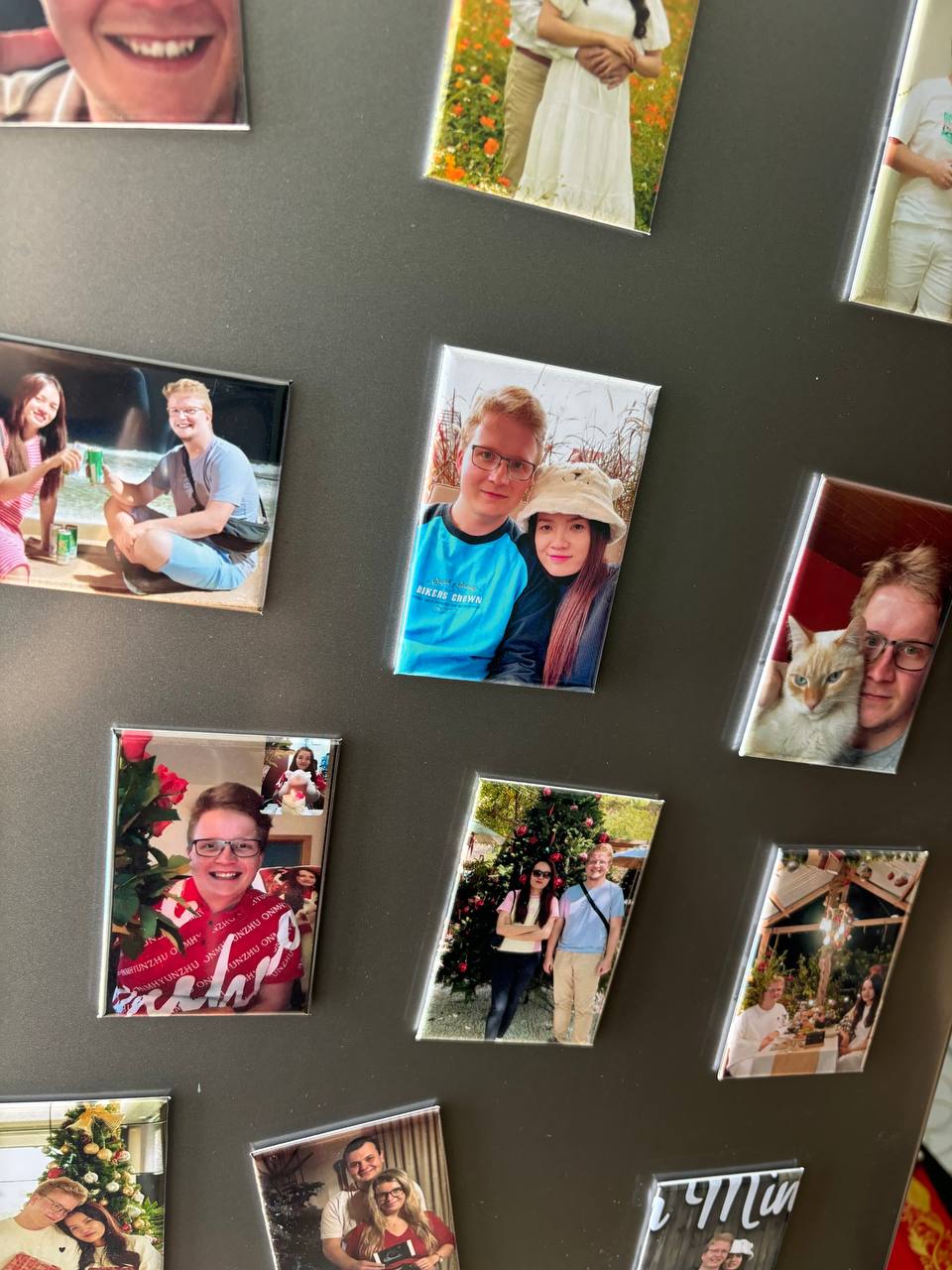
It's a practical way to curate your favorite moments and create a rotating display of memories that goes beyond the standard photo book or frame.
Best Times to Photograph Vietnam by Region
North Vietnam
- Best Overall: September-November, March-May
- Rice Terraces: May-June (green), September-October (golden)
- Mountain Views: October-December (clear skies)
- Avoid: July-August (typhoons, heavy rain)
Central Vietnam
- Best Overall: February-May
- Hoi An Lanterns: Year-round, especially Lantern Festival (14th lunar day)
- Beach Photography: March-August
- Avoid: October-January (rainy season, possible flooding)
South Vietnam
- Best Overall: December-April (dry season)
- Mekong Delta: December-April
- Beaches: November-March
- Avoid: May-October (monsoon season)
Instagram Strategy for Vietnam Travel
Hashtag Recommendations
General Vietnam: #VietnamTravel #DiscoverVietnam #ExploreVietnam #VietnamPhotography #BeautifulVietnam #VisitVietnam #TravelVietnam
Location-Specific: #HaGiangLoop #SapaVietnam #HoiAnAncientTown #HalongBay #HCMCStreets #PhuQuocIsland #MekongDelta
Photography-Focused: #TravelPhotography #InstaVietnam #VietnamInPhotos #AsiaTravel #SoutheastAsiaTravel #LandscapePhotography
Content Mix Strategy
Create diverse content for engagement:
- Landscapes: 40% (iconic views, rice terraces, bays)
- Cultural: 25% (lanterns, temples, markets)
- Food: 15% (street food, local cuisine)
- People/Lifestyle: 10% (locals, travel companions)
- Architecture: 10% (colonial buildings, modern cityscapes)
Posting Tips
- Post during peak engagement hours: 6-9 AM and 6-9 PM (Vietnam time)
- Write engaging captions with stories, tips, or questions
- Tag locations precisely for discoverability
- Engage with other Vietnam travel accounts
- Use carousel posts for before/after or multiple angles
- Share Stories for behind-the-scenes content
- Create Reels for waterfalls, markets, street scenes
Final Tips for Incredible Vietnam Photography
- Wake Up Early: Most iconic shots require sunrise timing—crowds, light, and atmosphere are all better
- Stay Flexible: Weather changes rapidly; be ready to adapt your plans
- Explore Beyond Hotspots: The best photos often come from unexpected places
- Engage with Locals: The best photo ops come from genuine connections
- Protect Your Gear: Invest in good bags, covers, and insurance
- Shoot in RAW: Maximum editing flexibility for tropical conditions
- Tell Stories: Go beyond pretty pictures—capture emotion, culture, and authenticity
- Be Patient: Wait for the right light, the perfect moment, the empty frame
- Respect Local Culture: Great photos never come at the expense of people's dignity
- Enjoy the Moment: Don't spend entire trip behind camera—experience Vietnam with your eyes too
Vietnam offers endless photographic possibilities, from the dramatic mountains of the north to the tropical beaches of the south. With proper preparation, respect for local culture, and creative vision, you'll return home with not just Instagram-worthy shots, but meaningful images that capture the soul of this incredible country.
Pack your camera, charge your batteries, and get ready to discover why Vietnam has become one of the world's most photogenic destinations. The perfect shot is waiting—you just need to be there to capture it.