

Preserve Your Vietnam Memories
Turn your travel photos into beautiful custom magnets
A unique service available throughout Vietnam - simply send your favorite travel shots and receive beautiful, high-quality magnets at budget-friendly prices. Perfect for sharing with friends or decorating your space with travel memories.
Contact us on:
Vietnam's coastline stretches over 3,200 kilometers, offering some of Southeast Asia's most pristine and affordable diving experiences. From the remote marine parks of Con Dao Islands to the budget-friendly PADI courses in Nha Trang, Vietnam has emerged as a premier destination for both certified divers and snorkeling enthusiasts. October through November marks peak diving season, when visibility reaches 30+ meters and calm seas create perfect conditions for underwater exploration.
Whether you're seeking encounters with rare dugongs in protected marine reserves, completing your Open Water certification on a backpacker budget, or introducing your family to shallow snorkeling spots, Vietnam's diverse underwater landscapes deliver unforgettable experiences. The country's growing commitment to marine conservation has also made it an attractive destination for eco-conscious travelers who want to dive responsibly while supporting reef protection efforts.
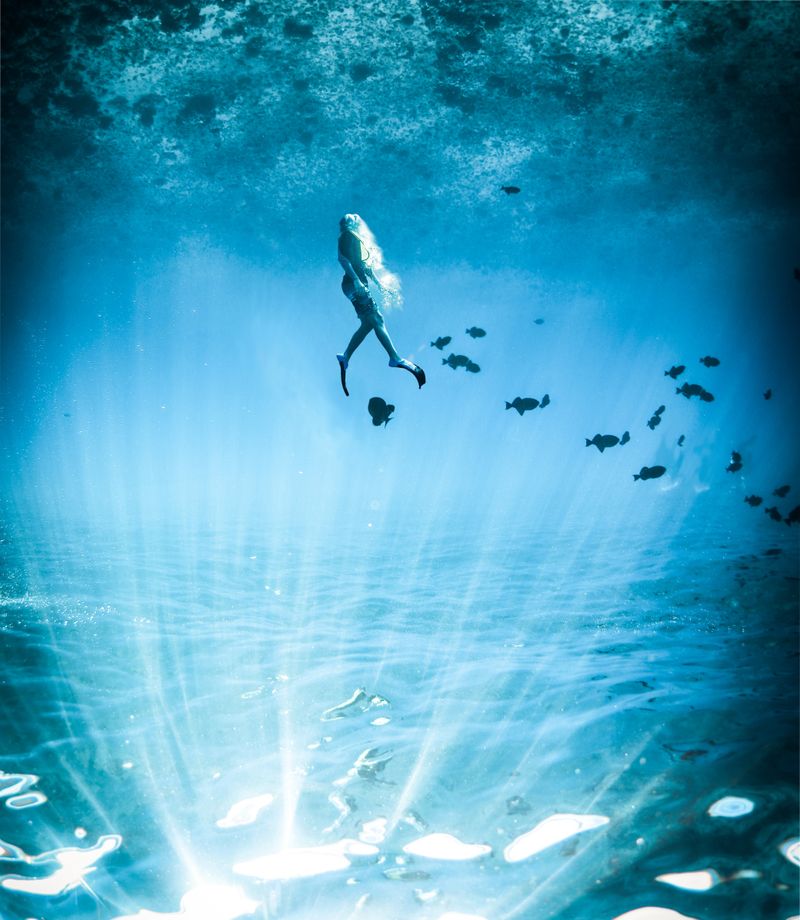
Why Choose Vietnam for Diving and Snorkeling
- Affordable PADI Certifications: Complete your Open Water course for $300-450, significantly cheaper than Thailand or Indonesia
- Diverse Marine Ecosystems: From pristine coral reefs to seagrass meadows and rocky underwater mountains
- Peak Season Advantage: October-November offers best visibility (20-30m), calm seas, and comfortable water temperatures (27-29°C)
- Uncrowded Dive Sites: Experience remote locations like Con Dao and Whale Island without the tourist masses
- Marine Conservation Focus: Support protected marine parks and witness recovery efforts firsthand
- Beginner-Friendly Options: Shallow snorkeling spots perfect for families and first-timers
- Year-Round Diving: While peak season is October-November, different regions offer diving opportunities throughout the year
Top Diving and Snorkeling Destinations
Con Dao Islands: Vietnam's Premier Marine Paradise
Located 180 kilometers off the southern coast, Con Dao Islands represent Vietnam's most pristine diving destination. This 14-island archipelago, 80% of which is protected as Con Dao National Park, offers world-class diving with minimal tourist infrastructure.
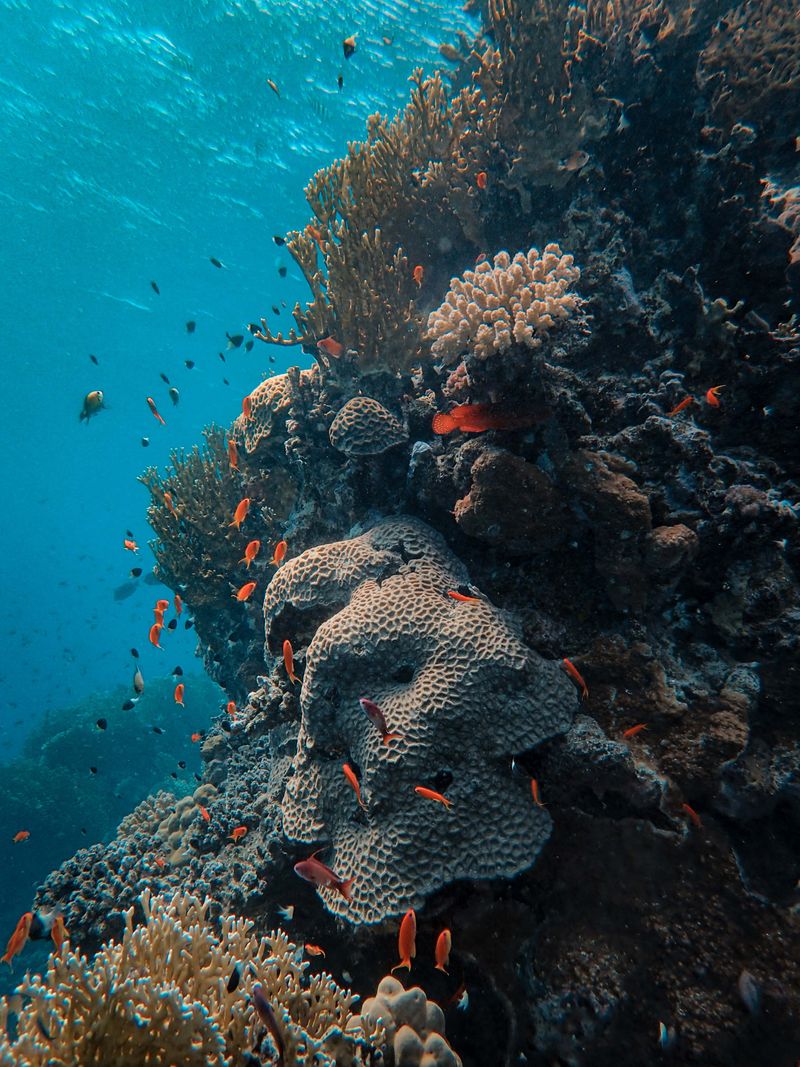
What Makes Con Dao Special:
- Dugong Sightings: One of few places in the world where you might encounter these rare marine mammals grazing on seagrass beds
- Pristine Hard Coral Gardens: Untouched coral formations spanning massive underwater landscapes
- Pelagic Encounters: Regular sightings of reef sharks, rays, sea turtles, and occasional whale sharks
- Limited Development: Strict conservation regulations maintain underwater health
- Protected Marine Park: 6,000 hectares of marine reserve with active protection programs
Best Dive Sites:
- Bay Canh: Spectacular hard coral gardens, sea turtle nesting sites, and dugong feeding grounds
- Tai Lon: Deep wall dives with strong currents attracting large pelagics
- Hon Tre (Bamboo Island): Shallow reefs perfect for beginners and snorkelers
- Hon Tai: Advanced dive site with dramatic drop-offs and cave systems
Practical Information:
- Best Time: March-September (avoid rough seas from October-February, opposite of mainland)
- Getting There: 45-minute flight from Ho Chi Minh City to Con Dao Airport
- Dive Operators: Dive! Dive! Dive! and Con Dao Dive Center (2-tank dives: $85-110)
- Accommodation: Mix of budget guesthouses ($20-40) and luxury resorts ($150-300)
- Certification Level: Most sites suitable for beginners; advanced sites available for certified divers
- Park Fees: Marine park entrance fee of $3-5 per person
Conservation Notes: Con Dao is a success story in marine conservation. Fishing is strictly regulated, and turtle nesting beaches are protected. When diving here, maintain excellent buoyancy control to avoid coral damage, and never chase or touch marine life, especially dugongs and turtles.
Nha Trang: Budget Diving Capital of Vietnam
This bustling coastal city has become Southeast Asia's go-to destination for affordable PADI certifications and fun diving. With over 20 dive centers competing for business, Nha Trang offers unbeatable value for course-takers and experienced divers alike.
Why Divers Love Nha Trang:
- Cheapest PADI Courses: Open Water certification for $300-450 (3-4 days)
- Multiple Dive Sites: 19+ islands with varied underwater landscapes
- Year-Round Diving: Protected bay offers diving even during monsoon season
- Vibrant Backpacker Scene: Easy to meet dive buddies and share experiences
- Equipment Quality: Modern gear and professional instruction standards
Top Dive Sites:
- Hon Mun Marine Park: The crown jewel with 350+ coral species, protected since 2001
- Moray Beach: Dense population of moray eels, lionfish, and macro life
- Madonna Rock: Underwater pinnacle rising from 30m depth, excellent for fish aggregations
- Rainbow Reef: Shallow colorful reef perfect for new Open Water divers
- Coral Garden: Gentle current, excellent visibility, ideal for underwater photography
Dive Center Comparison:
- Rainbow Divers: Most established, higher prices ($90-100 for 2 dives), excellent safety record
- Angel Dive: Budget-friendly ($70-80 for 2 dives), smaller groups, good for courses
- Sailing Club Divers: Mid-range pricing, convenient beach location, combines diving with resort access
- Jeremy Stein Diving: Specialized in small groups and advanced training
PADI Course Costs:
- Open Water Diver: $350-450 (3-4 days)
- Advanced Open Water: $280-350 (2 days)
- Rescue Diver: $350-400 (3 days)
- Divemaster: $800-1,000 (4-6 weeks)
Practical Tips:
- Best Time: February-September (peak: March-August)
- Getting There: Cam Ranh Airport (35km south), frequent flights from major cities
- Accommodation: Budget hostels from $8/night, beachfront hotels $30-80
- Typical Day: Boat departs 8:00 AM, two dives with surface interval, lunch on boat, return by 2:00 PM
- Visibility: 10-25 meters depending on season and site
What to Expect: Nha Trang's diving focuses on reef exploration and marine life observation rather than dramatic topography. The coral suffered from bleaching events but is recovering well in protected areas. Macro photography enthusiasts will love the diversity of nudibranchs, shrimp, and small critters.
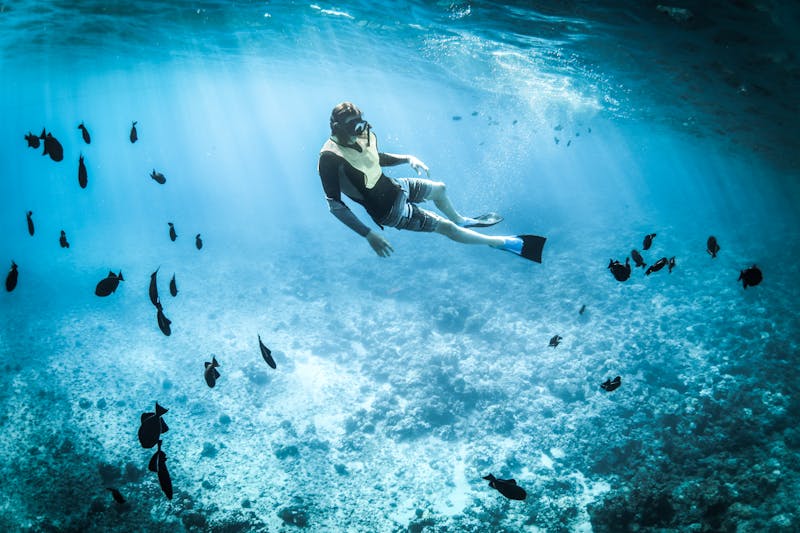
Phu Quoc: Family-Friendly Snorkeling Paradise
Vietnam's largest island offers the country's most accessible snorkeling, with calm, shallow waters perfect for families and nervous first-timers. While diving is available, Phu Quoc shines as a snorkeling destination.
Why Families Love Phu Quoc:
- Shallow Reefs: Most snorkeling spots are 2-5 meters deep, perfect for children
- Calm Waters: Protected bays with minimal current and gentle waves
- Turtle Encounters: Good chance of seeing sea turtles, especially in the south
- Beach Access: Many sites accessible from shore, no boat required
- Resort Amenities: Full-service resorts with snorkel gear rental and guidance
Best Snorkeling Spots:
- An Thoi Islands: Southern archipelago with 15+ islands, clear water, diverse marine life
- Turtle Island (Hon Doi Moi): Near-guaranteed turtle sightings, coral gardens
- Fingernail Island: Shallow lagoon perfect for kids and beginners
- Pineapple Island: Unique rock formations, small fish schools
- May Rut Island: Pristine beach with excellent shore snorkeling
Snorkel Tour Options:
- Half-Day Tours: $15-25 per person, visits 2-3 islands
- Full-Day Tours: $30-45 per person, includes lunch, visits 4-5 islands
- Private Tours: $150-250 for small groups, customizable itinerary
- Cable Car + Snorkel Combo: $35-50, includes world's longest sea cable car ride
Diving on Phu Quoc: While snorkeling is the main draw, certified divers can explore deeper sites:
- Turtle Rock: 18-25m depth, larger pelagics and occasional sharks
- Dry Island: Wall diving with good coral coverage
- Nudibranch Rock: Macro photography paradise
Practical Information:
- Best Time: November-March (dry season), clearest water and calmest seas
- Getting There: Direct flights to Phu Quoc International Airport from major cities
- Accommodation: Budget guesthouses from $15, family resorts $80-200
- Equipment Rental: Snorkel sets $5-8/day, available at most hotels and beaches
- Water Temperature: 27-30°C year-round, rash guard or wetsuit optional
Whale Island (Hon Ong): Remote Diving Retreat
For divers seeking authentic adventure away from tourist crowds, Whale Island delivers an off-grid experience. This tiny island near Van Phong Bay offers limited development, pristine reefs, and a focus on the diving experience over luxury amenities.
What Makes Whale Island Unique:
- Off-Grid Experience: Limited electricity, no WiFi in rooms, back-to-basics diving
- Dedicated Dive Resort: Whale Island Dive Resort is the only accommodation, creating an intimate community
- Untouched Reefs: Minimal diving pressure means healthy coral and abundant fish life
- Van Phong Bay: Massive bay system with 30+ dive sites to explore
- Small Groups: Maximum 4 divers per dive master, personalized attention
Dive Highlights:
- Madonna Rock North: Underwater pinnacle with swirling barracuda schools
- The Wall: 40-meter wall dive with excellent hard coral coverage
- Mushroom Rock: Unique formations attracting moray eels and octopus
- Whale Rock: Deep site where whale sharks are occasionally spotted
- Macro Sites: Several muck diving spots with rare critters
Typical Packages:
- 3 Days/2 Nights: $320-380 (includes 4-6 dives, accommodation, all meals)
- 5 Days/4 Nights: $580-650 (includes 8-10 dives, accommodation, all meals)
- PADI Courses: Available, similar prices to Nha Trang but with better instructor ratios
Getting There:
- Boat transfer from Van Gia Pier (40 minutes north of Nha Trang)
- Included in diving packages
- 2-3 departures daily depending on season
What to Expect: Whale Island attracts serious divers and those seeking digital detox. Accommodation is simple bungalows, food is fresh and communal, and the focus is entirely on the diving. It's not suitable for non-divers or those wanting resort amenities, but perfect for dedicated underwater enthusiasts.
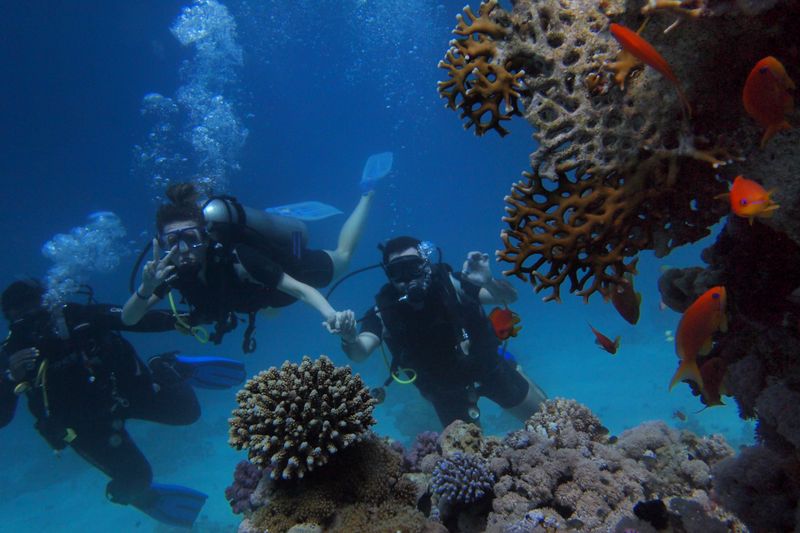
Cham Islands: Day Trip Diving from Hoi An
A UNESCO Biosphere Reserve just 18 kilometers from Hoi An, Cham Islands (Cu Lao Cham) offers convenient day-trip diving and snorkeling for travelers based in central Vietnam.
What to Expect:
- Day Trip Convenience: Depart Hoi An or Da Nang morning, return afternoon
- Protected Marine Reserve: Biosphere status since 2009, recovering reef systems
- Moderate Diving: Good for beginners and intermediate divers, maximum depth 20-25m
- Snorkeling Options: Shallow reefs accessible to snorkelers on the same boat trips
Best Dive Sites:
- Lang Beach: Sheltered bay with healthy soft corals and diverse fish life
- Ong Beach: Rock formations and swim-throughs, good visibility
- Nom Beach: Coral gardens with schooling snappers and groupers
Tour Options:
- Snorkel Day Trip: $25-40 from Hoi An, includes boat, lunch, equipment
- Dive Day Trip: $85-120 for 2 dives, includes boat, lunch, guide, equipment
- Speedboat Tours: $50-70, faster transfer means more bottom time
Practical Notes:
- Best Time: March-September (avoid monsoon season October-December)
- Departure Points: Cua Dai Beach (Hoi An) or Da Nang Port
- Visibility: 10-20 meters, best in April-August
- Suitable For: Families, new divers, travelers short on time
Limitations: Cham Islands shouldn't be your primary diving destination. The reefs are recovering but don't match the pristine quality of Con Dao or the diversity of Nha Trang. However, for travelers already visiting Hoi An who want a day on the water, it's an excellent option.
Diving Seasons by Region
Understanding Vietnam's seasonal patterns helps you plan the best diving trip:
Northern Vietnam (Limited Diving)
- Cat Ba Island: April-October only, rough seas in winter
- Visibility: 5-15 meters maximum
- Note: Northern waters are generally too cold and murky for quality diving
Central Vietnam
- Nha Trang: Year-round diving, best February-September
- Whale Island: March-October, peak season May-August
- Cham Islands: March-September only, monsoon affects October-February
- Visibility: 10-25 meters depending on site and season
Southern Vietnam
- Phu Quoc: November-May (dry season), best November-March
- Con Dao: March-September, opposite season to mainland (avoid October-February rough seas)
- Visibility: 15-30 meters, best in Con Dao
Peak Diving Season: October-November
This narrow window offers the best overall conditions across most of Vietnam:
- Water temperature: 27-29°C (perfect comfort)
- Visibility: 20-30+ meters
- Calm seas with minimal wind
- Marine life aggregations (mating seasons)
- Fewer tourists than high season
Monsoon Considerations
- Southwest Monsoon (May-October): Affects southern destinations, rough seas in Con Dao
- Northeast Monsoon (November-March): Affects central destinations, rough seas in Cham Islands
- Year-Round Option: Nha Trang's protected bay allows diving even during monsoons, though visibility drops

Equipment Rental vs. Bringing Your Own
Renting in Vietnam:
- Pros: No baggage weight, modern equipment, maintained by professionals
- Cons: May not fit perfectly, less familiar gear, rental costs add up
- Typical Costs: Full set $15-25/day, individual items $5-8
- Quality: Reputable operators maintain good equipment, check before diving
Bringing Your Own:
- Pros: Perfect fit, familiar gear, saves money on extended trips
- Cons: Heavy luggage, airline fees, responsible for maintenance
- Recommended to Bring: Mask, snorkel, fins (lightweight and personal fit matters)
- Consider Renting: BCD, regulator, wetsuit (heavy, bulky, well-maintained by operators)
What Most Divers Do: Bring mask, snorkel, fins, dive computer, and wetsuit (if needed). Rent BCD and regulators. This balances weight restrictions with personal comfort.
For Snorkelers: Always bring your own mask and snorkel. Rental gear quality varies significantly, and proper mask fit is crucial for enjoyable snorkeling. Good snorkel sets weigh almost nothing and last for years.
Budget Breakdown: Getting PADI Certified in Vietnam
Vietnam offers Southeast Asia's most affordable PADI certification. Here's a complete cost breakdown for completing your Open Water certification in Nha Trang:
PADI Open Water Course: $350-450
- 3-4 days training
- Theory sessions and online learning
- Pool/confined water training
- 4 open water certification dives
- All equipment included
- PADI certification card
- Digital materials
Additional Costs:
- Accommodation: $8-30/night (4 nights = $32-120)
- Meals: $10-20/day (4 days = $40-80)
- Transportation: Airport transfer $10-20, local transport $5-10
- Total Package: $430-680 for complete certification including accommodation
Comparison with Other Destinations:
- Thailand: $450-600
- Indonesia: $400-550
- Philippines: $380-520
- Egypt: $350-500
- Vietnam Advantage: Comparable or cheaper than most alternatives
Money-Saving Tips:
- Book directly with dive centers, not through travel agents
- Travel during shoulder season (March-April, September-October)
- Stay in backpacker hostels, many offer special rates for diving students
- Join group courses rather than private instruction
- Complete online theory before arriving to save time
- Bring your own mask and snorkel
Continuing Education: After Open Water, many divers continue in Vietnam:
- Advanced Open Water: $280-350 (5 adventure dives, 2 days)
- Specialty Courses: $150-250 each (Nitrox, Deep Diver, Wreck, etc.)
- Rescue Diver: $350-400 (3 days, requires Advanced certification)
- Divemaster: $800-1,000 (4-6 weeks, path to professional diving)
Marine Life Guide: What to Expect Underwater
Vietnam's waters host impressive biodiversity, though not at Indonesia or Philippines levels. Here's what you'll likely encounter:
Common Sightings (95%+ probability)
- Tropical Reef Fish: Clownfish, angelfish, butterflyfish, parrotfish, groupers
- Lionfish: Beautiful but venomous, common at all depths
- Moray Eels: Multiple species, generally non-aggressive
- Sea Urchins: Black spiny urchins common, watch where you place hands
- Nudibranchs: 50+ species for macro photography enthusiasts
- Octopus: Often hiding in crevices during day
- Squid: Schools hovering over reefs, especially during breeding season
- Sergeant Majors: Striped fish in huge aggregations
- Triggerfish: Colorful but territorial, keep distance during nesting season
Regular Sightings (50-70% probability)
- Sea Turtles: Green and hawksbill turtles, especially in Con Dao and Phu Quoc
- Blue-Spotted Stingrays: Resting on sandy bottoms
- Cuttlefish: Masters of camouflage, incredible to observe
- Barracuda: Schools of chevron barracuda common at deeper sites
- Scorpionfish: Heavily camouflaged, be careful where you touch
- Pufferfish: Various species, inflate when threatened
Occasional Sightings (20-40% probability)
- Reef Sharks: Blacktip and whitetip reef sharks in Con Dao and remote sites
- Eagle Rays: Graceful swimmers over sandy areas
- Mantis Shrimp: Tiny but deadly predators in muck diving sites
- Frogfish: Masters of disguise, favorite of underwater photographers
- Giant Groupers: Large, curious fish at established dive sites
Rare but Possible (5-15% probability)
- Dugongs: Con Dao Islands only, critically endangered, massive seagrass grazers
- Whale Sharks: Seasonal appearances in Con Dao and occasionally Whale Island
- Manta Rays: Very rare in Vietnam, occasional offshore sightings
- Hammerhead Sharks: Deep offshore sites only
- Dolphins: Sometimes seen from boats, rarely while diving
Macro Life (For Photography Enthusiasts)
- Nudibranchs: Incredible diversity, every dive reveals new species
- Shrimp: Cleaner shrimp, mantis shrimp, harlequin shrimp
- Crabs: Decorator crabs, porcelain crabs, spider crabs
- Sea Slugs: Beyond nudibranchs, many colorful species
- Flatworms: Beautiful patterns, glide along reef surfaces
What You Won't See Much: Vietnam lacks the mega-fauna diversity of other dive destinations. Sightings of whale sharks, manta rays, and large pelagics are rare. The diving focuses on reef health, coral diversity, and the abundance of smaller tropical species rather than big animal encounters (except in Con Dao, which is the exception).
Environmental Considerations and Coral Protection
Vietnam's reefs have faced significant challenges from overfishing, climate change, and tourism pressure. As a responsible diver, you play a crucial role in protecting these ecosystems.
Current State of Vietnam's Reefs
- Con Dao: Excellent condition, 80%+ live coral coverage in protected zones
- Nha Trang: Recovering, 40-60% live coral, improving since marine park designation
- Phu Quoc: Mixed condition, 30-50% live coral, some areas degraded
- Cham Islands: Recovering, 50-70% live coral, biosphere protection helping
Major Threats
- Coral Bleaching: 2010 and 2016 events caused significant damage, reefs recovering slowly
- Overfishing: Depleted fish stocks affect reef health and ecosystem balance
- Plastic Pollution: Significant problem, especially near population centers
- Anchor Damage: Boats anchoring on reefs cause physical destruction
- Tourist Pressure: Inexperienced snorkelers standing on coral, touching marine life
How to Dive Responsibly
Before Your Dive:
- Choose operators committed to marine conservation (look for moorings, small groups)
- Ensure you're properly weighted to avoid crashing into reef
- Review your buoyancy skills in sand/clear areas before exploring sensitive reefs
- Secure all loose equipment to prevent dragging across coral
During Your Dive:
- Never touch coral: Even dead-looking coral may be alive or recovering
- Maintain proper buoyancy: Most coral damage comes from poor buoyancy control
- Watch your fins: Fin kicks destroy fragile coral, be aware of what's behind you
- No gloves: Reduces temptation to grab or steady yourself on reef
- Don't chase marine life: Harassment stresses animals and disrupts behavior
- Take only pictures: No collection of shells, coral, or marine life
- Control your bubbles: Exhaled air trapped under ledges can harm sessile creatures
Special Considerations:
- Dugongs in Con Dao: Never approach closer than 5 meters, never attempt to touch, minimize time observing (10 minutes maximum)
- Sea Turtles: Keep 3+ meter distance, never block their path to surface, no flash photography
- Nesting Season: Some areas close during turtle nesting season, respect closures
- Protected Species: All marine mammals, sea turtles, and many fish species are protected under Vietnamese law
Supporting Conservation
- Choose responsible operators: Those using moorings, supporting conservation, educating divers
- Marine park fees: Pay them willingly, they fund protection efforts
- Report violations: If you witness illegal fishing or wildlife harassment
- Beach cleanups: Many dive centers organize cleanup dives and beach cleanups
- Avoid single-use plastics: Bring reusable water bottles, refuse plastic straws
- Support local conservation: Con Dao Marine Park and others run on limited budgets, donations help
Marine Park Regulations
Most dive sites have specific rules:
- No fishing or collection
- No touching marine life or coral
- No feeding fish (disrupts natural behavior)
- Stay within designated dive zones
- Follow dive master instructions
- Maximum group sizes (usually 4-6 divers)
- Minimum distance from endangered species
Long-Term Outlook
Vietnam has made significant progress in marine protection:
- Expanding marine protected areas: Con Dao, Hon Mun, and others increasing protection
- Fishing regulations: Gradual implementation of sustainable fishing practices
- Turtle conservation: Active nesting beach protection, hatchery programs
- Community engagement: Local communities involved in conservation decisions
- Tourism management: Limits on visitor numbers in sensitive areas
By diving responsibly and supporting conservation-minded operators, you contribute to the long-term health of Vietnam's underwater ecosystems. The reefs you enjoy today will be healthier for future generations if we all make conscious choices.
Practical Tips for Your Diving Trip
Health and Safety:
- Get DAN (Divers Alert Network) insurance: $35-75/year, essential for diving accidents
- Nearest recompression chambers: Nha Trang and Cam Ranh (plan accordingly for Con Dao/Phu Quoc)
- Stay hydrated in tropical heat, dehydration increases DCS risk
- Avoid alcohol before diving, save the beers for after
- Be honest about medical conditions, safety first
- Allow 18-24 hours before flying after diving
What to Pack:
- Dive certification card (required for all dives)
- Dive logbook (many operators require proof of experience)
- Rash guard or 3mm wetsuit (water is warm but sun is intense)
- Underwater camera (GoPro or proper dive camera)
- Reef-safe sunscreen (chemical sunscreens harm coral)
- Seasickness medication (boats can be rough)
- Dry bag for electronics on boat trips
- Personal first aid kit
Money Matters:
- Most dive operators accept cash (USD or VND)
- Credit cards often incur 3-4% surcharge
- ATMs available in Nha Trang and Phu Quoc, limited in Con Dao
- Tipping: $5-10 per day for dive guides, $20-30 for instructors (optional but appreciated)
- Book and pay locally for best prices, avoid booking agents
Best Resources:
- ScubaBoard Vietnam Forum: Active community, recent trip reports
- PADI Dive Center Locator: Find certified operators
- Vietnam Marine Protected Areas: Information on conservation zones
- Dive Vietnam Facebook Group: Connect with divers, get recommendations
Common Questions:
Can I learn to dive if I can't swim well? PADI requires basic swimming ability (200m swim or 300m snorkel), but you don't need to be an Olympic swimmer. Many nervous swimmers successfully complete certification.
Is diving safe? When done properly with certified operators, diving is very safe. Fatal accidents are rare (1 in 200,000+ dives). Follow rules, listen to instructors, and don't dive beyond your certification level.
What if I panic underwater? Your instructor will teach panic management. You can always abort a dive—no shame in going up if you're uncomfortable. Start shallow and build confidence gradually.
Can I dive alone? Recreational diving always requires a buddy. Solo diving requires special certification and is not recommended for most divers.
What about my ears? Equalization is taught in your first session. Most people equalize easily; if you have sinus issues, consult a doctor before diving.
Making Your Diving Dreams Reality
Vietnam offers exceptional value, diverse underwater landscapes, and growing conservation success. Whether you're earning your first certification in Nha Trang's budget-friendly dive centers, seeking rare dugong encounters in Con Dao's pristine marine park, or introducing your family to snorkeling in Phu Quoc's shallow lagoons, Vietnam delivers memorable underwater experiences.
The best time to dive is during the October-November peak season, when visibility reaches its maximum and calm seas make every dive comfortable. However, Nha Trang's year-round diving and the regional variations mean you can find excellent conditions somewhere in Vietnam during most months.
As you plan your diving adventure, prioritize operators committed to marine conservation, practice excellent buoyancy control to protect fragile reefs, and maintain safe distances from endangered species like turtles and dugongs. Your responsible diving practices ensure these underwater ecosystems remain healthy for future generations.
The gear is maintained, the instructors are experienced, the marine life is waiting, and the adventure of a lifetime is more affordable than you imagined. Vietnam's underwater world is calling—answer with respect, curiosity, and excitement for the incredible biodiversity beneath its waves.
Ready to take the plunge? Book your PADI course, pack your mask, and prepare for some of Southeast Asia's most rewarding diving experiences. The dugongs, turtles, and vibrant coral reefs of Vietnam await your discovery.