

Preserve Your Vietnam Memories
Turn your travel photos into beautiful custom magnets
A unique service available throughout Vietnam - simply send your favorite travel shots and receive beautiful, high-quality magnets at budget-friendly prices. Perfect for sharing with friends or decorating your space with travel memories.
Contact us on:
Vietnam Weather Guide: Best Time to Visit Each Region
Vietnam stretches over 1,650 kilometers from north to south, creating three distinct climate zones with dramatically different weather patterns. Understanding these regional variations is essential for planning the perfect trip - what's perfect beach weather in the south might be monsoon season in the north. This comprehensive guide breaks down Vietnam's complex weather patterns by region and month, helping you time your visit for ideal conditions.
Understanding Vietnam's Three Climate Zones
Vietnam's geography creates three distinct weather systems that don't follow a single seasonal pattern. While the north experiences four seasons similar to temperate climates, the south maintains tropical warmth year-round with just wet and dry periods. Central Vietnam sits in a transitional zone with its own unique weather challenges, including a rainy season that differs from both neighboring regions.
This regional variation means there's always somewhere in Vietnam with good weather - it's about matching your destination to the right season.

North Vietnam Weather (Hanoi, Sapa, Ha Giang, Halong Bay)
Northern Vietnam experiences the country's most distinct seasons, with genuine winter cold and humid summer heat.
Winter (December - February)
Temperature: 15-20°C (59-68°F), can drop to 10°C (50°F) in Hanoi, near freezing in mountains Conditions: Cool, dry, occasional drizzle, fog in mountains Humidity: 70-80%
Best for:
- City exploration in Hanoi without oppressive heat
- Cooler trekking conditions (though visibility may be limited)
- Fewer tourists at major attractions
Challenges:
- Can be surprisingly cold - locals wear winter coats
- Mountain areas like Sapa and Ha Giang can have frost and fog
- Halong Bay may be gray and misty (still beautiful but different)
- Not ideal for beach activities
What to pack: Light jacket, long pants, layers, light sweater for evenings
Spring (March - May)
Temperature: 20-28°C (68-82°F) Conditions: Warm, increasing humidity, occasional rain in May Humidity: 75-85%
Best for:
- Perfect weather for Halong Bay cruises
- Ideal trekking conditions before monsoon rains
- Rice terrace photography in Ha Giang and Sapa (fields being prepared)
- Outdoor activities and cultural festivals
Highlights:
- March-April: Absolutely ideal weather - warm but not hot, low rainfall
- Cherry blossoms in Hanoi (late February/March)
- Colorful hill tribe markets
- Best visibility in mountain regions
What to pack: Light clothing, sunscreen, light rain jacket for May
Summer (June - August)
Temperature: 28-35°C (82-95°F) Conditions: Hot, humid, frequent afternoon storms Humidity: 85-95% Rainfall: 250-350mm per month (peak rainy season)
Characteristics:
- Intense heat and humidity in cities
- Daily afternoon thunderstorms (often brief but heavy)
- Lush green landscapes, rice terraces at their most vibrant
- Typhoon season (July-September) can cause disruptions
Best for:
- Seeing rice terraces in full green glory
- Lower prices and fewer tourists
- Cultural experiences (less outdoor dependent)
Challenges:
- Heat can be exhausting for city exploration
- Trekking conditions are muddy and slippery
- Potential typhoon disruptions
- Flash flooding in mountain areas
What to pack: Lightweight moisture-wicking clothes, quality rain gear, waterproof bag for electronics
Autumn (September - November)
Temperature: 23-28°C (73-82°F) Conditions: Pleasant, decreasing rainfall, crisp air Humidity: 75-85%
Best for:
- Golden rice harvest season (September-October) - stunning photography
- Comfortable trekking weather returns
- Clear skies for Halong Bay
- Outdoor activities without extreme heat
Peak season highlights:
- September: Still some rain but landscapes are lush
- October-November: Absolutely prime time - golden rice terraces, perfect temperatures
- Best weather overlap for combining north and central Vietnam
What to pack: Light layers, comfortable walking shoes, sunscreen

Central Vietnam Weather (Hoi An, Hue, Da Nang)
Central Vietnam has a unique climate pattern, with a rainy season that actually occurs when the rest of Vietnam is relatively dry.
Dry Season (February - August)
Temperature: 24-35°C (75-95°F) Conditions: Hot and dry, perfect beach weather Humidity: 70-80%
February - April: Peak Perfection
- Ideal temperatures (24-28°C/75-82°F)
- Low rainfall, abundant sunshine
- Perfect for beach time, ancient town exploration, cycling
- Busy tourist season but weather justifies it
May - August: Hot Beach Season
- Very hot (30-35°C/86-95°F)
- Minimal rain, intense sun
- Perfect for beach resorts, water activities
- Hoi An and Hue can be uncomfortably hot for midday exploration
- Best to explore early morning or late afternoon
Best for:
- Beach vacations in Da Nang and An Bang
- Cycling through Hoi An countryside
- Exploring Hue Imperial City
- Water sports and island hopping
- Photography in golden morning/evening light
What to pack: Sunscreen (high SPF), hat, sunglasses, light breathable clothing, swimwear
Rainy Season (September - January)
Temperature: 20-28°C (68-82°F) Conditions: Heavy rain, potential flooding, cooler temperatures Rainfall: 300-700mm per month (October-November peak)
Characteristics:
- September: Rain begins, still manageable
- October-December: Peak rain and flood season
- Flooding in Hoi An is common (October-November)
- January: Rain decreases, transitioning to dry season
Challenges:
- October-November: Serious flooding risk in coastal areas
- Streets in Hoi An can be waist-deep in water during major floods
- Beach activities severely limited
- Many boat tours and outdoor activities cancelled
- Overcast skies reduce photography opportunities
Can you visit?
- Yes, but it's a calculated risk
- Lower prices and far fewer tourists
- If rain doesn't bother you and you're flexible, it can work
- Indoor activities: cooking classes, museums, cafes
- Some travelers specifically avoid this period
What to pack: Serious rain gear, waterproof shoes, quick-dry clothes, waterproof bags for valuables
South Vietnam Weather (Ho Chi Minh City, Mekong Delta, Phu Quoc)
Southern Vietnam maintains tropical warmth year-round, with weather defined by dry and wet seasons rather than temperature changes.
Dry Season (November - April)
Temperature: 25-32°C (77-90°F) Conditions: Sunny, low rainfall, comfortable humidity Humidity: 65-75% Rainfall: 10-50mm per month
Peak months (December - March):
- Consistently excellent weather
- Clear blue skies, gentle breezes
- Perfect for all outdoor activities
- Busiest tourist season (higher prices)
Best for:
- Beach time in Phu Quoc, Con Dao, Mui Ne
- Exploring Ho Chi Minh City comfortably
- Mekong Delta boat tours with lower water levels
- Island hopping and water sports
- Motorcycle tours through countryside
April specifics:
- Hottest month (can exceed 35°C/95°F)
- Still dry but heat can be intense
- Early morning and evening activities recommended
What to pack: Light summer clothing, strong sunscreen, hat, sunglasses, swimwear
Wet Season (May - October)
Temperature: 25-31°C (77-88°F) Conditions: Daily afternoon storms, high humidity Humidity: 80-90% Rainfall: 200-300mm per month (peak: June-August)
Characteristics:
- Short, intense afternoon downpours (typically 1-2 hours)
- Mornings often sunny and clear
- Rain usually doesn't last all day
- Everything is lush and green
- Cooler after rain but very humid
Can you visit?
- Absolutely! Many travelers prefer wet season
- Lower prices (30-50% less than high season)
- Fewer crowds at attractions
- Mekong Delta floating markets more active with higher water
- Rain is predictable - plan around afternoon storms
Best for:
- Budget travelers
- Experiencing lush tropical scenery
- Mekong Delta visits (higher water levels make boat access easier)
- Photography of dramatic skies
- Those who don't mind occasional wet afternoons
Challenges:
- Some outdoor plans will be interrupted
- Beach time limited to mornings
- Higher humidity can be uncomfortable
- Occasional flooding in HCMC streets (brief, drains quickly)
What to pack: Light rain jacket or compact umbrella, sandals that can get wet, quick-dry clothes
Month-by-Month Weather Summary
January
- North: Cool, dry, jacket needed (15-20°C)
- Central: End of rainy season, improving (20-25°C)
- South: Perfect weather, peak season (25-32°C)
- Best for: South Vietnam beaches, HCMC
February
- North: Cool but warming, Chinese New Year (18-23°C)
- Central: Excellent weather begins (22-28°C)
- South: Ideal conditions continue (26-32°C)
- Best for: Central and South Vietnam, great month overall
March
- North: Pleasant spring weather (20-26°C)
- Central: Perfect beach weather (24-30°C)
- South: Hot and dry (27-33°C)
- Best for: Whole country accessible, excellent for multi-region trips
April
- North: Warm, increasing humidity (23-29°C)
- Central: Getting hot (26-33°C)
- South: Hottest month (28-35°C)
- Best for: North and Central Vietnam, South gets very hot
May
- North: Hot, rain increasing (25-32°C)
- Central: Very hot, still dry (28-35°C)
- South: Wet season begins (26-32°C)
- Best for: Central Vietnam beaches before rain arrives
June
- North: Rainy season, hot and humid (27-33°C)
- Central: Hot beach weather (28-35°C)
- South: Daily afternoon rain (25-31°C)
- Best for: Central coast, lower prices in South
July
- North: Peak rain and heat (28-34°C)
- Central: Hot, minimal rain (28-35°C)
- South: Wet season continues (25-31°C)
- Best for: Central beaches, accept rain elsewhere
August
- North: Still rainy and hot (27-33°C)
- Central: Hot beach season continues (28-34°C)
- South: Heavy rain periods (25-31°C)
- Best for: Central Vietnam coast
September
- North: Rain decreasing, cooler (25-31°C)
- Central: Rain begins, transition month (26-32°C)
- South: Still wet but improving (25-31°C)
- Best for: North Vietnam, golden rice harvests
October
- North: Beautiful autumn weather (22-28°C)
- Central: Heavy rain, flooding risk (23-29°C)
- South: Wet season ending (25-31°C)
- Best for: North Vietnam, avoid Central coast
November
- North: Cool, dry autumn (18-25°C)
- Central: Rain continues but decreasing (22-28°C)
- South: Perfect dry season begins (25-31°C)
- Best for: North and South, avoid Central
December
- North: Cool winter arrives (15-22°C)
- Central: Improving but still some rain (20-26°C)
- South: Peak season weather (25-32°C)
- Best for: South Vietnam, Christmas/New Year peak
Best Times for Specific Activities
Beach Holidays
- Central Vietnam: February - August (avoid September - January)
- South Vietnam: November - April (wet season is manageable May - October)
- Note: Never ideal beach weather in North Vietnam
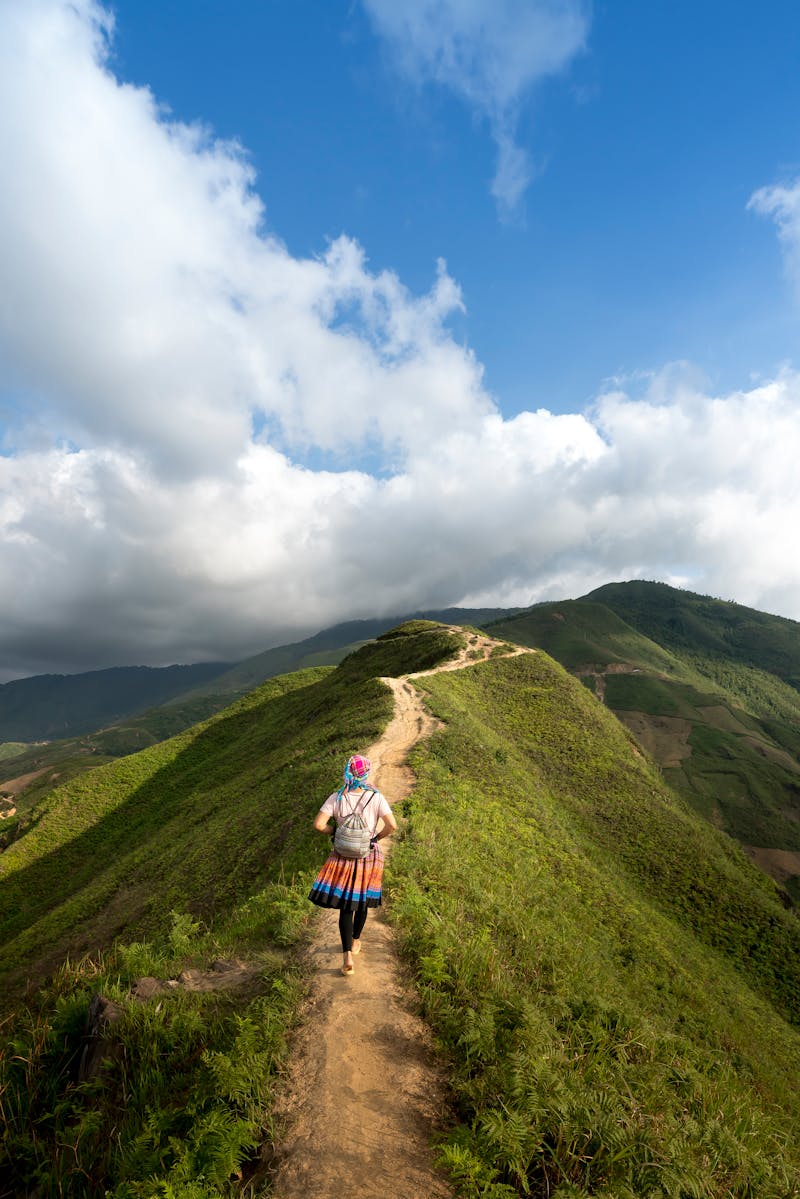
Mountain Trekking (Sapa, Ha Giang, Northwest)
- Best: September - November, March - May
- Good: December - February (cold but clear)
- Avoid: June - August (muddy, slippery, limited views)
Photography
- Rice terraces green: June - August (lush but rainy)
- Rice terraces golden: September - October (harvest season, perfect light)
- Halong Bay: March - May, October - November (clearest skies)
- Hoi An lanterns: February - July (avoid rainy season)
Cycling Tours
- North: March - May, September - November
- Central: February - May (before extreme heat and rain)
- South: November - March (dry season)
Cultural Festivals
- Tet (Lunar New Year): Late January/February (weather varies by region)
- Hoi An Lantern Festival: 14th of each lunar month (best February - August)
- Perfume Pagoda Festival: February - March (North Vietnam spring)
Motorbike Adventures
- Best overall: October - April (avoiding peak rains and heat)
- Ha Giang Loop: September - November, March - May
- Coastal routes: Varies by region, follow dry season recommendations
Multi-Region Trip Planning
The 2-3 Week Itinerary Challenge
When visiting multiple regions, weather coordination becomes crucial:
February - April: Excellent time for whole-country trips
- North: Spring weather
- Central: Perfect beach conditions
- South: Dry season continues
October - November: North-South combination works well
- North: Autumn perfection
- Central: Still risky (floods possible)
- South: Dry season beginning
- Strategy: Focus on North and South, skip or minimize Central
June - August: Tricky for multi-region
- North: Rainy and hot
- Central: Best weather in country
- South: Wet season
- Strategy: Focus on Central beaches, accept rain elsewhere or shorten trip
Flexible Itinerary Tips
- Build in buffer days: Weather delays happen, especially during transitional months
- Book refundable accommodations: Weather may require route changes
- Have indoor alternatives: Museums, cooking classes, cafes for rainy days
- Check forecasts: 3-day forecasts are reasonably accurate in Vietnam
- Be season-appropriate: Don't force beach time in rainy season or trekking in monsoon
Packing by Season and Region
Visiting North Vietnam (Winter)
- Light jacket or fleece
- Long pants and long-sleeve shirts
- Closed-toe shoes
- Scarf (useful for both warmth and dust)
- For mountains: Warm layers, even gloves in December-January
Visiting Central Vietnam (Dry Season)
- Light, breathable clothing
- Strong sunscreen (SPF 50+)
- Wide-brimmed hat
- Sunglasses
- Sandals and walking shoes
- Swimwear
Visiting Central Vietnam (Rainy Season)
- Waterproof jacket or poncho
- Waterproof bag for electronics
- Quick-dry clothes
- Water-resistant shoes or sandals
- Sense of adventure
Visiting South Vietnam (Year-round)
- Light summer clothing
- Rain jacket or compact umbrella (especially May-October)
- Sandals that can get wet
- Sunscreen and hat
- Mosquito repellent (dengue is a risk)
Universal Packing Essentials
- Sunscreen: Vietnam sun is intense year-round
- Insect repellent: Mosquitoes present all seasons
- Quick-dry towel: Useful for beach/rain situations
- Reusable water bottle: Stay hydrated in heat
- Power bank: For long days exploring
- Zip-lock bags: Protect electronics from rain/humidity
Weather and Your Budget
Understanding weather patterns can significantly impact your travel costs:
High Season (Higher Prices)
- North Vietnam: October - November, March - April
- Central Vietnam: February - April
- South Vietnam: December - March
Price increases: 30-100% higher for accommodations and tours Advance booking: Essential 2-3 months ahead Crowds: Attractions and restaurants busier
Shoulder Season (Moderate Prices)
- Transitional months between wet and dry
- May and September generally
- 10-30% lower than peak prices
Low Season (Best Deals)
- North Vietnam: June - August (rainy season)
- Central Vietnam: October - January (rainy season)
- South Vietnam: June - August (wet season)
Advantages:
- 30-50% lower prices
- Empty attractions
- Easier to find last-minute deals
- More authentic local experience
Trade-offs:
- Weather interruptions
- Some tours may be cancelled
- Reduced hours or closures at some attractions
Festival Timing and Weather
Major festivals in Vietnam occur throughout the year, and weather can significantly impact your experience:
Tet (Lunar New Year - Late January/February)
- Biggest festival, entire country celebrates
- Weather varies: North is cold, Central/South pleasant
- Many businesses close for a week
- Book everything far in advance
- Prices spike significantly
Hoi An Lantern Festival (14th Lunar Month - Monthly)
- Best experienced February - August (dry season)
- September - January risks rain during evening celebrations
- Worth timing your Hoi An visit around this
Perfume Pagoda Festival (February - March)
- North Vietnam spring weather
- Can be chilly and misty
- Huge crowds, beautiful atmosphere
Hue Festival (Biennial - April/May)
- Central Vietnam, usually good weather
- Can be getting hot in May
- Check specific dates as it occurs every 2 years
Practical Tips for Dealing with Vietnam's Weather
Heat Management
- Start early: Explore 6-10 AM before heat peaks
- Siesta time: Rest 12-3 PM when it's hottest
- Evening activities: Resume exploration after 4 PM
- Hydrate constantly: Carry water always
- Seek shade: Duck into cafes, temples, shops during peak heat
Rain Strategies
- Embrace it: Rain cools things down, often brief in South
- Morning activities: Do outdoor plans early, rain often hits afternoon
- Have indoor backup: Cooking class, museum, massage, cafe time
- Proper gear: Quality rain jacket beats cheap ponchos
- Waterproof everything: Bags, phone cases, shoes
Humidity Adaptation
- Moisture-wicking clothes: Synthetic fabrics over cotton
- Frequent showers: You'll want 2-3 per day in summer
- Antifungal powder: For shoes and skin folds
- Dry bags: Silica gel packets for camera gear
- Accept it: Fighting humidity is futile, embrace the damp
Travel Memories and Photo Souvenirs
As you journey through Vietnam's diverse regions and seasons, you'll capture hundreds of photos—from misty Sapa mornings to golden Hoi An sunsets, from lush green rice terraces in rain season to bright blue beach skies. Consider turning your favorite weather-related shots into custom photo magnets. It's an affordable way to preserve memories of Vietnam's beautiful seasonal diversity, and many travelers create collections showing the same location in different weather conditions. Whether it's a dramatic monsoon sky or a perfect sunny beach day, these personalized keepsakes help you remember each region's unique atmosphere.
The Bottom Line: When Should You Visit?
If you want the absolute safest bet (best weather everywhere):
- February - April: Whole country is accessible with good weather
If you're flexible on region:
- October - November: Perfect in North, excellent in South, avoid Central
- June - August: Focus on Central beaches, lower prices elsewhere
If you're on a budget:
- Visit during regional rainy seasons (prices drop 30-50%)
- South Vietnam June-August is still very manageable
- North Vietnam summer is hot but doable with right expectations
If you hate rain:
- Stick to dry seasons strictly (accept limited regional coverage)
- November-April for South
- February-August for Central
- October-April for North (though winter can be gray)
If weather matters less than value:
- Shoulder and low seasons offer incredible deals
- Rain is often brief and shouldn't ruin your trip
- Fewer tourists means more authentic experiences
Final Weather Wisdom
Vietnam's weather is complex, but it's also what creates the country's stunning diversity. The rain that floods Central Vietnam in October also fills the rivers that feed the rice terraces that turn golden in the North by November. The heat that feels oppressive in April gives way to cooling monsoon rains in May. Every season has its magic.
The key is setting realistic expectations, packing appropriately, and being flexible. Some of the best travel experiences happen when plans get rained out and you discover a local cafe, cooking class, or conversation you would have otherwise missed.
There's no single "best" time to visit Vietnam—only the best time for your priorities, budget, and tolerance for weather variations. Armed with this guide, you can make an informed decision that matches your travel style with Vietnam's ever-changing skies.
Safe travels, and may your Vietnam weather be exactly what you hoped for—or even better, a happy surprise!