

Preserve Your Vietnam Memories
Turn your travel photos into beautiful custom magnets
A unique service available throughout Vietnam - simply send your favorite travel shots and receive beautiful, high-quality magnets at budget-friendly prices. Perfect for sharing with friends or decorating your space with travel memories.
Contact us on:
Sustainable & Ethical Travel in Vietnam: Your Guide to Responsible Tourism
Vietnam's breathtaking landscapes, rich culture, and warm hospitality draw millions of travelers each year. But with tourism's rapid growth comes responsibility. From the pristine beaches of Phu Quoc to the ancient streets of Hoi An, your choices as a traveler can either protect Vietnam's natural beauty and support its communities—or contribute to environmental degradation and cultural erosion.
This comprehensive guide will show you how to travel Vietnam sustainably and ethically, making conscious decisions that benefit local people, protect wildlife, and preserve the country's remarkable ecosystems for future generations.
Whether you're planning your first trip or returning to explore more, these practical tips will help you become a responsible traveler who leaves Vietnam better than you found it.

Why Sustainable Travel Matters in Vietnam
Vietnam faces significant environmental challenges that directly impact its tourism industry and local communities:
- Plastic Pollution Crisis: Vietnam generates over 8,000 tons of plastic waste daily, with approximately 1.8 million tons entering the ocean annually—making it one of the world's top plastic polluters
- Overtourism Impact: Popular destinations like Halong Bay, Hoi An, and Sapa experience strain on infrastructure, cultural sites, and local ecosystems
- Wildlife Exploitation: Illegal wildlife trade and unethical animal tourism persist despite conservation efforts
- Cultural Commodification: Rapid tourism development sometimes erodes authentic cultural experiences and traditions
- Carbon Footprint: Transportation choices significantly impact Vietnam's carbon emissions
The good news? Every conscious choice you make as a traveler creates positive change. By traveling responsibly, you directly support conservation efforts, empower local communities, and help preserve Vietnam's unique heritage.
Reducing Plastic Waste While Traveling
Plastic pollution is Vietnam's most visible environmental challenge. Here's how to dramatically reduce your plastic footprint:
Essential Plastic-Free Travel Items
Before You Go:
- Reusable water bottle with filter (essential for safe drinking water)
- Collapsible coffee cup for Vietnamese coffee
- Reusable shopping bags (lightweight and packable)
- Bamboo or metal straws
- Solid toiletries (shampoo bars, soap bars)
- Reusable food containers for street food takeaway
- Cloth produce bags for market shopping

Practical Tips for Going Plastic-Free
Water:
- Refill your bottle at hotels, restaurants, and cafes (many offer free filtered water)
- Look for water refill stations in major cities
- Avoid buying single-use plastic bottles—bring a Lifestraw or SteriPEN for purification
- Many eco-conscious accommodations offer water refill stations
Street Food:
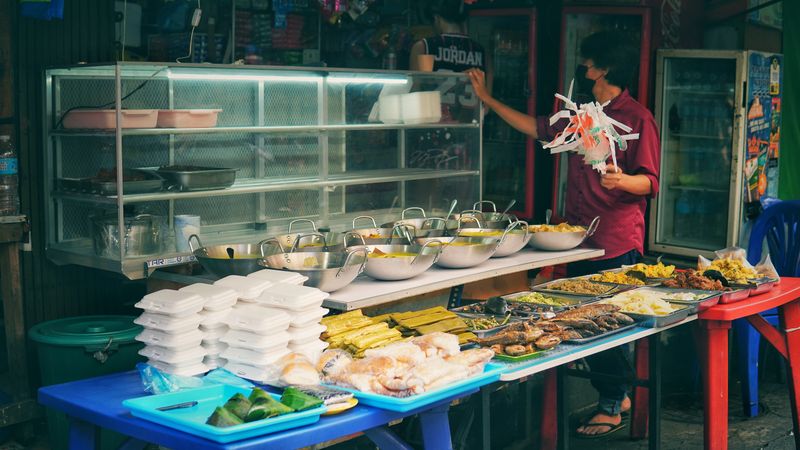
- Eat at the stall instead of taking away when possible
- Bring your own container for takeaway food
- Politely refuse plastic bags: "Không cần túi, cảm ơn" (No bag needed, thank you)
- Choose vendors using banana leaves or lotus leaves for wrapping
Shopping:
- Always carry a reusable bag
- Refuse excessive packaging at tourist shops
- Support shops that use paper or cloth bags
- Buy loose produce at markets instead of pre-packaged items
Toiletries:
- Choose accommodations that use refillable dispensers instead of single-use bottles
- Bring bar soap and shampoo bars
- Use bamboo toothbrushes and biodegradable dental floss
- Choose reef-safe, biodegradable sunscreen
Waste Disposal
- Separate recyclables when facilities are available
- Dispose of waste properly—never leave trash on beaches or trails
- Participate in beach cleanups if opportunities arise
- Avoid destinations that lack proper waste management infrastructure until they improve
Eco-Friendly Accommodations in Vietnam
Choosing where to stay is one of your most impactful decisions. Look for accommodations that prioritize sustainability:
What to Look For
Green Certifications:
- EarthCheck certification
- Green Key
- Travelife certification
- LEED certification for buildings
Sustainable Practices:
- Solar power or renewable energy use
- Water conservation systems (rainwater collection, greywater recycling)
- No single-use plastics
- Waste reduction and recycling programs
- Local and organic food sourcing
- Support for local communities
- Environmental education for guests
Recommended Eco-Friendly Stays
Northern Vietnam:
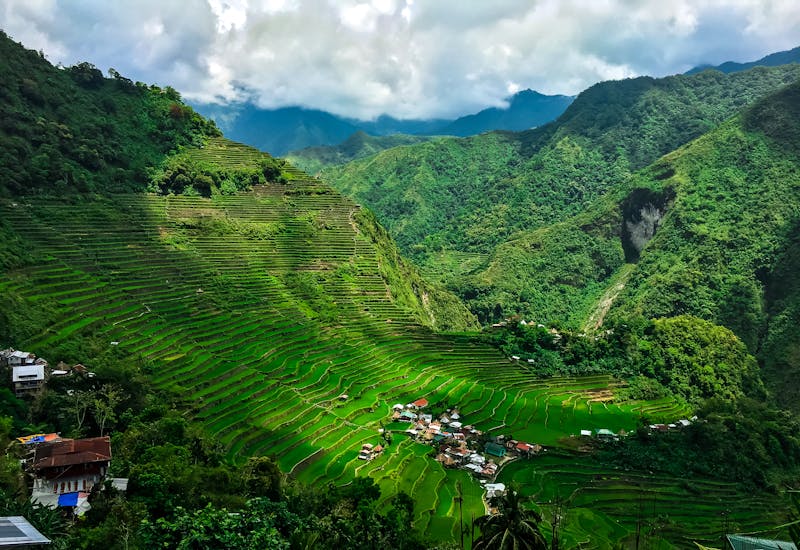
- Topas Ecolodge (Sapa): Solar-powered lodge built with local materials, employing ethnic minority communities
- Bai Tu Long Bay Eco-Resorts: Sustainable floating accommodations with minimal environmental impact
- Hanoi Boutique Hotels: Many Old Quarter hotels now use solar water heating and eliminate plastic bottles
Central Vietnam:
- Hoi An Eco-Resorts: Several properties built with traditional methods, using natural materials and supporting local artisans
- Phong Nha Farmstay: Community-based tourism supporting local families
- Cham Island Homestays: Simple, authentic stays supporting marine conservation
Southern Vietnam:
- Mekong Delta Homestays: Traditional stilt houses offering authentic experiences with local families
- Phu Quoc Eco-Resorts: Several resorts committed to renewable energy and beach conservation
- Con Dao Ecolodge: Supporting sea turtle conservation and marine protection
Questions to Ask When Booking
- Do you use renewable energy sources?
- How do you manage water conservation?
- What's your policy on single-use plastics?
- Do you source food locally?
- How do you support the local community?
- What waste management and recycling programs do you have?
- Do you offer environmental education to guests?
Supporting Local Communities
Responsible tourism puts money directly into local hands rather than international corporations. Here's how to support Vietnamese communities:
Choose Homestays Over Chain Hotels
Benefits of Homestays:
- Direct economic benefit to local families
- Authentic cultural exchange
- Traditional home-cooked meals using local ingredients
- Learn about daily life and customs
- Practice Vietnamese language
- Support traditional architecture preservation
Where to Find Quality Homestays:
- Sapa: Ethnic minority villages (H'Mong, Red Dao communities)
- Mai Chau: White Thai stilt houses in peaceful valleys
- Mekong Delta: Floating houses and riverside properties
- Hoi An: Ancient town home stays in traditional shophouses
- Ha Giang: Mountain homestays in remote ethnic villages
Hire Local Guides
Local guides provide:
- Authentic insider knowledge
- Direct income to residents
- Cultural context and stories you won't find in guidebooks
- Access to off-the-beaten-path experiences
- Language interpretation
- Support for local expertise and knowledge preservation
How to Find Ethical Tour Operators:
- Look for locally owned companies (not international chains)
- Choose guides who are from the community they're showing you
- Read reviews about fair treatment of staff
- Ask about percentage of profits that stay local
- Verify they pay fair wages and provide benefits
Shop from Local Artisans
What to Buy:
- Traditional textiles (handwoven fabrics, embroidery)
- Ceramics from Bat Trang village
- Lacquerware from traditional artisans
- Silver jewelry from ethnic minorities
- Conical hats (nón lá) made by hand
- Bamboo and rattan products
- Traditional paintings and art
Where to Shop:
- Craft villages around Hanoi (Bat Trang, Van Phuc)
- Ethnic minority markets in Sapa and Ha Giang
- Hoi An artisan workshops (tailors, lantern makers, shoe makers)
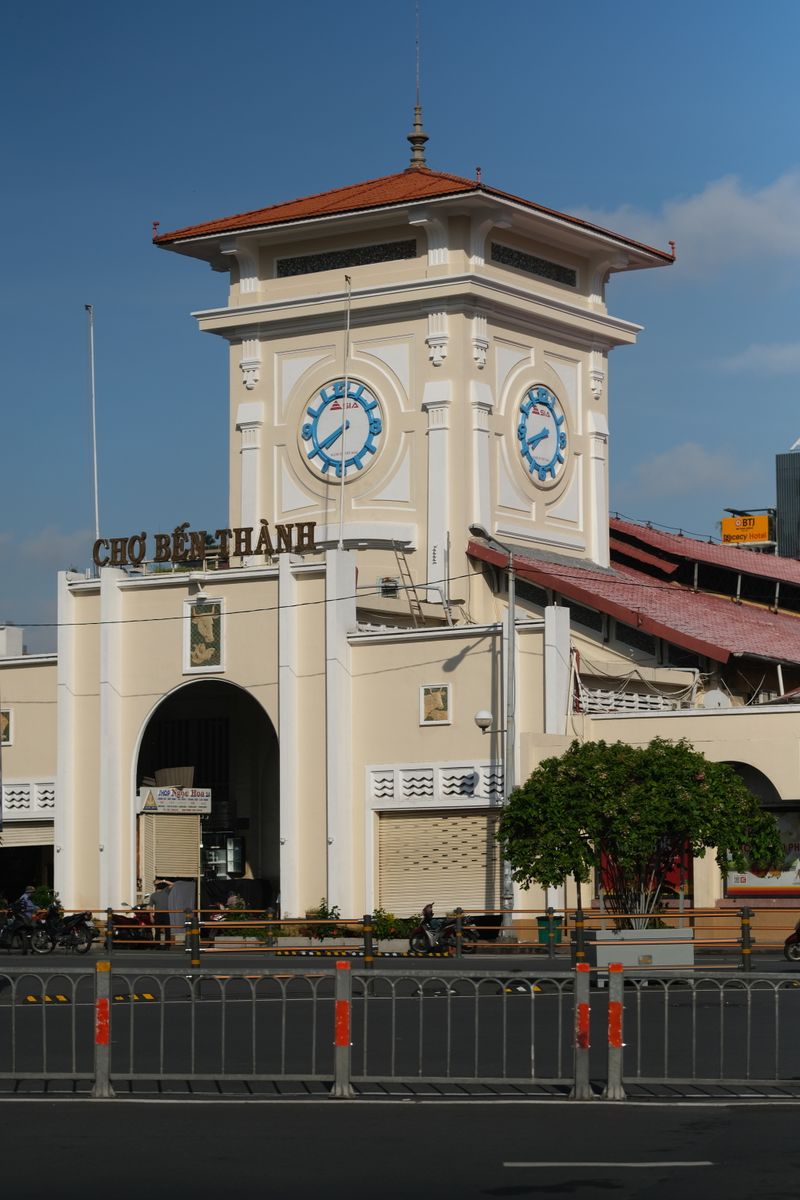
- Ben Thanh Market for authentic Vietnamese products
- Direct from artisan workshops and cooperatives
Avoid:
- Mass-produced souvenirs made in China
- Items made from endangered species (ivory, turtle shell, exotic skins)
- Cultural artifacts that should remain in Vietnam
- Products with no clear origin or maker
Learn Local Skills
Participate in workshops and classes that preserve traditional knowledge:
- Cooking classes with local families
- Traditional textile weaving
- Lantern making in Hoi An
- Pottery making in Bat Trang
- Vietnamese language lessons with local teachers
- Traditional music or dance classes
- Organic farming experiences
Ethical Wildlife Experiences
Vietnam's wildlife faces serious threats from habitat loss, poaching, and tourism exploitation. Make ethical choices to protect animals:
What to AVOID
Never Participate In:
- Elephant riding (causes physical and psychological harm)
- Bear bile farms or "sanctuaries" that aren't legitimate
- Monkey shows or trained animal performances
- Swimming with dolphins in captivity
- Taking photos with wildlife (snakes, birds, slow lorises)
- Buying products made from wildlife (ivory, turtle shell, pangolin scales, rhino horn)
- Visiting zoos or facilities with poor animal welfare standards
- Civet coffee (kopi luwak) from caged civets
Red Flags:
- Physical contact with wild animals
- Animals performing unnatural behaviors
- Crowded enclosures or chains
- Baby animals separated from mothers for photos
- Facilities that don't provide veterinary care
- No educational component about conservation
- Animals that seem lethargic or stressed
Responsible Wildlife Experiences
Legitimate Sanctuaries and Conservation Centers:
Cat Tien National Park:
- Gibbon spotting in natural habitat
- Night safaris to observe nocturnal wildlife
- Bird watching (300+ species)
- Supports conservation and anti-poaching efforts
Cuc Phuong National Park:
- Endangered Primate Rescue Center (legitimate sanctuary)
- Turtle Conservation Center
- Guided nature walks focusing on education
- No touching or feeding animals
Bach Ma National Park:
- Pristine jungle ecosystem
- Endemic species observation
- Ethical bird watching
- Conservation-focused tourism
Phu Quoc Marine Protected Areas:
- Snorkeling and diving to observe marine life
- Sea turtle conservation programs (observation only)
- Coral reef protection initiatives
Con Dao National Park:
- Sea turtle nesting season observation (proper distance maintained)
- Dugong spotting (rare)
- Marine conservation education
Guidelines for Ethical Wildlife Tourism
- Observe from a distance: Use binoculars and telephoto lenses
- Never feed wild animals: Disrupts natural behaviors and diet
- Stay quiet: Loud noises cause stress and disturb natural behaviors
- Follow guide instructions: Local experts know what's safe and respectful
- Don't use flash photography: Can disorient and stress animals
- Support conservation: Choose tours that fund protection programs
- Report violations: If you see animal abuse, report it to authorities and conservation organizations
Sustainable Food Choices
Vietnamese cuisine offers incredible opportunities for sustainable eating. Here's how to eat responsibly:
Embrace Plant-Based Vietnamese Cuisine
Vietnam has a rich tradition of vegetarian and plant-based food, especially:
- Chay restaurants: Buddhist vegetarian cuisine (often found near pagodas)
- Fresh spring rolls (gỏi cuốn): Rice paper, vegetables, herbs
- Vegetarian pho (phở chay): Aromatic soup with vegetables and tofu
- Banh mi chay: Vegetarian Vietnamese sandwiches
- Com tam chay: Broken rice with mock meat and vegetables
- Buddhist "Tet" festival days (1st and 15th lunar calendar day) when many Vietnamese eat vegetarian
Shop and Eat at Local Markets
Benefits:
- Support small-scale farmers
- Reduce packaging and transportation emissions
- Access the freshest seasonal produce
- Experience authentic local food culture
- Learn about Vietnamese ingredients
Best Markets:
- Hanoi: Dong Xuan Market, Long Bien Market
- Ho Chi Minh City: Ben Thanh Market, Binh Tay Market
- Hoi An: Central Market, morning market
- Da Lat: Da Lat Market (famous for fresh produce)
- Can Tho: Cai Rang Floating Market
Reduce Food Waste
- Order reasonable portions (street food comes in small servings)
- Share dishes family-style to try variety without waste
- Take leftovers with you in your reusable container
- Choose restaurants that don't over-serve
- Eat everything on your plate (it's not considered rude in Vietnam)
- Compost food scraps when facilities available
Choose Sustainable Seafood
Vietnam has extensive coastline and aquaculture, but overfishing is a concern:
Best Choices:
- Ask for locally caught fish (reduces transportation impact)
- Choose abundant species over endangered ones
- Avoid shark fin soup, turtle, and other threatened species
- Look for sustainable aquaculture certifications
- Eat smaller fish lower on the food chain
- Choose restaurants committed to sustainable sourcing
Support Farm-to-Table Restaurants
Look for restaurants that:
- Source ingredients from local organic farms
- Have their own gardens
- Feature seasonal menus
- Minimize food miles
- Eliminate food waste through composting
- Support fair trade practices
Drink Responsibly
- Choose Vietnamese coffee (shade-grown when possible, avoid civet coffee from captive animals)
- Drink local craft beer and rice wine
- Refill water bottles instead of buying bottled water
- Try fresh fruit smoothies (without plastic straws)
- Support cafes that eliminate plastic straws and cups
Sustainable Transportation Choices
How you move around Vietnam significantly impacts your carbon footprint. Make conscious transport decisions:
Trains Over Planes
Why Choose Trains:
- Dramatically lower carbon emissions (up to 80% less than flying)
- Scenic routes through countryside and coastline
- Comfortable sleeper cabins for overnight journeys
- Opportunity to meet local travelers
- More luggage space than buses
- Onboard dining with local food
- Romantic and nostalgic travel experience
Best Train Routes:
- Hanoi to Ho Chi Minh City: Epic 30-hour journey (the "Reunification Express")
- Hanoi to Sapa: Overnight sleeper through mountains
- Hanoi to Hue: 12-hour journey along the coast
- Da Nang to Hoi An: Short scenic route
- Ho Chi Minh City to Nha Trang: Coastal journey
Booking Tips:
- Book soft sleeper class for comfort
- Choose AC carriages during hot months
- Book directly through Vietnam Railway or reliable agents
- Bring snacks and entertainment
- Window seats offer best views
Eco-Friendly Urban Transport
Best Choices in Cities:
Bicycles:
- Perfect for Hoi An's old town
- Great for exploring Hanoi's Old Quarter early morning
- Ideal for countryside around Ninh Binh
- Available for rent almost everywhere (20,000-50,000 VND/day)
- Join bicycle tour groups for safety
Walking:
- Best way to explore compact areas like Hoi An and Hanoi's Old Quarter
- Free, healthy, and zero emissions
- Allows spontaneous discoveries
- Better for photography and observation
- Download Maps.me for offline navigation
Electric Bikes and Scooters:
- Growing availability in major cities
- Lower emissions than gas motorbikes
- Quieter and cleaner
- Similar convenience to regular motorbikes
Public Buses:
- Ho Chi Minh City has extensive bus network
- Hanoi buses are cheap and reliable
- Very affordable (7,000-15,000 VND per ride)
- Download BusMap app for routes
- Reduces traffic congestion
Ride-Sharing:
- Use Grab (Southeast Asian Uber) to split rides
- Choose GrabBike (motorbike) for short distances
- Use GrabShare to split costs with other passengers
- More efficient than taxis
What to Avoid or Minimize
- Short domestic flights (take trains or buses instead)
- Gas-guzzling private cars for short distances
- Cyclos for long distances (physically demanding for drivers)
- Overlapping trips (plan efficient routes)
Carbon Offset Options
If flying is unavoidable:
- Calculate your carbon footprint (various online calculators)
- Purchase certified carbon offsets
- Support reforestation projects in Vietnam
- Contribute to renewable energy projects
- Choose airlines with better environmental records
- Pack light (less weight = less fuel)
Volunteer Opportunities and Giving Back Responsibly
Volunteering in Vietnam can be rewarding, but requires careful consideration to ensure you're truly helping:
How to Choose Ethical Volunteer Programs
Red Flags to Avoid:
- "Voluntourism" packages with short timeframes (1-2 weeks)
- Orphanage volunteering (often exploits children)
- Programs requiring no skills or experience
- High fees with unclear fund allocation
- No background checks or training
- Activities you're not qualified for (medical care, teaching without credentials)
- Programs that displace local workers
What to Look For:
- Long-term commitment (minimum 1-3 months)
- Clear impact metrics and transparent reporting
- Local partnerships with Vietnamese organizations
- Genuine skill match for your qualifications
- Sustainable funding model (not dependent on volunteer fees)
- Cultural orientation and language training
- Supervision by qualified local staff
- Focus on capacity building rather than direct service
Responsible Volunteer Opportunities
Environmental Conservation:
- Wildlife rehabilitation centers: Cuc Phuong, Cat Tien (require 3+ month commitment)
- Marine conservation: Coral reef monitoring, beach cleanup programs
- Reforestation projects: Planting native trees in degraded areas
- Waste management education: Teaching proper recycling and composting
Education:
- English teaching: Only if you have TEFL certification and minimum 6-month commitment
- University exchange programs: Legitimate educational partnerships
- Technical skills training: If you have professional expertise to share
Community Development:
- Fair trade cooperatives: Supporting artisan businesses
- Organic farming initiatives: Sustainable agriculture training
- Women's empowerment programs: Skills training for rural women
- Microfinance support: Small business development
Alternative Ways to Give Back
If you're not committing to long-term volunteering:
Participate in Day Events:
- Beach cleanup days
- Tree planting events
- Community cleanup projects
- Cultural preservation activities
Donate to Reputable Organizations: Research thoroughly before donating:
- KOTO (Know One, Teach One): Vocational training for disadvantaged youth
- Blue Dragon Children's Foundation: Rescuing trafficked children
- Wildlife at Risk (WAR): Wildlife conservation and rescue
- Vietnam Environmental Protection Fund: Government-backed conservation
- Mekong Plus: Community development in Central Vietnam
Spend Thoughtfully:
- Your tourism spending is a form of giving back
- Support social enterprises and community-based tourism
- Pay fair prices for services
- Tip generously for good service
- Buy from organizations that employ disadvantaged groups
Share Knowledge Without "Saviorism":
- Cultural exchange is two-way learning
- Listen more than you teach
- Respect local expertise and knowledge
- Avoid "white savior" mentality
- Recognize your limitations
Questions to Ask Before Volunteering
- How long has the organization operated?
- Who runs it (locals or foreigners)?
- What percentage of fees go to the actual project?
- What skills and qualifications are required?
- What is the minimum time commitment?
- How do you measure impact?
- Can you provide references from past volunteers?
- How does this program benefit local communities long-term?
- Am I taking a job from a local person?
- What happens to the project when volunteers leave?
Cultural Sensitivity and Respect
Ethical travel includes respecting Vietnamese culture and customs:
Dress Appropriately
- Cover shoulders and knees when visiting temples and pagodas
- Remove shoes before entering homes and religious sites
- Avoid beachwear in cities and cultural sites
- Dress modestly in rural areas
- Ask before photographing people, especially ethnic minorities
Learn Basic Vietnamese
Efforts to speak Vietnamese are deeply appreciated:
- Xin chào: Hello
- Cảm ơn: Thank you
- Xin lỗi: Sorry/Excuse me
- Bao nhiêu tiền?: How much?
- Không cần túi: No bag needed (refusing plastic bags)
Understand Local Customs
- Don't touch people's heads (considered sacred)
- Don't point feet at people or Buddha images
- Give and receive with both hands
- Show respect to elders
- Ask permission before photographing people
- Avoid public displays of affection
- Don't raise your voice or show anger
Respect Sacred Sites
- Behave reverently in pagodas and temples
- Don't climb on statues or sacred structures
- Keep voices low in religious spaces
- Follow dress codes
- Don't disturb prayer or meditation
- Make donations if you visit religious sites
Practical Sustainable Travel Tips
Packing for Sustainable Travel
Essentials:
- Reusable water bottle with filter
- Solar charger for electronics
- Quick-dry, versatile clothing (reduces laundry frequency)
- Reusable bags (multiple sizes)
- Solid toiletries (shampoo bars, soap, toothpaste tablets)
- Reef-safe sunscreen (zinc oxide based)
- Bamboo utensils and cloth napkins
- Portable clothesline for air-drying clothes
- Headlamp or flashlight (reduces energy use)
- E-books instead of physical books
Eco-Friendly Activities
Low-Impact Activities to Choose:
- Hiking in national parks
- Cycling tours through countryside
- Kayaking (non-motorized)
- Swimming in natural settings
- Cultural workshops and classes
- Cooking classes with local families
- Walking tours of cities
- Yoga and meditation retreats
- Organic farm visits
- Community-based tourism experiences
Banking and Money
- Use ATMs to avoid carrying large amounts of cash
- Notify your bank before traveling
- Keep some small bills for markets and street vendors
- Support local businesses that don't charge credit card fees
- Consider mobile payment options (Momo, ViettelPay)
Communication
- Download offline maps (Maps.me, Google Maps offline)
- Learn basic Vietnamese using apps (Duolingo, Drops)
- Use Google Translate offline mode
- Buy a local SIM card (better than international roaming)
- Use WiFi at accommodations to reduce data usage
Creating Lasting Memories: Sustainable Souvenirs
As you capture Vietnam's beauty through your camera lens, consider how to preserve those memories in eco-conscious ways. One thoughtful option many travelers choose is turning their favorite travel photos into custom photo magnets—small, lightweight keepsakes that require minimal packaging and shipping compared to traditional souvenirs.

These personalized magnets offer several sustainable advantages: they're compact for packing, don't consume natural resources like traditional handicrafts, and can be shared as meaningful gifts that tell your unique travel story. Many Vietnam-based services offer affordable pricing and quick turnaround, letting you curate exactly which moments you want to remember. Unlike disposable tourist trinkets, these customized keepsakes serve as lasting reminders of your responsible travel experience.
When choosing any souvenirs, prioritize quality over quantity, select items that support local artisans, and avoid products that contribute to environmental harm or cultural exploitation.
Your Sustainable Travel Checklist
Before you go:
- Research eco-friendly accommodations
- Pack reusable items (water bottle, bags, utensils)
- Download offline maps and translation apps
- Research ethical tour operators and guides
- Plan train routes instead of flights when possible
- Learn basic Vietnamese phrases
- Research legitimate wildlife sanctuaries
- Identify social enterprises and local businesses to support
During your trip:
- Refuse single-use plastics
- Eat local, seasonal food
- Use public transportation, bicycles, or walk when possible
- Shop from local artisans and markets
- Respect cultural sites and customs
- Stay on marked trails in nature
- Dispose of waste properly
- Take only photographs, leave only footprints
After your trip:
- Share your sustainable travel experiences to inspire others
- Write reviews for eco-friendly businesses
- Report any unethical tourism practices you witnessed
- Stay connected with local communities you met
- Consider donating to Vietnamese conservation organizations
- Offset your carbon emissions
- Continue supporting Vietnamese businesses from home
Conclusion: Be the Change
Sustainable and ethical travel in Vietnam isn't about perfection—it's about making conscious choices that collectively create positive impact. Every plastic bag you refuse, every local guide you hire, every homestay you choose over a chain hotel, and every ethical wildlife experience you prioritize sends a powerful message about the kind of tourism you support.
Vietnam's stunning landscapes, vibrant culture, and welcoming people deserve to be protected and celebrated, not exploited. As travelers, we have the privilege of experiencing this remarkable country—and the responsibility to ensure it thrives for generations to come.
Your journey through Vietnam can be transformative not just for you, but for the communities you visit and the ecosystems you explore. Travel slowly, listen deeply, spend mindfully, and leave thoughtfully. This is how we honor Vietnam and its people.
Chúc bạn có chuyến đi vui vẻ! (Have a wonderful trip!)
Remember: The most sustainable trip is one where your positive impact outlasts your footprints.