

Preserve Your Vietnam Memories
Turn your travel photos into beautiful custom magnets
A unique service available throughout Vietnam - simply send your favorite travel shots and receive beautiful, high-quality magnets at budget-friendly prices. Perfect for sharing with friends or decorating your space with travel memories.
Contact us on:
Vietnamese Ceramics and Pottery Souvenirs: Complete Bat Trang Village Guide
When travelers ask me about the most authentic and meaningful souvenirs from Vietnam, Vietnamese ceramics and pottery always top my list. Unlike mass-produced trinkets, Vietnamese pottery represents centuries of craftsmanship, cultural heritage, and practical artistry that you can actually use in your daily life.
The crown jewel of Vietnamese ceramics is Bat Trang village, located just 15 kilometers southeast of Hanoi. For over 700 years, this small village has produced some of Vietnam's finest pottery, from delicate tea sets and ornate vases to everyday bowls and decorative pieces. But Bat Trang is just the beginning. Vietnam has a rich ceramic tradition spanning multiple regions, each with distinctive styles, techniques, and specialties.
This comprehensive guide will teach you everything you need to know about buying Vietnamese ceramics: how to identify authentic Bat Trang pottery, assess quality and fair pricing, understand the differences between traditional and modern styles, navigate pottery villages beyond Bat Trang, and successfully pack and ship fragile items home. Whether you're a serious collector, a casual shopper, or someone looking for meaningful gifts, you'll learn exactly what to look for and how to buy with confidence.
Why Vietnamese Ceramics Make Perfect Souvenirs
Before diving into villages, techniques, and buying strategies, here's why Vietnamese pottery should be on your shopping list:
- Historical Significance: Vietnamese ceramics date back over 1,000 years, with techniques passed down through generations of master artisans
- Practical Beauty: Unlike decorative-only souvenirs, ceramic bowls, cups, and plates integrate seamlessly into daily life
- Unique Craftsmanship: Each region has distinctive styles, glazes, and motifs you won't find anywhere else in the world
- Affordable Luxury: High-quality handmade pottery costs a fraction of comparable pieces in Western countries
- Cultural Connection: Every piece tells a story of Vietnamese artistry, tradition, and the families who create them
- Gift Potential: Ceramic tea sets, vases, and decorative pieces make impressive, culturally significant gifts
- Investment Value: Authentic pieces from master craftspeople can appreciate over time
- Wide Range: From $2 simple bowls to $500 museum-quality vases, there's pottery for every budget
Bat Trang Ceramic Village: The Heart of Vietnamese Pottery
Bat Trang is to Vietnamese ceramics what Murano is to Italian glass - the gold standard, the most famous, and historically the most important production center. Located in Gia Lam District, 15km from Hanoi's Old Quarter, this 700-year-old village has dedicated itself entirely to ceramic production.
History and Significance of Bat Trang
Bat Trang's ceramic tradition dates back to the 14th century, though some historians believe pottery-making in the area began even earlier. The village sits near the Red River, which provided two essential resources: clay from the riverbed and water for processing. Geographic advantage combined with generations of accumulated knowledge created Vietnam's most renowned ceramic center.
During the 15th-16th centuries, Bat Trang pottery was exported throughout Southeast Asia. Vietnamese ceramic pieces from this period have been discovered in archaeological sites in Indonesia, the Philippines, and Japan. The village supplied pottery to Vietnamese royal courts and wealthy families, establishing a reputation for quality that persists today.
Unlike many traditional crafts that declined during the 20th century, Bat Trang ceramics thrived. Today, the village has over 600 family-owned workshops and kilns, employing thousands of artisans. The craft has adapted to modern markets while maintaining traditional techniques, creating both classical styles and contemporary designs.
What Makes Bat Trang Ceramics Special
Traditional White Ceramics: The most iconic Bat Trang style features pure white pottery with delicate hand-painted blue designs. These patterns typically depict traditional Vietnamese motifs: lotus flowers, phoenixes, dragons, bamboo, and geometric patterns. The white background comes from special white clay, and the blue designs use cobalt oxide pigment that turns brilliant blue when fired at high temperatures.
Crackle Glaze Technique: Bat Trang is famous for its distinctive crackle glaze (rạn cổ), where intentional fine cracks create beautiful patterns across the surface. This isn't a defect - it's a controlled technique achieved by using glazes with different expansion rates. The cracks are often enhanced with tea or ink to make them more visible, creating unique patterns on each piece.
Brown Glazed Pottery: Traditional brown-glazed ceramics represent some of Bat Trang's oldest styles. These pieces use iron-rich glazes that create warm brown, amber, and reddish tones. They're often simpler in decoration but beloved for their earthy, rustic aesthetic.
Modern Innovations: Contemporary Bat Trang artists have pushed boundaries with new glazes, forms, and designs. You'll find pieces incorporating multiple glaze techniques, sculptural forms, and designs that blend traditional Vietnamese motifs with modern minimalism.
Getting to Bat Trang from Hanoi
By Bus (Cheapest, $0.50-1, 45-60 minutes)
- Take bus #47 from Long Bien bus station
- Buses run every 15-20 minutes, 6am-8pm
- Ask driver for "Bat Trang gom" (Bat Trang pottery)
- Bus drops you in the village center
By Grab (Most Convenient, $5-8, 30-40 minutes)
- Set destination as "Bat Trang Ceramic Village" in app
- Best for groups (split the cost)
- Door-to-door service
- Return Grab easily available
Organized Tours ($15-30 per person)
- Half-day tours from Hanoi include transportation
- Often combined with pottery-making workshops
- Good for first-time visitors who want guidance
- Some tours include lunch
By Motorbike (For Experienced Riders, $5-7 rental)
- Scenic route along Red River
- Freedom to explore at your own pace
- Only for confident riders (Hanoi traffic is intense)
- Follow Google Maps to avoid getting lost
Best Time to Visit: Weekday mornings (Tuesday-Thursday, 8am-11am) are ideal. You'll avoid weekend crowds, see artisans actively working, and have better opportunities for bargaining. Avoid Vietnamese holidays and rainy days when kiln-firing might be paused.

Understanding Vietnamese Ceramic Types and Styles
Vietnamese ceramics encompass a wide range of products, techniques, and artistic styles. Understanding these categories helps you identify what you're looking at, assess quality, and make informed purchasing decisions.
Traditional Vietnamese Ceramic Styles
Blue and White Porcelain (Gom trang men lam) The most iconic Vietnamese ceramic style, inspired by Chinese blue-and-white porcelain but developed into a distinct Vietnamese aesthetic. Features white background with hand-painted cobalt blue designs. Common motifs include:
- Dragons (rồng): Symbol of power and prosperity
- Phoenix (phượng): Symbol of grace and virtue
- Lotus flowers (hoa sen): Buddhist symbol of purity
- Bamboo (tre): Represents resilience and integrity
- Geometric patterns: Waves, clouds, and repeating designs
Celadon Ceramics (Gom men ngọc) Characterized by soft green glaze achieved with iron oxide under specific firing conditions. Vietnamese celadon has a distinctive jade-like quality, subtly different from Chinese and Korean celadon. Ranges from pale green to deeper emerald tones. Often features subtle carved or impressed designs that show through the glaze.
Brown Glazed Pottery (Gom men nâu) Traditional rustic style using iron-rich glazes producing warm brown, amber, and reddish tones. Often simpler in form and decoration, emphasizing the natural beauty of clay and glaze. Popular for tea sets, storage jars, and everyday tableware. More affordable than elaborate blue-and-white pieces.
Crackle Glaze Ceramics (Gom rạn) Intentional crazing pattern created by using glazes with different thermal expansion rates. Each piece develops unique crackle patterns during firing. Cracks are often darkened with tea, ink, or natural pigments to make them more visible. Highly valued for the distinctive character of each piece.
Modern and Contemporary Styles
While traditional styles remain popular, contemporary Vietnamese ceramic artists have expanded the possibilities:
Minimalist Modern: Clean lines, solid colors, simplified forms appealing to contemporary tastes. Often uses matte glazes in subtle colors like grey, off-white, cream, and soft pastels.
Fusion Designs: Blend traditional Vietnamese motifs with modern aesthetics. Might combine traditional blue-and-white painting techniques with contemporary shapes, or use traditional forms with unexpected modern glaze colors.
Sculptural Ceramics: Artistic pieces focusing on form rather than function. Range from abstract sculptures to figurative work depicting Vietnamese daily life, animals, and cultural themes.
Textured Surfaces: Contemporary pieces often feature carved patterns, impressed textures, or applied decorative elements that create visual and tactile interest beyond traditional smooth surfaces.
Types of Ceramic Products
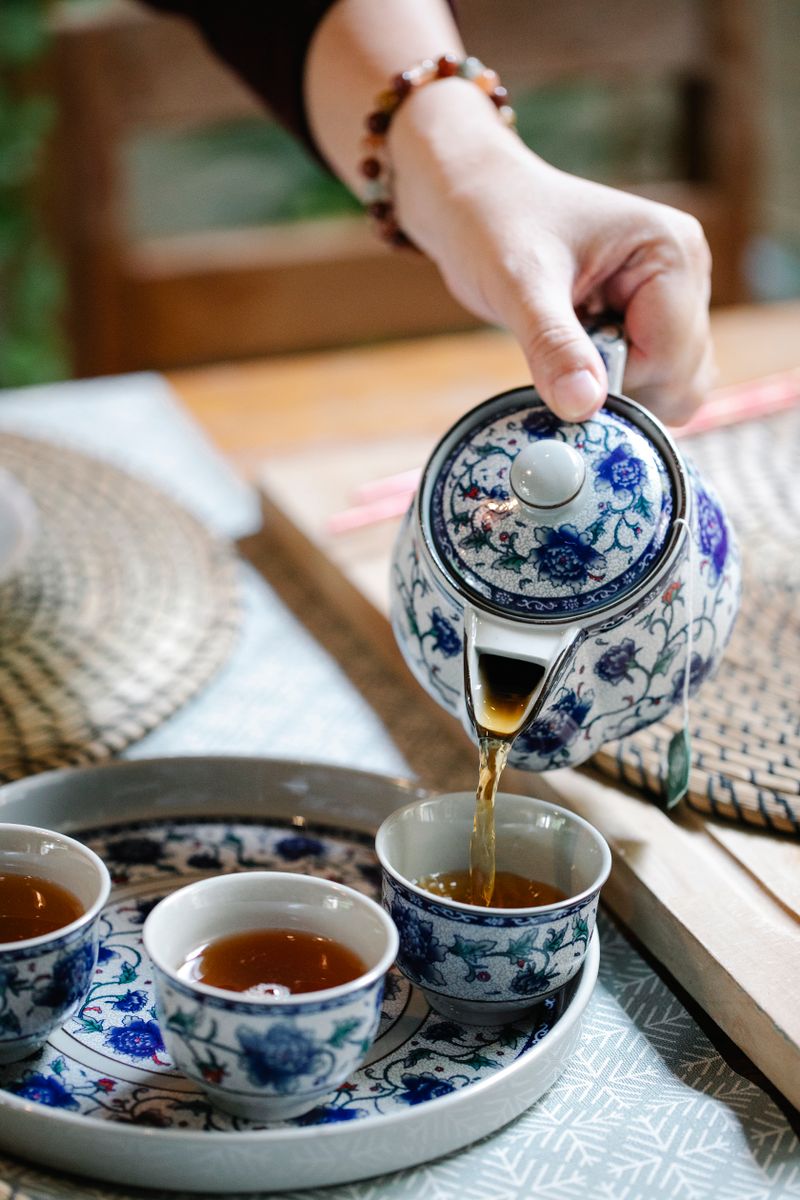
Tea Sets (Bộ ấm chén) Complete tea sets typically include teapot, small cups (usually 6), tea tray, and sometimes a pitcher for decanting. Vietnamese tea culture is similar to Chinese gongfu tea preparation, using small cups and multiple infusions. Prices range from $15 for basic sets to $200+ for master craftsman work.
Rice Bowls (Chén cơm) Essential in Vietnamese dining culture. Traditional bowls have straight or slightly flared sides, perfect for holding rice and lifting to mouth. Often sold in sets of 4-6. Quality bowls should have smooth, even rims. Prices: $2-10 per bowl depending on decoration and craftsmanship.
Vases (Lọ hoa) Range from small bud vases ($5-15) to large floor vases ($50-500+). Traditional vases often feature elongated forms with narrow necks. Decorative vases showcase the most elaborate painting and glazing techniques. Large vases make dramatic decorative statements but require careful shipping.
Plates and Serving Dishes (Đĩa) Vietnamese ceramic plates range from small appetizer plates to large serving platters. Often feature beautiful rim decorations with clear centers. Practical for actual use while being decorative enough to display. Prices: $5-30 depending on size and decoration.
Cups and Mugs (Cốc, ly) Traditional Vietnamese ceramic cups are small, without handles, used for tea or coffee. Modern ceramics also include handled mugs in various sizes. Look for smooth rims and comfortable proportions. Prices: $3-15 per cup.
Decorative Figurines (Tượng gốm) Sculptures depicting everything from Buddha statues to animals, Vietnamese women in traditional dress (ao dai), and daily life scenes. These showcase artistic skill beyond functional pottery. Prices vary wildly based on size, complexity, and artist reputation.
Incense Holders (Lọ đựng hương) Traditional items for Vietnamese and Buddhist altar ceremonies. Often feature lotus or phoenix motifs. Range from simple cylindrical forms to elaborate multi-tiered designs.
How to Identify Authentic Bat Trang Ceramics
With Bat Trang's reputation comes inevitable counterfeiting and lower-quality imitations. Many shops in Hanoi's Old Quarter and tourist areas sell "Bat Trang pottery" that was actually made in China or inferior Vietnamese factories. Here's how to identify the real deal:
Authentication Methods
1. Weight and Thickness Authentic Bat Trang pottery has substantial weight due to quality clay and proper firing. Pick up the piece - it should feel solid and well-made, not hollow or flimsy. Walls should be consistently thick (not paper-thin). Mass-produced imitations are often lighter and thinner.
2. Glaze Quality Examine the glaze carefully under good lighting. Authentic Bat Trang glazes are smooth, evenly applied, with no bubbles or rough patches. The glaze should fully cover the piece with consistent color. Crackle glazes should show intentional, attractive cracking patterns, not random damage. Run your fingers over the surface - it should be completely smooth except where texture is intentional.
3. Hand-Painted Details Traditional Bat Trang pieces feature hand-painted designs, not stamped or decal decorations. Look closely at painted motifs: Hand-painted lines show slight variations in thickness and color intensity. Decal transfers show perfect repetition and mechanical precision. Authentic pieces may have minor imperfections that prove human craftsmanship. Paint should be under the glaze (smooth surface), not on top where it can wear off.
4. Base and Foot Ring Turn the piece over and examine the base carefully. Quality Bat Trang ceramics have well-finished foot rings (the raised circle on the bottom). The exposed clay on the foot ring should be smooth, fine-grained, and off-white or light grey. Rough, orange-colored clay suggests lower quality. Look for maker's marks or stamps (discussed below).
5. Maker's Marks and Stamps Many established Bat Trang families and workshops stamp their pieces with identifying marks. These marks are usually on the base, written in Vietnamese or using symbolic seals. Well-known workshops include Nguyen, Le, Tran families who have been producing ceramics for generations. Ask the seller about the workshop or family that made the piece.
6. Sound Test Gently tap the piece with your fingernail or a pen. High-quality, properly-fired ceramics produce a clear, ringing tone. Poor quality or improperly fired pieces produce a dull thud. This test works best with bowls, cups, and plates - less reliable with thick sculptural pieces.
7. Shop Location The most authentic pieces are purchased directly in Bat Trang village from family workshops. Next best are reputable ceramic specialty shops in Hanoi. Be skeptical of "Bat Trang pottery" sold in general souvenir shops or tourist areas at suspiciously low prices.
Red Flags for Fake or Low-Quality Ceramics
- Extremely light weight for the size
- Uneven or bumpy glaze surfaces
- Perfect repetition in decorative patterns (indicates decals)
- Bright orange or red-colored clay visible on the base
- Prices far below reasonable market value
- Seller cannot or will not discuss the maker/workshop
- Glaze doesn't cover the piece completely
- Sharp or rough rim edges
- "Bat Trang" items sold in general tourist souvenir shops
Quality Assessment: What to Look For
Beyond authentication, you want to assess overall quality to ensure you're getting value for your money. Even authentic Bat Trang pieces vary significantly in quality based on craftsmanship, materials, and artistic skill.
Assessing Construction Quality
Clay Quality: High-quality ceramics start with refined clay. The body should be smooth and uniform with no visible air pockets or impurities. The exposed clay on the foot ring should be fine-grained and light-colored (off-white to light grey). Avoid pieces with orange-red rough clay, which indicates lower quality clay or inadequate processing.
Firing Quality: Properly fired ceramics have strength and durability. Under-fired pieces are porous, absorb liquids, and break easily. Over-fired pieces may show distortion or glaze defects. The sound test (described above) helps assess firing quality - a clear ring indicates proper firing.
Symmetry: Unless intentionally asymmetrical, quality ceramics show good symmetry. Bowls and cups should have evenly curved walls and level rims. Examine pieces from multiple angles to check for warping or uneven shapes. Minor variations are acceptable and even desirable in handmade pieces, but gross distortions indicate poor craftsmanship.
Wall Thickness: Walls should be consistently thick throughout the piece. Run your fingers around the rim of bowls and cups - you shouldn't feel significant variations in thickness. Consistent thickness ensures even heating when used with hot liquids and greater durability.
Rim Quality: The rim is a critical quality indicator. Run your finger around the entire rim - it should be smooth with no rough spots, chips, or sharp edges. The rim should be level (place on flat surface and check for rocking). Quality pieces have carefully finished rims that feel comfortable against your lips.
Assessing Artistic Quality
Painting Skill: For hand-painted pieces, examine the brushwork carefully. Quality work shows confident, fluid lines with appropriate variations in thickness. Motifs should be well-proportioned and properly centered. Colors should be vibrant and clear with no bleeding or smudging. Compare similar pieces - inconsistent quality suggests rushed or inexperienced painting.
Design Composition: Well-designed pieces show balanced, harmonious composition. Traditional motifs should be properly rendered with correct proportions. The negative space (unpainted areas) should be balanced with decorated areas. The design should complement the form rather than fighting against it.
Glaze Application: Glazes should be evenly applied with consistent thickness. Look for uniform color with no thin spots or runs. The glaze should fully cover functional surfaces while leaving the foot ring clean. Pools of glaze at the base or unglazed patches indicate poor application.
Overall Finish: Quality pieces show attention to detail in finishing. There should be no rough spots, drips of excess glaze, or poorly finished edges. The base should be cleanly finished with smooth foot ring. Better workshops sand the foot ring smooth to prevent scratching furniture.
Grading Your Finds
Museum Quality ($100-500+): Master craftsman work featuring exceptional painting, perfect technique, and artistic originality. Usually stamped by well-known makers. Suitable for serious collectors.
High Quality ($30-100): Excellent craftsmanship with skilled painting, fine glazes, and good attention to detail. From established workshops with reputation for quality. Suitable for display and special occasion use.
Good Quality ($10-30): Solid craftsmanship with minor imperfections. Appropriate for regular use. Decoration may be simpler or show less refined painting skill. Good value for functional pieces.
Acceptable Quality ($3-10): Basic pieces with correct techniques but simplest decoration and finishing. Perfectly adequate for everyday use. May show minor imperfections in symmetry or glaze application.
Low Quality (Avoid): Poorly made pieces with rough finishing, uneven glazes, poor symmetry, or weak construction. Even at low prices, these are poor value because they break easily and look cheap.
Pricing Guide: What You Should Pay
Understanding fair prices helps you bargain effectively and avoid overpaying while ensuring artisans receive reasonable compensation for their work. Prices vary based on quality, complexity, size, and whether you're buying in Bat Trang village versus Hanoi shops.
General Price Ranges (Bat Trang Village Prices)
Small Items
- Simple rice bowls: $2-5 each
- Tea cups (single): $3-8
- Small plates: $3-7
- Basic chopstick rests: $1-2
- Simple incense holders: $4-10
Medium-Sized Pieces
- Decorated rice bowls (premium): $8-15
- Tea sets (basic): $15-30
- Tea sets (quality): $30-80
- Medium vases (8-12 inches): $15-40
- Serving plates/dishes: $8-20
- Coffee/tea mugs: $5-12
Large Items
- Large vases (18-24 inches): $40-150
- Extra-large decorative vases: $100-500+
- Complete dining sets (6-8 place settings): $80-200
- Large serving platters: $25-60
- Decorative sculptures: $30-200+
Premium/Master Craftsman Work
- Signed pieces by known artists: $100-1,000+
- Museum-quality vases with exceptional painting: $200-800
- Sculptural art pieces: $150-1,500+
- Antique or vintage pieces: $200-5,000+ (requires expert assessment)
Price Factors to Consider
Location Markup: Hanoi Old Quarter shops charge 2-3x village prices. Fancy galleries may charge 3-5x village prices. Hotel gift shops are the most expensive. Airport shops charge premium prices with no bargaining. Buy in Bat Trang village for best value, or from reputable Hanoi specialty shops if you can't make the trip.
Craftsmanship Level: Simple forms with basic decoration cost less. Complex forms requiring skilled throwing cost more. Elaborate hand-painting increases prices significantly. Multiple glaze techniques or special effects add value. Pieces signed by known master craftsmen command premium prices.
Size and Weight: Larger pieces cost more due to material and production complexity. Shipping costs also increase with size. Sometimes smaller pieces by skilled artists cost more than large pieces by less experienced makers - skill matters more than size.
Age: Contemporary pieces follow standard pricing. Vintage pieces (20-50 years old) may command premium prices from collectors. Antique pieces (50+ years) require expert authentication and can be very valuable. Be extremely cautious buying "antiques" - fakes are common.
Bargaining Strategies
Bargaining is expected and part of the shopping experience in Vietnam. Here's how to negotiate effectively:
Do Your Research: Visit several shops to understand the range of quality and prices. Ask prices at multiple locations for similar items before negotiating seriously.
Start at 50-60%: Make your first offer at 50-60% of the asking price. The seller will counter-offer, and you'll usually settle at 60-75% of original price. For expensive items, there's more room for negotiation. For cheap items ($2-5), bargaining room is minimal.
Bundle for Better Prices: Buying multiple items gives you leverage for better discounts. Say "I want to buy several pieces - what discount can you offer?" Sellers are more willing to negotiate when dealing with larger total purchases.
Be Respectful: Bargaining should be friendly, not aggressive. Smile, be polite, and make it a pleasant interaction. If the seller won't meet your price, thank them and prepare to leave - they often call you back with a better offer.
Know When to Walk Away: If the gap is too wide, politely walk away. You'll find similar items elsewhere. Sometimes walking away prompts the seller to meet your price. But don't bluff - be prepared to actually leave if your budget is firm.
Pay Cash: Vendors prefer cash and may offer small discounts for cash payment. Credit cards incur fees, so card prices may be slightly higher.
Don't Bargain Too Hard: Remember you're dealing with artisan families, not wealthy corporations. Once you reach a fair price that reflects quality workmanship, close the deal. The difference between $25 and $30 matters more to the craftsman than to you.
Other Vietnamese Pottery Villages and Regions
While Bat Trang is the most famous, Vietnam has several other ceramic-producing regions, each with distinctive styles and specialties. Exploring these alternatives gives you access to different aesthetics and sometimes better value.
Chu Dau Village (Bac Ninh Province)
Located about 45km from Hanoi in Bac Ninh Province, Chu Dau is actually older than Bat Trang, with ceramic production dating back to the 11th-14th centuries. Chu Dau ceramics were once famous throughout Asia, exported widely during Vietnam's golden age.
Distinctive Styles: Chu Dau is famous for its unique enamel-painted ceramics with vibrant colors including distinctive turquoise, bright blue, and green glazes. Traditional designs feature phoenixes, flowers, and geometric patterns painted in vivid colors over white backgrounds. The glazes have a characteristic glossy finish that distinguishes them from Bat Trang pieces.
What to Buy: Chu Dau specializes in decorative pieces like vases, plates, and ornamental ceramics rather than everyday functional ware. The bright colors and elaborate decoration make Chu Dau pieces distinctive display items. Prices are comparable to Bat Trang, ranging from $15-200+ depending on size and complexity.
Getting There: Take a bus from My Dinh bus station in Hanoi to Bac Ninh (1 hour, $2-3). From Bac Ninh, take local transport to Chu Dau village. Alternatively, combine with a visit to Bat Trang on a private car tour.
Phu Lang Village (Bac Ninh Province)
Also in Bac Ninh Province, Phu Lang has produced pottery for over 500 years. This village specializes in more rustic, traditional pottery compared to refined Bat Trang pieces.
Distinctive Styles: Phu Lang is known for brown-glazed pottery with traditional Vietnamese shapes. The aesthetic is more rustic and earthy compared to decorated Bat Trang pieces. Specializes in functional items like storage jars, cooking pots, and traditional vessels. Often features minimal decoration, focusing on beautiful forms and natural clay colors.
What to Buy: Traditional brown-glazed storage jars, rustic cooking vessels, simple tea sets, and traditional Vietnamese pottery forms. Excellent for those who prefer minimalist, organic aesthetics. Generally more affordable than Bat Trang decorated pieces.
Getting There: Located near Chu Dau village, can be visited on the same trip. Access from Hanoi via Bac Ninh.
Bien Hoa Ceramics (Dong Nai Province, Near Ho Chi Minh City)
Southern Vietnam's primary ceramic center, located in Bien Hoa city, about 30km northeast of Ho Chi Minh City. Bien Hoa ceramics have a different aesthetic from northern pottery, reflecting southern Vietnamese artistic preferences.
Distinctive Styles: Bien Hoa pottery often features brighter colors and more ornate decoration than northern ceramics. Common styles include blue and white patterns similar to Bat Trang but with southern variations. Known for practical household items alongside decorative pieces. Tends toward slightly heavier, more robust construction.
What to Buy: Complete dining sets, tea sets, decorative vases, and functional household pottery. Bien Hoa offers good value and is convenient for travelers based in southern Vietnam. Prices are generally slightly lower than Bat Trang for comparable pieces.
Getting There: From Ho Chi Minh City, take a bus from Mien Dong bus station to Bien Hoa (45 minutes, $2-3). Taxis or Grab are also affordable for groups ($10-15 one way).
Bau Truc Village (Ninh Thuan Province)
Located in southern Vietnam near Phan Rang, Bau Truc is unique as Vietnam's only village practicing traditional hand-building pottery without using potter's wheels. The Cham ethnic minority has made pottery here for over 1,000 years.
Distinctive Styles: Completely different from other Vietnamese pottery - Bau Truc pieces are handbuilt without wheels, resulting in more organic, irregular forms. Uses traditional Cham designs and motifs reflecting Hindu-Buddhist influences. Fired using traditional outdoor kilns with rice husks, creating distinctive surface textures. Earthenware rather than porcelain, with matte surfaces and earthy red-brown colors.
What to Buy: Traditional Cham pottery forms, decorative vessels, and sculptural pieces. These are cultural artifacts from Vietnam's Cham minority rather than mainstream Vietnamese pottery. Perfect for collectors interested in ethnic minority crafts and traditional techniques.
Getting There: Bau Truc is more difficult to access, best visited as part of a tour from Phan Rang or while traveling along Vietnam's south-central coast. Requires more planning but offers unique cultural experience.
Shopping Tips: Getting the Best Pieces
Beyond price negotiation and quality assessment, these practical tips help you navigate the shopping experience effectively and bring home pieces you'll treasure.
Best Shopping Locations
1. Bat Trang Village Family Workshops: Best for authenticity, value, and variety. Walk through village visiting different workshops. You'll see production processes and meet the families who make the pottery. Prices are lowest here and selection is vast. Best for serious shoppers or those buying multiple pieces.
2. Reputable Hanoi Ceramic Shops: Good alternative if you can't visit Bat Trang. Look for established shops specializing in ceramics (not general souvenir shops). Examples include Quang Ba Ceramics near West Lake or shops near St. Joseph's Cathedral. Pay 50-100% more than village prices but still get authentic pieces with convenient Hanoi location.
3. Higher-End Galleries: Hanoi has several upscale ceramic galleries featuring work by known artists and contemporary designers. Expect to pay premium prices ($100-1,000+) but you're buying art pieces rather than functional pottery. Good for collectors seeking investment-quality pieces.
4. Ceramic Markets: Some cities have dedicated ceramic market areas where multiple vendors sell pottery. Hanoi's Quang Ba ceramic market and HCMC's ceramic shops near Ben Thanh offer good selection. Prices fall between village prices and Old Quarter tourist shop prices.
5. Hotel and Airport Shops (Last Resort): Most expensive option with least bargaining flexibility. Only buy here if you've run out of time and must have Vietnamese ceramics. Expect to pay 3-5x village prices for similar quality.
When to Shop
Time of Year: Visit during dry season (October-April) when weather is pleasant and kiln operations are uninterrupted by rain. Avoid Vietnamese Tet holiday (late January/February) when shops close and artisans return to families. Post-Tet (March-April) can offer good deals as shops work to rebuild inventory.
Time of Day: Visit workshops early morning (8-10am) to see artisans actively working. This also gives you full day for shopping multiple locations. Avoid midday (12-2pm) when many shops close for lunch. Late afternoon (4-6pm) can be good for bargaining as shopkeepers want sales before closing.
Day of Week: Weekdays (Tuesday-Thursday) are quieter with better opportunity for attention and bargaining. Avoid weekends when domestic tourists crowd popular shops. Monday may see some smaller workshops closed.
What to Look For in Functional Pieces
If you're buying pottery for actual use rather than just display, consider these practical factors:
Microwave Safety: Traditional ceramics with metallic glazes or gold/silver decoration aren't microwave safe. Simple glazes without metallic content are typically microwave safe. Ask the seller if uncertain.
Dishwasher Durability: Handmade ceramics are often best washed by hand. Dishwasher heat and detergents can damage delicate glazes over time. If you need dishwasher-safe pieces, ask specifically and choose simpler glazed items.
Food Safety: Quality ceramics with properly formulated glazes are food-safe. Be cautious with very cheap pieces or those with rough, porous surfaces. Lead-based glazes are rare in modern Vietnamese ceramics but ask if concerned. Stick with established workshops and avoid the cheapest options for food-use items.
Thermal Shock Resistance: If using with very hot liquids, choose ceramics with good thermal shock resistance. Thicker-walled pieces generally handle temperature changes better. Quality tea sets are specifically designed for hot water and should have no issues.
Appropriate Use: Some decorative pieces aren't designed for functional use. Don't use thin decorative vases for heavy flower arrangements. Follow seller's guidance on appropriate use.
Building a Coordinated Collection
Rather than buying random individual pieces, consider building a cohesive collection:
Choose a Style: Decide between traditional blue-and-white, celadon, brown-glazed, crackle glaze, or modern minimalist styles. Stick with that aesthetic across your purchases for a coordinated look.
Buy Sets Gradually: You don't need to buy a complete tea set at once. Buy a teapot now, add cups on your next visit. Gradually building a collection can be more satisfying than one large purchase.
Mix Sizes: Combine small, medium, and large pieces for visual interest. A large vase, medium serving bowl, and small tea cups create better display than all similar-sized items.
Consider Your Home's Style: Choose pieces that complement your existing decor. Traditional blue-and-white suits classic interiors. Modern minimalist ceramics work better in contemporary spaces. Rustic brown-glazed pottery fits farmhouse or eclectic styles.
Think About Display: Before buying large pieces, consider where you'll display them. Measure shelf space and visualize the piece in your home. Large floor vases need appropriate space to shine.
Packing and Shipping Your Ceramics Home
Successfully getting fragile pottery home is the final challenge. Broken ceramics are heartbreaking after careful shopping. Here's how to pack and ship safely.
Carrying Ceramics in Luggage
Packing Materials: Before buying, purchase packing materials in Vietnam (cheaper than buying bubble wrap at home). Get bubble wrap, newspaper, and packing tape from any market or stationery shop. Some ceramic shops provide basic wrapping, but you'll want additional protection.
Packing Strategy for Suitcase:
- Wrap each piece individually in multiple layers of bubble wrap
- Use clothing as additional cushioning - wrap pieces in shirts, sweaters, etc.
- Pack heaviest/sturdiest items at bottom of suitcase
- Fill all empty spaces with clothing or paper to prevent shifting
- Place delicate items in the center of the suitcase, surrounded by clothes
- Use "fragile" stickers on your luggage (limited effectiveness but worth trying)
- Consider paying for priority baggage handling if carrying very valuable pieces
Carry-On Considerations: For most valuable pieces, consider carrying in your carry-on bag if size permits. Wrap carefully and pack in center of carry-on surrounded by soft items. Be aware of liquid restrictions - nothing inside the ceramics! Airport security may require unpacking for inspection, so don't seal too permanently.
Weight Limits: Ceramics are heavy! Monitor your luggage weight carefully. Standard international baggage allowance is typically 23kg (50 lbs) for one checked bag. Ceramics add weight quickly. Consider if the pieces justify the luggage weight they'll consume. Might be worth paying for extra baggage allowance if buying substantial quantities.
International Shipping from Vietnam
For large purchases or travelers without luggage space, international shipping is a practical alternative.
Shop Shipping Services: Many Bat Trang workshops offer international shipping for additional fees. They'll handle packing and shipping documentation. Expect to pay $30-50 for a small box (5-10kg) to Western countries. Larger shipments cost proportionally more. Insurance is essential for valuable pieces.
Vietnam Post (Cheapest): Vietnam Post offers international parcel service starting at $25-35 for small packages to most countries. Surface mail (ship) is cheapest but takes 2-3 months. Airmail is faster (2-4 weeks) but 2-3x more expensive. Maximum insurance coverage is limited ($200-500). Better for less valuable items or when you're not in a hurry.
Commercial Shipping Services: DHL, FedEx, and TNT operate in Vietnam offering more reliable service. Expect to pay $60-150 for small boxes (5-10kg) with 1-2 week delivery. Better tracking and insurance options. More reliable but significantly more expensive. Best for valuable pieces where reliability matters.
Professional Packing Services: Hanoi and HCMC have professional packing services that specialize in fragile items. They'll pack, crate, and arrange shipping for you. Charges $50-100 for packing plus shipping costs. Worth it for very valuable pieces or large collections. Ask your hotel concierge or ceramic shop for recommendations.
Customs Considerations: Check your home country's customs regulations and duty limits. Most countries allow modest amounts of souvenirs duty-free ($800-1000 USD for US citizens). Excessive quantities might raise commercial import questions. Keep receipts showing what you paid. Declare items accurately to avoid customs issues.
Insurance and Documentation
Purchase Receipts: Always get receipts for your purchases showing: Item description, price paid, shop name/address, date of purchase. These are essential for insurance claims and customs declarations.
Photograph Your Items: Before packing, photograph each piece from multiple angles. Include close-ups of any distinctive features or maker's marks. These photos are invaluable for insurance claims if pieces are damaged in transit.
Travel Insurance: Check if your travel insurance covers purchased items during travel. Some policies include coverage for souvenirs and purchases. Understand coverage limits and deductibles. Consider adding valuable items rider if buying expensive pieces.
Shipping Insurance: Always insure shipped packages at full replacement value. Standard carrier liability is usually minimal ($50-100). Buy additional insurance for actual value. Read the fine print on what's covered and claim procedures.
Keep Documentation Together: Maintain a file with all receipts, shipping documentation, insurance paperwork, and photographs. Store in separate location from the actual items. These documents are critical if you need to file insurance claims.
Cultural Significance and Using Your Ceramics
Understanding the cultural context of Vietnamese ceramics enriches your appreciation and helps you use and display pieces appropriately.
Vietnamese Tea Culture
Many ceramic purchases are tea-related items. Vietnamese tea culture provides context for their use:
Traditional Tea Preparation: Vietnamese tea culture shares similarities with Chinese gongfu tea traditions. Small teapots (200-300ml) are used with tiny cups (30-50ml). Multiple infusions from the same leaves, each revealing different flavor profiles. The small cups encourage savoring and social interaction.
Types of Vietnamese Tea: Green tea (tra xanh) is most common. Lotus tea (tra sen) is a luxury specialty from Hanoi. Jasmine tea (tra lai) is popular in central Vietnam. Many families drink tea throughout the day, not just as a special occasion.
Social Aspects: Serving tea is a gesture of hospitality and respect. The ceramic tea set becomes part of social rituals. Quality ceramics elevate the tea experience for both host and guest.
Display and Care
Display Considerations: Vietnamese ceramics deserve prominent display where they're appreciated but safe. Avoid direct sunlight which can fade colors over time. Secure shelving prevents accidental falls. Consider closed cabinets if you have pets or children. Dust regularly with soft cloth. Avoid harsh chemicals - gentle soap and water for cleaning.
Appropriate Use: Functional pieces are meant to be used, not just displayed. Rice bowls, tea cups, and plates fulfill their purpose through use. Using ceramics connects you to the craftsperson and Vietnamese culture. The pieces develop personal meaning through use, not just as display objects.
Repairs: If pieces chip or crack, ceramic repair specialists can often restore them. Small chips can be smoothed and touched up. Larger breaks can be repaired with adhesives. Repaired pieces may not be food-safe but can still serve decorative purposes. In Japan, kintsugi (repairing with gold) celebrates the piece's history - a philosophy applicable to Vietnamese ceramics too.
Gifting Vietnamese Ceramics
Vietnamese pottery makes excellent gifts with cultural significance:
For Tea Lovers: Quality tea set is a thoughtful gift for anyone who appreciates tea culture. Include Vietnamese tea with the set for complete experience. Explain the traditional use of small cups and multiple infusions.
For Collectors: A signed piece by a master craftsman or unique artistic work. Include documentation of the artist and workshop. Provide context about Bat Trang's history and significance.
For Home Decorators: Elegant vases or decorative pieces that suit the recipient's aesthetic. Consider their home's color scheme and style. Provide care instructions for long-term enjoyment.
For Foodies: Set of rice bowls or serving dishes for someone who loves cooking. Explain Vietnamese dining culture and traditional uses. These gifts combine beauty with functionality.
Presentation: Proper presentation elevates the gift. Include information about the piece's origin, the village or workshop, and cultural significance. Share your experience of buying it in Vietnam. Personal stories add meaning to the physical object.
Responsible Shopping and Supporting Artisans
Your purchases impact artisan families and traditional craft preservation. Shop responsibly to support authentic craftsmanship.
Buying Directly from Artisans
Benefits: Artisans receive full value of your purchase rather than wholesale prices. You learn about techniques and history directly from makers. You see the production process and workshop environment. Direct relationships create meaningful cultural exchange beyond the transaction.
How to Find Workshops: Walk through Bat Trang village visiting workshops with "ceramic workshop" signs. Ask at ceramic shops about visiting their production facilities. Some workshops welcome visitors and offer demonstrations. Bring cash - family workshops often prefer cash transactions.
Avoiding Exploitative Practices
Fair Prices: Don't bargain too aggressively. Artisans deserve fair compensation for skilled work. While bargaining is expected, recognize when you've reached a fair price. The difference of $5 means more to an artisan family than to most travelers.
Avoid Child Labor: Reputable workshops don't employ children. You may see family children helping during school breaks (acceptable in family business culture). Be concerned if you see young children doing production work during school hours. Vote with your wallet - don't buy from operations that exploit children.
Support Traditional Techniques: Workshops maintaining traditional methods preserve cultural heritage. While modern innovations are positive, traditional handcraft techniques need market support. Seek out pieces made using traditional methods rather than mass production.
Understand Production Realities: Quality handmade ceramics require time, skill, and expensive materials. Prices reflecting actual production costs aren't "expensive" - they're fair. Bargain-basement prices usually mean either: Imitation/mass-produced items, exploitative labor practices, or poor quality materials.
Environmental Considerations
Sustainable Production: Traditional ceramics use natural materials - clay, water, wood for kilns. Modern workshops increasingly adopt cleaner fuel sources and waste reduction. Some workshops recycle failed pieces by crushing them for use in new clay. Support workshops that demonstrate environmental responsibility.
Packing Materials: Minimize packing waste where possible. Reuse packing materials if shipping multiple boxes. Choose biodegradable materials over plastic when available. Some shops offer eco-friendly packing options - worth paying slightly more.
Long-term Value: Buying quality ceramics you'll use for decades is more sustainable than cheap items that break quickly. Well-made pottery lasts generations if cared for properly. Choose pieces that will endure rather than trendy items you'll discard.
Conclusion: Bringing Home Vietnamese Heritage
Vietnamese ceramics offer something rare in modern travel souvenirs: authentic cultural artifacts that combine beauty, function, and centuries of artistic tradition. Unlike mass-produced trinkets, each piece of Bat Trang pottery connects you to the artisan families who maintain techniques passed through generations, the clay from Vietnamese earth, and the cultural heritage of a nation that has perfected ceramic arts for over a millennium.
Whether you invest in a museum-quality vase by a master craftsman, buy a practical tea set for daily use, or choose a simple bowl for your morning pho, Vietnamese ceramics bring home tangible pieces of your Vietnam journey. Every time you use a Bat Trang tea cup or arrange flowers in a crackle-glaze vase, you're participating in Vietnamese cultural traditions that stretch back centuries.
The shopping experience itself - bargaining in village workshops, watching artisans paint delicate motifs, selecting pieces that speak to you personally - becomes part of your travel story. The weight of carefully wrapped pottery in your luggage represents not just beautiful objects, but memories of conversations with craftspeople, the smell of wood-fired kilns, and the satisfaction of supporting traditional artisans.
Take your time shopping for ceramics in Vietnam. Visit Bat Trang village if at all possible - the experience of being surrounded by pottery in every form, seeing production firsthand, and meeting the families who create these pieces adds immeasurable value beyond the ceramics themselves. Choose pieces thoughtfully, considering both beauty and function. Invest in quality over quantity - better to bring home three excellent pieces than ten mediocre ones.
When you return home and unpack your treasures, you'll have Vietnamese pottery that serves both practical and aesthetic purposes. Your morning tea tastes better in a handmade Bat Trang cup. Your table looks more elegant with hand-painted ceramic plates. Your home displays Vietnamese artistry that sparks conversations with guests and memories of your journey.
Vietnamese ceramics aren't just souvenirs - they're functional art, cultural ambassadors, and daily reminders of a beautiful country and the skilled artisans who keep ancient traditions alive in the modern world. Buy them, use them, cherish them, and pass them down. These pieces carry Vietnamese heritage into your home and life, connecting you permanently to Vietnam's artistic soul.
Chuc may man trong mua sam cua ban! (Good luck with your shopping!)