

Preserve Your Vietnam Memories
Turn your travel photos into beautiful custom magnets
A unique service available throughout Vietnam - simply send your favorite travel shots and receive beautiful, high-quality magnets at budget-friendly prices. Perfect for sharing with friends or decorating your space with travel memories.
Contact us on:
Vietnamese coffee is one of the world's most distinctive and beloved coffee experiences. With its bold, smooth flavor profile and unique brewing method using the traditional phin filter, Vietnamese coffee has captivated coffee lovers worldwide. Whether you're a caffeine connoisseur or simply looking for the perfect souvenir to share Vietnam's rich coffee culture with friends and family back home, this comprehensive guide will help you navigate the wonderful world of Vietnamese coffee shopping.
From the bustling streets of Ho Chi Minh City to the highland plantations of Da Lat, Vietnam produces some of the finest robusta and arabica beans in the world. The country is the second-largest coffee exporter globally, and its unique processing methods and roasting traditions create flavors you simply can't find anywhere else. Bringing home authentic Vietnamese coffee means bringing home a piece of Vietnam's soul - the morning rituals, the cafe culture, and the warm hospitality that makes this country so special.
This guide covers everything you need to know about buying Vietnamese coffee as souvenirs, including the best brands to look for, where to shop for authentic products, how to identify quality coffee, price ranges for different grades, and practical tips for transporting your coffee treasures home. Whether you're on a tight budget or looking for premium artisan beans, we'll help you make informed choices that will delight your taste buds for months after your trip.

Why Vietnamese Coffee Makes the Perfect Souvenir
- Unique flavor profile: Vietnamese coffee offers bold, chocolaty notes with low acidity that stand out from other coffee origins
- Cultural significance: Coffee culture is deeply woven into Vietnamese daily life and social traditions
- Excellent value: High-quality coffee is remarkably affordable compared to specialty coffee in Western countries
- Easy to transport: Ground coffee, whole beans, and instant coffee packets are lightweight and durable for travel
- Universally appreciated: Coffee is a gift that almost everyone can enjoy and appreciate
- Long shelf life: Properly packaged Vietnamese coffee stays fresh for months, making it ideal for souvenirs
Understanding Vietnamese Coffee Quality
Before diving into specific brands and shopping locations, it's essential to understand what makes Vietnamese coffee special and how to identify quality products.
The Vietnamese Coffee Difference
Vietnam primarily produces robusta beans, which account for about 95% of the country's coffee production. Unlike the more common arabica beans popular in specialty coffee shops worldwide, robusta beans contain nearly twice the caffeine and have a stronger, more bitter flavor profile. This isn't a quality deficit - it's a different coffee experience. Vietnamese roasters have perfected the art of working with robusta, creating smooth, full-bodied brews with chocolate and nutty undertones.
The traditional Vietnamese coffee experience involves brewing coffee using a phin filter, a small metal drip filter that sits atop your cup. The coffee slowly drips through, creating an intensely concentrated brew that's typically enjoyed with sweetened condensed milk as ca phe sua da (iced milk coffee) or ca phe sua nong (hot milk coffee).
Key Quality Indicators
When shopping for Vietnamese coffee, look for these signs of quality:
Roast Date: Fresh coffee tastes significantly better than old coffee. Check packaging for roast dates or "use by" dates. Ideally, coffee should be consumed within 3-6 months of roasting.
Bean Origin: Coffee from the Central Highlands (Da Lat, Buon Ma Thuot) is generally considered the finest. Look for origin information on packaging.
Packaging: Quality coffee comes in vacuum-sealed bags with one-way valves that allow gases to escape without letting air in. Avoid coffee in thin plastic bags without proper sealing.
Roast Level: Vietnamese coffee is typically medium to dark roast. Very dark roasts might indicate lower quality beans where the roasting masks defects.
Processing Method: Premium coffee will specify processing method (washed, honey, natural). This indicates attention to quality control.
Certification: Look for certifications like organic, fair trade, or Rainforest Alliance if these factors matter to you.
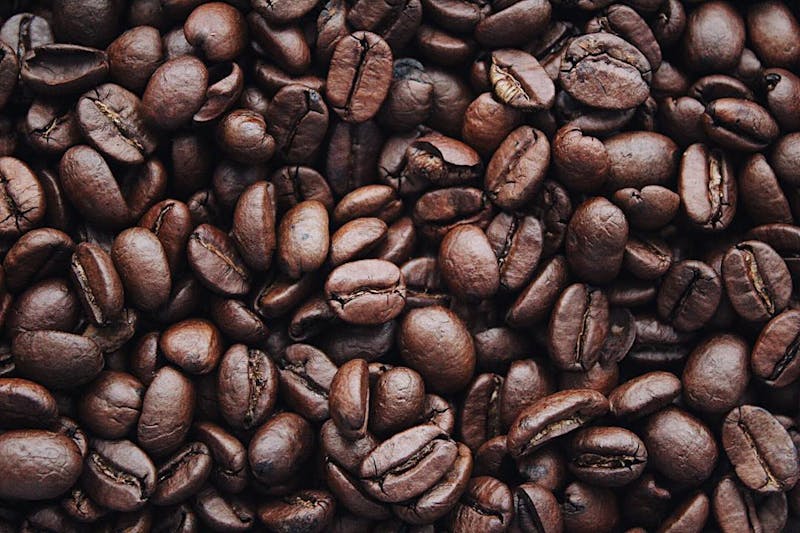
Top Vietnamese Coffee Brands to Buy
Premium Brands (200,000-500,000 VND per 500g / $8-20 USD)
Trung Nguyen
Trung Nguyen is Vietnam's most famous coffee brand and the largest domestic coffee company. Founded in 1996 by Dang Le Nguyen Vu, the brand has become synonymous with Vietnamese coffee both locally and internationally.
Best Products:
- Creative 1: The most popular blend, featuring smooth robusta with chocolate notes
- Creative 2: Medium roast blend with balanced flavor, ideal for everyday drinking
- Creative 3: Strong, bold blend for those who love intense coffee
- Legendee: Premium weasel coffee (made from beans that have passed through civet digestive systems)
- G7 Instant Coffee: Convenient 3-in-1 instant coffee packets, perfect for gifts
Where to Buy: Available at all major supermarkets, Trung Nguyen cafes, and specialty shops throughout Vietnam. The flagship store in Ho Chi Minh City offers the full range and tastings.
Price Range: 150,000-400,000 VND ($6-16 USD) for 500g depending on blend
Why Choose It: Reliable quality, widely available, beautiful gift packaging options, and international recognition. Great for first-time buyers or those who want a safe choice.
Highlands Coffee
Highlands Coffee started as a cafe chain but has evolved into one of Vietnam's most respected coffee brands. Their focus on premium arabica and robusta blends has made them a favorite among Vietnamese coffee enthusiasts.
Best Products:
- Highlands Whole Bean: Premium arabica-robusta blend with smooth finish
- Traditional Blend: Classic Vietnamese style, perfect with condensed milk
- Arabica Dalat: Pure arabica from Da Lat highlands with bright, fruity notes
- Signature Blend: House blend available in cafes, now packaged for retail
Where to Buy: Highlands Coffee cafes (over 400 locations nationwide), major supermarkets, and their official online store.
Price Range: 180,000-350,000 VND ($7-14 USD) for 500g
Why Choose It: Modern packaging, consistent quality, and strong brand reputation in Vietnam. Excellent if you enjoyed Highlands cafes during your trip.
L'amant Coffee
A boutique roaster based in Saigon, L'amant focuses on specialty-grade Vietnamese beans with modern roasting techniques. This is the choice for coffee aficionados looking for something beyond traditional Vietnamese coffee.
Best Products:
- Single Origin Arabica: Traceable beans from specific Central Highlands farms
- Honey Process Robusta: Unique processing that brings out robusta's natural sweetness
- Espresso Blend: Designed for espresso machines, not traditional phin filters
Where to Buy: L'amant cafes in Ho Chi Minh City, select specialty stores, and online.
Price Range: 250,000-500,000 VND ($10-20 USD) for 250g
Why Choose It: Third-wave coffee quality, unique flavor profiles, and premium packaging. Best for coffee geeks and specialty coffee lovers.
Mid-Range Brands (100,000-200,000 VND per 500g / $4-8 USD)
Vinacafe
Vinacafe is Vietnam's oldest coffee brand, established in 1969. While it's evolved significantly since then, it maintains a reputation for affordable, reliable coffee.
Best Products:
- Vinacafe Original: Classic blend that locals have enjoyed for decades
- Vinacafe Instant Coffee: Widely available 3-in-1 packets
- Premium Robusta: Single-origin robusta from Buon Ma Thuot
Where to Buy: Every supermarket, convenience store, and many traditional markets.
Price Range: 80,000-150,000 VND ($3-6 USD) for 500g
Why Choose It: Extremely affordable, nostalgic for older Vietnamese, and consistent quality. Great for budget-conscious shoppers.
Me Trang Coffee
Me Trang has been roasting coffee in Da Lat since 1950, making it one of the region's most historic brands. Their high-altitude location gives them access to some of Vietnam's best coffee-growing regions.
Best Products:
- Arabica Cau Dat: Pure arabica from Cau Dat plateau, smooth and bright
- Robusta Highland: Premium robusta with natural chocolate notes
- Mixed Blend: 70% robusta, 30% arabica, balanced and smooth
Where to Buy: Primarily in Da Lat (their headquarters), but increasingly available in Ho Chi Minh City and Hanoi supermarkets.
Price Range: 120,000-200,000 VND ($5-8 USD) for 500g
Why Choose It: Authentic Da Lat heritage, excellent quality-to-price ratio, and local favorite. Perfect if you're visiting Da Lat.
Phuc Long
Starting as a tea company in 1968, Phuc Long expanded into coffee and now operates a successful cafe chain alongside retail products.
Best Products:
- Traditional Vietnamese Blend: Perfect for phin brewing
- Saigon Special: Signature house blend
- Instant Coffee Range: Multiple flavor options including coconut and mocha
Where to Buy: Phuc Long cafes, supermarkets in major cities, and their online store.
Price Range: 100,000-180,000 VND ($4-7 USD) for 500g
Why Choose It: Trusted brand with tea and coffee options, nice packaging for gifts, and good middle-ground quality.
Budget Brands (50,000-100,000 VND per 500g / $2-4 USD)
Bien Hoa Coffee
A workhorse brand that supplies much of Vietnam's domestic coffee market, Bien Hoa offers basic quality at rock-bottom prices.
Where to Buy: Traditional markets, small grocers, and budget supermarkets.
Price Range: 50,000-90,000 VND ($2-3.50 USD) for 500g
Why Choose It: Maximum value, authentic local choice, and perfect if you want to bring back large quantities without breaking the bank.
Local Market Coffee
Don't overlook the fresh-roasted coffee available at local markets, especially in coffee-growing regions like Da Lat and Buon Ma Thuot. Small roasters often sell directly at markets with rock-bottom prices.
Where to Buy: Ben Thanh Market (HCMC), Dong Ba Market (Hue), Da Lat Market, and local markets throughout the country.
Price Range: 40,000-80,000 VND ($1.50-3 USD) for 500g
Why Choose It: Ultra-fresh roasts, support local businesses, and unbeatable prices. Be prepared to communicate in Vietnamese or use translation apps.
Where to Shop for Vietnamese Coffee
Supermarkets and Chain Stores
Best Options:
- Vinmart / Vinmart+: Extensive coffee selection, air-conditioned, English-speaking staff in tourist areas
- Co.op Mart: Good variety, competitive prices, locations in most cities
- Big C: Large format stores with bulk buying options
- AEON Mall: Modern shopping environment, premium brands available
- Lotte Mart: Japanese-owned chain with quality control standards
Advantages: Fixed prices (no haggling), air conditioning, can see and compare multiple brands, quality assurance, accept credit cards, and can issue receipts for customs if needed.
Tips: Look for promotions, especially near holidays. Buy-one-get-one deals are common. Supermarkets near tourist areas may have slightly higher prices but offer convenience.
Specialty Coffee Shops
Hanoi:
- Hanoi Coffee Station: Curated selection of Vietnamese specialty coffee
- Marou Faiseurs de Chocolat: Premium chocolate and coffee gifts
- The Coffee House: Chain with retail products available
Ho Chi Minh City:
- The Workshop: Specialty roasters with premium Vietnamese beans
- Saigon Coffee Roastery: Small-batch roasting, single origins
- L'Usine: Design store with artisan coffee selection
- Rapha Cafe: Cycling-themed cafe with excellent retail coffee
Da Lat:
- Me Trang Coffee Shop: Iconic brand's flagship store
- K'Ho Coffee: Indigenous-grown coffee from K'Ho people
- La Viet Coffee: Artisan roaster on the main street
- Trung Nguyen Coffee Farm: Visit the source with tastings
Advantages: Expert staff can provide recommendations, tasting opportunities, unique small-batch options, beautiful packaging perfect for gifts, and support for local artisans and specialty roasters.
Tips: Ask for recommendations based on your brewing method. Many specialty shops offer vacuum-sealing for travel. Don't be shy about requesting samples before buying.
Traditional Markets
Top Markets for Coffee:
- Ben Thanh Market (HCMC): Tourist-friendly with many coffee vendors
- Dong Xuan Market (Hanoi): Wholesale prices on bulk purchases
- Da Lat Market: Heart of coffee country with fresh roasts
- Buon Ma Thuot Market: The coffee capital's main market
- Cho Lon (HCMC): Chinese district with wholesale pricing
Advantages: Best prices, ultra-fresh roasts, authentic local experience, opportunity to support small vendors, and negotiable prices.
Tips: Bring cash (markets rarely accept cards), arrive early for best selection, be prepared to negotiate (start at 70% of asking price), smell the coffee before buying (it should smell fresh and aromatic, not stale), and ask for vacuum sealing if available.
Airport Duty-Free
Available Airports:
- Tan Son Nhat International Airport (HCMC)
- Noi Bai International Airport (Hanoi)
- Da Nang International Airport
Advantages: Last-minute shopping, tax-free prices, premium brands available, convenient packaging for travel, and no worries about transport in luggage.
Disadvantages: Limited selection compared to city stores, higher prices than local markets, tourist-oriented pricing, and less opportunity for discovering unique brands.
Tips: Good for filling gaps in your souvenir list but not ideal for main shopping. Compare prices with city stores before assuming duty-free is cheaper.
Shopping Tips and Practical Advice
How Much Coffee to Buy
Personal Use: 500g-1kg per person should last 2-3 months with daily brewing
Gifts: Plan for 250g bags per person - a good size for gifts that doesn't overwhelm recipients
Group Gifts: Instant coffee boxes (G7 3-in-1 packets come in 16-24 pack boxes) are perfect for office gifts
Budget Planning: Allocate $20-50 USD for quality coffee souvenirs for a typical trip
Packaging and Transport
Packing for Flight:
- Coffee is not considered a liquid, so you can pack it in carry-on or checked luggage
- Vacuum-sealed bags are best - they compress well and protect freshness
- Put coffee in the center of your luggage surrounded by clothes for cushioning
- Consider packing coffee in gallon-size ziplock bags as a backup in case of package damage
- Ground coffee has no restrictions; whole beans are equally fine
Checked vs. Carry-On:
- Checked luggage is ideal for larger quantities and heavier bags
- Carry-on works well for smaller amounts, especially vacuum-sealed instant coffee packets
- No security issues with coffee in either location
Customs Considerations:
- Most countries allow reasonable amounts of coffee for personal use without declaration
- US Customs allows up to $800 in goods duty-free per person
- EU allows up to €430 (≈$500) duty-free
- If in doubt, declare it - coffee is not a restricted item and penalties are rare for reasonable quantities
- Keep receipts for expensive purchases in case customs asks about value
Testing Before You Buy Bulk
Smart Shopping Strategy:
- Buy single 250g or 500g bags of 2-3 different brands early in your trip
- Brew and taste them at your hotel or Airbnb (most accommodations have coffee-making facilities)
- Return to buy larger quantities of your favorite once you've tested
- This prevents buyer's remorse and ensures you're bringing home coffee you actually love
Tasting Tips:
- Try coffee both black and with condensed milk (the traditional Vietnamese way)
- Notice the body (thickness), acidity (brightness), and aftertaste
- Quality Vietnamese coffee should taste smooth, not harsh or overly bitter
- If using a phin filter, proper technique is crucial - ask locals or cafe staff to demonstrate
Avoiding Common Mistakes
Don't Buy Too Early: Coffee bought on your first day adds weight to your luggage for the entire trip. Shop in the last few days.
Avoid Pre-Ground Unless Necessary: Whole beans stay fresh much longer. Only buy ground coffee if you don't have a grinder at home.
Be Wary of "Weasel Coffee" Deals: Real weasel coffee (ca phe chon) costs $500-1000/kg. Anything cheaper is almost certainly fake or contains minimal weasel coffee. Unless you're at a reputable specialty shop, skip it.
Check Roast Dates: Coffee more than 6 months old is past its prime. Fresh is best.
Don't Assume Dark = Strong: Dark roasts can actually have less caffeine than lighter roasts. Vietnamese robusta is already high in caffeine regardless of roast level.
Get Proper Brewing Equipment: Buy a phin filter in Vietnam (cost: 20,000-50,000 VND / $1-2 USD) to brew your coffee properly at home. Coffee brewed in a French press or drip machine won't taste the same.

Coffee Accessories and Complementary Purchases
Traditional Phin Filters
Every Vietnamese coffee buyer should invest in authentic phin filters to brew their coffee properly at home.
Types:
- Aluminum: Cheapest option (15,000-25,000 VND / $0.60-1 USD), lightweight, conducts heat quickly
- Stainless Steel: Mid-range (30,000-60,000 VND / $1.20-2.50 USD), durable and dishwasher-safe
- Copper/Brass: Premium (80,000-200,000 VND / $3-8 USD), beautiful aesthetics, excellent heat retention
Sizes:
- Individual (50-75ml): Most common, perfect for single servings
- Large (100-150ml): For bigger cups or sharing
- Extra-small (30-40ml): For espresso-style shots
Where to Buy: Kitchen supply stores, coffee shops, markets (Ben Thanh Market has dozens of stalls), and supermarkets. Buy multiple - they make great small gifts at under $2 each.
Vietnamese Condensed Milk
Ca phe sua (Vietnamese milk coffee) requires sweetened condensed milk, not regular milk or cream. Bring some home to complete the authentic experience.
Brands to Look For:
- Ong Tho (Longevity Brand): The iconic Vietnamese brand with blue-yellow-red label
- Vinamilk: Domestic dairy giant with quality condensed milk
- Cocon Brand: Popular alternative
Price: 15,000-25,000 VND ($0.60-1 USD) per 380g can
Packing: Cans are heavy, so consider buying 1-2 cans to get started, then purchasing similar products at Asian grocery stores at home.
Coffee-Flavored Treats
Instant Coffee Candy: Trung Nguyen and other brands make coffee-flavored hard candies - delicious and lightweight souvenirs.
Coffee Cookies: Vietnamese butter cookies with coffee flavor, available at bakeries and supermarkets.
Coffee Chocolate: Marou and Pheva make excellent coffee-infused Vietnamese chocolate bars.
Regional Coffee Shopping Guides
Ho Chi Minh City (Saigon)
Best Shopping Districts:
- District 1: Tourist-friendly with many coffee shops and gift stores
- District 3: Local shopping with better prices than District 1
- Cho Lon (District 5): Wholesale district for bulk buying
Must-Visit Locations:
- The Workshop (27 Ngo Duc Ke, District 1): Premium specialty coffee
- Ben Thanh Market: One-stop shopping, tourist-friendly
- Saigon Square: Underground market with coffee vendors
- Nguyen Hue Walking Street: Multiple Trung Nguyen and Highlands shops
Local Secret: Head to the wholesale coffee district near Tan Binh Market for prices 30-50% cheaper than tourist areas.
Hanoi
Best Shopping Districts:
- Old Quarter: Tourist coffee shops and boutiques
- Tay Ho: Expat area with specialty coffee roasters
- Dong Da: Local supermarkets with authentic pricing
Must-Visit Locations:
- Dong Xuan Market: Wholesale pricing, massive selection
- Hanoi Coffee Station (multiple locations): Curated Vietnamese specialty coffee
- Vinmart on Ba Trieu Street: Large selection, modern shopping environment
Local Secret: Small roasters along Tran Quoc Toan Street offer fresh-roasted beans at excellent prices.
Da Lat
Da Lat is Vietnam's coffee heartland, located in the Central Highlands where much of the country's premium arabica is grown.
Must-Visit Locations:
- Me Trang Coffee (1 Bui Thi Xuan): Historic brand's flagship store
- Da Lat Market: Fresh roasts from local farmers
- K'Ho Coffee: Indigenous coffee cooperative
- Cau Dat Tea & Coffee Farm: Visit plantations and buy direct
Why Shop in Da Lat: Closest to the source, freshest roasts, best prices, and authentic highland coffee varieties unavailable elsewhere. If your Vietnam itinerary includes Da Lat, make coffee shopping a priority here.
Price Comparison Guide
To help you understand the value and set expectations, here's a comprehensive price comparison:
Ground Coffee (500g bag)
| Brand/Type | Supermarket | Specialty Shop | Market | Airport |
|---|---|---|---|---|
| Trung Nguyen Creative | $6-8 | $8-10 | $5-7 | $10-12 |
| Highlands Premium | $7-9 | $9-11 | N/A | $11-13 |
| L'amant Specialty | N/A | $10-20 | N/A | N/A |
| Vinacafe Standard | $3-4 | N/A | $2-3 | $5-6 |
| Me Trang Blend | $5-7 | $6-8 | $4-6 | N/A |
| Market Fresh Roast | N/A | N/A | $2-4 | N/A |
Whole Bean Coffee (500g)
| Brand/Type | Supermarket | Specialty Shop | Market |
|---|---|---|---|
| Single Origin Arabica | N/A | $12-20 | $8-12 |
| Premium Robusta | $8-10 | $10-14 | $6-8 |
| Standard Blend | $5-7 | $7-9 | $4-6 |
Instant Coffee
| Product | Supermarket | Market | Airport |
|---|---|---|---|
| G7 3-in-1 (16 packets) | $2-3 | $1.50-2 | $4-5 |
| Vinacafe 3-in-1 (20 packets) | $2-3 | $1.50-2.50 | $3-4 |
| Premium Instant Box | $4-6 | N/A | $7-8 |
Value Analysis: Shopping at traditional markets offers 30-50% savings compared to tourist areas and airports. Specialty shops charge premium prices but offer superior quality and unique products. Supermarkets provide the best balance of convenience, quality assurance, and reasonable pricing.
Cultural Insights: Coffee in Vietnamese Life
Understanding Vietnamese coffee culture enriches your shopping experience and helps you appreciate what you're bringing home.
The Ca Phe Sua Da Tradition
Vietnamese coffee culture centers around ca phe sua da - iced milk coffee. This isn't just a drink; it's a social ritual. Vietnamese people spend hours at cafes, slowly sipping their coffee while chatting with friends, reading newspapers, or simply watching the world go by.
The slow drip of the phin filter forces you to pause and wait, creating a meditative quality that contrasts beautifully with the busy streets outside. When you bring home Vietnamese coffee, you're bringing home this philosophy - that good things take time, and coffee is meant to be savored, not rushed.
Morning Coffee Routine
In Vietnam, morning coffee is sacrosanct. Street-side cafes fill with locals perched on tiny plastic stools, nursing their morning coffee before work. The ritual: strong black coffee in a glass, slowly sipped while reading the news or chatting with regulars.
Evening coffee is equally important. Unlike Western coffee culture where coffee is avoided after noon, Vietnamese people enjoy coffee throughout the day and evening. The robusta beans, despite high caffeine content, seem not to disturb sleep - or perhaps Vietnamese people have simply built up remarkable tolerance.
Cafe Culture
Vietnamese cafes range from humble street-side stalls to elaborate themed cafes. Each neighborhood has its local cafe where regulars gather. The cafe is a second home, an office, a meeting place, and a refuge.
When you buy Vietnamese coffee, consider also buying the complete experience: the phin filter, the condensed milk, even the tiny cups and saucers. Recreating the full Vietnamese coffee ritual at home makes your souvenir much more meaningful.
Frequently Asked Questions
Q: Is Vietnamese coffee stronger than regular coffee? A: Yes, Vietnamese robusta coffee contains about twice the caffeine of arabica beans. However, "strong" also refers to flavor intensity, which is quite bold in Vietnamese preparations.
Q: How long will my Vietnamese coffee stay fresh? A: Vacuum-sealed bags stay fresh for 6-12 months. Once opened, use within 3-4 weeks for best flavor. Store in an airtight container in a cool, dark place.
Q: Can I brew Vietnamese coffee in a regular coffee maker? A: You can, but it won't taste the same. The phin filter creates a unique slow-drip concentration that's difficult to replicate. Buy a $1-2 phin filter for authentic results.
Q: What's the difference between robusta and arabica? A: Robusta (95% of Vietnamese coffee) has twice the caffeine, stronger/bolder flavor, and more bitterness. Arabica (5% of Vietnamese coffee, mostly from Da Lat) is smoother, more acidic, with complex flavor notes. Both are quality - just different.
Q: Is weasel coffee (ca phe chon) worth buying? A: Real weasel coffee is extremely expensive ($500-1000/kg) and has a unique smooth, earthy flavor. Unless you're buying from a premium specialty shop with certification, it's likely fake or mostly regular coffee with minimal weasel coffee. For most people, premium regular coffee offers better value.
Q: How do I know if coffee is fresh? A: Check the roast date on packaging. Smell the coffee - it should smell aromatic and rich, not flat or stale. Quality coffee has a one-way valve on the bag. Buy from shops with high turnover.
Q: What's the best brand for gifts? A: Trung Nguyen G7 instant coffee packets are perfect gifts - convenient, recognizable brand, nice packaging, and authentic Vietnamese taste. For serious coffee lovers, Highlands or L'amant offer premium quality.
Q: Should I buy ground or whole bean? A: Whole beans stay fresh longer (up to 12 months sealed vs. 6 months for ground). However, if you don't have a grinder at home, ground coffee is fine - just use it within 3-4 weeks of opening.
Conclusion: Bringing Home Vietnam's Coffee Culture
Vietnamese coffee is more than a beverage - it's a window into the country's history, daily rhythms, and social fabric. When you carefully select coffee to bring home, you're extending your Vietnam experience beyond your trip dates. Each morning cup becomes a small moment of travel, transporting you back to the bustling streets of Hanoi, the misty highlands of Da Lat, or the vibrant energy of Saigon.
This guide has equipped you with the knowledge to shop confidently for Vietnamese coffee, whether you're seeking budget-friendly market finds or premium specialty beans. Remember that the "best" coffee is the one you enjoy most - trust your taste buds, ask questions, sample different brands, and don't be afraid to venture beyond the famous names to discover hidden gems from local roasters.
Bring home not just the coffee but the complete experience: phin filters, condensed milk, and perhaps some coffee treats. Share your Vietnamese coffee with friends and family, and share the stories of where you bought it, how it's traditionally brewed, and why Vietnamese coffee culture is so special. In doing so, you become an ambassador for Vietnam, introducing others to this remarkable country through its most beloved drink.
Happy coffee hunting, and may your luggage come home fragrant with the rich aroma of Vietnamese coffee!
Quick Shopping Checklist
Before you leave Vietnam, use this checklist to ensure you've got everything:
- Main coffee supply (1-2 kg of your favorite blend)
- Instant coffee packets for gifts (2-3 boxes of G7 or similar)
- At least 2-3 phin filters (aluminum or stainless steel)
- 2-4 cans of Vietnamese sweetened condensed milk
- Coffee candies or coffee chocolate (lightweight souvenirs)
- Receipts for customs (especially for premium purchases over $100)
- Vacuum-sealed packaging confirmed (ask shops to seal if needed)
- Extra ziplock bags for additional protection during flight
- Photos of your favorite cafes to remember where you discovered special beans
Your Vietnamese coffee souvenirs will provide months of delicious memories from your trip. Every aromatic cup brewed at home will transport you back to Vietnam's charming cafes and remind you of the country's warm hospitality and rich coffee tradition.