

Preserve Your Vietnam Memories
Turn your travel photos into beautiful custom magnets
A unique service available throughout Vietnam - simply send your favorite travel shots and receive beautiful, high-quality magnets at budget-friendly prices. Perfect for sharing with friends or decorating your space with travel memories.
Contact us on:
Vietnamese tea culture spans thousands of years, creating a rich tradition that transforms simple leaves into an art form. Whether you're a tea connoisseur or simply seeking the perfect souvenir, Vietnamese tea offers an authentic taste of the country's heritage that you can bring home. From the delicate lotus-scented varieties of Hanoi to the robust highland teas of Da Lat, Vietnam's tea landscape is as diverse as its geography.
Tea isn't just a beverage in Vietnam; it's a social ritual, a symbol of hospitality, and a daily meditation. When you purchase authentic Vietnamese tea, you're not just buying dried leaves, you're taking home centuries of cultivation wisdom, artisan craftsmanship, and the essence of Vietnamese culture itself. This comprehensive guide will help you navigate the wonderful world of Vietnamese tea souvenirs with confidence and expertise.
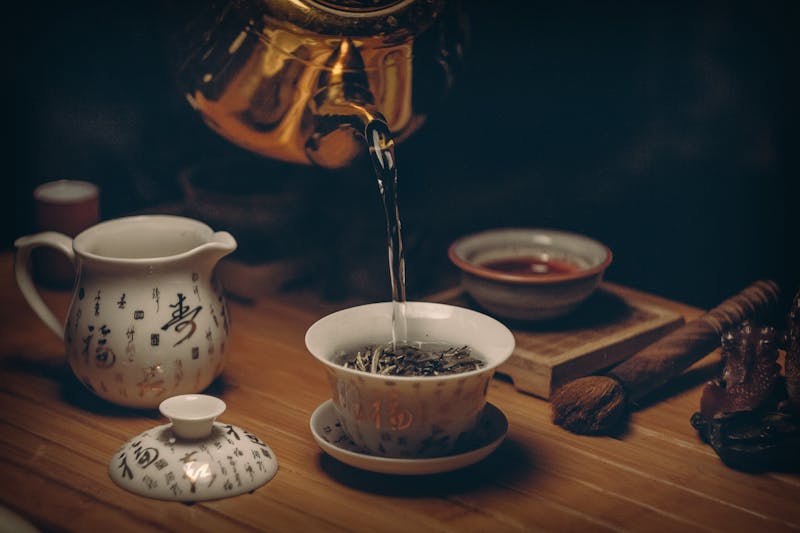
Why Choose Vietnamese Tea as Your Souvenir
- Authentic Cultural Experience: Tea is deeply woven into Vietnamese daily life and ceremonies, making it one of the most culturally significant souvenirs you can bring home
- Exceptional Quality: Vietnam's ideal climate and traditional cultivation methods produce teas that rival the world's finest
- Lightweight & Packable: Unlike ceramics or textiles, tea is easy to pack and won't add significant weight to your luggage
- Affordable Luxury: Premium Vietnamese teas cost a fraction of comparable quality teas from other countries
- Unique Varieties: Find rare teas like lotus-scented and artichoke tea that are difficult or impossible to source outside Vietnam
- Perfect Gifts: Tea makes an elegant, thoughtful gift that appeals to a wide range of recipients
- Long Shelf Life: Properly stored tea retains its quality for months or years, unlike perishable food souvenirs
Types of Vietnamese Tea
Lotus Tea (Tra Sen)
Lotus tea represents the pinnacle of Vietnamese tea artistry. This specialty tea involves a meticulous process where tea leaves are placed inside lotus flowers overnight to absorb their delicate fragrance. The lotus flower holds deep symbolic meaning in Vietnamese and Buddhist culture, representing purity, enlightenment, and rebirth.
Traditional lotus tea production requires patience and skill. Artisans carefully open lotus buds in the evening, insert premium green tea leaves, and allow the flower to close naturally overnight. This process repeats for several nights, with each infusion adding layers of subtle floral notes. The result is an ethereal tea with a light, naturally sweet flavor that captures the essence of Vietnamese tea culture.
Where to Buy: Hanoi's West Lake area (Tay Ho) is famous for lotus tea, as the lake produces thousands of lotus flowers. Look for specialty shops in the Old Quarter and reputable tea houses near Tran Quoc Pagoda.
Price Range: 300,000-800,000 VND ($12-32 USD) per 100 grams for authentic hand-scented lotus tea. Be wary of artificially flavored versions sold at much lower prices.
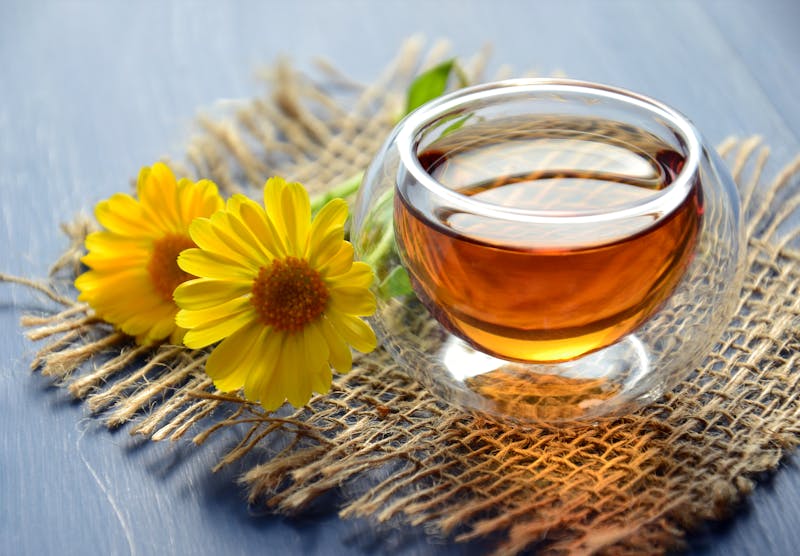
Green Tea (Tra Xanh)
Vietnamese green tea forms the foundation of the country's tea culture. Unlike the steamed green teas of Japan, Vietnamese green tea is typically pan-fired, resulting in a slightly toasted, nutty flavor with less grassiness. The tea growing regions of Thai Nguyen, Phu Tho, and Ha Giang produce some of Vietnam's finest green teas.
Thai Nguyen green tea, grown in the mountainous northern province, is particularly renowned for its delicate sweetness and minimal bitterness. The region's unique microclimate, with cool nights and misty mornings, creates ideal conditions for tea cultivation. High-quality Thai Nguyen green tea features tightly rolled leaves that unfurl in hot water, releasing a clear, golden-green liquor with a fresh, slightly sweet taste.
Best Varieties:
- Thai Nguyen green tea (Tra Thai Nguyen)
- Snow Shan green tea from Lao Cai
- Moc Chau green tea from Son La province
Price Range: 150,000-400,000 VND ($6-16 USD) per 100 grams for premium grades.
Oolong Tea (Tra O Long)
Oolong tea cultivation in Vietnam has grown significantly over the past few decades, particularly in the Central Highlands around Da Lat and Lam Dong province. Vietnamese oolong strikes a balance between the freshness of green tea and the richness of black tea, with oxidation levels typically ranging from 30-50%.
Da Lat oolong benefits from the region's cool climate and volcanic soil, producing teas with complex flavor profiles featuring floral, fruity, and slightly roasted notes. The tea's smooth, full-bodied character makes it accessible to newcomers while offering enough complexity to satisfy experienced tea drinkers. Many Vietnamese oolong teas can be re-steeped multiple times, with the flavor developing and changing with each infusion.
Price Range: 200,000-500,000 VND ($8-20 USD) per 100 grams.
Jasmine Tea (Tra Lai or Tra Hoa Nhai)
Jasmine tea holds a special place in Vietnamese hearts, particularly in the central regions around Hue. The scenting process involves layering fresh jasmine blossoms with green or white tea leaves, allowing the tea to absorb the flowers' intoxicating fragrance. Quality jasmine tea requires multiple scenting sessions, with the spent flowers removed and replaced with fresh blossoms each time.
The best Vietnamese jasmine tea balances the tea's natural flavor with the jasmine's floral sweetness, creating a harmonious blend that's neither too strong nor too subtle. The aroma should be naturally fragrant without the chemical sharpness of artificially flavored teas.
Price Range: 180,000-450,000 VND ($7-18 USD) per 100 grams.
Artichoke Tea (Tra Atiso)
While not a traditional tea plant, artichoke tea (made from the Da Lat artichoke) has become increasingly popular as a healthful herbal infusion. Da Lat's cool climate produces particularly sweet, tender artichokes that make excellent tea. The dried artichoke is brewed to create a slightly sweet, earthy drink that's naturally caffeine-free.
Artichoke tea is valued in Vietnamese traditional medicine for its detoxifying properties and liver support benefits. The taste is mild and slightly sweet, making it an accessible choice for those who find traditional teas too astringent or bitter.
Price Range: 100,000-250,000 VND ($4-10 USD) per 100 grams of dried artichoke.
Black Tea (Tra Den)
Vietnamese black tea production occurs primarily in the northern mountainous regions. While less common than green tea domestically, Vietnam produces excellent black teas for export. These fully oxidized teas offer robust, malty flavors with notes of dark honey and dried fruit.
Price Range: 120,000-350,000 VND ($5-14 USD) per 100 grams.
How to Identify Quality Vietnamese Tea
Visual Inspection
Quality tea begins with appearance. Examine the dried leaves carefully before purchasing. High-grade teas feature uniform, intact leaves rather than broken fragments or excessive stems. Green teas should display vibrant, natural color—deep green with hints of silver or jade, never dull or brownish. Oolong leaves typically have a slightly twisted appearance with a mix of green and brown tones.
Avoid teas with too many stems, as quality tea focuses on the tender leaves and buds. The presence of abundant tea dust or small broken pieces often indicates lower quality or old tea. Fresh, well-processed tea leaves should look vital and retain their natural shape.
Aroma Assessment
Fresh tea possesses a clean, inviting aroma. When you open a package of quality green tea, you should smell fresh, grassy notes with a hint of sweetness. Oolong should offer more complex aromas—floral, fruity, or slightly roasted depending on the oxidation level and processing method.
Musty, stale, or overly fermented smells indicate old or poorly stored tea. Artificially scented teas often have an aggressive, perfume-like aroma that overwhelms the natural tea fragrance. Authentic lotus or jasmine tea should smell naturally floral, not chemical.
Taste Testing
Reputable tea shops will allow, and often encourage, taste testing before purchase. Quality Vietnamese green tea should taste fresh and slightly sweet with minimal bitterness. Any astringency should be clean and pleasant, not harsh or mouth-drying. The tea should leave a sweet aftertaste (hui cam) that lingers pleasantly.
Oolong should offer a smooth, full-bodied experience with layered flavors that develop across multiple infusions. Quality tea maintains its character through three to five steepings, while lower grades lose flavor quickly after the first cup.
Leaf Appearance After Brewing
After steeping, quality tea leaves should unfurl to show their original shape. Examine the spent leaves for signs of quality: they should be relatively whole, showing the natural leaf structure. Broken, fragmented leaves after brewing suggest the tea was already broken before packaging, indicating lower quality or older tea.
Packaging and Labeling
Professional packaging indicates a serious producer. Look for clear information about:
- Origin (specific region and elevation)
- Harvest date or production date
- Grade or quality level
- Weight and tea variety
- Storage instructions
Vacuum-sealed packages help preserve freshness, though traditional paper packaging is also acceptable for recently produced tea. Be skeptical of teas with vague origins or no production information.
Best Tea Shops and Brands in Vietnam
Hanoi
Tan Cuong Tea (Tra Thai Nguyen Tan Cuong) Located in the Thai Nguyen province with shops in Hanoi, Tan Cuong represents one of Vietnam's most respected tea cooperatives. They specialize in authentic Thai Nguyen green tea, maintaining strict quality control from cultivation through processing. The shop offers a full range from everyday drinking tea to premium grades, with knowledgeable staff who can explain differences between varieties and grades.
Address: Multiple locations in Hanoi, including 34 Hang Buom Street, Hoan Kiem District Price Range: Mid to premium range Specialty: Thai Nguyen green tea, lotus tea
Tra Co Shop (Cha Co) Operating since 1950, Tra Co is one of Hanoi's oldest tea houses. Their traditional shopfront on Hang Buom Street maintains the atmosphere of old Hanoi while offering an extensive selection of Vietnamese teas. The staff's expertise spans generations, and they're particularly known for their lotus tea and jasmine tea varieties.
Address: 27 Hang Buom Street, Hoan Kiem District, Hanoi Specialty: Lotus tea, traditional Vietnamese green tea
Nha Que Tea House This charming tea house offers a curated selection of premium teas with an emphasis on organic and traditionally processed varieties. They provide detailed information about each tea's origin, processing method, and brewing recommendations. The peaceful atmosphere invites browsing and tasting.
Address: 44 Ma May Street, Hoan Kiem District, Hanoi Specialty: Organic teas, rare varieties
Ho Chi Minh City
An Nam Gourmet While primarily a gourmet food store, An Nam stocks an excellent selection of high-quality Vietnamese teas with beautiful packaging that's perfect for gifting. Their teas come from verified producers, ensuring authenticity and quality. The stores are conveniently located in expat-friendly areas with English-speaking staff.
Address: Multiple locations including 16-18 Hai Ba Trung, District 1 Price Range: Premium Specialty: Gift-packaged teas, variety selection
Saigon Kitsch This trendy lifestyle store features carefully selected Vietnamese products, including artisan teas in attractive modern packaging. While more expensive than traditional tea shops, the products make excellent gifts with their contemporary design sensibility.
Address: 43 Ton That Thiep, District 1, Ho Chi Minh City Specialty: Designer packaging, gift sets
Ben Thanh Market Tea Vendors For more budget-friendly options, the tea vendors inside Ben Thanh Market offer reasonable prices, though quality varies. Focus on established shops rather than temporary stalls, and always taste before buying. Bargaining is expected here.
Da Lat
Cau Dat Tea Farm Located in the actual tea-growing region above Da Lat, Cau Dat offers farm-fresh tea with the advantage of visiting the source. Tour the plantation, learn about tea processing, and purchase directly from the producers. The experience adds value beyond just buying tea.
Address: Cau Dat Farm, Xuan Truong Commune, Da Lat (about 20km from city center) Specialty: Fresh highland tea, oolong, artichoke tea
Online and Delivery Options
Hatvala Tea A modern Vietnamese tea company with excellent English-language website and international shipping. They focus on direct relationships with farmers and transparent sourcing. Their online shop features detailed descriptions, brewing instructions, and origin stories for each tea.
Website: hatvala.com Specialty: Online orders, international shipping, tea education
Where to Buy Authentic Vietnamese Tea
Specialized Tea Shops
Specialized tea shops offer the best combination of quality, variety, and expertise. These establishments focus exclusively on tea, ensuring careful storage conditions and knowledgeable staff. The best tea shops maintain proper humidity levels, keep teas away from light and strong odors, and rotate stock regularly to ensure freshness.
When visiting a tea shop, don't hesitate to ask questions about origin, processing, and brewing methods. Reputable vendors welcome inquiries and often enthusiastically share their knowledge. Be wary of shops that can't or won't provide information about their tea sources.
Local Markets
Local markets offer both opportunities and challenges. On one hand, you can find excellent teas at lower prices than tourist-oriented shops. On the other hand, quality varies significantly, and distinguishing between grades requires experience. Markets work best when you know what you're looking for or can taste test before buying.
Tips for Market Shopping:
- Arrive early when vendors are fresh and less rushed
- Bring a Vietnamese-speaking friend if your language skills are limited
- Start by asking to try the tea
- Compare prices at multiple stalls
- Look for vendors with substantial stock and proper storage
- Avoid stalls with tea exposed to direct sunlight or strong odors
Tea Plantations and Farms
Visiting tea plantations offers the most direct connection to your tea's origin. Many farms in Thai Nguyen, Phu Tho, and Da Lat welcome visitors and offer tea for purchase. The prices are often lower than retail shops, and you gain the experience of seeing tea cultivation firsthand.
Call ahead to confirm visiting hours and whether they sell directly to visitors. Some farms require appointments, while others welcome drop-in visitors during harvest season (typically March-April and September-October).
Airport Shops
Major Vietnamese airports stock tea in their duty-free and gift shops. While convenient for last-minute purchases, prices are typically higher than city shops, and selection is limited to commercial brands. However, the packaging is usually gift-ready, and you'll find established brands that guarantee basic quality standards.
Best for: Emergency gifts, pre-packaged sets, when you've run out of time
What to Avoid
Tourist Trap Indicators:
- Shops exclusively in tourist areas with no local customers
- Aggressive sales tactics or pushy vendors
- Refusal to allow taste testing
- Vague or inconsistent information about tea origin
- Prices significantly higher than market average
- Artificial scenting or coloring
- Claims of wild or ancient tea at suspiciously low prices
Price Ranges and Packaging Options
Understanding Tea Pricing
Vietnamese tea pricing varies widely based on several factors: origin, harvest time, processing method, and grade. Understanding these factors helps you assess value and avoid overpaying.
Budget Range (50,000-150,000 VND / $2-6 per 100g): Everyday drinking tea, often machine-processed, from less prestigious growing regions. Perfectly acceptable for daily consumption but lacking the complexity of premium grades. Best for: regular tea drinkers who go through large quantities.
Mid-Range (150,000-400,000 VND / $6-16 per 100g): Quality tea from reputable growing regions like Thai Nguyen or Da Lat. Hand-processed or small-batch machine processing with good flavor and multiple infusions. Best for: gifts, special occasions, tea enthusiasts who appreciate quality.
Premium Range (400,000-1,000,000 VND / $16-40 per 100g): Exceptional teas from famous gardens, first-flush harvests, or specialty varieties like authentic lotus tea. Labor-intensive processing, complex flavors, and excellent re-steeping properties. Best for: serious tea collectors, special gifts, experiencing the finest Vietnamese tea culture offers.
Ultra-Premium (1,000,000+ VND / $40+ per 100g): Rare varieties, ancient tree teas, or extremely limited production lots. Often involves traditional processing methods and exceptional terroir. Best for: serious collectors, once-in-a-lifetime experiences.
Packaging Options
Vacuum-Sealed Bags: The most practical choice for maintaining freshness during travel. Vacuum sealing removes air, slowing oxidation and preserving flavor. These flat packages also maximize luggage space. Request vacuum sealing even if the tea comes in other packaging—most shops offer this service.
Traditional Paper Packaging: Beautiful and culturally authentic, but less protective during travel. Paper allows air circulation, which is fine for short-term storage but not ideal for long journeys. Consider placing paper-wrapped tea in airtight containers or zip-lock bags for travel.
Decorative Tins and Boxes: Perfect for gifting, decorative containers add significant weight and volume to your luggage. The tea inside should still be vacuum-sealed or in an airtight inner package. Consider whether the recipient will value the container enough to justify the luggage space.
Gift Sets: Pre-assembled gift sets typically include a selection of tea varieties with attractive packaging, and sometimes include accessories like a small teapot or cups. These make impressive gifts but represent the highest per-gram tea cost due to packaging and presentation.
Quantity Recommendations
For first-time buyers uncertain about preferences, purchase smaller quantities (50-100 grams) of several varieties rather than large amounts of one type. This allows you to discover what you enjoy without being stuck with a tea you don't love.
For gifts, 50 grams makes a thoughtful present that's not overwhelming. Serious tea drinkers appreciate larger quantities (200-500 grams) of their preferred varieties.
Consider customs regulations for your destination country regarding agricultural products. Most countries allow reasonable quantities of dried tea for personal use, but check specific regulations before purchasing large amounts.
Cultural Significance of Vietnamese Tea
Tea in Daily Vietnamese Life
Tea permeates Vietnamese daily life in ways both profound and prosaic. Every home, office, and business keeps tea ready for guests—serving tea is the most basic expression of hospitality. The phrase "uong tra" (drink tea) extends beyond literal meaning to encompass conversation, relationship building, and the simple pleasure of shared time.
Street tea culture thrives throughout Vietnam. Tiny tea stands (quan tra da) on nearly every corner serve iced tea to workers, students, and neighbors who gather on tiny plastic stools for informal socializing. This democratization of tea differs markedly from formal tea ceremonies, yet represents an equally authentic expression of Vietnamese tea culture.
Tea Ceremony and Spirituality
Vietnamese tea ceremony (le uong tra) shares philosophical roots with Chinese and Japanese traditions but maintains distinctive characteristics. The ceremony emphasizes mindfulness, respect, and connection rather than rigid protocol. Even informal tea sharing carries ceremonial overtones—the careful rinsing of cups, the attention to temperature and timing, the unhurried pouring.
In Buddhist temples and spiritual practices, tea drinking facilitates meditation and contemplation. The act of preparing and drinking tea creates space for awareness and presence. Many Vietnamese associate the slightly bitter then sweet taste of tea (kho xong ngot) with life's experiences and Buddhist teachings about transformation.
Symbolic Meanings
Different teas carry symbolic associations. Lotus tea, with its connection to the lotus flower that rises pure from muddy water, represents spiritual aspiration and purity. Green tea symbolizes youth, renewal, and fresh starts. Tea's role in engagement ceremonies and traditional weddings marks important life transitions.
The practice of offering tea to ancestors and deities reflects tea's elevated status in Vietnamese culture. Only items of value and respect are offered in spiritual contexts, placing tea alongside rice, fruit, and incense in importance.
Tea as Social Connector
Tea facilitates Vietnamese social bonding across all contexts. Business negotiations happen over tea. Family discussions occur around the tea tray. Strangers become acquaintances by sharing tea. The slow pace of tea drinking creates space for meaningful conversation that busy modern life often crowds out.
When you bring Vietnamese tea home, you bring this social tradition with you. Each cup can recreate the feeling of connection, hospitality, and mindfulness that characterizes Vietnamese tea culture.
Practical Tips for Tea Shopping in Vietnam
Best Times to Shop
Tea shopping works best during morning hours (8:00-11:00 AM) when shops are freshly opened, vendors are energetic, and you can take time to browse and taste without feeling rushed. Avoid shopping during the hot afternoon hours (1:00-3:00 PM) when many shops close for lunch and the heat affects both your comfort and tea preservation.
The tea harvest seasons (March-April for spring harvest, September-October for autumn harvest) offer the freshest selections, though good tea is available year-round due to Vietnam's climate and proper storage practices.
Language Tips
While many shops in tourist areas have English-speaking staff, learning a few Vietnamese tea terms enhances your experience:
- Tra = tea
- Tra xanh = green tea
- Tra sen = lotus tea
- Tra nong = hot tea
- Tra da = iced tea
- Cam on = thank you
- Bao nhieu tien? = How much?
- Toi co the thu duoc khong? = Can I try?
- Cai nay tu dau den? = Where does this come from?
Even basic attempts to speak Vietnamese earn goodwill and often better service and prices.
Tasting Etiquette
When tasting tea in shops, observe simple etiquette: Accept the cup with both hands or your right hand with left hand supporting your right elbow. Sip slowly and thoughtfully. It's acceptable to try multiple teas, but avoid trying more than 4-5 varieties unless seriously considering purchase.
Comment on the tea's characteristics—aroma, color, smoothness, aftertaste. This shows respect for the tea and vendor's knowledge. If you don't enjoy a particular tea, politely explain your taste preferences rather than simply rejecting it.
Negotiating Prices
Bargaining practices vary by venue. In markets, gentle negotiation is expected, but don't expect huge discounts on quality tea—profit margins are already modest. In established shops with posted prices, haggling is generally inappropriate, though polite inquiries about bulk discounts are acceptable.
When negotiating, maintain friendly, respectful interaction. Start by asking the price, then counter with 15-20% lower. Meet somewhere in the middle. Never negotiate aggressively or insult the product's quality to drive down price.
Verifying Authenticity
Request information about the tea's specific origin, not just "Vietnam" but the actual region, commune, or farm. Quality vendors can provide detailed provenance. Ask about production methods and harvest time. Specific, confident answers indicate authentic products, while vague responses suggest possible quality issues.
For premium teas like lotus tea, understand the production method and why it justifies the price. Authentic lotus tea requires substantial labor and materials, making very cheap "lotus tea" almost certainly artificially scented.
Storage During Travel
Keep tea in its vacuum-sealed packaging if possible. Store tea in your checked luggage rather than carry-on to avoid exposure to X-ray machines (though modern airport scanners don't significantly harm tea). Keep tea away from perfumes, lotions, and other strong-smelling items in your luggage, as tea readily absorbs odors.
Upon returning home, transfer tea to airtight containers and store in a cool, dark place. Avoid refrigeration, which introduces moisture and odors. Properly stored tea maintains quality for 6-12 months, with some varieties like oolong and aged teas lasting much longer.
Customs and Export
Dried tea leaves are generally allowed in luggage for most destinations, but check your country's specific regulations. Keep receipts for valuable purchases to show customs officials if questioned. Declare tea if required by your destination country's regulations.
Avoid purchasing tea in sealed bulk bags that might raise suspicion. Vacuum-sealed retail packaging clearly labeled as tea rarely causes issues.
Brewing Your Vietnamese Tea at Home
Basic Brewing Guidelines
Green Tea:
- Water temperature: 75-80°C (167-176°F), just below boiling
- First infusion: 30-45 seconds
- Subsequent infusions: Increase by 15-20 seconds each time
- Number of infusions: 3-5
Oolong Tea:
- Water temperature: 85-95°C (185-203°F)
- First infusion: 45-60 seconds
- Subsequent infusions: Increase by 20-30 seconds
- Number of infusions: 4-6
Lotus Tea:
- Water temperature: 80-85°C (176-185°F)
- First infusion: 60-90 seconds
- Subsequent infusions: Increase by 30 seconds
- Number of infusions: 3-4
Traditional Vietnamese Brewing Method
Vietnamese traditionally brew tea in small pots or directly in cups, using relatively high leaf-to-water ratios for concentrated flavor. The first infusion is often very brief, with subsequent steepings gradually longer.
Use 3-5 grams of tea per 150ml of water (approximately 1-2 teaspoons per small cup). Rinse the leaves with hot water (pour water over leaves and immediately discard) before the first proper infusion. This "awakens" the leaves and removes any dust.
Storing Your Tea Collection
Transfer tea to airtight containers once opened. Glass, ceramic, or stainless steel containers work well. Store in a cool, dark place away from light, heat, moisture, and strong odors. A kitchen cupboard away from the stove is ideal.
Label containers with the tea type and purchase date. Green teas are best consumed within 6-8 months, while oolong and black teas maintain quality for a year or more with proper storage.
Final Recommendations
Vietnamese tea offers exceptional quality, cultural depth, and value that makes it one of the best souvenirs you can bring home from your journey. Whether you choose the ethereal elegance of lotus tea, the refreshing simplicity of Thai Nguyen green tea, or the complex layers of Da Lat oolong, you're bringing home a piece of Vietnamese tradition and daily life.
Shop from reputable vendors, taste before buying, and don't be afraid to ask questions. The best tea shopping experiences come from engaging with knowledgeable sellers who love sharing their expertise. Take your time, try multiple varieties, and trust your own palate above all marketing claims.
Remember that tea's value extends beyond taste. Each cup connects you back to Vietnam—the misty mountain plantations, the skilled artisans who processed your tea, the generous hospitality of the Vietnamese people. Long after your journey ends, Vietnamese tea keeps those memories alive, one cup at a time.
Happy tea shopping, and may every cup bring you joy and mindful awareness.